
Summary of key points
The main difference between chili beans and pinto beans is in their intended use. Pinto beans are a type of legume that is often used in dishes like soups, stews, and Mexican cuisine.
Chili beans, on the other hand, are typically seasoned with spices and can be eaten as a standalone dish or added to other recipes for an extra kick of flavor.
In terms of flavor and texture, pinto beans have a mild, earthy taste and tend to be soft when cooked. Chili beans, as the name suggests, have a spicier kick and are often firmer in texture due to being seasoned and cooked for longer periods of time.
Both types of beans can be used interchangeably depending on personal preference or availability. However, for a more authentic and flavorful dish, it's best to use the specific type of bean indicated in the recipe.
In the grand scheme of dinner debates, chili beans and pinto beans often stir the pot. We're here to split them up.
First off, chili beans strut in sauce, pinto beans keep it chill.
These beans look similar, right? Not exactly.
Chili beans pack a spiced-up punch; pinto beans are the mellow fellows.
Our kitchens have seen it all. Chili nights. Taco Tuesdays.
One thing? No interchangeable here. Flavors clash. Textures tango.
In our quest, simplicity reigns. We're slicing through the bean confusion, one fact at a time.
What are Chili Beans?

Chili beans, also called red beans, are popular in Tex-Mex cuisine.
They have a meaty flavor and a reddish-brown color.
Plus, they're firmer than pinto beans.
Cooked chili beans stay tender and keep their shape.
Plus, they offer lots of nutritional benefits.
They are a good source of protein, fiber, and essential minerals.
Eating chili beans can help with digestion, energy, and overall health.
Chili beans are a good addition to chili, soups, and salads.
Enjoy the distinctive flavors of these yummy legumes.
What are Pinto Beans?

Pinto beans--also known as Phaseolus vulgaris--come from Mexico.
They are popular in many countries.
These beans have a mottled appearance.
They are a key ingredient in Mexican dishes like refried beans and chili con carne.
Cooked pinto beans have a creamy texture and a sweet flavor.
They are full of essential nutrients like protein, fiber, folate, iron, and magnesium.
These nutrients give pinto beans many health benefits like helping with digestion and supporting heart health.
Also, pinto beans can take on other flavors during cooking.
This makes them great for various recipes.
Add them to soups, stews, salads, or puree them into dips and spreads.
Pinto beans will add flavor to any dish.
Plus, pinto beans are great for the environment.
They are nitrogen-fixing plants.
This means they can improve soil fertility by adding nitrogen.
This reduces the need for synthetic fertilizers and promotes sustainable farming practices.
Physical Differences between Chili Beans and Pinto Beans

Chili and pinto beans have differences that make them distinct.
Size and color are key factors, with chili beans being smaller and darker.
Texture-wise, chili beans are usually rougher than pinto beans.
These features influence their culinary uses.
Chili beans are great for chili recipes, and pinto beans are great for creamier dishes like refried beans or Mexican bean dip.
Both types offer special attributes that add variety to cuisines.
Taste and Texture Comparison of Chili Beans and Pinto Beans
Chili beans have a bold and strong flavor.
They also have a slight spiciness, making them great for adding heat to dishes.
Pinto beans, on the other hand, have a milder taste and a creamy texture.
Chili beans bring a rich and hearty taste.
They can add depth to any dish with their spicy kick.
Pinto beans are milder, so they work well with different flavors, without overpowering them.
The texture of chili beans is firm, so they can hold up in longer cooking times.
Pinto beans, however, are softer when cooked.
This makes them ideal for mashing or spreading onto tortillas.
Plus, they easily absorb flavors from seasonings.
Chili beans and pinto beans offer unique tastes and textures.
Chili beans add heat, while pinto beans are mild and creamy.
Both of these legumes are great additions to any dish, without the same taste or texture.
Culinary Uses of Chili Beans and Pinto Beans
Chili beans and pinto beans are both ideal for cooking.
Chili beans have a spicy flavor perfect for Tex-Mex dishes like chili con carne and burritos.
Pinto beans offer a milder, earthy taste used in Mexican meals like refried beans and sides.
The distinct tastes of these legumes make them staples in many kitchens.
Chili beans bring heat to dishes, while pinto beans have a milder flavor.
They can be used in soups, stews, salads, or mashed into spreads.
Plus, they offer nutritional value.
Chili beans blend well with bold flavors, like cumin, chili powder, garlic, and oregano.
This makes them great for hearty dishes like chili con carne and bean dips.
Pinto beans have a subtle taste which can be enhanced with spices like cumin or epazote.
Chili and pinto beans each provide unique flavors.
Whether you want a spicy kick or milder taste, these legumes are perfect for creating delicious meals.
Give them a try today.
Nutritional Differences between Chili Beans and Pinto Beans
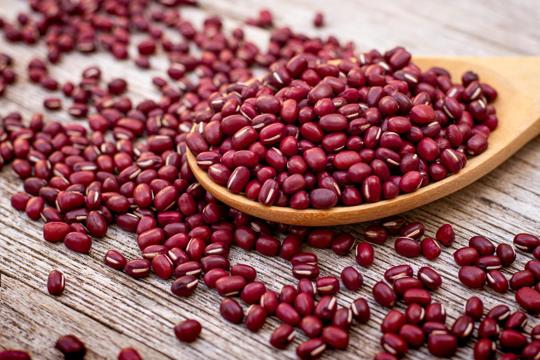
Chili beans and pinto beans may look similar, but possess diverse nutritional value.
Professionally, these differences provide varied health benefits.
Chili beans contain important nutrients like protein, fiber, vitamins B6 and folate.
Plus, they offer potassium and iron.
On the other hand, pinto beans have slightly higher fiber and protein content.
Magnesium, zinc and vitamin B1 are also present.
In terms of protein content, chili beans have the edge.
However, pinto beans are well-known for their high fiber content.
This helps with digestion and weight management.
It is plain that chili beans and pinto beans have distinct nutrient profiles.
Chili beans provide more vitamins B6 and folate.
Pinto beans supply more protein, fiber, magnesium, zinc and vitamin B1.
The choice of chili or pinto beans depends on nutritional needs and preferences.
Both offer advantages to suit various dietary requirements.
Incorporating these nutritious legumes adds flavor and importantity to meals, whilst contributing to wellbeing.
Cooking Methods for Chili Beans and Pinto Beans
Soak chili and pinto beans overnight. Then, drain and rinse.
Put beans in a pot with enough water to cover. Boil and reduce heat.
Allow to simmer until tender. Add salt and spices.
For chili beans, add ground beef or diced veggies for extra flavor.
Serve with rice or cornbread.
Popular Dishes and Recipes featuring Chili Beans and Pinto Beans
Chili beans and pinto beans are commonly used in many dishes.
They give unique flavor and a filling texture.
Whether it's chili, soup or stew, these beans can take your cooking to the next level.
Chili beans are great in chili con carne.
They add a smoky flavor to this stew of beef, tomatoes and spices.
They're also great in burritos or tacos. Pinto beans are very versatile.
In Tex-Mex cuisines, they're often found in refried beans or dip.
They can also be added to salads for protein and fiber.
Or, they make a great side dish with grilled meats.
Pinto beans hold their shape when cooked.
So, they are great for dishes like baked beans or bean salads.
Chili beans are different. They break down during cooking, which adds thickness to dishes like chili.
Differences in Chili Beans and Pinto Beans
There is no doubt that they are two very different types of beans.
Chili beans have a unique spiciness and deep flavors whereas pinto beans can be quite bland and often need to be combined with sausages or other ingredient to bring out their flavor.
While the nutritional differences are few and far between, when it comes to recipes, the two types of beans can really make a dish come alive.
Whether you decide to choose one of these types over the other depends entirely on your preference and what recipe you're trying to create as both offer unique culinary possibilities.
Ultimately, understanding the difference between chili beans vs pinto beans will help you craft delicious meals that stand out from the crowd.
Frequently Asked Questions
The main difference between chili beans and pinto beans is in their intended use. They share some similarities but each has qualities that make it better suited for certain recipes.
It depends on the dish. Chili Beans and Pinto Beans share some overlap, but each shines in different preparations.
Swapping works best in forgiving recipes like soups or stews.
Pricing varies by brand and region, but one is typically more accessible at everyday price points. The other may cost more due to specialization or limited supply.
Is there a best time to use each one?
One shines in applications requiring subtlety and background support.
The other is better when it is meant to be a center.
Matching the right one to its role makes a noticeable difference.