
Summary of key points
The main difference between arugula and baby arugula is their size and maturity. Arugula, also known as rocket or rucola, is a leafy green that has a slightly peppery taste.
Baby arugula is just a younger version of the same plant, harvested when the leaves are smaller and more tender.
While both types of arugula can be used interchangeably in recipes, baby arugula is often preferred for its milder and less bitter flavor. It can also be eaten raw in salads or sandwiches without the need for cooking.
On the other hand, mature arugula may require wilting or sautéing to soften its strong taste. It is also a common ingredient in pasta dishes and pesto sauces.
Arugula packs a peppery punch we all recognize. Did you know it's not just one type out there?
Yes, we're looking at you, arugula and your lesser-known sibling, baby arugula.
First up, size matters. Arugula comes in big, bold leaves.
Baby arugula? It's the cute kid sibling, smaller and tender.
Here's a fact - they differ in taste too. Arugula hits with a spicy note.
Baby arugula? Milder, for those less inclined towards culinary fireworks.
We've had our share of salad mix-ups. Ever grabbed the wrong green?
We've been there.
What is Arugula?
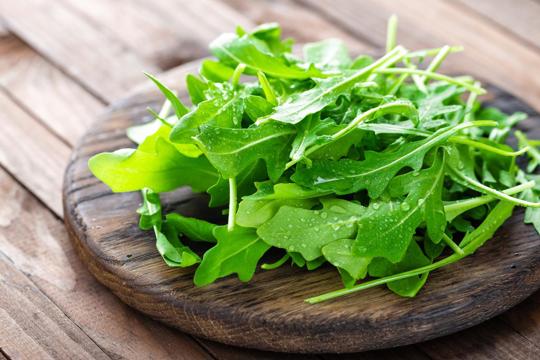
Arugula, or rocket or rucola, is a leafy green veggie with a peppery flavor.
It's a popular choice for salads, adding a freshness to dishes.
It's full of vitamins and minerals, so it's great for health-conscious people.
Use it in salads, pesto, soups, and pizzas.
Its slightly bitter taste is great for boosting flavors.
And it offers health benefits - it's rich in vitamin K, A, C, and folate.
Regular arugula and baby arugula are similar, but not quite the same.
Baby arugula leaves are young and milder in flavor.
They're more delicate than mature arugula.
Whether you opt for regular or baby arugula depends on your preference and the flavor intensity you want.
Both offer similar nutrition benefits.
So get creative with this flexible veggie - find your favorite way to enjoy it.
What is Baby Arugula?
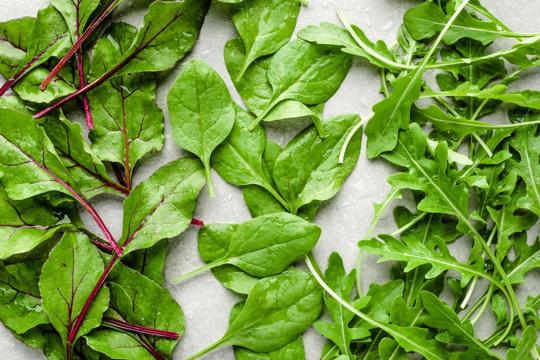
Baby arugula, also known as wild rocket or roquette, is a young and tender leafy green.
It has an unmistakable peppery flavor.
This makes it ideal for salads and dishes.
Its leaves are smaller than regular arugula, making it milder and more delicate.
This bright green veggie is popular among health-conscious individuals and culinary experts.
It is super versatile.
You can use it in salads, pasta, and many more dishes.
Plus, it adds crunch and flavor to any meal.
Despite its tiny size, baby arugula is a nutrient powerhouse.
It is full of vitamin K, which helps with blood clotting and bone strength.
Plus, it contains high levels of vitamin C, antioxidants, and folate.
All of this makes it great for boosting the immune system and keeping you healthy.
Mushroom swaps pair well with arugula. white mushroom comparison guide explains differences between white mushrooms and baby bellas.
Differences Between Arugula and Baby Arugula
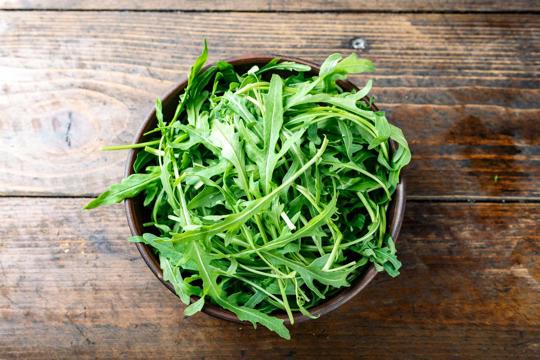
Arugula and baby arugula may sound alike.
But they are different.
Arugula is a leafy green with a sharp taste.
Baby arugula is picked earlier and tastes milder.
Both are nutritious and often used in salads and sandwiches.
The leaves are different.
Arugula's leaves are bigger and more peppery.
They give food a unique kick.
Baby arugula's leaves are smaller and tender.
Perfect for dainty recipes.
Knowing the difference between these greens can take meals to the next level.
For another look at similar foods with distinct textures, see Dutch Baby vs Yorkshire comparison.
1 - Leaf Size and Shape
Leaf size and shape are essential in differentiating between regular arugula and baby arugula - similar to how loose leaf vs tea bags comparison highlights the impact of leaf size on flavor and texture.
Regular arugula leaves are larger and more elongated.
Baby arugula, on the other hand, has smaller and rounder leaves.
These differences in size and shape give each type of arugula its own unique characteristics.
The size of the leaves affects the texture and taste.
Regular arugula's larger leaves are more strong and slightly bitter.
They also have a tougher texture compared to the delicate leaves of baby arugula.
Baby arugula has a milder flavor with a hint of nuttiness.
Its small, round leaves make it ideal for salads or as toppings on pizzas and sandwiches.
The shape of the leaves plays a part in aesthetics too.
Elongated leaves of regular arugula give off an elegant feel.
Whereas, the rounded shape of baby arugula gives a playful effect.
Both varieties share similar health benefits such as high levels of vitamin K, vitamin C, folate, calcium, and antioxidants.
The difference between regular arugula and baby arugula is seen in their leaf size and shape.
Regular arugula has larger, elongated leaves with a strong flavor.
Baby arugula has smaller, rounder leaves with a milder taste.
Understanding these variations allows cooks to choose the right arugula with the desired flavor and presentation aesthetics.
2 - Flavor Intensity
Flavor intensity is key - see extract vs flavor differences explained for more on concentration versus subtlety in taste.
Arugula is more mature and has a stronger, slightly bitter taste.
This gives salads and other dishes a nice zing.
On the other hand, baby arugula is milder, with a hint of nuttiness.
This makes it very versatile.
So whether you want bold or subtle flavors in your meals, these greens have you covered.
3 - Texture and Tenderness
Arugula and baby arugula might appear the same.
But, they differ in texture and tenderness.
Arugula leaves are bigger.
They have a rougher texture.
Whereas baby arugula leaves are dainty and delicate.
These differences make each type of arugula special.
Similarities Between Arugula and Baby Arugula

Arugula and baby arugula may appear similar, but they do have differences.
Both are from the same family of plants, and have a peppery flavor.
They contain vitamins A, C, and K, plus minerals such as potassium and calcium.
Similar, there are particular details to consider.
Baby arugula is harvested when the leaves are small and tender.
Regular arugula is allowed to grow larger before harvesting, giving it a stronger flavor.
Baby arugula has a milder taste and is often used in salads because of its delicate texture.
On the other hand, regular arugula can be used in many dishes like pasta, pizza, or grilled as a side dish.
If a recipe needs alternatives, arugula substitute suggestions lists five fresh swaps that preserve peppery notes.
Culinary Uses and Recipes for Arugula and Baby Arugula
Arugula and baby arugula may appear similar, but they have distinct qualities that make them stand out.
Both of these leafy greens can add a zesty flavor to various dishes.
Try using them in salads, sandwiches, and more - for sandwich inspiration, see big-taste vegan sandwich recipes with serious flavor.
Arugula adds a special touch to salads, pizzas, and pasta with its bold taste.
Its larger leaves and strong flavor set it apart from baby arugula.
Baby arugula has smaller, softer leaves with a milder flavor.
It's perfect for salads or as a topping for bruschetta or grilled meats.
Its subtle flavor complements a variety of ingredients without dominating the dish.
A key difference is baby arugula is harvested earlier than regular arugula.
This accounts for its smaller size and tender texture.
Plus, it's more nutrient-dense, making it great for those looking to get more vitamins and minerals in their meals.
Nutritional Value and Health Benefits of Arugula and Baby Arugula
Arugula and baby arugula may appear alike.
Yet, they differ in flavor and nutrition.
Arugula has vitamins A, C, and K, and iron and calcium.
It is spicy and often used in salads and sandwiches.
Baby arugula is picked when it is young and delicate.
Its taste is less strong than arugula, but it has similar nutrition benefits.
Both types have few calories and lots of antioxidants.
Pick arugula or baby arugula and enjoy their one-of-a-kind taste and health benefits.
If exploring savory, umami-rich additions to boost flavor, nutritional yeast taste guide explains that ingredient's cheesy, nutty profile.
Taste and Texture: Arugula vs Baby Arugula
After reading this blog post, you now know the difference between arugula and baby arugula.
Arugula is leafier and has a peppery flavor while baby arugula has tiny leaves and a milder flavor.
Each option gives your meal a unique taste and presentation, so it truly comes down to you.
Consider what flavor and texture profile best suits your dish before choosing either type of arugula.
Whether you dobble with flavourful traditional arugula or delicate baby arugula in your salad, sandwich, or pizza topping; these greens are exceptionally simple to work with yet offer diverse flavours like bitter, peppery, tangy, sweet and even nutty.
So no matter which kind you choose there are countless ways to customize the same dish by just swapping out the greens.
It can really take an average meal up several delicious notches - broadening your tastes buds have never been so easy.
Frequently Asked Questions
The main difference between arugula and baby arugula is their size and maturity. They share some similarities but each has qualities that make it better suited for certain recipes.
Sometimes. Arugula works where Baby Arugula is called for in certain dishes, but not all.
Check whether the recipe relies on a specific quality before substituting.
Cold preparations like salads and dressings often favor the option with a sharper, more defined flavor. Heat can mellow both, so the distinction matters more in uncooked dishes.
Do professional cooks prefer one over the other?
Professional preference depends heavily on the dish and cuisine style.
Each has its context where it outperforms the other, so most experienced cooks keep both on hand.
Baby formula flavor notes are explored in baby formula flavor guide. arugula pesto side dishes lists seven compatible side dishes.