
Summary of key points
The main difference between Beurre Manie and Roux is in the method of thickening sauces or soups. Beurre Manie is a mixture of equal parts flour and butter, while Roux involves cooking flour with fat (usually butter) until it becomes a paste.
In terms of functionality, beurre manie is often used as a last minute thickener for sauces that need a quick boost, while roux is used at the beginning of cooking to create a base for the sauce.
Also, beurre manie can be added directly into hot liquids without being cooked separately, while roux needs to be cooked until it reaches a desired color before adding in liquid.
Both techniques are commonly used in French cuisine and have their own unique benefits depending on the desired outcome of the dish.
In the kitchen, thickening sauces is an art. We've got two MVPs: Beurre Manie and Roux.
Seriously, these are the solid options for creamy, silky sauces.
Here's the lowdown. Roux is like that pre-party mix of flour and fat, cooked until it's just right.
It's the base of many classics.
On the flip side, Beurre Manie is the stealthy ninja. It's raw, combining butter and flour, whisked into dishes as a last-minute thickener.
Ever tried making a gravy and it just went "meh"? That was us.
Until we learned these tricks.
What is Beurre Manie?

Beurre Manie is a basic yet important technique in French cuisine.
It combines equal amounts of butter and flour, creating a thickening agent for sauces, soups, and stews.
Unlike roux, beurre manie is added directly to hot liquid and whisked until it melts.
This fast thickening does not alter the flavor or color of the dish.
Chefs can use Beurre Manie to adjust the consistency of their creations with ease.
That's why it's so important in the cooking world.
For lemon-based dessert pairing ideas that might follow a beurre manié-thickened sauce, consider lemon dessert pairing ideas.
What is Roux?
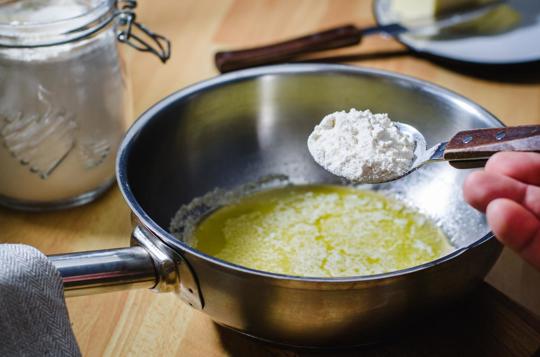
Roux: a must in French cooking.
Equal parts flour and fat (usually butter) are cooked on low heat to reach desired color and texture.
It adds flavor and body to sauces, soups and stews.
Cook longer for darker colors and more flavor.
Blond roux to dark brown, each variation imparts its own unique taste.
Mastering roux-making is the key to taking dishes to the next level.
Roux-based mains can be served alongside lighter starters; guacamole combo ideas for serving offers snack and side pairing inspiration.
Differences Between Beurre Manie and Roux
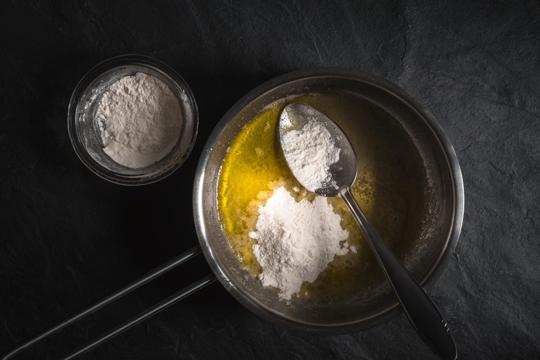
Beurre Manie and Roux are two cooking techniques for thickening sauces and soups.
Even though they serve the same purpose, they have different preparations and uses - see roux vs slurry comparison for cooks.
1 - Definition and Origin
Beurre Manie and Roux are two popular methods for thickening sauces and soups.
Beurre Manie is a mix of butter and flour in equal parts, while Roux is cooking flour in fat until it gets a certain color.
Both have their own history.
Beurre Manie, which means "kneaded butter" in French, has been around for centuries.
It was used in European cuisine because of its ease and ability to thicken sauces without prior preparation.
Chefs simply combined softened butter and flour to get a smooth mixture that improved the taste and richness of dishes.
Roux has French origins, too.
It's believed to have been invented by Antoine Carême in the 18th century.
This method is cooking flour in fat (like butter or oil) on low heat until it becomes a paste.
The cooking time decides the color of Roux - white, blond or brown.
Beurre Manie is great for a quick result, while Roux has more flavor due to cooking.
Different Roux are used in different dishes, based on the desired taste and color.
For instance, white Roux is best for béchamel, and darker Roux works well for stews and gravies.
2 - Ingredients and Preparation
Beurre manie and roux have unique ingredients and ways of being prepared.
Both involve fat and flour but the ratios and techniques are different.
To make beurre manie, combine equal parts of softened butter and flour.
Use it as a thickening agent at the end of cooking.
Roux is made by cooking flour in hot fat until it reaches a certain color.
Use it as a base for sauces and soups. Beurre manie creates a lighter texture.
Roux adds richness and depth to dishes.
3 - Culinary Uses and Applications
Beurre manie and roux are both versatile thickening agents used in different dishes.
Beurre manie is a blend of butter and flour used for finishing sauces.
It creates a smooth texture without altering the taste.
Roux, made from fat and flour, is used for sauces, gravies, soups and stews.
It has a more complex flavor since it's cooked.
This cooking time determines if it's blonde or dark.
Beurre manie and roux have different characteristics.
Beurre manie is great for adjusting sauces quickly, without changing the flavor.
Roux has a depth of flavor so it's great for creating complex bases.
Chefs can choose the appropriate thickening agent based on what they need.
Both beurre manie and roux can enhance flavors and create desirable textures in dishs.
With experimentation, chefs can explore endless possibilities.
4 - Texture and Flavor
Beurre manie and roux are distinct in texture and flavor - learn more in the extract vs flavor comparison for cooks.
Beurre manie is French for "kneaded butter" and offers a silky texture with a gentle, nutty taste.
Roux, often used in French cuisine, has a velvety texture with a stronger flavor.
Beurre manie is known for its texture.
It melts easily in sauces or soups for a light and smooth consistency.
This texture adds refinement without overpowering other flavors.
Its subtle nutty taste complements ingredients without dominating them.
Roux has a unique texture that adds richness to dishes.
It's equal parts flour and fat cooked until golden brown.
The velvety texture it gives is decadent yet luxurious.
The longer it is cooked, the deeper the flavor - roasted grains and caramelization.
To sum up, beurre manie and roux can both thicken dishes.
But they differ in texture and flavor.
Beurre manie has a silky texture and subtle nutty notes.
Roux has a velvety texture and deep, complex flavors.
Knowing the differences helps cooks pick the right technique for the desired result.
Similarities Between Beurre Manie and Roux

Beurre manie and roux have a few things in common when it comes to cooking.
They both involve combining equal parts of flour and fat, usually butter, to create a paste - for gluten-free takes, see flourless roux guide to gluten-free.
One shared trait between them is they are used to thicken sauces, soups, and stews.
This helps get the desired texture of the end dish.
Also, when adding, beurre manie and roux need to be added gradually while whisking continuously.
This ensures they are evenly distributed, and lumps don't form.
Also, they both impart flavor to the dish.
During cooking, the flour loses its raw taste, giving a nutty aroma and flavor.
The difference is that beurre manie is used at the end, while roux is made at the beginning and cooked for a longer time to get a richer flavor.
To sum up, beurre manie and roux offer similar capabilities in cooking.
Knowing the variations can help cooks choose the best option for their recipe.
When to Use Beurre Manie and Roux in Cooking
Cooking? Know when to use beurre manié and roux.
These techniques have distinct characteristics that can make your dishes great.
Beurre manié is a paste of flour and softened butter.
Used as a thickener for sauces and gravies.
Roux, on the other hand, is a mix of flour and fat (usually butter).
Cooked until desired color. Adds flavor and thickening power.
Beurre manié and roux both thicken sauces.
But, their uses depend on the outcome.
Beurre manié is useful for quick fixes or instant adjustments.
Added directly to hot liquids.
Great for finishing off pan drippings or adjusting soup/stew consistency.
Roux offers more options. Levels of color from white to dark brown.
Complexity and richness. Nutty undertones and enhanced mouthfeel.
When deciding between beurre manié and roux, remember: quick and easy? Beurre manié.
Depth of flavor and velvety texture? Roux.
Takes more time and attention. Offers greater control.
If a recipe depends on acidity or cooking flavor, consult white cooking wine vs vinegar guide to choose the better option.
Beurre Manie vs Roux: Thickening Methods
In the end, both beurre manié and roux offer their own unique culinary benefits.
Beurre manié is great for creating a smooth consistency in soups and sauces, whereas roux is perfect for creating velvety textures in dishes- especially those involving cheese.
If you are looking to make a more traditional French dish, then chances are you'll be using either beurre manié or roux as an integral part of the recipe.
No matter which method you choose, they can both help to thicken just about any recipe with ease.
And that's the beauty of these two methods: They each have their own purpose and can do what the other cannot.
In the end, when making a delicious dish there truly isn't a wrong choice between beurre manié or roux.
Frequently Asked Questions
The main difference between Beurre Manie and Roux is in the method of thickening sauces or soups. They share some similarities but each has qualities that make it better suited for certain recipes.
Sometimes. Beurre Manie works where Roux is called for in certain dishes, but not all.
Check whether the recipe relies on a specific quality before substituting.
Cold preparations like salads and dressings often favor the option with a sharper, more defined flavor. Heat can mellow both, so the distinction matters more in uncooked dishes.
Do professional cooks prefer one over the other?
Professional preference depends heavily on the dish and cuisine style.
Each has its context where it outperforms the other, so most experienced cooks keep both on hand.
Roux techniques relate to other finishing methods; roux vs slurry comparison for cooks explains key differences. 5 best substitutes for thickeners lists alternatives when flour isn't ideal.