
Summary of key points
The main difference between a charcuterie board and a cutting board lies in their purpose. A charcuterie board is specifically designed for serving and displaying a variety of meats, cheeses, fruits, and other appetizers.
It often has grooves or compartments to hold small items and is made from materials such as wood or marble to create an aesthetically pleasing presentation.
On the other hand, a cutting board's main function is for food preparation, such as chopping and slicing ingredients. It is typically made from plastic or wood and does not have any special features for serving.
In terms of size, charcuterie boards are often larger and can accommodate a greater variety of items compared to cutting boards.
When deciding between these two options, consider your intended use. If you enjoy hosting gatherings or want to add a decorative touch to your food presentation, a charcuterie board may be a worthwhile investment.
Ever stared at a wooden board and wondered, "Is this for show or for dough?" Here's the lowdown.
Charcuterie boards and cutting boards live in the kitchen. Yet, they party in totally different ways.
One dazzles at dinner parties, the other does the heavy lifting.
Our first encounter? We served cheese on a cutting board.
Guests chuckled. A lesson learned.
Charcuterie boards are the life of the party, flaunting cheeses, meats, and fruits. Cutting boards keep it real, facing the daily chop and slice.
Different boards, different destinies. One for show, one for dough.
Get this - size, material, and purpose set them apart. Now, we get it right.
And you can too.
What is a Charcuterie Board?
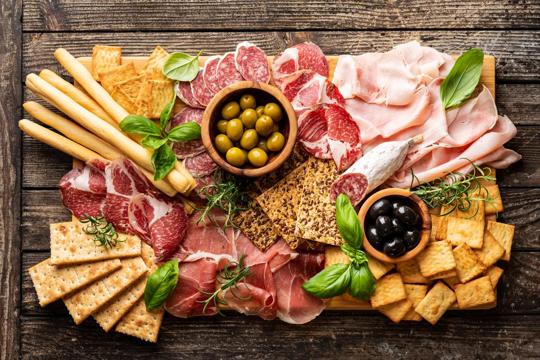
A charcuterie board is a creative platter that shows an array of cured meats, cheeses, condiments, and garnishes.
It's an eye-catching and tasty experience with different flavors, textures, and colors.
When assembling a charcuterie board, each item must be arranged for maximum appeal.
Prosciutto, salami, and pâtés are some of the high-quality meats to choose from.
Artisanal cheeses like brie, cheddar, and blue cheese add flavor.
Olives, pickles, nuts, dried fruits, baguettes, crackers, honey, and mustard add dimensions and contrasts.
A charcuterie board is unique.
It's not just for food preparation or serving meals.
It improves the dining experience with artistry and diversity.
The charcuterie board is versatile.
It can be customized to suit different preferences and dietary restrictions.
Vegetarians can enjoy plant-based "meats" or vegan cheese spreads.
The result? A bright display that stimulates conversation and awakens the appetite.
What is a Cutting Board?

A cutting board is a must-have for any chef.
It's a flat surface, usually made of wood or plastic, that you cut, slice, and chop food on.
You can find cutting boards in different sizes, shapes, and materials to suit your needs and preferences.
When picking a cutting board, there are few things to consider.
The material is key.
Wooden cutting boards are strong and resist shocks.
Plus, they're gentle on knives, so they won't get dull.
Plastic cutting boards are great for raw meat, as they're easy to clean and sanitize.
Size matters too.
A larger cutting board gives you more room to work and keeps food from falling off.
But a smaller one can come in handy if you're making small portions or just need to do a quick job.
Taking care of your cutting board is essential for its life and safety.
Wash it with hot, soapy water after every use.
And oil wooden cutting boards now and then to keep them in good shape and prevent them from cracking.
Differences Between Charcuterie Board and Cutting Board
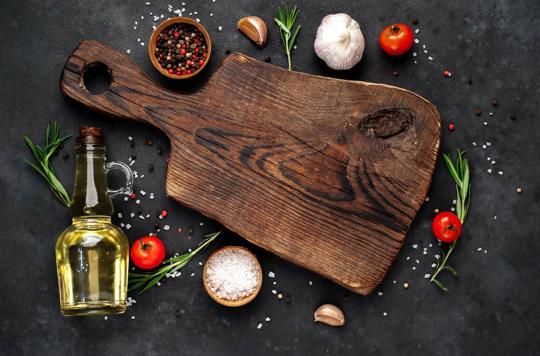
Charcuterie boards and cutting boards may look alike, but they are very different.
It's important to know the difference between these two boards.
Charcuterie boards improve the look of meals, while cutting boards are essential tools for meal prep.
Make sure to pick the right board for your needs.
To get the most out of your cooking experience, having both a charcuterie board and a cutting board is the way to go.
Purpose and Use
Charcuterie and cutting boards may look similar, but they serve different purposes.
A charcuterie board is used to display cured meats, cheeses, fruits, and other accompaniments.
It creates an attractive presentation guests can enjoy at gatherings or special occasions.
On the other hand, a cutting board is used to prepare and cut ingredients when cooking.
It provides a clean, sturdy surface for chopping, slicing, and dicing.
Both boards can be made of wood or plastic, but wooden cutting boards are better for their durability and resistance to knife marks.
Charcuterie boards often have grooves or compartments for small bowls or utensils.
In short, a charcuterie board is for display, while a cutting board is for practical use when cooking.
Knowing the difference helps you pick the right board for your needs.
So, when hosting or cooking, remember the distinction between these two boards.
Composition and Design
Charcuterie boards and cutting boards vary in composition and design.
Each has its own unique features.
A charcuterie board is typically made of wood, like acacia or bamboo, for a rustic look.
A cutting board, on the other hand, can be made from materials like plastic, glass, or marble, making it strong and easy to maintain.
Charcuterie boards tend to have an irregular shape with quirky edges, plus special engravings or patterns.
Cutting boards are made for practical use, with straight edges and standard measurements.
The size of these boards is different too.
Charcuterie boards are larger, for displays of cheeses, meats, fruits, and nuts.
Cutting boards are sized according to the user's needs, but give enough area for food prep.
Another difference is that charcuterie boards often have handles for easy carrying.
This helps hosts show off the board while talking to guests.
Cutting boards don't usually have handles since they're mainly for stationary kitchen use.
Food Presentation and Arrangement
Food presentation and arrangement are keys to creating a great dining experience.
The way food is displayed impacts our perception of its taste and quality.
It isn't just about looks.
It's about artfully arranging the ingredients on a plate.
Chefs and foodies recognize the importance of attractive presentations.
A well-arranged dish can excite our senses before we take a bite.
From the colors to the order of items, every detail matters.
The creativity involved in arranging food goes beyond plates and bowls.
Enter the charcuterie board.
This display of meats, cheeses, fruits, nuts, and more is popular for its ability to show off many foods in a beautiful way.
Charcuterie boards are more than just kitchen tools.
They are pieces of art.
Their natural wood grains and unique shapes provide a rustic setting for treats.
One unique part of charcuterie boards is customization.
From different meats to artisanal cheeses, each board can be tailored to individual tastes.
This adds another level of excitement to preparing and enjoying a charcuterie board.
Whether it's a dinner party or a weeknight meal, understanding the art of food presentation and arrangement can help.
So embrace your inner artist.
Try different textures, colors, shapes, and arrangements.
A delicious masterpiece awaits.
Typical Contents
A charcuterie board is a feast for your eyes and palate.
An appealing array of cured meats, pâtés, cheeses and accompaniments.
Plus, crackers, breads, fruits, nuts and condiments.
All carefully chosen to provide a balance of textures and tastes.
A cutting board is different.
It's a sturdy surface for chopping, slicing and food preparation.
It's all about durability and hygiene.
Often made of wood or plastic.
Charcuterie boards are designed to dazzle guests.
Whereas cutting boards are about efficiency and sanitation.
Both boards have an important role to play in the kitchen.
They both offer something special in terms of culinary artistry.
Similarities Between Charcuterie Board and Cutting Board

Charcuterie boards and cutting boards look alike, but they have different uses in the kitchen.
Charcuterie boards are made of wood or slate and are for displaying and serving different types of snacks.
They tend to be bigger, and usually have sections for keeping everything organized.
They are often used when people are having a gathering.
Cutting boards, on the other hand, are for preparing food.
They're usually made of plastic or wood, and their purpose is to protect countertops and knives when cutting.
They come in all sizes to meet different needs.
The two boards have different focuses.
Charcuterie boards prioritize presentation, while cutting boards prioritize durability.
You should also be aware that charcuterie boards may need special attention, like oiling wooden boards and avoiding soaking them in water.
Charcuterie and cutting boards have different roles in the kitchen.
Charcuterie boards are for presentation, while cutting boards are for prepping food.
Knowing the differences will help you make the right choice for your cooking.
How to Use a Charcuterie Board and Cutting Board
Charcuterie and cutting boards may look the same, but they have different functions.
Let's learn how to use them correctly.
- Clean & Sanitize: Start by cleaning the boards with a damp cloth or hot soapy water. Air dry afterwards.
- Choose Ingredients: For charcuterie boards, go for cured meats, cheeses, fruits, nuts and spreads that go well together. A cutting board is best for preparing veggies, meat and fish. Use the right tools for each.
- Presentation: Arrange charcuterie elements in an attractive pattern. Fill gaps with fruits and nuts. For a cutting board, arrange ingredients for efficient prepping.
- Serve: Charcuterie boards are meant as appetizers - pair with breads or crackers. Don't serve from a cutting board; it's for prepping.
- Clean Up: Both boards need to be washed after each use. Wooden charcuterie boards should be oiled periodically.
Master the art of using charcuterie and cutting boards.
Create attractive spreads or efficient preps - enjoy delicious meals.
Choosing the Right Board for Your Needs
Opting for the right board can make a big difference in your cooking.
If you aim for a striking charcuterie board display, or just need a reliable cutting board, understanding the differences is key.
Charcuterie boards are often larger and made of wood or stone, perfect for showing off cured meats, cheeses, and fruits.
Cutting boards are smaller, made of plastic or wood, and designed with functionality and durability in mind.
Maintenance-wise, charcuterie boards require minimal upkeep, while cutting boards need to be cleaned regularly due to exposure to raw food.
In the end, the board you choose depends on your culinary needs and preferences.
Choosing Between Charcuterie and Cutting Boards
After looking at the depths of charcuterie board life vs cutting board life, it appears clear that they are two distinct boards with unique features and characteristics.
We can now confidently make a distinction between the two based on their construction, purpose, design, and overall difference in intended use.
Charcuterie boards may seem like a luxury item but knowing how to properly create them can provide added convenience to your food preparation process.
Likewise, while cutting boards are more popularly used in the kitchen, using a charcuterie board for regular slices or chops will help you create professional-looking appetizers that will impress even those who know their way around a plate of snacks.
As such, whether you prefer one over the other is fully up to you - but at least now you'll have an understanding of which is which so you don't end up confusing yourself should either enter your kitchen arsenal.
Frequently Asked Questions
The main difference between a charcuterie board and a cutting board lies in their purpose. They share some similarities but each has qualities that make it better suited for certain recipes.
Sometimes. Charcuterie Board works where Cutting Board is called for in certain dishes, but not all.
Check whether the recipe relies on a specific quality before substituting.
Cold preparations like salads and dressings often favor the option with a sharper, more defined flavor. Heat can mellow both, so the distinction matters more in uncooked dishes.
Do professional cooks prefer one over the other?
Professional preference depends heavily on the dish and cuisine style.
Each has its context where it outperforms the other, so most experienced cooks keep both on hand.