
Summary of key points
The main difference between poached eggs and fried eggs is the cooking method. Poached eggs are cooked in simmering water, while fried eggs are cooked in a pan with oil or butter.
This distinction also affects the texture of the egg whites. Poaching results in soft, silky egg whites, while frying creates crispy edges on the whites.
In terms of taste, poached eggs have a subtle flavor, while fried eggs may have a slightly richer taste due to the added fat.
Both types of eggs offer similar health benefits as they are high in protein and essential vitamins and minerals. However, poached eggs may be a healthier option as they require less added fat for cooking.
In cooking, poached eggs are often used in dishes such as eggs benedict or served on top of toast, while fried eggs can be enjoyed in a variety of ways, including as part of a breakfast sandwich or with bacon and toast.
Poached or fried, eggs hold a special place in our kitchens. We all have a preference, and it's not just about taste.
Poaching lets the egg swim, coming out tender and soft. Fried eggs sizzle in the pan, edges crispy, center runny or firm-chef's choice.
This isn't just breakfast talk; it's a culinary divide. We've all tried cracking an egg into boiling water and ended up with a mess.
Or flipped a fried egg too soon.
We've been there, laughing as the yolk breaks or the whites spread like unruly children. Yet, these eggscapades bind us.
Our kitchens, our rules. Grab your spatula or your slotted spoon.
Let's crack into this together.
What is a Poached Egg?

Poached eggs are delicate and elegant, adding some sophistication.
Cooking them requires precision - gently crack the egg into a pan filled with simmering water.
There's no need for oil or butter, making them a healthier option. Plus, they are versatile.
Eat them on their own as a light meal or use them as a topping to improve the flavors of dishes.
Poached eggs can even improve salads when broken open and mixed with dressings.
In classic dishes like Eggs Benedict, the yolk and texture of a perfect poached egg goes with the hollandaise sauce and savory ham or smoked salmon.
Overall, poached eggs offer a refined experience.
Their soft texture and rich flavor make them a popular choice for those seeking a healthier alternative to fried eggs.
Enjoy this cooking method that shows the scenery of an egg's simplicity in an elegant way.
What is a Fried Egg?

A fried egg: a popular breakfast treat. It's cooked in hot oil or butter, with crispy edges and a runny yolk.
Here's how to make a fried egg:
- Crack an egg into a non-stick pan on medium-high heat.
- Add a little oil or butter, and let it sizzle.
- Let the egg cook undisturbed for a few minutes for that crispy edge.
- To have a cooked yolk, flip it.
- For a runny yolk, cover the pan with a lid for 1-2 minutes.
Delicious. Enjoy fried eggs with bacon, toast, and hash browns.
Or, top a burger or salad with it for extra flavor.
Differences Between Poached Eggs and Fried Eggs
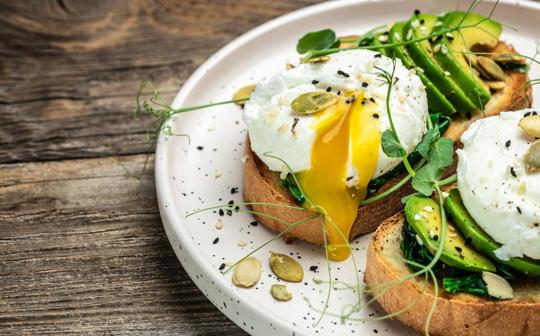
Poached eggs and fried eggs may look similar, but there are key distinctions between them.
Also, each cooking method has its own level of difficulty.
Poaching an egg requires more precision and practice.
Frying an egg is simpler as it allows more control over doneness levels.
Cooking Method
Cooking methods can create different flavors and textures.
Here, let's look at the contrast between poached and fried eggs.
Poaching is a gentle cooking technique.
You drop an egg into hot, simmering water.
The egg white cooks with a delicate texture, while the yolk remains runny.
This creates a velvety texture, perfect for dishes like Eggs Benedict or avocado toast.
Frying is different.
You cook the egg in hot oil or butter.
The egg white forms a crispy edge.
The yolk becomes creamy and luscious.
Fried eggs are commonly eaten with bacon, sausages, or as a topping for burgers.
Fried eggs can be prepared differently, according to preference.
Some people like sunny-side up eggs with a fully runny yolk.
Others prefer over-easy or over-hard eggs, with a partially or fully cooked yolk respectively.
Texture and Appearance
Eggs in various forms have distinct textures and appearances.
Poached and fried eggs are no exception.
Fried eggs have a crunchy exterior due to high heat.
This coagulates the protein on the surface.
Poached eggs, however, have a softer texture as they are gently simmered in water.
Fried eggs have a golden lacy pattern due to contact with the pan.
Poached eggs have a smooth, silky white exterior.
These small differences make a big impact on the cooking experience.
Whether you prefer the crispness of a fried egg or the tenderness of a poached one, give them both a try.
Enjoy the unique delights that these delicious eggs have to offer.
Flavor and Taste
A poached egg and a fried egg are quite distinct.
Poached eggs have a soft, delicate texture accompanied by a subtle richness in flavor.
On the flip side, a fried egg has a slightly crispy edge and a more strong taste.
These differences mean each type of egg is unique and perfect for different dishes.
The cooking methods make these two eggs diverge greatly.
Poaching involves simmering an egg in water, making it velvety with natural flavors.
Frying on the other hand, causes proteins on the egg's surface to coagulate, creating a crispiness.
This gives fried eggs their own distinct flavor, making them great for hearty meals.
Poached eggs are also versatile.
They pair well with dishes like Eggs Benedict or salads, as subtlety is ideal.
Meanwhile, a fried egg can add pizzazz or contrast.
Its crispy exterior can provide that crunch and extra flavor to classics such as burgers or sandwiches.
It's all down to personal preference.
Each cooking method brings its own qualities, offering endless possibilities with flavors and textures.
Nutritional Differences
Poached and fried eggs may look similar, but nutrition-wise, they're quite different.
Poached eggs are cooked in water, while fried eggs require oil or butter.
Poached eggs have fewer calories, due to no added fats.
If you're watching your calorie intake, poached eggs are the smarter choice.
Frying adds extra fats, making fried eggs higher in fat content.
Protein levels are comparable between the two, since the cooking method doesn't affect protein.
Cholesterol levels are also similar - yolks contain cholesterol, but cooking method doesn't change that.
Excessive egg yolk consumption can be a problem for some individuals, however.
Similarities Between Poached Eggs and Fried Eggs
Poached eggs and fried eggs may seem similar, but they each have their own qualities.
Cooking an egg without breaking the yolk is the same for both methods.
But the ways and results are distinct.
They are cooked in simmering water.
An egg is cracked into a dish, then carefully slid into the water.
The outcome is a soft egg with a runny yolk.
With fried eggs, they are cooked on a hot surface using oil or butter.
You can choose sunny-side up or over-easy, depending on your desired yolk consistency.
Both cooking techniques make delicious eggs, there are unique details to consider.
Poaching is lighter and healthier as no extra fat is needed.
Precision and practice are needed to get the perfect consistency.
With fried eggs, there is more versatility in preparation.
Season with herbs and spices for more flavor.
Uses in Culinary Dishes
Eggs are celebrated for their versatility in dishs.
Poached or fried, they make an appearance in a variety of dishes.
The softness and creamy texture of poached eggs are great for lightly balanced dishes like Eggs Benedict and French-style omelettes.
But fried eggs with their crisp edges and creamy yolks make classics like the Full English Breakfast or a bacon and egg sandwich even more special.
In Asian cuisine, poached eggs are often used to enhance noodle soups and rice dishes.
They bring a luxurious richness that pairs well with flavorful broths.
Fried eggs, however, shine in dishes like Korean bibimbap or Thai fried rice, adding flavor and texture.
Plus, both poached and fried eggs can be used in salads, pizzas, grains bowls, and burgers to add a touch of indulgence.
Each cooking technique gives the dish its own unique character.
Poaching preserves the whites, resulting in a soft exterior that holds a runny yolk.
Frying eggs allows for a beautiful browning on the outside, while maintaining a creamy yolk that gives a richness to any plate.
Tips for Perfectly Cooking Poached Eggs and Fried Eggs

For poached eggs that are perfectly cooked, key tips and techniques are essential.
Here, we will explore the tips to make sure you achieve your desired outcome.
When it comes to poaching:
- Only use fresh eggs.
- Bring water to a gentle simmer and add vinegar.
- Make a whirlpool and slide in the egg.
- Cook for around 3-4 minutes, then use a slotted spoon to take it out.
When frying eggs:
- Use a non-stick skillet or pan and a little oil or butter.
- Heat the pan on medium-low heat to avoid burning.
- Crack the egg in carefully to keep the yolk intact.
- Cook till you reach your desired doneness. Flip if you want.
Let's explore more about cooking poached and fried eggs:
They give a tender texture to whites and warm, runny yolks.
Try them on their own or as a topping for dishes like Eggs Benedict or avocado toast.
You can adjust the doneness of both yolk and white with this method.
Have fun experimenting with various flavor combinations and incorporating them into recipes.
With these tips, you can now make perfect poached and fried eggs at home.
Cooking Methods: Poached vs Fried Eggs
While some may debate the accuracy of defining a poached egg and a fried egg, there is no doubt that both have an undeniable place in skillet history.
Ultimately, it comes down to preference.
A true connoisseur of eggs may prefer the oozy texture of a perfectly runny poached egg or revel in the crunchy, crispy perfection that comes with a fried variety.
For those who cannot decide on either only one thing stands true: eggs tend to offer unparalleled flavor no matter what style they are cooked or served in.
So whether you choose to fry, scramble, or poach your egg-centric meal will be as unique as you make it.
But should you still find yourself at an impasse between two styles of culinary bliss we suggest just having both.
Frequently Asked Questions
The main difference between poached eggs and fried eggs is the cooking method. They share some similarities but each has qualities that make it better suited for certain recipes.
Sometimes. Poached Egg works where Fried Egg is called for in certain dishes, but not all.
Check whether the recipe relies on a specific quality before substituting.
Cold preparations like salads and dressings often favor the option with a sharper, more defined flavor. Heat can mellow both, so the distinction matters more in uncooked dishes.
Do professional cooks prefer one over the other?
Professional preference depends heavily on the dish and cuisine style.
Each has its context where it outperforms the other, so most experienced cooks keep both on hand.