
Summary of key points
The main difference between clementines and satsumas is their origin. Clementines are a hybrid of mandarin oranges and sweet oranges, while satsumas are a type of mandarin orange originally from Japan.
In terms of appearance, clementines are slightly larger and rounder with a deep orange color, while satsumas are smaller and more oblong with a brighter orange hue. Clementines also tend to have a smoother and thinner skin, making them easier to peel.
Both fruits have a sweet and juicy taste, but some people say satsumas have a more complex flavor with hints of honey and spice. Either way, both make for tasty and convenient snacks on-the-go.
Ever stood in the grocery aisle staring at citrus fruits, puzzled? We have.
Clementines and satsumas. They're different, yet eerily similar.
Clementines? Small, sweet, and seedless.
Ideal for quick snacks. Satsumas, on the other hand, boast an easy peel.
Perfect for those who hate getting sticky hands.
We remember the first time we mixed them up. A lunchbox faux pas.
We learned our lesson.
Both belong to the mandarin family. Yet, their subtle differences define them.
We promise, mastering these will make you a citrus guru.
What are Clementines?
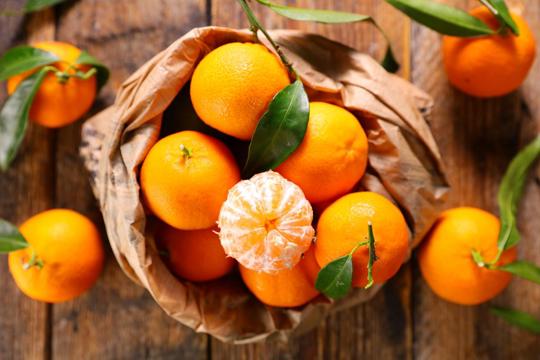
Clementines are a variation of mandarin oranges.
They have thin skin and no seeds, making them a great snack.
Their flavor is sweet and tangy, like oranges, but milder.
Plus, they're available during the winter - perfect for the holidays.
They're filled with vitamins and minerals like vitamin C, folate, and potassium.
Clementines can be used in various dishs too.
Juice them for dressings or marinades.
Grate their zest over desserts or use it in baking recipes - also see lemon dessert pairings for ideas that work with bright citrus notes.
In short, clementines are a delicious and healthy choice.
Enjoy their sweet taste and bright color all year round.
What are Satsumas?
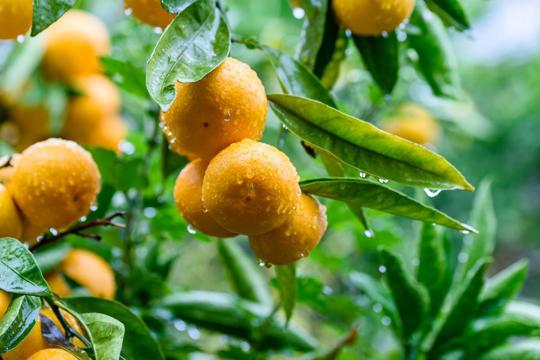
Satsumas are a type of citrus fruit from Japan.
They are small and thin-skinned with a sweet taste.
Peel them easily - they have few seeds.
These fruits are usually harvested during winter and don't keep long.
Satsumas are not just yummy - they are healthy too.
They contain vitamins C, potassium, and dietary fiber.
Vitamin C helps your immune system. Potassium keeps blood pressure steady.
Dietary fiber helps digestion. One special thing about satsumas is their loose skin.
It's simple to peel them off and snack on them. Plus, no seeds to worry about.
If serving satsumas with savory dishes, consider guacamole pairing suggestions to find complementary textures and flavors.
Differences Between Clementines and Satsumas
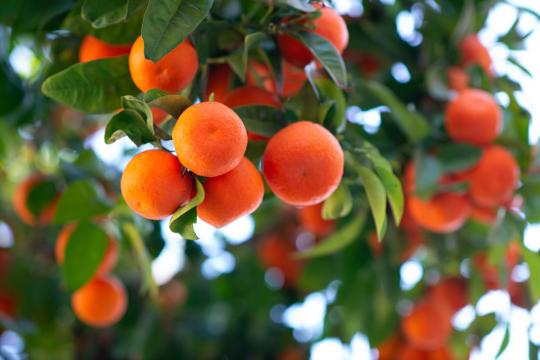
Yet, they have differences - explore clementine substitutes to consider that highlight how small traits change use.
Origin and History
Clementines and Satsumas have their own unique origin stories.
Clementines were discovered in the late 19th century by Father Clément Rodier in Algeria.
Whereas, Satsumas date back to the 14th century in Japan when it was first cultivated by Buddhist monks.
Clementines have a deep orange color, thin skin, and are seedless.
Plus, they are known for their sweet taste and juicy texture.
Satsumas, on the other hand, are small with loose, easily removable skin.
They have a delicate flavor, a perfect balance of sweetness and tanginess.
Both of these citrus fruits gained popularity around the world due to their unique qualities.
And, they are now cultivated in many countries such as Spain, Morocco, China, and the U.S.
Whether you prefer the sweetness of clementines or the delicate flavor of satsumas, both fruits offer a refreshing burst of citrus goodness.
Physical Characteristics
Clementines and satsumas vary in physical characteristics.
Clementines have a glossy, deep orange peel that is simple to peel.
Satsumas, in contrast, have a lighter orange peel with lumpy texture.
Both fruits are round, but clementines are more substantial.
Also, clementines have fewer seeds than satsumas, making them the ideal choice for those who don't like seeds.
Recognizing these differences can help consumers select the right fruit.
Taste and flavor
Clementine and Satsuma - two citrus fruits that appear alike. But their taste and flavor are distinct.
Clementines are sweet and tangy with a hint of orange and tangerine.
Juicy texture and a refreshing taste, often described as bright and zesty.
Hence, people use them in salads and desserts or simply snack on them.
Satsumas have a mild sweetness with a balance of tartness.
Their texture is smoother than clementines, making them easy to peel and eat.
Flavor wise, they are mellow and less intense than clementines.
Clementines and satsumas have their own unique characteristics when it comes to taste and flavor - see an extract vs flavor comparison to understand the difference.
So, you can choose one depending on your preference - zesty or mild. Both provide a nice citrus experience.
Seediness and Ease of Peeling
Clementines & satsumas are both citrus - but have slight differences.
Clementines are bright orange & sweet - and less seedy than satsumas.
Plus, their thin skin is easy to peel.
Great for snacking or adding zest to dishes, without the hassle of seeds.
Satsumas have more seeds, but a unique sweet & tangy flavor.
Even with the extra seeds, their skin is smooth & easily removable.
So, clementines are great for reduced seediness & easy peeling.
While satsumas are perfect for a delicious mix of flavors.
Either way, these citrus delights will make your day juicier.
Similarities Between Clementines and Satsumas
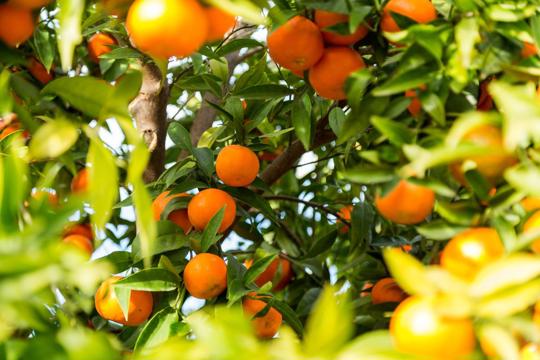
Clementines and Satsumas - two citrus fruits with lots in common.
They're small, have a deep orange color, and their thin skin is easy to peel. Plus, they're sweet and tangy.
Both fruits are packed with vitamin C and other nutrients that help strengthen our immune system.
And, they belong to the Mandarin orange family - known for its juicy texture and fresh taste.
Plus, they're seedless, so they make great snacks you can take on the go.
And, their size is perfect for lunchboxes and fruit salads.
Lastly, both fruits are in season in winter, adding a pop of sunshine to our palate.
The two fruits look alike, but there are differences.
Clementines are slightly bigger and have smoother skin.
Satsumas have a looser peel that comes off easily.
Clementines and Satsumas are both delicious and nutritious.
Whether you choose Clementines or Satsumas this winter, you're sure to enjoy a flavorful treat.
Nutritional Comparison
Clementine and Satsuma - two popular citrus fruits.
But what makes 'em different in terms of nutrition?
Clementines have a yummy and tangy taste.
They are abundant in Vitamin C - providing 60% of your daily needs in one fruit.
This Vitamin helps boost immunity and protect from illnesses.
Plus, they contain dietary fiber to help digestion and keep your gut healthy.
Satsumas have a milder flavor.
They are also packed with Vitamin C, plus contain more potassium - great for your heart health and blood pressure.
In terms of calories, both fruits are low - so they're perfect if you're trying to lose weight or looking for a healthy snack.
They are also fat-free and cholesterol-free.
Overall, both fruits offer Vitamin C benefits, but satsumas give you extra potassium.
Whether you prefer clementines or satsumas, enjoy them and get their nutritional benefits.
For a very different flavor profile to compare, read a nutritional yeast taste guide to see how savory, umami notes contrast with citrus.
Best Uses for Clementines and Satsumas
Clementines and Satsumas are both small citrus fruits. Yet, they have different qualities.
Clementines are sweet and juicy - perfect for snacking or salads.
Satsumas, on the other hand, have a slight tang.
This makes them good for savory dishes or drinks. Both fruits are easy to peel.
Clementines are great for baking because of their orange color and aroma.
Satsumas are great for juicing due to their high juice content.
So, clementines and Satsumas have distinct best uses.
Taste and Appearance: Clementine vs Satsuma
Although they both serve as tasty citrus treats, satsumas are more readily available in supermarkets due to their tougher peels.
On top of this, satsummass are easier to peel than clementines, earning an extra degree of convenience for people making them a classic favorite amongst grocery stores.
In any event, whether you choose clementines or satsumas for your next snack or added ingredient to a recipe, either would be a great option.
Both do they have different tastes and textured based on the peel; they also have tons of nutrition benefits that add natural sweetness and bright color to your plate.
For those looking for an acidic twist to meals or just something sweet to snack on these two fruits make excellent choices either way.
Pairings for citrus differ by dish. clementine substitutes for recipes and extract vs flavor comparison explained explore related choices.
Frequently Asked Questions
The main difference between clementines and satsumas is their origin. They share some similarities but each has qualities that make it better suited for certain recipes.
It depends on the dish. Clementine and Satsuma share some overlap, but each shines in different preparations.
Swapping works best in forgiving recipes like soups or stews.
Pricing varies by brand and region, but one is typically more accessible at everyday price points. The other may cost more due to specialization or limited supply.
Is there a best time to use each one?
One shines in applications requiring subtlety and background support.
The other is better when it is meant to be a center.
Matching the right one to its role makes a noticeable difference.