
Summary of key points
The main difference between coconut flour and coconut powder is the level of processing. Coconut flour is made by grinding dried coconut meat into a fine powder, while coconut powder is typically a more processed form of coconut milk solids.
Coconut flour is often used as a gluten-free alternative to wheat flour in baking, while coconut powder can be used as a thickening agent in curries or added to smoothies for a boost of flavor and nutrients.
While both are made from coconut, their different levels of processing make them better suited for different types of recipes. Experiment with both to find out which works best in your kitchen.
In the kitchen, we often find ourselves staring at ingredients like coconut flour and coconut powder, pondering their differences. Coconut flour is a byproduct of coconut milk production, dense and fibrous.
Coconut powder, on the other hand, is finely ground, dehydrated coconut meat.
We all have that moment, standing confused in the baking aisle. I once used coconut powder in a recipe calling for coconut flour.
Spoiler: It didn't end well. T4Texture and usage vary dramatically between the two.
Coconut flour absorbs more water, making it perfect for baking. Coconut powder?
Great for smoothies. Mixing them up is a kitchen disaster waiting to happen.
Each has its unique role in cooking. Now, we'll guide you through their differences.
No more mix-ups.
What is Coconut Flour?
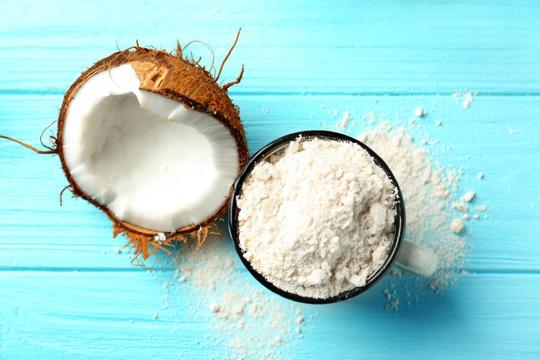
Coconut flour is a yummy and healthy gluten-free alternative to regular flour.
It's made from dried coconut meat and has a nice texture for baking.
Plus, it has a subtle coconut flavor which adds a yummy twist to recipes.
It's also full of nutrients like manganese and iron, which are good for overall health.
Coconut flour has a low glycemic index, so it can help regulate blood sugar levels.
It's no surprise that it's becoming popular with those wanting nutritious and tasty options.
People with dietary restrictions, like gluten intolerance or celiac disease, can also enjoy coconut flour.
So why not give it a try in your next recipe? You may just find a new favorite.
What is Coconut Powder?
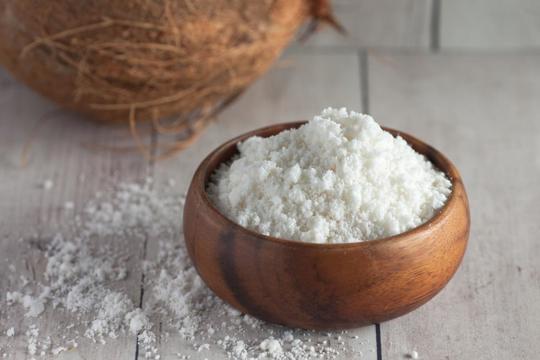
Coconut powder is a super ingredient.
It's made from dried, crushed coconut meat and has a yummy flavor.
It can be used in all kinds of recipes.
From cakes to savory dishes, it adds a tropical touch.
It's also great as a thickener for soups, sauces, and curries.
Plus, it stores easily and has a long shelf life, so it's super convenient.
Also, it contains dietary fiber and healthy fats, making it nutritious.
Coconut powder is a tasty, adaptable ingredient that adds the delicious taste of coconut to all sorts of meals and snacks.
Differences Between Coconut Flour and Coconut Powder
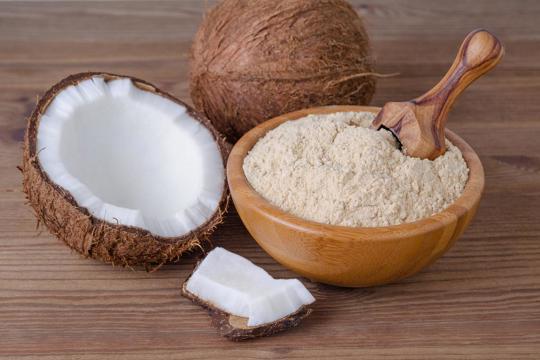
Coconut flour and coconut powder may look similar, but they are not.
Source and Processing
Coconut flour and coconut powder may seem similar, yet they have major distinctions.
Coconut flour is made from dried coconut meat, which is defatted and crushed into powder.
Coconut powder, on the other hand, is crafted from dried coconut milk or cream, which is dried out to make a powdered form.
The source of coconut flour and coconut powder is key to their taste and texture.
Coconut flour comes from mature coconuts, while coconut powder comes from coconut liquid.
This difference in source produces a unique flavor for each item.
In terms of processing, both coconut flour and coconut powder use different methods.
Coconut flour has its oil content removed, giving a low-fat product.
Coconut powder, however, is dehydrated to create a dry powder.
These procedures affect their nutritional content.
For culinary uses, both products are versatile and can be used in various recipes.
Coconut flour is often used as a gluten-free alternative for baking such as bread, cakes, and cookies.
It also adds structure and body to baked goods due to its high fiber content.
Coconut powder is usually used in curries, smoothies, desserts, and drinks due to its rich taste.
Texture and Consistency
Texture and consistency are two important points to consider when comparing coconut flour and coconut powder.
Similar, they have different feels and compositions.
Coconut flour has a fine texture, much like common all-purpose flour.
It's made from dried coconut flesh, ground into a powder.
When mixed with liquids, it absorbs a lot of moisture, creating a denser and heavier texture in baked goods.
This makes it difficult to get the light and fluffy texture usually achieved with regular flours.
Coconut powder has a coarser texture.
It's made of dehydrated, finely grated coconut meat.
While it still absorbs moisture, not as much as coconut flour does.
This means that baked goods made with coconut powder will have a lighter, softer texture.
The two ingredients also have different compositions.
Coconut flour is primarily fiber, so it's great for those increasing their fiber intake.
It also contains some protein and fats.
On the contrary, coconut powder is higher in fat content due to the more substantial meaty composition.
When deciding between the two ingredients, remember their textures and consistencies.
If you want dense and heavy, go for coconut flour.
But if you prefer a lighter, softer texture, go for coconut powder.
The choice is up to you and your desired outcome.
Nutritional Composition
Coconut flour and powder may sound the same, but they are different.
Both come from coconuts, but their processing is different.
Coconut flour is made by grinding dried meat.
It is high in fiber and low in carbs - ideal for those on a low-carb or keto diet. It is gluten-free, too.
Coconut powder is made from dried coconut meat, with the moisture removed.
It has higher fat and lower fiber content.
Both offer some micronutrients, like iron, potassium, and magnesium.
However, their nutrient profiles may vary slightly due to different processing methods.
Culinary Uses
Coconut flour and powder: two different things.
Coconut flour is great for gluten-free baking. Coconut powder is a yummy flavoring agent.
Both can add texture and flavor to dishes.
So, if you want a subtle coconut flavor or a gluten-free dish, understanding the differences between flour and powder can help you make the most of your dishs.
Similarities Between Coconut Flour and Coconut Powder

Coconut flour and powder have a few things in common. Both come from coconuts.
They can be used for baking and cooking.
And they're gluten-free substitutes for regular flour.
But, there are differences.
Coconut flour is made by crushing dried coconut meat. It's fine and absorbs liquid well.
Coconut powder is from the white flesh of the coconut and is usually used as a flavoring.
With slight variations, coconut flour and powder are both tasty and nutritious ingredients for recipes.
Substituting Coconut Flour for Coconut Powder and Vice Versa
Coconut flour is made from dried, defatted coconut flesh. It's a great gluten-free baking option.
Coconut powder is made from grated, dried, and grounded fresh coconut.
When using coconut flour in place of powder, remember that it absorbs more liquid.
So you may have to adjust the other liquids in the recipe.
Also, its high fiber content gives a denser texture.
If you want to use coconut powder instead of flour, be aware that it has higher moisture content.
It also has a milder flavor than coconut flour.
Both ingredients have their own unique qualities.
Try them out to see what works best for you.
Coconut Flour vs Coconut Powder: Nutritional and Baking Differences
Understanding the difference between coconut flour and coconut powder is important.
Both have their own unique types of uses in cooking and baking; however, it must be stated that the two may not always be used interchangeable in a recipe without some degree of difficulties arising.
It's always best to be sure to understand what you're using before proceeding with your cooking or baking project.
Coconut flour is becoming an increasingly popular gluten-free alternative to traditional flours.
It has a high absorption rate that yields a lighter result while coconut powder produces a coarser grind that contains less moisture when compared to coconut flour.
Finally, remember to properly store your ingredients for optimal quality and prolonged life span, no matter whether they are coconut flour or powder.
Knowing how long ingredients last and how to store them correctly is key to making sure the longevity of both products as well as discovering any new treats or dishes that you can create.
Frequently Asked Questions
The main difference between coconut flour and coconut powder is the level of processing. They share some similarities but each has qualities that make it better suited for certain recipes.
Sometimes. Coconut Flour works where Coconut Powder is called for in certain dishes, but not all.
Check whether the recipe relies on a specific quality before substituting.
Cold preparations like salads and dressings often favor the option with a sharper, more defined flavor. Heat can mellow both, so the distinction matters more in uncooked dishes.
Do professional cooks prefer one over the other?
Professional preference depends heavily on the dish and cuisine style.
Each has its context where it outperforms the other, so most experienced cooks keep both on hand.