
Bistec is a thin-sliced steak cooked fast in a skillet, and carne asada is a thicker marinated steak grilled over high heat.
- Bistec is often top round or sirloin, cooked with onions or a tomato sauce.
- Carne asada is a thicker piece of marinated skirt or flank steak, which you chop for tacos after grilling.
- When a menu says only "asada," it means carne asada.
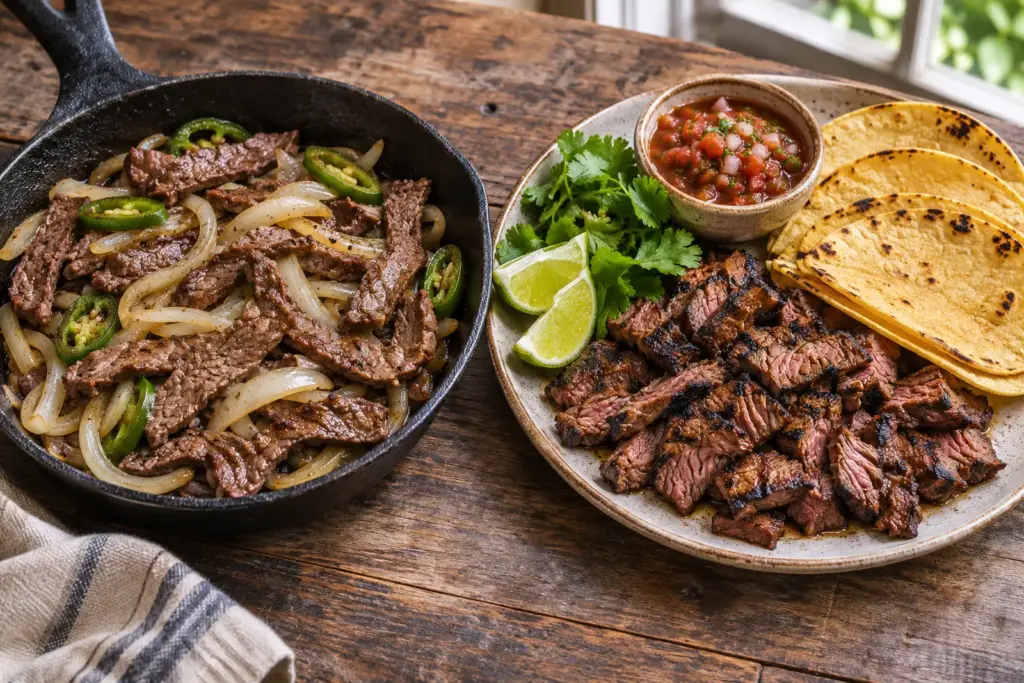
Cooks mix up plenty of look-alike foods, and you can easily confuse bistec and asada because both are beef and both end up in tortillas. "Bistec" names a thin steak, and every dish built on it (bistec encebollado, bistec a la mexicana, bistec de palomilla) is that steak cooked quickly in a pan. "Carne asada" means grilled meat, so the fire and the marinade define it more than any one cut does.
1. What Is the Difference Between Bistec and Carne Asada?
| Trait | Bistec | Carne Asada |
|---|---|---|
| What the word means | A thin steak sliced or pounded for quick cooking | "Grilled meat," almost always beef |
| Usual cuts | Top round, top sirloin, cube steak (tenderized round or sirloin); skirt also works | Skirt (arrachera in Mexico) and flank; sirloin, chuck and strip are also used in Mexico |
- It comes as paper-thin sheets or strips about ½ inch by 2 inches.
- It is seasoned quickly with cumin, lime, garlic, Maggi seasoning and black pepper; palomilla marinates 1 hour to overnight.
- It is cut up to about ½ inch thick, grilled whole, then sliced or chopped.
- It is seasoned with citrus, garlic, chiles and cilantro for several hours, or just good salt.
- Bistec cooks in a skillet or on a griddle, and the strips are often finished in onions or a tomato-chile sauce.
- Carne asada cooks on a charcoal, wood or gas grill, and a grill pan or flat-top works indoors.
You serve bistec smothered in onions or sauce, with rice, beans and tortillas. You chop carne asada into tacos, burritos, quesadillas and tostadas.
Bistec and carne asada do two different jobs. When you make bistec, you buy and cut a lean piece of beef so that it cooks tender in minutes. When you make carne asada, you grill a cut with enough beefy flavor to stand up to smoke and acid.
How Do You Read the Two Words on a Menu?
Read the second half of the dish name for the cooking method:
- Bistec encebollado is thin steak cooked with sliced onions, and it is usually the milder, softer dish.
- Bistec a la mexicana is thin steak simmered with tomato, onion and serrano or jalapeño, so it comes with a sauce.
- Carne asada is grilled, sliced steak with a charred edge, and north of the border many taquerias chop it on a flat-top, the way cheesesteak meat is cooked.
2. Which Cuts of Beef Do They Use?
The cut is where the confusion starts, because bistec is not one cut. The Cuban version, bistec de palomilla, is top sirloin sliced paper thin, not flank steak as many pages say. Home cooks making bistec encebollado most often buy cube steak, which is round or sirloin that has already been tenderized, and skirt works too.
- Top round, top sirloin or cube steak
- Sliced thin or pounded thin
- Lean, so it cooks in minutes and dries out if it sits
- Skirt (arrachera) or flank, the traditional cuts
- Roughly ½ inch thick or less, grilled whole
- Long-fibered and beefy, so it needs a marinade and slicing across the grain
Thin slicing is what lets you use a lean cut like round in a bistec. If you cut it into strips or pound it, you shorten the muscle fibers, so the meat chews easily even though it is only in the pan for a few minutes. Top sirloin is leaner and more tender than flank steak, which is why it is the classic pick for palomilla.
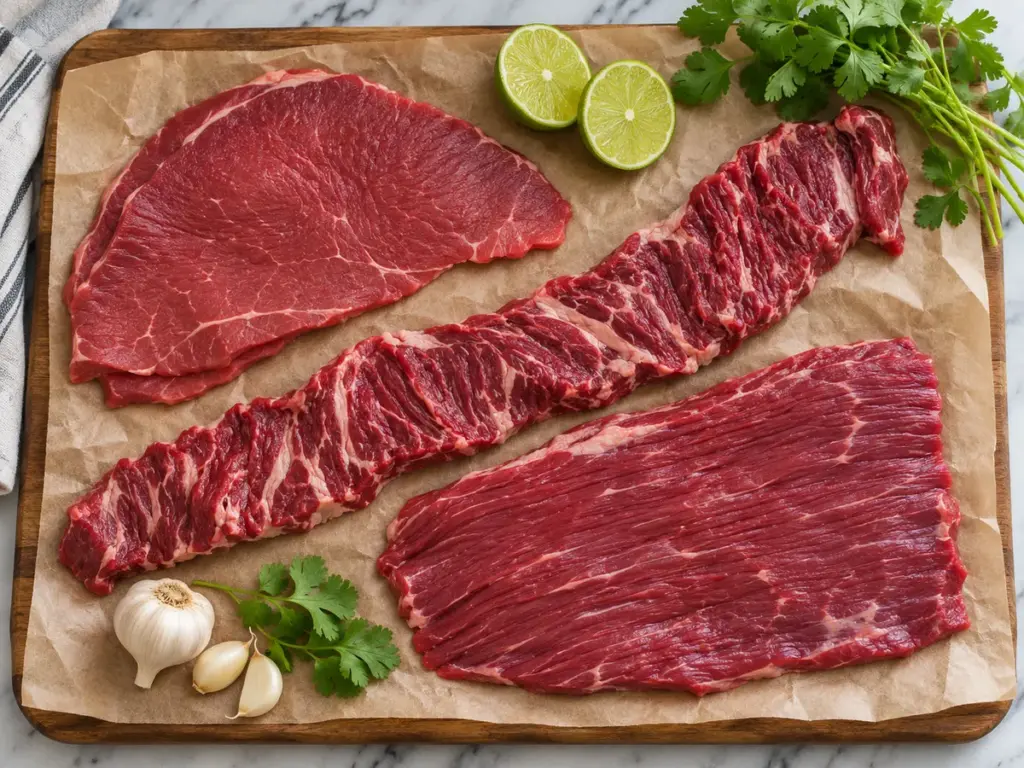
For carne asada, chef Rick Martínez points out that meat sold for grilling in Mexico is typically half an inch thick or thinner, and that almost any thinly cut beef can be used, including short ribs, ribeye and chuck steak.
Skirt and flank remain the traditional picks because their long fibers soak up marinade and take a hard sear. Hanger steak, a close neighbor of skirt, grills the same way, and a hanger or skirt steak from the butcher counter is fine for either dish.
3. How Is Each One Cooked?
You cook bistec on the stovetop and carne asada over a fire. A bistec encebollado, for example, takes you about 17 minutes from start to table in one popular recipe:
- Season the beef. Toss 1 pound of thin strips with cumin, lime juice, pepper and a splash of Maggi seasoning.
- Sear the beef. Cook it in oil in a large skillet for about 4 to 5 minutes, then move it to a plate.
- Soften the onions. Cook sliced onions and diced jalapeño in the same pan for about 5 minutes, until translucent.
- Combine. Add garlic, return the beef and its juices, and cook about 2 more minutes.
Palomilla is faster still, because you fry the steak about 1 minute per side and then cook the marinade and onions down over it. Bistec a la mexicana takes longer because you finish the beef in a roughly 15-minute simmer in blended tomato and chile.
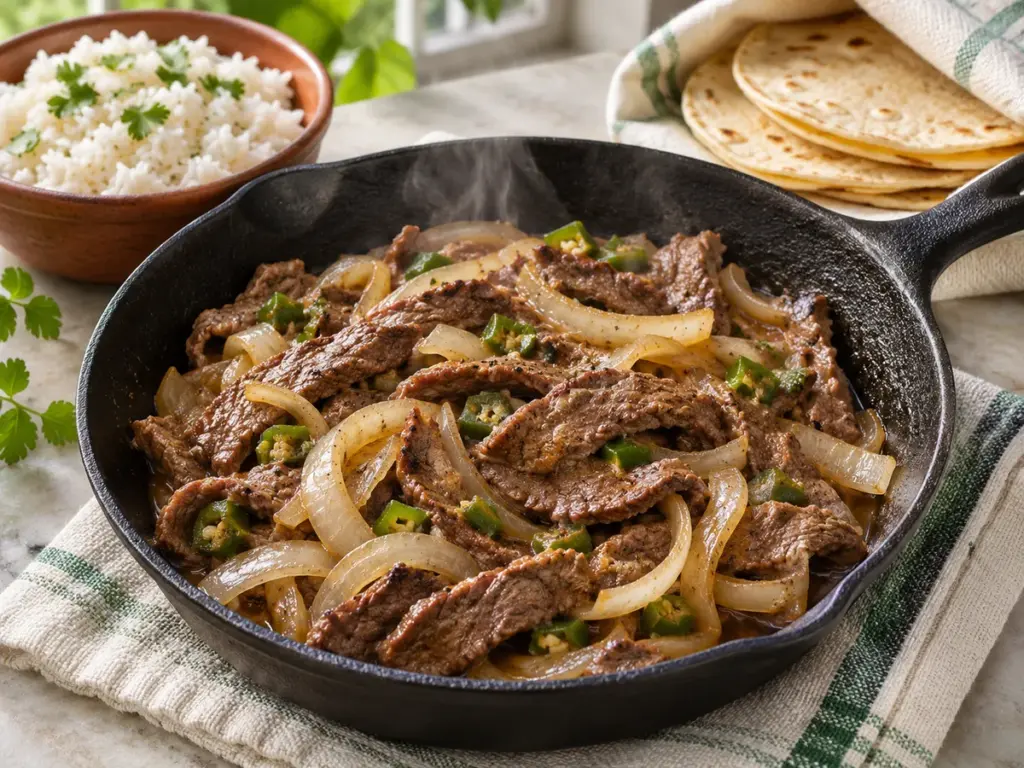
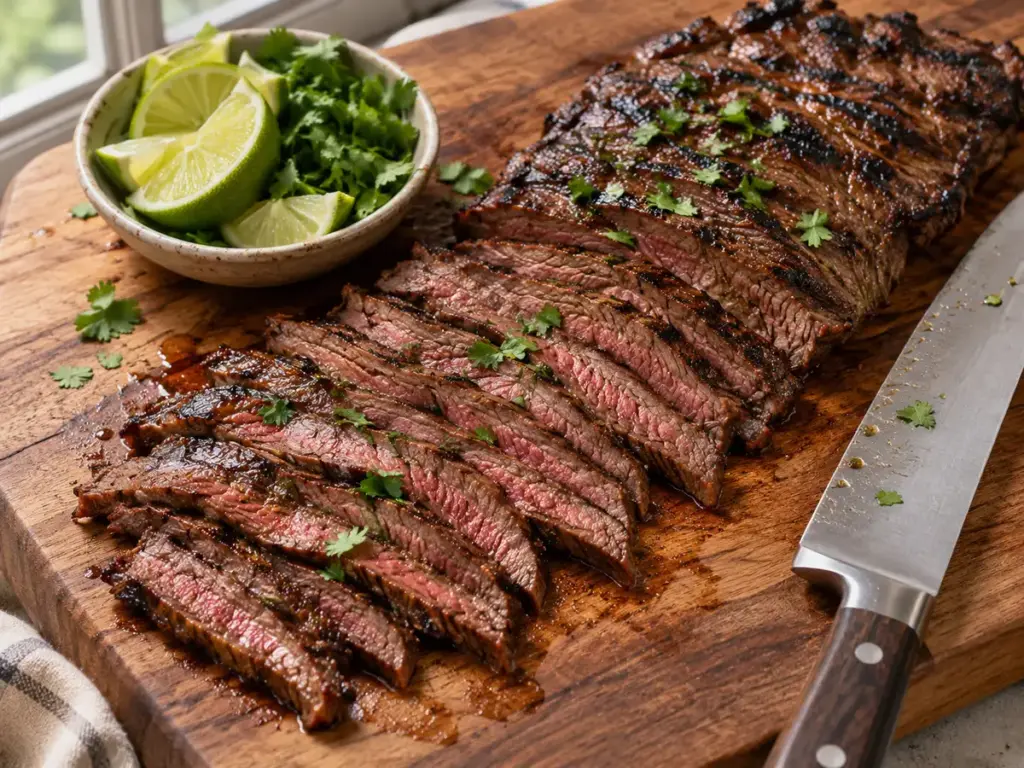
Carne asada starts with a hot grill. Charcoal or wood gives you the smokiest flavor, a gas grill works but is less smoky, and a grill pan or flat-top works indoors. You put the steak on salted and patted dry, then let it rest about 10 minutes before you slice it against the grain into taco-size pieces.
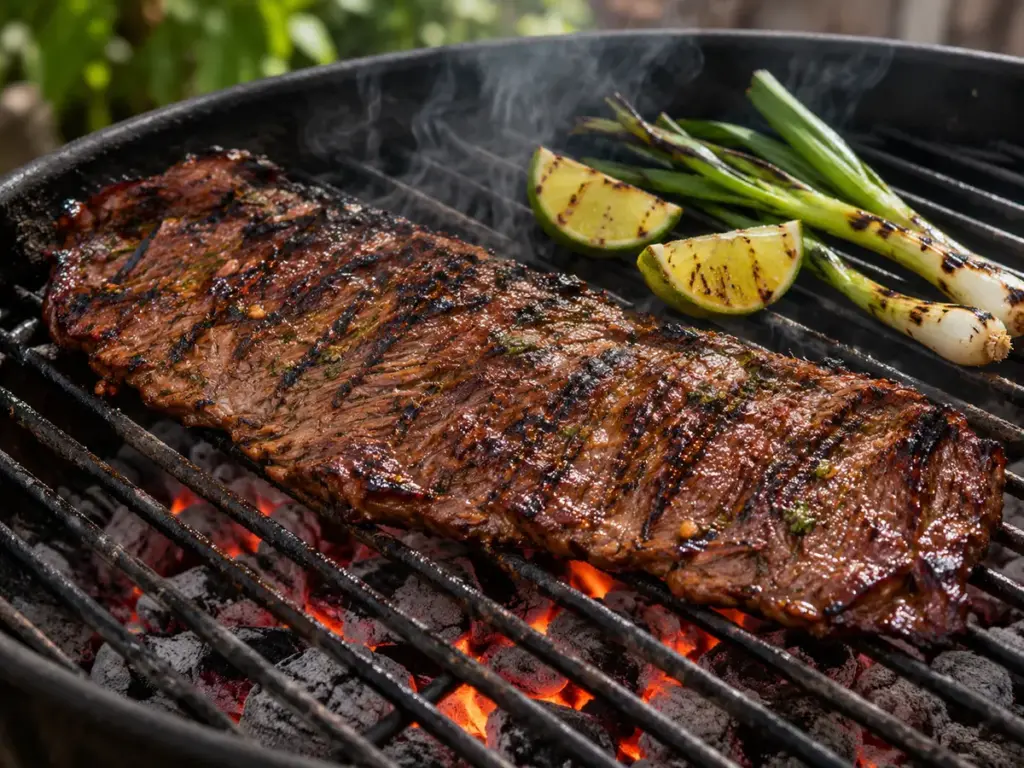
The rest matters more for asada than for bistec, because a whole piece of skirt or flank loses its juices on the cutting board if you slice it straight off the grill.
4. How Do the Marinades and Flavors Compare?
Bistec tastes of whatever you cook it in: sweet onion, garlic, lime and cumin, or a tomato-chile sauce. Carne asada tastes of smoke first, with lime, orange, garlic, chile and cilantro behind it. Some cooks keep it even simpler, because Food Network's primer says good salt is nearly all carne asada needs.
Most home versions of the two share a small group of ingredients, used differently:
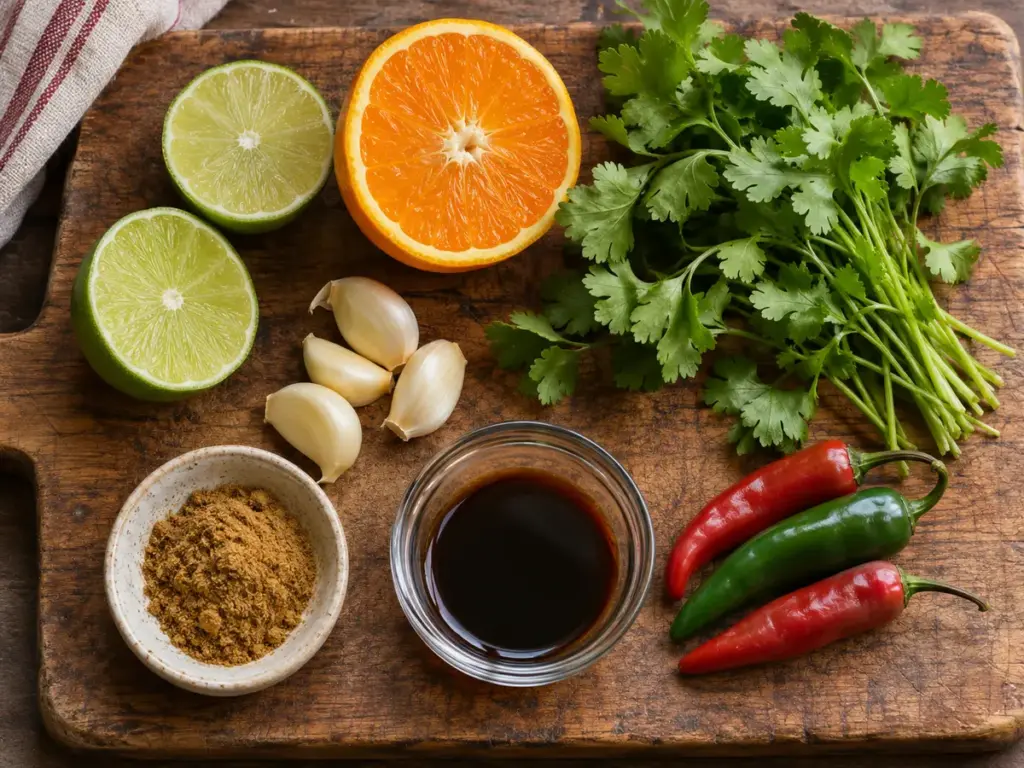
- Lime and garlic carry palomilla, where 10 cloves and the juice of two limes season 3 pounds of steak.
- Cumin and Maggi seasoning go on bistec encebollado, and you can use equal parts dark soy sauce and Worcestershire sauce in place of Maggi.
- Citrus, chiles and cilantro make up a typical carne asada marinade, and Nicaraguan skirt steak uses Seville orange juice and onions.
That range fits the two dishes. A palomilla steak needs 1 hour to overnight, while you can give a tough, long-fibered skirt steak the longer end.
5. How Are They Served?
Bistec comes smothered, and your plate usually includes warm corn tortillas, refried beans, rice, salsa, or black beans over rice for the Cuban version. Tomato-based Mexican rice soaks up the sauce well if you make bistec a la mexicana.
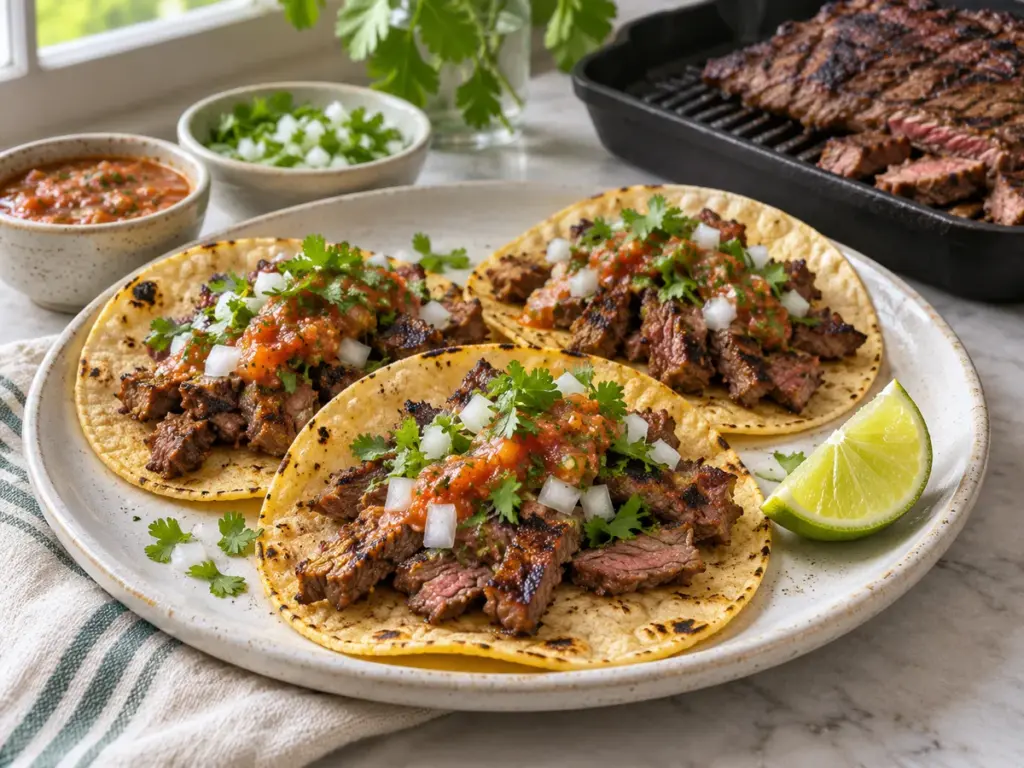
You'll find carne asada in tacos, burritos, quesadillas and tostadas with salsa, grilled onions, guacamole, lime and cilantro, and northern Mexico favors flour tortillas. Argentine, Uruguayan and Nicaraguan styles serve the steak whole with chimichurri, and Mexican-style beef is sliced or chopped. Grilled green onions, refried beans and rice are the usual plate partners, and if you are hosting a backyard cookout, more sides for carne asada fit the menu.
6. Can You Use Bistec Instead of Carne Asada?
You can swap them in one direction without trouble. Skirt or flank steak, sliced thin across the grain into strips about ½ inch by 2 inches, works in any bistec recipe, and Mama Maggie's bistec encebollado lists skirt among its cuts. Chopped carne asada also reheats well in a skillet with onions.
The other direction is harder. If you put lean top round or cube steak on a hot grill, it goes from raw to dry within a couple of minutes and can fall through the grates, so cook it in a skillet or on a flat-top instead. If a recipe calls for skirt and the market is out, flank and other skirt steak stand-ins keep the grilling method intact.
7. Which Should You Cook?
Pick by the equipment you have and the meal you are making:
- Weeknight with no grill: bistec encebollado takes about 17 minutes in one pan, and cube steak is the cut most recipes expect.
- Taco night for a crowd: you'd make carne asada, grilling the skirt or flank whole, resting it, and chopping it so everyone builds their own tacos.
- A saucy dinner over rice: you'd make bistec a la mexicana, which takes about an hour in total and makes its own tomato-chile sauce.
- Smoky char with a lean cut: you'd choose carne asada from skirt, flank or sirloin, because a skillet will not give you that flavor.
When you shop, ask the butcher for arrachera or skirt steak for asada, and for top sirloin or round sliced thin (or cube steak) for bistec. You want the asada steak at an even ½ inch or less so it cooks evenly, and the bistec thin enough to cook through in a minute or two per side.
Sources
- Food Network: What Is Carne Asada? (origin, cuts, grilling, serving)
- Tasting Table: The Ideal Cut of Beef for Carne Asada (chef Rick Martínez, half-inch rule)
- In Mama Maggie's Kitchen: Bistec Encebollado (cuts, seasoning, timing)
- Mexican Food Journal: Bistec a la Mexicana (cut size, sauce, timing)
- My Big Fat Cuban Family: Bistec de Palomilla (top sirloin, marinade, timing)
- University of Illinois Extension: Marinating (refrigeration, marinade times, reuse)
- USDA FoodSafety.gov: Safe Minimum Internal Temperature Chart (145°F plus 3-minute rest for steaks)

Food writer at GustoMeadow. Writes ingredient substitutes, food comparisons, taste guides and storage guides for home cooks.
Storage and food-safety numbers follow USDA, FDA and university extension guidance.



