
Summary of key points
The main difference between these two sugars is their processing method. While both come from sugarcane, brown sugar is less refined and retains some of its natural molasses.
This gives it a slightly caramel-like flavor and a darker color. Cane sugar, on the other hand, is more processed and has a lighter color and texture.
In terms of usage, brown sugar is often used in recipes that require a deeper flavor and moisture, while cane sugar is more versatile and can be used for both cooking and baking. Nutritionally, there isn't a significant difference between the two sugars, but some may prefer the taste of one over the other.
Ever stood in the sugar aisle, scratching your head?
Today, we tackle two sweet giants: brown sugar and cane sugar.
Sugar isn't just sugar. Surprised? We were too.
Brown sugar, that moist hero, often steals the spotlight in cookies. Cane sugar, its granulated cousin, keeps coffee from tasting like dirt.
We've all had baking disasters. One swap, and poof, cookie catastrophe.
Understanding these sweeteners makes us kitchen wizards.
This isn't about winning a sugar debate.
It's about knowing your sugars. Because, my friends, knowledge is delicious.
What is Brown Sugar?
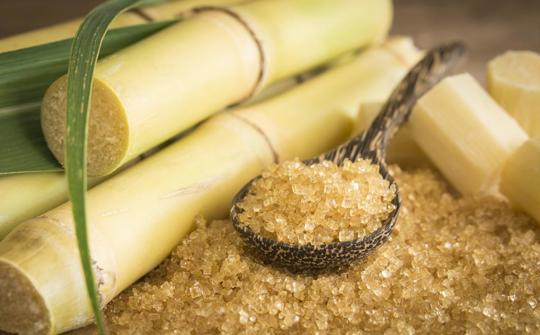
Brown sugar: a type of sugar with a rich, caramel-like flavor and moist texture.
It's made from either sugar cane or sugar beets, and the molasses content gives it its unique color and taste.
It's used in recipes such as baked goods, marinades, and sauces to add sweetness and flavor.
It also helps dishes become more tender.
Plus, it's often used in beauty products for its exfoliating properties.
There are two main types of brown sugar: light and dark.
Light has a milder flavor, while dark has a stronger molasses taste.
Both can be used interchangeably in recipes.
While brown sugar is often considered healthier than white sugar, it still has the same amount of calories and carbohydrates.
It does, however, contain minerals like calcium, potassium, iron, and magnesium due to the presence of molasses.
Remember to consume both white and brown sugars in moderation for a balanced diet.
What is Cane Sugar?
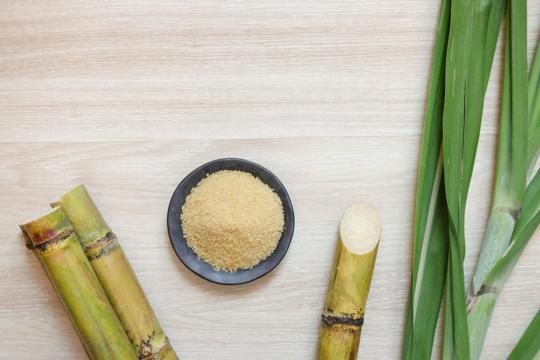
Cane sugar is derived from sugarcane plants.
It is made by extracting the juice and processing it to remove impurities and evaporate the water.
This forms cane sugar crystals, which are then further refined.
Cane sugar has a unique taste and color.
It has a caramel-like flavor and a golden-brown hue due to natural molasses.
Plus, it contains some nutrients not found in white sugar - like calcium, iron, and potassium.
Cane sugar also has advantages for baking and cooking.
It has more moisture than white sugar, resulting in softer textures and better moisture retention.
This makes it great for recipes like cookies, cakes, and brownies.
Cane sugar offers a unique flavor and extra nutrients.
So, next time you need sweetening options, give it a try.
Differences Between Brown Sugar and Cane Sugar

Brown sugar and cane sugar are not the same.
Brown sugar is made by adding molasses to white sugar, giving it a special flavor and texture.
Cane sugar comes from sugarcane and can be both white or brown.
Brown sugar has a hint of caramel because of its molasses content, while cane sugar is more neutral.
Plus, it has more moisture than cane sugar.
So when baking or adding sugar to your coffee, think about these differences.
They'll help you get the perfect taste and texture in your treats.
Source and Production
To figure out the contrast between brown sugar and cane sugar, it's important to investigate their source and production methods.
Brown sugar is mostly derived from either sugarcane or sugar beets.
This process includes taking the juice from these plants, then purifying and clarifying it.
Afterwards, the syrup evaporates until crystals form.
These are then washed, dried and crushed to make light brown brown sugar.
Cane sugar, on the other hand, is extracted just from sugarcane plants.
This entails gathering ripe sugarcane stalks that are crushed to extract juice.
This juice is filtered, clarified and evaporated to create raw sugar crystals.
The raw sugar is further refined through processes like crystallization and centrifugation to get rid of impurities and make white granulated cane sugar.
It is good to know that both brown sugar and cane sugar provide unique flavors and characteristics to various recipes.
Brown sugar has a richer flavor with molasses undertones because of its minimal processing.
On the other hand, cane sugar supplies a cleaner sweetness without any added flavor notes.
Therefore, the selection between these sugars depends on one's preference or recipe requirements.
Color and Texture
Brown sugar and cane sugar have distinct characteristics.
Brown sugar has a deep hue from light golden to dark brown, plus it's moist and sticky with bigger granules.
Cane sugar is white, with a fine texture that dissolves easily.
In baking, brown sugar adds depth and flavor due to its molasses content.
Plus, it gives a chewier texture.
Cane sugar is great for recipes where looks matter, and its fine texture makes a lighter product.
For drinks, brown sugar brings a warm flavor to strong brews or hot beverages.
Cane sugar adds sweetness without overpowering the drink's natural essence, and it dissolves quickly.
Each sugar offers something unique.
Consider color and texture when choosing the right sweetening agent for your dish.
Let your palate be spoiled by these sweet crystals.
Flavor and Aroma
Flavor and aroma are important in distinguishing brown sugar from cane sugar.
Brown sugar is richer, with notes of caramel, toffee, and molasses.
In comparison, cane sugar has a cleaner taste, without the unique undertones.
These flavors make each type of sugar suitable for different uses.
Brown sugar adds warmth and complexity to baked goods like cookies and cakes, and its molasses content caramelizes during baking, improving the overall experience.
Cane sugar's milder taste makes it ideal for light and delicate pastries.
Brown sugar harmonizes well with coffee or tea, creating a comforting drink.
Its richer taste goes with the boldness of these beverages, while providing sweetness.
Cane sugar's lighter flavor sweetens drinks like fruit juices and lemonades without overpowering them.
Brown sugar's moisture content contributes to its aroma.
The stickiness releases scents as it interacts with ingredients during cooking.
This aromatic quality can improve dishes like cinnamon rolls or glazes.
Flavor and aroma are key in distinguishing brown sugar from cane sugar.
Each type brings its own character to dishs.
Nutritional Content
Brown sugar and cane sugar are both sweeteners, but they differ nutritionally.
Brown sugar is made from white sugar and molasses, which gives it a darker hue and richer flavor.
It also has more minerals like calcium, iron, and potassium than white sugar.
Calorie-wise, both sugars provide the same amount - 16 calories and 4g of carbs per teaspoon.
Brown sugar is moister, which could alter baking recipes.
The difference between the two sugars' nutrients is minor.
Both should be eaten in moderation as part of a balanced diet.
Portion control is more important than deciding between brown or white sugar.
Make sure to prioritize whole foods and limit added sugar consumption for the best results.
Uses in Baking and Cooking
Brown sugar and cane sugar are popular sweeteners in baking and cooking.
Brown sugar adds a deep, caramel flavor to cookies and sauces.
Cane sugar is better for recipes needing subtler sweetness, like custards and beverages.
These sugars also affect texture.
Brown sugar, with its higher moisture, yields soft and chewy treats.
Cane sugar gives desserts like meringues or soufflés a light, airy texture.
Cooking also benefits from these sugars.
Brown sugar glazes ham or carrots with delicious caramel.
Its molasses content makes barbecue sauces and marinades yummy.
Cane sugar offsets acidity and spiciness in savory dishes like stir-fries and salad dressings.
Similarities Between Brown Sugar and Cane Sugar
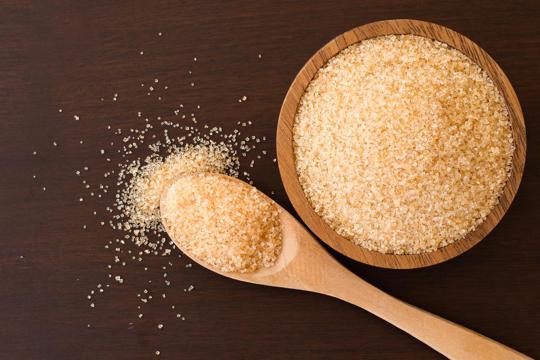
Brown sugar and cane sugar have many resemblances.
Both originate from the sugarcane plant, making them natural sweeteners.
They possess a similar flavor, with caramel notes for added flavor.
Also, both can replace each other in recipes.
More so, they are both sucrose-based sweeteners.
This means they contain glucose and fructose.
This chemical similarity gives them equal levels of sweetness.
Nutrition-wise, they are quite alike.
Both provide calories but no real nutrition.
They have some trace minerals, like iron, calcium, potassium, and magnesium, but in tiny amounts which don't matter much.
In cooking, both can be used in pastries, desserts, beverages, and savory dishes.
This makes them versatile in the kitchen.
Plus, they satisfy those with a sweet tooth.
To sum up, brown and cane sugar have similar origins.
They also share the same taste and sweetness.
Nutrition-wise, they are not great, but they are good for adding flavor.
So, brown sugar or cane sugar, either will be sweet enough for your next dish.
Substituting Brown Sugar for Cane Sugar and Vice Versa
When swapping brown sugar for cane sugar, or vice versa, there are a few things to contemplate.
Brown sugar is made from refined white sugar with molasses added in - this gives it a sticky texture and caramel-like flavour.
On the other hand, cane sugar is from sugarcane juice and has a lighter color and milder taste.
The texture difference can affect the recipe's outcome.
Brown sugar's moisture content makes treats softer and chewier.
If you use cane sugar instead, your goodies may not be as moist and may be less rich.
Taste-wise, brown sugar offers a deeper flavor due to the molasses.
It gives cookies or BBQ sauce a distinct caramel note.
Cane sugar, on the other hand, has a more delicate sweetness that's suitable for light desserts or drinks.
Color is another factor to consider.
Brown sugar darkens baked goods or sauces due to the molasses.
Keep in mind that substituting one sugar for the other won't give you the exact same result.
The choice between brown or cane sugar depends on what you're trying to achieve - taste and texture-wise.
So, if you find yourself out of one type of sugar, feel free to try its counterpart - but remember that your dish may be different.
Flavor and Usage Differences: Brown Sugar vs Cane Sugar
Brown and cane sugars differ in production and nutrient makeup.
Brown sugar is made by adding molasses to white sugar.
This gives it a higher moisture level and a darker hue.
Cane sugar is directly from sugarcane juice. It has less processing.
Brown sugar has more minerals due to the presence of molasses.
This makes them good for different culinary uses, such as baking.
Brown sugar adds moisture and makes softer results than cane sugar.
Both can be used similarly with little effect on flavor or texture.
It is up to personal preference and cooking needs which one to use.
Frequently Asked Questions
The main difference between these two sugars is their processing method. They share some similarities but each has qualities that make it better suited for certain recipes.
Often, yes. The two share enough common ground that most palates won't notice a swap.
Brown Sugar is usually milder while Cane Sugar brings more intensity.
Nutritional differences exist but are often minor in typical serving sizes. Neither is universally healthier - it depends on what specific nutrients or dietary goals you are focused on.
Which stores better after opening?
Once opened, one keeps better in the refrigerator with proper sealing.
The other may oxidize or separate more quickly, so using it promptly or in smaller quantities works better.