
Summary of key points
The main difference between cream cheese and peanut butter lies in their ingredients and texture. Cream cheese is made from milk, cream, and lactic acid bacteria, giving it a tangy flavor and smooth, spreadable consistency.
Both can add richness and flavor to different dishes, so it ultimately comes down to what you're craving - and the extract vs flavor comparison guide helps clarify when to use concentrated extracts versus general flavoring.
Try out different recipes with each ingredient to find your favorite way to enjoy them. Whether you're in the mood for a sweet or savory treat, cream cheese and peanut butter have got you covered.
Cream Cheese vs. Peanut Butter. This is the showdown of the century, folks.
Standing in the kitchen, a bagel in one hand, indecision in the heart. Why?
Because we're torn between the creamy allure of cream cheese and the rich, nutty charm of peanut butter.
Now, here's the lowdown. Cream cheese is the smooth, mild-tasting spread that dreams are made of.
It's like the comfort blanket of breakfast foods.
T4Peanut butter, on the other hand, is the strong, slightly salty spread that can energize even the gloomiest mornings.
We've battled this dilemma on countless mornings. Personal confession: I've even tried both on the same bagel.
Revolutionary? Maybe.
Tasty? Absolutely.
What sets them apart isn't just flavor; it's vibe. Cream cheese whispers luxury.
Peanut butter yells adventure.
The choice? It's up to us. And it's a tough one.
What is Cream Cheese?

It's creamy and tangy - similar to the whipped topping vs whipped cream comparison that breaks down texture and flavor differences.
This dairy product is made from milk and cream. It originated in the US.
Its versatility makes it great for sweet and savory dishes.
This cheese's key factor? Its rich, silky consistency.
It has a high fat content, ranging from 33-55%.
This gives it a luxurious mouthfeel.
Plus, its mild flavor blends with other ingredients without overpowering them.
Cream cheese also offers nutritional benefits.
It has calories and fat, but it also offers protein.
Plus, it has vitamins like A and calcium, which are good for bones and teeth.
Enjoy cream cheese, but remember to do so in moderation.
Cream cheese is smooth, versatile, and creamy.
Spread it on your morning bagel, or add it to a dessert.
Your palate will thank you for the velvety goodness.
What is Peanut Butter?
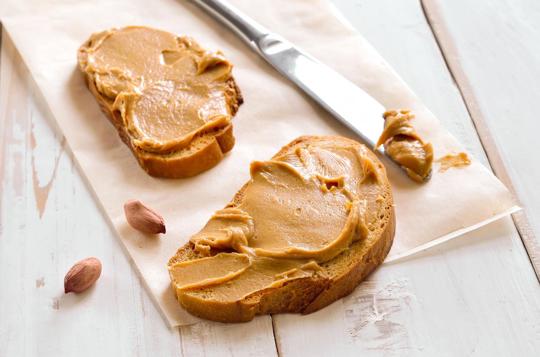
Peanut butter: creamy, nutty and yum. It's a staple in many households.
Its flavor is used in both sweet and savory dishes.
Toast, sauces, dressings - it adds a satisfying taste to any meal.
What makes it so great? Its smooth texture.
The peanuts are ground into a paste, for easy spreading.
Perfect for sandwiches or dips. It's not just tasty, it's nutritious too.
Packed with healthy fats, protein and fiber.
Plus, vitamins E and B6, magnesium, potassium - the list goes on. It's good for you too.
Studies show moderate amounts can help reduce the risk of heart disease and type 2 diabetes.
It's also great for weight management.
Plus, there are endless varieties to choose from.
Crunchy, flavored, chocolate, honey - it's up to you.
All in all, its versatility, nutrition, and deliciousness make it a hit with kids and adults.
Spread it, whip it up in recipes - peanut butter adds an extra burst of flavor to any dish.
For an oil-based take on peanut flavor profiles, the peanut oil vs sesame oil comparison explains how each oil alters taste and cooking performance.
Differences Between Cream Cheese and Peanut Butter
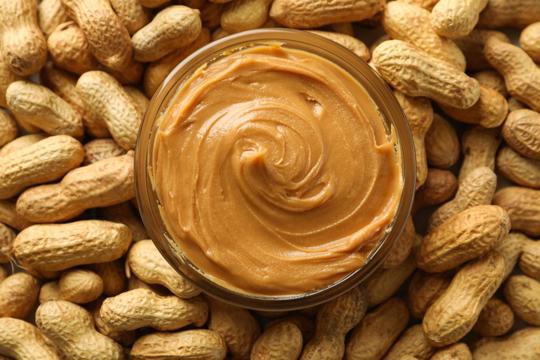
But they are different - much like the distinctions outlined in the buttercream vs cream cheese frosting comparison that highlights texture and ingredient contrasts.
Ingredients and Source
Cream cheese and peanut butter are both popular spreads.
But, their ingredients and source differ.
Cream cheese is made from milk. Peanut butter is made from roasted peanuts.
Cream cheese comes from dairy. Peanut butter comes from the legume, peanuts.
Both spreads have their own unique flavour and texture.
Cream cheese adds a rich and smooth taste to cheesecakes and bagels.
Peanut butter gives sandwiches and baked goods a nutty and creamy flavour.
Whether you prefer cream cheese's tanginess or peanut butter's nuttiness, both can improve your dishs.
Texture and Consistency
Texture and consistency are two important factors when it comes to food.
Cream cheese and peanut butter differ in this regard.
Cream cheese is well-known for its smoothness - see creamy texture recipe ideas for examples of how texture transforms spreads and dips.
Milk, cream, and lactic acid bacteria are blended to create this creamy texture.
It spreads easily, allowing for even coverage. Peanut butter has a unique texture.
Ground peanuts give it a slightly grainy feel which adds to its flavor.
This nutty spread has a crunchy texture that can improve any snack or meal.
Both cream cheese and peanut butter have their own distinct textures and consistencies.
Enjoy the luxurious smoothness of cream cheese or the hearty crunch of peanut butter - your palate will thank you.
flavor
Cream cheese and peanut butter differ in flavor. Cream cheese has a creamy, tangy, salty taste.
Peanut butter has a rich and nutty flavor. These unique qualities make them useful for various recipes.
Cream cheese adds zing to both savory and sweet dishes.
It's great on bagels or toast for a smooth bite.
Also, it's versatile in baking-adds richness to cheesecakes and velvety texture to frostings.
Peanut butter brings its own flavor-nutty essence.
A spoonful sparks childhood memories.
Enjoy it on sandwiches and use it in cookies or sauces.
It adds strong flavor to any dish.
What sets these spreads apart is their flavor.
Cream cheese brings tanginess and saltiness.
Peanut butter comes from roasted peanuts and has depth.
Knowing their unique attributes lets us enjoy them according to our preferences and culinary needs.
Nutritional Content
Cream cheese and peanut butter: Notable differences exist in terms of nutrition.
Cream cheese has fewer calories, fat and protein.
However, peanut butter contains more fiber and minerals like magnesium and potassium.
Cream cheese is creamy and mild-flavored.
It has around 50-80 calories per tablespoon.
Peanut butter is richer-tasting and nuttier-smelling.
It has 90-100 calories per tablespoon, plus more fat and protein.
Cream cheese has fewer calories and fat, but peanut butter has more fiber.
It promotes healthy digestion and can make one feel full.
Plus, it has minerals like magnesium and potassium that support muscle and nerve function.
In conclusion: Cream cheese and peanut butter have their own flavors and uses.
They cater to different tastes and diets.
For a different umami-packed, nutrient-dense option to experiment with, the nutritional yeast taste guide describes its flavor and how it can be used in savory spreads and toppings.
Similarities Between Cream Cheese and Peanut Butter
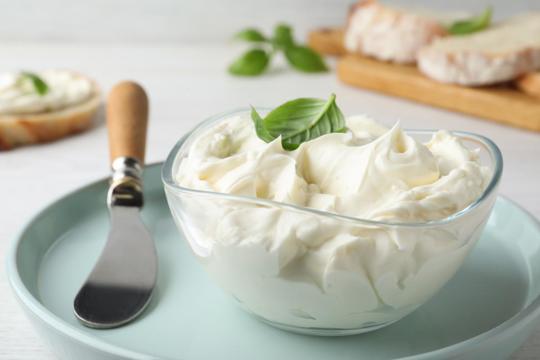
Cream cheese and peanut butter are two different spreads, but they have some things in common too.
They are both creamy and spreadable.
They also have similar textures that melt in your mouth.
Plus, they are both flexible ingredients.
You can use them in sandwiches and desserts.
They differ in flavor and origin, these similarities make them popular choices to add flavor to dishes.
Both spreads play structural roles in recipes, similar to how leavening agents function - the cream of tartar vs baking powder comparison explains which leavening works best in different baking contexts.
Uses and Culinary Applications
There are various uses for cream cheese and peanut butter.
Cream cheese is often found in desserts, dips, and spreads.
Peanut butter, however, is great for sandwiches, baked goods, and even some savoury dishes.
Cream cheese has a creamy and tangy taste, making it ideal for cheesecakes, frostings, and mousses.
It's also great in dips, like spinach or buffalo chicken.
Plus, herbs and spices turn it into tasty spreads.
Peanut butter is nutty and sweet.
Its smooth texture makes it a hit on bread or in cookies and brownies.
It can also be used in satay sauce or as an ingredient in marinades.
These two ingredients work wonderfully together.
Cream cheese and peanut butter cookies, peanut butter cheesecake bars - the possibilities are endless.
Best Uses for Cream Cheese and Peanut Butter
Given the nutritional differences between cream cheese and peanut butter, it is up to someone to decide which is better for them based on their dietary choices.
In general, though peanut butter may have more protein per serving than cream cheese, it also has a higher calorie count.
Cream cheese may offer more calcium but also contains more saturated fat than peanut butter.
It's important to remember that while one food might be healthier for you than another, adding too much of either can still lead to unhealthy weight gain as part of an overall diet that is not balanced with other foods.
Therefore, when we make our decision of which food to use in a recipe or in our day-to-day lives, it is always good practice to consider other factors such as taste, texture and cost - in addition to nutrition facts - before choosing what will become our staple.
Ultimately, there is no right or wrong answer when it comes to choosing either cream cheese or peanut butter when trying to make healthful food decisions; everyone must ultimately make the choice based on personal preferences.
Frequently Asked Questions
The main difference between cream cheese and peanut butter lies in their ingredients and texture. They share some similarities but each has qualities that make it better suited for certain recipes.
Often, yes. The two share enough common ground that most palates won't notice a swap.
Cream Cheese is usually milder while Peanut Butter brings more intensity.
Nutritional differences exist but are often minor in typical serving sizes. Neither is universally healthier - it depends on what specific nutrients or dietary goals you are focused on.
Which stores better after opening?
Once opened, one keeps better in the refrigerator with proper sealing.
The other may oxidize or separate more quickly, so using it promptly or in smaller quantities works better.
For a closer look at texture variations within cream cheese products, consult whipped cream cheese vs regular cream cheese. For how cultured creams compare to whipped textures, see creme fraiche vs whipped cream.