
Summary of key points
The main difference between white chocolate and almond bark lies in the ingredients. White chocolate contains cocoa butter, sugar, milk solids, and vanilla, while almond bark is made up of vegetable fats, sugar, almonds, and sometimes artificial flavors.
This means that white chocolate has a creamier texture and richer flavor, while almond bark is usually slightly sweeter and may have a hint of nuttiness from the almonds. Both can be used for dipping, drizzling, or melting to create delicious treats, so it ultimately comes down to personal preference and what you're using it for.
Experiment with both to see which one you prefer in your holiday baking!
We've been there.
White chocolate, unlike its darker siblings, packs a creamy, sweet punch without a hint of cocoa solids. That's right, it's cocoa butter that sets the stage here.
Almond bark, on the other hand, plays a tricky game. It mimics chocolate's texture but sneaks by without the cocoa.
We've all had that moment, recipe in hand, wondering which one to toss in the cart.
Our kitchen mishaps taught us-the difference matters.
It's not just about sweetness; it's the melt-in-your-mouth quality.
Got a favorite yet? We're all in this together.
What is White Chocolate?

White chocolate is creamy and indulgent. It's made from cocoa butter, sugar, and milk solids.
Its texture is velvety and it has a subtle sweetness.
White chocolate does not have cocoa solids.
This absence gives it an ivory color and rich flavor.
White chocolate is different from other chocolates. It does not include cocoa solids.
The cocoa butter gives it its flavor and color.
Also, white chocolate is sweeter than dark or milk chocolate. It has more sugar.
For those who prefer mild tastes, white chocolate is ideal.
Also, white chocolate melts at a lower temperature than dark or milk chocolate.
This makes it easier to use in recipes requiring melting or tempering.
White chocolate has a smooth and luxurious texture because of its high fat content from the cocoa butter.
It can be melted down for drizzling or dipping.
Some may not consider white chocolate true chocolate due to its lack of cocoa solids.
But, it is still popular. It can be enjoyed on its own or used in recipes.
White chocolate offers a unique flavor experience.
It stands out from other chocolates.
What is Almond Bark?
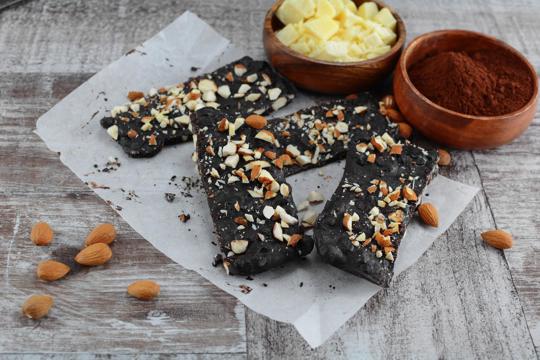
Almond bark is a special confectionery.
It's made from white chocolate and has a smooth, creamy taste.
Plus, it has a sweet, nutty flavor.
This treat is perfect for making decorative shapes or just eating on its own.
What sets almond bark apart? It stays solid at room temperature - unlike other chocolates that melt easily.
Almond bark is different from regular chocolates, too.
It doesn't have cocoa powder, so it's ivory-colored.
It also has ground almonds, which add more flavor and texture.
You can customize almond bark with extracts or oils like vanilla or peppermint.
This opens up so many possibilities.
Almond bark is great for bakers of all levels.
It's delicious, no-melt, and can be flavored in many ways.
So, why not try it in your next dessert?
Differences Between White Chocolate and Almond Bark
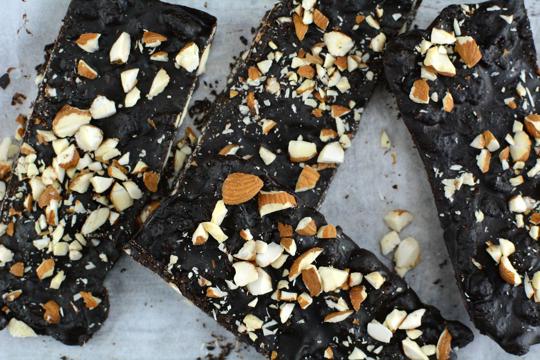
White chocolate and almond bark may look similar, but they differ significantly.
Ingredients and Composition
White chocolate and almond bark may look the same, but they have different ingredients and makeup.
Knowing this can help you to pick the right one for your baking needs.
White chocolate is made of cocoa butter, sugar, and milk solids - no cocoa solids.
This gives it a sweet flavor.
Almond bark is made from vegetable fats, sugar, flavoring, and almonds.
It has a smoother texture and a stronger almond taste.
Both white chocolate and almond bark can be used for dipping or coating.
But their composition affects melting.
White chocolate has a lower melting point due to its cocoa butter content.
This makes it good for making delicate desserts like truffles or ganache.
Almond bark has a higher melting point because of its vegetable fat base.
This helps it keep its shape for decorations or molded candies.
Nutrition-wise, white chocolate has more sugar and calories than almond bark.
The latter contains higher levels of healthy fats from vegetable oils and almonds.
Flavor and Taste Profile
Flavor is key.
White chocolate has a sweet, creamy taste with a hint of vanilla and cream.
Almond bark is a mix of smooth chocolate and subtle nuttiness from the almonds.
Both flavors give many options for dishs.
White chocolate is made from cocoa butter, sugar, and milk solids.
It's smooth and creamy with a delicate sweetness and a vanilla flavor.
It's perfect for desserts like mousses, cakes, truffles, and cookies.
Almond bark is high-quality baking chocolate and chopped or roasted almonds.
The crunchy almonds and smooth chocolate coatings make a great combo.
Use it for almond bark bars or clusters, adding flavor and texture to your treats.
Texture and Melting Point
White chocolate and almond bark are two different types of confections.
Texture and melting point are key distinctions.
White chocolate has a velvety, smooth texture.
Almond bark has a slightly rougher texture because of added almonds.
White chocolate melts more easily.
Almond bark has a higher melting point.
So it's better for coating or dipping without melting.
Ingredients also differentiate the two.
White chocolate has cocoa butter, sugar, milk solids, and vanilla flavoring.
Almond bark has sugar, vegetable oil, almonds, soy lecithin, salt, and artificial flavors.
Both can be used interchangeably for baking, their variations in texture and melting point can impact the results.
Consider these differences when choosing between white chocolate and almond bark for your next recipe.
Common Uses in Baking and Confections
White chocolate and almond bark may look like one, but they have different uses in baking and confections.
White chocolate provides a sweet, creamy flavor to cakes, cookies, and truffles.
It melts easily, perfect for drizzling or coating fruits and pretzels.
Almond bark, on the other hand, is great for making crunchy chocolate coatings.
It's made with vegetable fats instead of cocoa butter, so it gets harder when hardened.
It can be melted and used as a dip or drizzle for homemade treats.
White chocolate and almond bark can both be melted down.
But they differ in their composition and purpose.
White chocolate gives desserts a rich texture.
Almond bark gives candy a crunchy shell.
Knowing these unique characteristics help bakers pick the best option for the desired outcome.
Similarities Between White Chocolate and Almond Bark
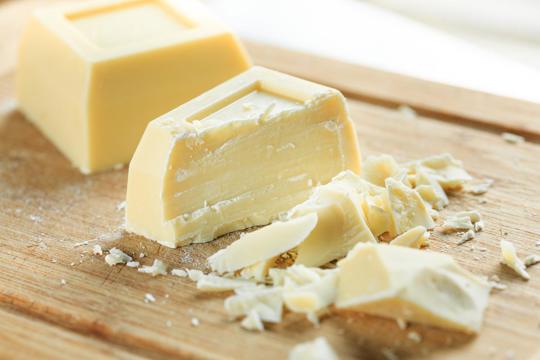
White chocolate and almond bark are two popular confectionery products.
They're often used in baking and candy making.
They have different compositions - cocoa butter for white chocolate, hydrogenated vegetable fats for almond bark.
But, they both provide a creamy texture and sweet taste.
Plus, you can melt them down and coat treats, like strawberries or pretzels.
This makes them versatile for adding flavor and decoration to your favorite desserts.
How to Use White Chocolate and Almond Bark in Recipes
With a few simple tips and tricks, you can create delicious and impressive treats that will have everyone asking for the recipe.
When using white chocolate, be sure to use high-quality chocolate that contains cocoa butter and not vegetable oil.
Melt the chocolate in a double boiler or microwave at 50% power, stirring frequently to prevent overheating.
For almond bark, it's not actual chocolate but a confection made from sugar, vegetable oil, and flavoring.
It's great for adding a crunchy texture to your desserts.
To get the best results, chop the bark into small pieces and melt it using the same methods as white chocolate.
Once melted, you can use it in a variety of recipes such as chocolate covered strawberries, bark candy, or drizzled over popcorn for a sweet and salty snack.
Don't let the thought of using white chocolate and almond bark intimidate you - with these expert tips, you'll be a pro in no time.
When to Use White Chocolate or Almond Bark
After reading this blog post, you're now an expert on the differences between white chocolate and almond bark.
Although some may call them interchangeable, this blog has proven them wrong; from cocoa butter, ingredients and even baking instructions these two are far from alike.
For that special dessert or treat, consider which one will be the best fit.
By switching up the recipes with either of these two ingredients, chances are your recipe along with its flavor may have a nice twist.
Also, when making a selection between both try to break away from the traditional staples to something more experimental for a unique going out of the comfort zone experience.
Who knows what amazing treats could come out of it? Use both as often as you like until you hit the fourth wall.
Such an adventure awaits so don't stop here; keep in searching for delicious yet intriguing recipes with white chocolate and/or almond bark that tempt your palate.
Frequently Asked Questions
The main difference between white chocolate and almond bark lies in the ingredients. They share some similarities but each has qualities that make it better suited for certain recipes.
They can stand in for each other in a pinch. White Chocolate and Almond Bark overlap in some uses, but the flavor or texture will shift.
Adjust quantities to taste.
Shelf life differs based on processing and packaging. One often keeps longer unopened, while the other may need refrigeration or faster use after opening.
Which one is more forgiving in recipes?
One tends to perform more consistently across a range of cooking methods, making it the safer choice when experimenting.
The other delivers stronger results in specific applications.