
Summary of key points
The main difference between sour cream and mayo lies in their ingredients and flavors. Sour cream is made from fermented cream, giving it a tangy, slightly acidic taste.
Mayo, on the other hand, is made from oil, eggs, and vinegar or lemon juice, resulting in a creamy and savory flavor. These differences make each condiment better suited for certain dishes- use sour cream for tangy dips and toppings, and mayo for creamier dressings and spreads.
However, they can often be used interchangeably depending on personal preference. Experiment with both to find your perfect condiment match! #
Ever stood in the kitchen, sour cream in one hand and mayo in the other, utterly bamboozled?
We've been there. T1These two condiments seem to spark a kitchen conundrum.
Sour cream, with its tangy kick, versus mayo, creamy and smooth.
How do we decide? I recall a summer BBQ debacle where the potato salad became a battleground.
My aunt swore by mayo; my cousin, a die-hard sour cream fan.
The stakes were high.
Both bring something unique to the table.
Sour cream, a fermented dairy product, adds zest. Mayo, an emulsion of eggs and oil, contributes silkiness.
Texture, taste, battle lines drawn. Who will emerge victorious in your kitchen showdown?
To dive deeper into how subtle taste components differ, check extract vs flavor breakdown for clarity on concentrated versus overall taste.
What is Sour Cream?

Sour cream is a popular dairy product made from fermented cream.
It has a tangy taste and a creamy texture, making it versatile in many recipes.
This rich and thick condiment adds a unique twist to both sweet and savory dishes.
It's made through fermenting regular cream with lactic acid bacteria.
This process gives it a tart flavor and a smooth texture.
The bacteria consume the lactose in milk, so sour cream has a lower lactose content than regular cream, making it easier to digest for those with lactose intolerance.
Sour cream enhances flavors and provides a creamy, luxurious texture to dishes.
It's often used as a topping for soups, potatoes, tacos, and nachos.
Its acidity helps balance out rich or spicy flavors.
Another great feature of sour cream is its ability to make baked goods moist and tender.
When added to cake batters or bread doughs, it prevents them from drying out while baking.
It also adds richness to frostings and fillings.
Both does sour cream have culinary uses, it also offers nutritional benefits.
It's a good source of calcium and protein, important for healthy bones and muscles.
Plus, it contains vitamins A and D.
For a different take on tart versus sweet flavor profiles, see sour cherry vs sweet cherry comparison to explore how tang balances sweetness in recipes.
What is Mayo (Mayonnaise)?

Mayo, the shorthand for mayonnaise, is a yummy and zesty topping.
It's made with oil, vinegar, lemon juice, and egg yolks that are blended together.
Its smooth texture and scrumptious taste make it a popular choice.
Mayo's special combination of ingredients give it an incomparable flavor.
It'll make your BLT sandwich and potato salad come to life.
With its creaminess and zing, mayo adds an extra something special to any dish.
If exploring milder, fruit-based alternatives appeals, read mayo vs avocado mayo comparison to see which spread suits different dishes.
Differences Between Sour Cream and Mayo
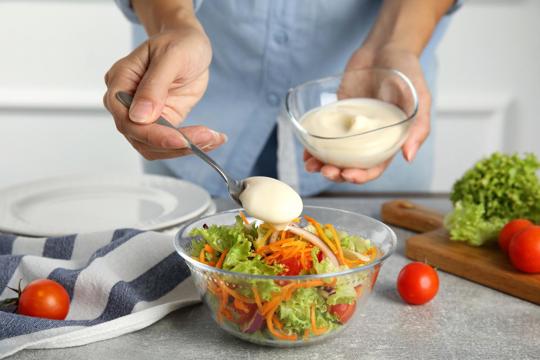
Sour cream and mayo are not just similar - they have differences.
Similar-sounding dishes can hide big differences - for another example of two items with overlapping names but distinct profiles, consult hot and sour soup vs egg drop comparison.
Ingredients Used
Distinguishing between sour cream and mayo? Ingredients make all the difference.
Sour cream is made from fermented cream - giving it a tangy flavor and creamy texture.
Mayo is a blend of oil, eggs and vinegar or lemon juice which makes it smooth and rich.
Sour cream brings a tangy flavor to dishes.
Fermentation adds creaminess and acidity - great for dips, dressings and topping potatoes.
Mayo is known for its creamy texture. It's created by combining oil, eggs and acidity.
A versatile condiment for sauces, spreads and dishes like coleslaw or pasta salad.
Sour cream and mayo have different qualities.
Sour cream is thicker - ideal for recipes needing moisture and density.
Mayo is lighter - ideal for recipes needing smoothness.
Texture and Consistency
Creamy, smooth, and velvety: these are the words that come to mind when talking about sour cream.
This yummy dairy product is known for its pleasing mouthfeel and its ability to give dishes a rich, tangy flavor.
The difference between sour cream and mayo? Sour cream is thicker and heavier, making it perfect for adding depth and richness to recipes.
Its smooth texture means it blends easily into dips, dressings, or even as a topping on potatoes.
Mayo, though creamy, is usually lighter.
This airy, silky consistency makes it great for spreading on sandwiches or using in salads.
It adds a gentle tanginess to food without overpowering other flavors.
These two condiments also differ in terms of ingredients.
Sour cream is made by fermenting heavy cream with lactic acid bacteria cultures, giving it its tangy taste.
Mayo is mainly oil, egg yolks, vinegar or lemon juice, and sometimes mustard.
So, whether you love the thick decadence of sour cream or the lightness of mayo, these condiments can both be used to improve the flavor and texture of various dishes.
The choice is yours - don't be afraid to experiment. You might just find your new favorite.
flavor
Sour cream and mayo, they look alike, but taste different.
Sour cream offers a rich and tangy flavor with a smooth texture.
It's great for dishes like tacos or baked potatoes.
Mayo has a creamy and tangy taste.
It's perfect to make sandwiches and salads even better.
Both give a creamy touch to food, but their unique flavors make them special.
Culinary Uses and Applications
Sour cream and mayo are two popular ingredients used in lots of cooking.
Sour cream adds tanginess and creaminess to toppings, dips, dressings and desserts.
It can also make baked goods like cakes and muffins yummier.
Mayo is great in sandwiches and salads because of its smooth taste.
It also helps make spreads like coleslaw or potato salad creamy.
It's also a good base for sauces and marinades, adding flavor to meats and seafood.
Sour cream has a distinct tang, but mayo gives creaminess without taking over the other flavors.
Sour cream is often used in Mexican and Eastern European dishes.
Mayo is part of American classics like macaroni salad or deviled eggs.
Sour cream and mayo can be used instead of each other in recipes.
However, their consistencies and taste are different.
So, consider these when cooking to make amazing dishes.
Nutritional Comparison of Sour Cream and Mayo
Sour cream and mayo look alike, but they are not the same.
Sour cream is made from fermented cream and has a tangy taste.
Mayo is made from egg yolks and oil and has a creamy flavor.
Sour cream has more calories than mayo.
100 grams of sour cream is 206 calories. The same amount of mayo is 680 calories.
So, if you need to watch your calories, sour cream is the lighter option.
The source of fat also differs between the two.
Sour cream has more saturated fat because it comes from dairy.
Mayo has more unsaturated fat from the vegetable oil.
Sour cream contains more protein than mayo.
So, if you need extra protein, sour cream is the better choice.
Sour cream has calcium and vitamin A from the dairy.
Mayo doesn't have any vitamins or minerals.
For readers curious about how fermentation changes dairy nutrition, consult heavy cream vs sour cream nutrition to compare calories and fat differences from processing.
Similarities Between Sour Cream and Mayo
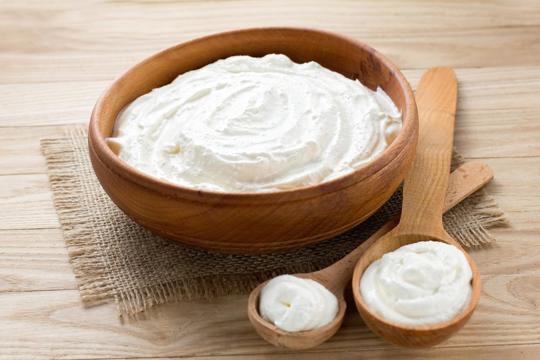
Sour cream and mayo? Similar, yet distinct.
Both creamy and add richness to dishes. But, ingredients and uses are different.
Sour cream comes from fermented cream with lactic acid bacteria.
Tangy flavor, thick consistency.
Enhances texture of dishes and adds a creamy element.
Mayonnaise? An emulsion of oil, egg yolks, and vinegar/lemon juice.
Smooth texture, mild taste. Can be used as dressing or sandwich spread.
Uses of sour cream and mayo differ. Sour cream on tacos/nachos.
Mayo in sandwiches/salads like coleslaw/potato salad. So, similar, yet distinct.
Knowing differences helps choose right ingredient to enhance dishs.
When comparing cultured dairy products, see buttermilk vs sour milk comparison for more on how fermentation shapes texture and tang.
Substituting Sour Cream and Mayo in Recipes
Substituting sour cream and mayo? Consider their differences.
Sour cream is creamy, with a tangy flavor. Mayo is rich and slightly tangy.
Choice depends on desired outcome.
Sour cream adds luscious texture and subtle tartness.
Enhances flavors in baked goods or dressings.
Mayo provides creamy, smooth consistency.
Perfect for binding ingredients in salads or sandwiches.
Reduce fat content? Use Greek yogurt instead of sour cream.
Or use avocado instead of mayo. Offers healthier alternatives without compromising taste.
For an example of how sour and tart profiles substitute in beverages, review gose vs sour comparison to see how acidity changes final taste.
Best Uses for Sour Cream and Mayonnaise
We've examined the differences between sour cream and mayonnaise, and on many levels.
Both can lend flavor, texture, and an unmistakable richness to any recipe.
No matter which one you choose, experimentation can take commonplace dishes from ordinary to extraordinary.
So get creative by swapping out one or the other in your recipes when a unique depth of flavor is desired.
And finally considering all these factors don't forget to consult experts opinions on health nutrition guidance as they further effects your understanding of the effect of ingredients.
The real conclusion should always consider either way both come with their benefits and dangers hence go about things in a mindful manner.
Whipped, aerated toppings differ from richer frostings. whipped topping vs whipped cream differences explains texture and ingredient contrasts. buttercream vs cream cheese frosting comparison compares sweetness and stability for finishing desserts.
Frequently Asked Questions
The main difference between sour cream and mayo lies in their ingredients and flavors. They share some similarities but each has qualities that make it better suited for certain recipes.
It depends on the dish. Sour Cream and Mayo share some overlap, but each shines in different preparations.
Swapping works best in forgiving recipes like soups or stews.
Pricing varies by brand and region, but one is typically more accessible at everyday price points. The other may cost more due to specialization or limited supply.
Is there a best time to use each one?
One shines in applications requiring subtlety and background support.
The other is better when it is meant to be a center.
Matching the right one to its role makes a noticeable difference.