
Summary of key points
The key points in the comparison between Mayo and Avocado Mayo highlight that Avocado Mayo is generally considered a healthier option due to its lower calorie content, lower saturated fat, and absence of cholesterol. It is made with avocado oil, which is rich in monounsaturated fats, considered beneficial for heart health.
However, Avocado Mayo is usually more expensive than regular mayo, with a significant price difference noted.
Do you often find yourself standing in front of the condiment aisle at the store, trying to decide which type of mayo to buy and getting a little perplexed?
Mayo vs avocado mayo - which one should you choose?
Both can seem appealing but they have different benefits.
From comparing nutrition facts, ingredient lists, texture, health effects and more - by the end of this article, you'll be equipped with all the knowledge necessary to select your next jar of condiment!
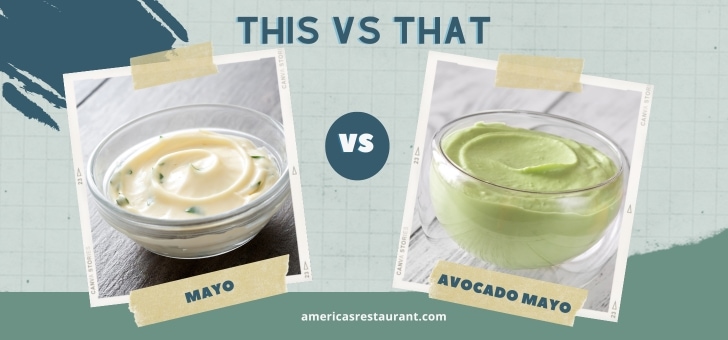
What is Mayo?

Mayo is a condiment that is commonly used in sandwiches or salads.
It is made from oil, egg yolks, vinegar or lemon juice, and seasonings such as salt and sugar.
The mixture is usually emulsified, which means that the oil and water are blended together to form a thick and creamy liquid.
The result is a spreadable sauce that has a tangy, slightly sweet flavor.
Mayo can be found in different varieties, including avocado mayo, regular mayo, or light mayo.
Each variety has its own unique flavor and nutritional benefits.
Regular mayo is often high in calories due to its high fat content.
However, it can be a good source of vitamins E and K.
When discussing mayo, note that what sets it apart from other dressings like Ranch or Thousand Island dressing is the presence of eggs instead of dairy as the base ingredient.
In summary, Mayo comprises oil, egg yolks, vinegar or lemon juice, mustard powder/Dijon mustard seasoning along with salt and sugar as per taste preference.
It contains vitamins E and K and should not be confused with other cream-based dressings like Ranch or Thousand Island dressing.
When lemon is used in dressings or sauces, consider complementary flavors listed in what pairs with lemon in desserts to inspire sweet-savory combos.
What is Avocado Mayo?

Avocado Mayo is a mayonnaise alternative that is made by replacing some or all of the oil in regular mayo with avocado oil.
It is marketed as a healthier option due to its lower calorie and fat content compared to regular mayonnaise - for other avocado-based condiments, see avocado salsa vs guacamole comparison.
As stated earlier, Avocado Mayo is considerably lower in calories and total fat than regular mayo.
It also contains less saturated fat and cholesterol.
Also, avocado oil contains beneficial nutrients such as vitamins E and K, which are not found in traditional mayo.
While avocado mayo offers some health benefits over regular mayo, note that it still should be consumed in moderation.
It is still a high-fat condiment and should be used sparingly.
What are the Differences Between Avocado Mayo and Regular Mayo?

Avocado mayo and regular mayo are two different types of spreads that are commonly used in sandwiches, wraps, and salads.
There are several key differences between these two condiments that can impact their taste, texture, and nutritional value.
One major difference between these two spreads is their main ingredient.
While traditional mayonnaise is made using vegetable oil, avocado mayo is made using avocado oil.
This ingredient swap not only affects the overall taste of the condiment but also changes its nutritional profile.
Another key difference between these two spreads is their texture.
Due to its ingredients, avocado mayo typically has a creamier texture than traditional mayonnaise.
Also, the added sweetness from the avocados gives it a distinct flavor.
In terms of nutritional value, avocado mayo is usually higher in vitamins E and K as well as healthy fats when compared to regular mayonnaise.
However, it also is usually higher in calories due to its fat content.
For a deeper look at how avocado compares to other common ingredients like eggs, see avocado vs egg comparison for nutrients.
1 - Ingredients
To understand the differences between avocado mayo and regular mayo, let's first look at the ingredients used in both.
Traditional mayo typically contains soybean oil while avocado mayo is made with avocado oil.
This difference can have a significant impact on both taste and texture.
In addition to oil type, there are also some differences in other ingredients included in these two types of mayo.
For example, while both contain water and egg products as binders for the emulsion process that creates mayonnaise (i.
Combining oil and water), avocado mayo also includes additional flavors like garlic powder.
Overall though when it comes to ingredients alone Avocado mayo uses more unprocessed components as compared to regular Mayo which contains preservatives like calcium disodium EDTA that prevent it from spoiling.
2 - Nutritional Profile
Avocado mayo and regular mayo differ in their nutritional profile.
Avocado mayo has fewer calories and lower saturated fat content compared to regular mayo.
Also, it has no cholesterol, whereas regular mayonnaise has 5mg of cholesterol per tablespoon.
The nutritional advantage of avocado mayo can be attributed to its main ingredient: avocado.
Avocados are packed with heart-healthy monounsaturated fats that not only promote good cholesterol levels but also helps in maintaining healthy skin and hair.
Also, avocado mayo often uses healthier oils such as olive oil or grapeseed oil rather than canola or soybean oil that are common in regular mayonnaise.
This makes avocado mayo a good alternative for those looking to reduce their intake of unhealthy fats.
For a non-dairy way to add savory depth to dishes that use mayo substitutes, check yeasty wonders tasting guide to learn what nutritional yeast tastes like.
3 - Flavor and Texture
Avocado mayo and regular mayo may have similar uses, but they differ vastly in terms of flavor and texture - for a primer on how flavor differs from aroma, see extract vs flavor differences explained.
Avocado mayo has a unique creamy texture that feels light on the tongue.
It is thick and dense, but it doesn't stick to your mouth like regular mayo does.
The nutty flavor of avocado makes it taste different from regular mayo as it lacks tanginess.
Regular mayo is tangy and slightly sweet at the same time.
It coats your mouth with a smooth texture that leaves a flavor aftertaste for quite some while.
Regular mayo has been used widely as a condiment in various dishes as its taste blends well with many ingredients.
When choosing which one to consume or use for cooking, you should take into account these two prominent textures and flavors that could affect your overall eating experience.
Health Benefits of Avocado Mayo

Avocado Mayo is a healthier alternative to regular mayonnaise as it has numerous health benefits - for a comparison of similar condiments, see sour cream vs mayo comparison for health.
This spread is not only tasty but also provides essential nutrients that are good for your overall well-being.
Avocado Mayo has healthy fats, which help reduce inflammation in the body and can contribute to improving heart health.
Also, it contains fiber, potassium, Vitamin E and C, which can help boost your immune system and improve digestion.
The spread also has fewer calories than regular mayonnaise, making it a great option for those who want to maintain a healthy weight.
Its low-carb content makes it ideal for people following diets such as keto or Paleo.
Also, Avocado Mayo is gluten-free and plant-based, which makes it suitable for vegans or vegetarians who cannot consume dairy-based products.
It is also free from artificial preservatives and chemicals that are found in regular mayonnaise.
In addition to these health benefits, Avocado Mayo is easy to make at home with simple ingredients like avocado, olive oil, lemon juice and garlic.
Homemade Avocado Mayo offers the same great taste while being more nutritious than store-bought options.
How to Use Avocado Mayo and Regular Mayo?

To use avocado mayo and regular mayo, you need to understand their differences.
It all depends on personal preference.
You can use avocado mayo as a healthier alternative to regular mayo in sandwiches, salads, dips or dressings.
It also adds a slight nutty flavor that some people prefer.
If you're looking for a richer taste that matches well with burgers or fries then regular mayo is the way to go.
In general, both types can be used interchangeably depending on your palate or dietary restrictions.
The biggest difference between the two is their nutritional content along with subtle flavor and texture variations.
If pairing textures matters, consider nutty contrasts alongside spreads; see Marcona almonds vs regular almonds tasting notes for how different nuts shift mouthfeel.
Choosing Between Mayo and Avocado Mayo
It ultimately comes down to personal preference and dietary requirements when choosing between the two.
Frequently Asked Questions
However, Avocado Mayo is usually more expensive than regular mayo, with a significant price difference noted. They share some similarities but each has qualities that make it better suited for certain recipes.
Sometimes. Mayo works where Avocado Mayo is called for in certain dishes, but not all.
Check whether the recipe relies on a specific quality before substituting.
Cold preparations like salads and dressings often favor the option with a sharper, more defined flavor. Heat can mellow both, so the distinction matters more in uncooked dishes.
Do professional cooks prefer one over the other?
Professional preference depends heavily on the dish and cuisine style.
Each has its context where it outperforms the other, so most experienced cooks keep both on hand.
5 BEST Substitutes for Kewpie Mayo provides alternative creamy options. 5 best substitutes for Kewpie mayo fills that role. 5 BEST Substitutes for Mayo in Crab Cakes lists specialized swaps for seafood dishes. 5 best substitutes for mayo in crab cakes works when crab cakes are on the menu.