
Summary of key points
The primary difference between Bratwurst and furter is the type of meat used. Bratwurst, originating from Germany, is made from pork or veal and seasoned with herbs and spices like nutmeg and ginger.
It has a coarse texture and requires grilling or frying to cook fully. Frankfurters, also known as hot dogs, are typically made from beef or a combination of meats and are more finely ground, making them suitable for boiling or grilling.
They are often seasoned with garlic, paprika, and other spices.
You're not alone.
I mean, they're both sausages, right? Just slap them on a bun, add some mustard, and call it a day.
Not quite.
We decided it was high time to settle this once and for all. Because, not knowing can really throw a wrench in your grill game.
And trust me, we've had our share of grilled mishaps.
The quest was on. We grilled, we tasted, we laughed at our confusion.
Turns out, the differences are as clear as day once you know what to look for.
Ready to become a sausage savant? Stick with us.
We're about to lay down the juicy deets.
What is Bratwurst?
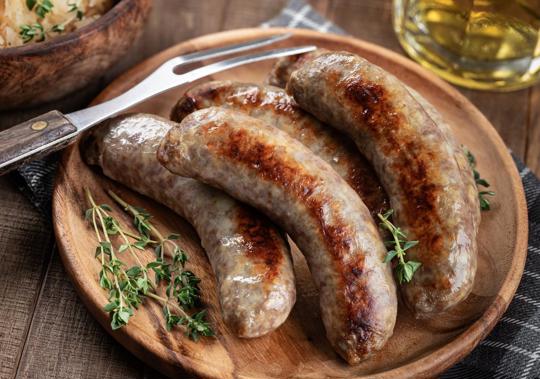
Bratwurst is a traditional German sausage. It's made from minced pork, beef, or veal.
These meats come seasoned with spices like nutmeg, ginger, and coriander.
Then the mixture gets stuffed into natural casings and cooked by grilling or frying.
The taste of Bratwurst is unique. It doesn't get smoked like other sausages.
Instead, it relies on the natural flavors of the meat and spices.
Did you know Bratwurst can vary by region? Germany has different recipes and ways of preparation.
Nuremberg Bratwurst is smaller and has a stronger flavor due to marjoram.
Bratwurst's savory profile can pair surprisingly well with bright citrus notes; see what goes well with lemon in desserts 9 best options for ideas on balancing sweet-tart contrasts.
What is Frankfurter?

Furter is a type of sausage hailing from Frankfurt, Germany.
It's made from finely ground pork or beef and mixed with spices and seasonings.
The mixture is then stuffed into an animal intestine casing, and cooked by boiling or grilling.
This gives the sausage its distinct flavor and smoky taste.
Often served on a bun with mustard and toppings, furters make a popular choice for hot dogs.
They are also used in traditional German dishes like sausages with sauerkraut.
Variations of the furter have been created in different regions, each with its own unique twist.
Furters can be sliced and added to pasta dishes or soups, pan-fried or grilled.
Vienna sausages are smaller, yet similar in taste.
These petite sausages are often used in appetizers or salads.
Classic furters remain a staple in German cuisine and are enjoyed around the world for their delicious taste and versatility.
Frankfurters served with fresh, zesty toppings can work alongside dips - try what to eat with guacamole pairings for complementary snack ideas.
Differences Between Bratwurst and Frankfurter

Bratwurst and furter - two popular sausages with distinct differences - and for serving ideas, see bratwurst side dish ideas.
Origin and History
Bratwurst and furter have different origins.
Bratwurst was born in Franconia, Germany in the 14th century.
It was made from pork and spices.
Furter, also called a hot dog, was created in the late 19th century by butcher Johann Georg Lahner.
He brought the recipe to America in the 1860s.
The sausages differ in ingredients and prep.
Bratwurst has pork and veal or beef with marjoram, nutmeg, and caraway.
Furters have pork or beef and bacon, seasoned with salt, paprika, and garlic powder.
The two also differ in shape.
Bratwurst is thick and short. Furters are long and thin.
It comes down to personal preference: bratwurst's strong flavor or the classic furter.
Ingredients Used
Bratwurst and furters have a few key differences in ingredients.
Bratwurst usually contains ground pork, beef, or veal.
Seasonings like salt, pepper, and spices like nutmeg or ginger are added.
Furters are made from finely ground pork or beef mixed with water.
Salt, garlic powder, and preservatives are also included.
These variations give each sausage their own flavor and texture.
Even if they have similar ingredients, the blend and ratios are what make them taste different.
Flavor and Seasoning
Bratwurst and furters differ in flavor and seasoning.
Bratwurst has a strong, savory taste, seasoned with garlic, nutmeg and marjoram.
Furters are milder, with smokiness.
Paprika, coriander and other spices give them their unique taste.
Both offer yummy meat options, to suit different palates - or compare extract vs flavor comparison guide to understand how subtle taste elements differ.
So, you can choose bolder bratwurst or smoky furters.
Both bring their own deliciousness to the table.
Cooking Methods
Cooking bratwurst and furter requires different techniques.
Bratwurst: grilled or pan-fried to bring out its smoky flavor and crispy texture.
Furter: boiled or steamed to keep their juiciness.
Serve bratwurst with sauerkraut and mustard.
Furters are best with buns and toppings like relish, ketchup, and onions.
Both methods highlight the unique qualities of these traditional German sausages - and for a look at how cooking liquids change flavor, see white cooking wine vs white wine vinegar comparison.
Similarities Between Bratwurst and Frankfurter
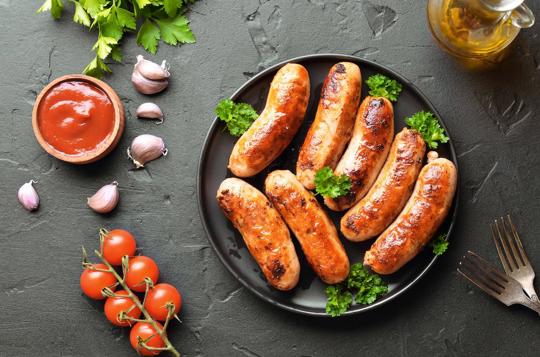
Bratwurst and furter may sound alike. Yet, they boast distinct features.
Both are staples of German cuisine, made from pork.
However, their differences make them one-of-a-kind.
Bratwurst has a coarse texture and strong flavor.
Plus, it's usually spiced with nutmeg and ginger.
Furters, on the other hand, have a smooth texture.
They are made with finely ground pork and beef.
Generally, they are lightly smoked or boiled.
Then, they are grilled to perfection. Both sausages are scrumptious.
But, by understanding their finer points, you'll gain a new appreciation for these well-known German specialties.
Cultural Significance and Regional Variations
Cultural importance and regional diversity make bratwurst and furter stand out.
Bratwurst is the larger, coarser one from Germany.
It is flavored with herbs and spices to reflect the diverse German culinary traditions.
Furter, from Frankfurt, is smaller and smoother.
It is usually made with finely minced pork or beef, giving it a delicate flavor.
Both sausages are iconic dishes in their respective regions.
Bratwurst has a remarkable range of variations across Germany.
In Bavaria, there is the Nürnberger bratwurst, which is smaller, and flavored with marjoram and ginger.
Moving north to Thuringia, there is Rostbratwurst.
This sausage is elongated, and has garlic, caraway seeds, and other spices.
Furter also has its own regional adaptions.
From Vienna's wiener sausage to New York City's hot dog, each variation has different flavors that are part of local cultures.
This shows the flexibility of the furter recipe while keeping its core features.
Both bratwurst and furter have cultural relevance in their respective regions, due to their flavors and regional variations.
They are embodiments of culinary heritage that captivate palate around the world, and give us a glimpse into different cultural backgrounds.
Taste and Texture: Bratwurst vs Frankfurter
We have learned that the debate is far from over.
Bratwursts are typically comprised of pork or veal, while espcially s are made up of beef and pork.
They often have a variety of different spices like coriander, nutmeg, garlic, cloves, or allspice.
From its origins in Germany to becoming a worldwide favorite, both bratwursts and furters bring together a nice array of flavors.
While slight variations in ingredients and preparation methods may cause you perplexity when discerning between them both - one thing is for certain: the only bad decision you can make is not to enjoy either.
Both offer unique sausage opportunities with flavorful spice mixtures, ideal cooking methods, and delicious toppings - proving once again that America really is a melting pot filled with culinary diversity.
Classic pairings help define each sausage. bratwurst side dish ideas lists complementary sides. white cooking wine vs white wine vinegar comparison explains how simple swaps change flavor when cooking sausages.
Frequently Asked Questions
The primary difference between Bratwurst and Frankfurter is the type of meat used. They share some similarities but each has qualities that make it better suited for certain recipes.
It depends on the dish. Bratwurst and Frankfurter share some overlap, but each shines in different preparations.
Swapping works best in forgiving recipes like soups or stews.
Pricing varies by brand and region, but one is typically more accessible at everyday price points. The other may cost more due to specialization or limited supply.
Is there a best time to use each one?
One shines in applications requiring subtlety and background support.
The other is better when it is meant to be a center.
Matching the right one to its role makes a noticeable difference.