
You can swap candy melts, CandiQuik or white baking chips for almond bark weight for weight, as a starting point.
- Chocolate chips melt best with 1 tablespoon of shortening per cup, which Hershey says adds shine.
- A white chocolate bar stays soft unless you temper it.
- Almond bark has no almonds, though you should still read the label.
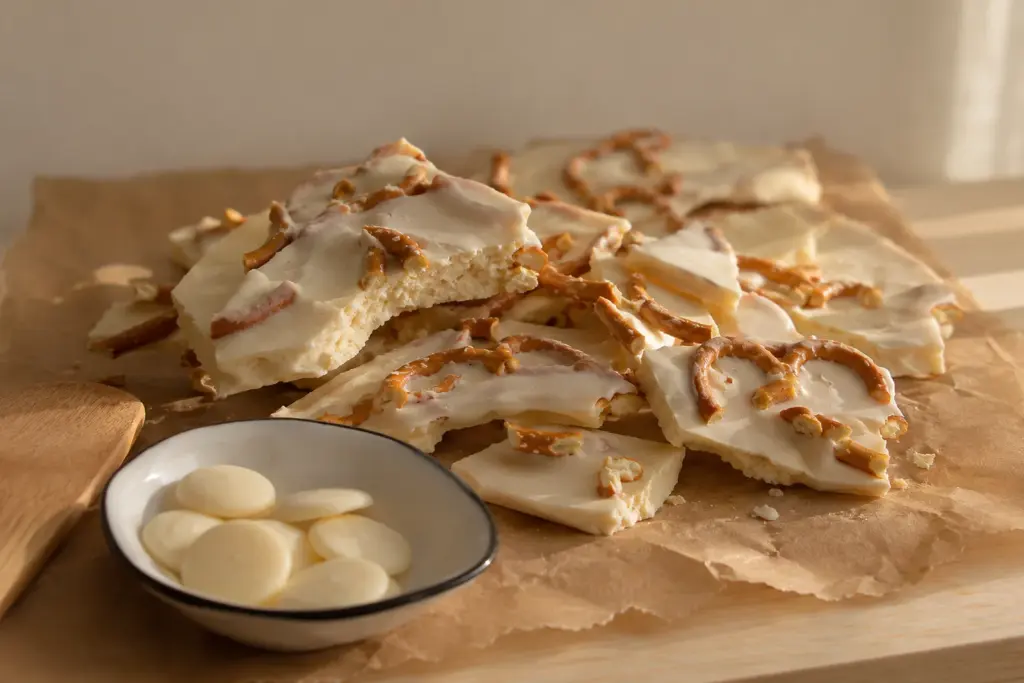
Almond bark is a coating, so whatever replaces it has to melt smooth, cling to a pretzel and set firm. Among the common baking substitutes for it, only candy coatings do all three without extra work, while real chocolate needs a change in how you melt or set it.
What Does Almond Bark Do in a Recipe?
Almond bark is a vanilla-flavored candy coating made with vegetable fat instead of cocoa butter, and despite the name it holds no almonds: one store-brand label lists sugar, partially hydrogenated palm kernel oil, nonfat dry milk, soy lecithin and artificial flavoring.
Wikipedia describes a separate product with the same name, chocolate bark studded with almonds, so a recipe for that candy is asking for something else.
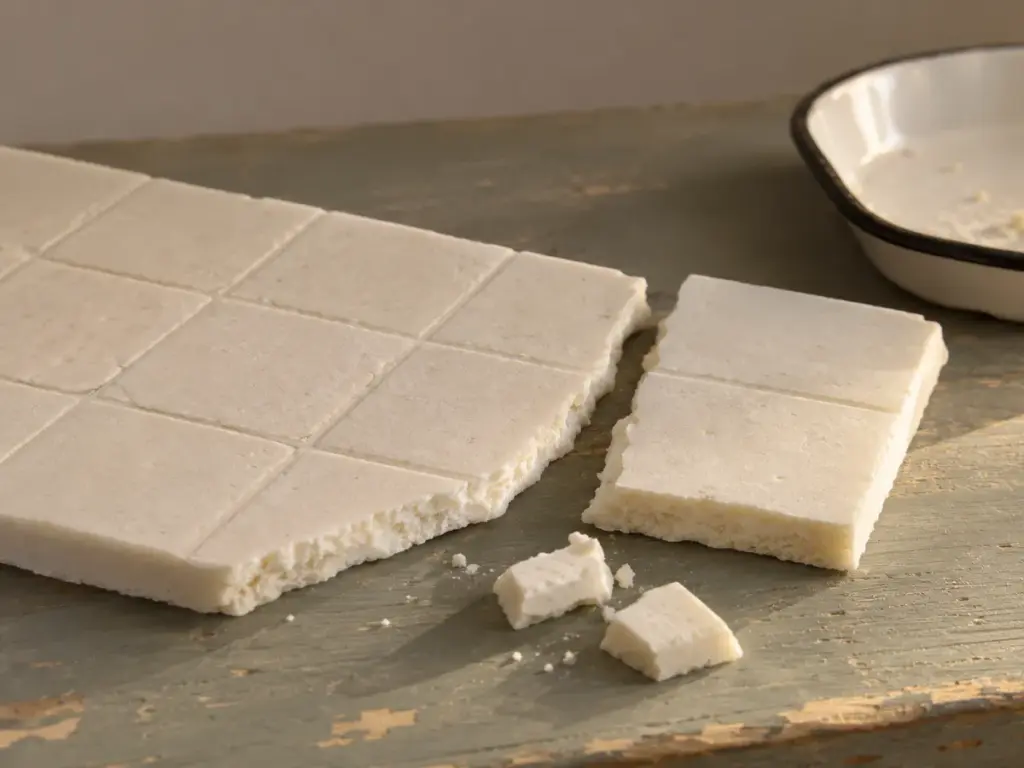
Takeout describes the flavor as mostly sugar and oil with an artificial vanilla aftertaste, so almond bark's plain vanilla sweetness is easy to match. According to King Arthur, you can melt candy coating, dip food in it and let it set at room temperature without tempering, while chocolate you do not temper sets in streaks and stays dull.
Packages come in vanilla and chocolate flavors, and CandiQuik's retail listings include vanilla, chocolate and dark chocolate coatings. The flavor your recipe names decides the swap, with candy melts or white chips for vanilla and chocolate chips for chocolate.
6 BEST Substitutes for Almond Bark
| Swap | Amount | Best for |
|---|---|---|
| Candy melts | 1:1 by weight | Dipping, drizzle |
| CandiQuik | 1:1 by weight | Pretzels, bark |
| White baking chips | 1:1 by weight | White bark |
| White chocolate bar | 1:1 by weight | Fruit, drizzle |
| Chocolate chips | 1:1 plus shortening | Chocolate coating |
| Baking chocolate | Not a 1:1 swap | Baked-in recipes |
Candy melts, CandiQuik and white baking chips are candy coatings like almond bark, so they need no adjustment, while the other three contain cocoa butter or cocoa solids and change how you melt or set the coating.
No source publishes these ratios, so you can treat the same weight as a starting point, because coatings of the same kind swap evenly.
1. Candy Melts
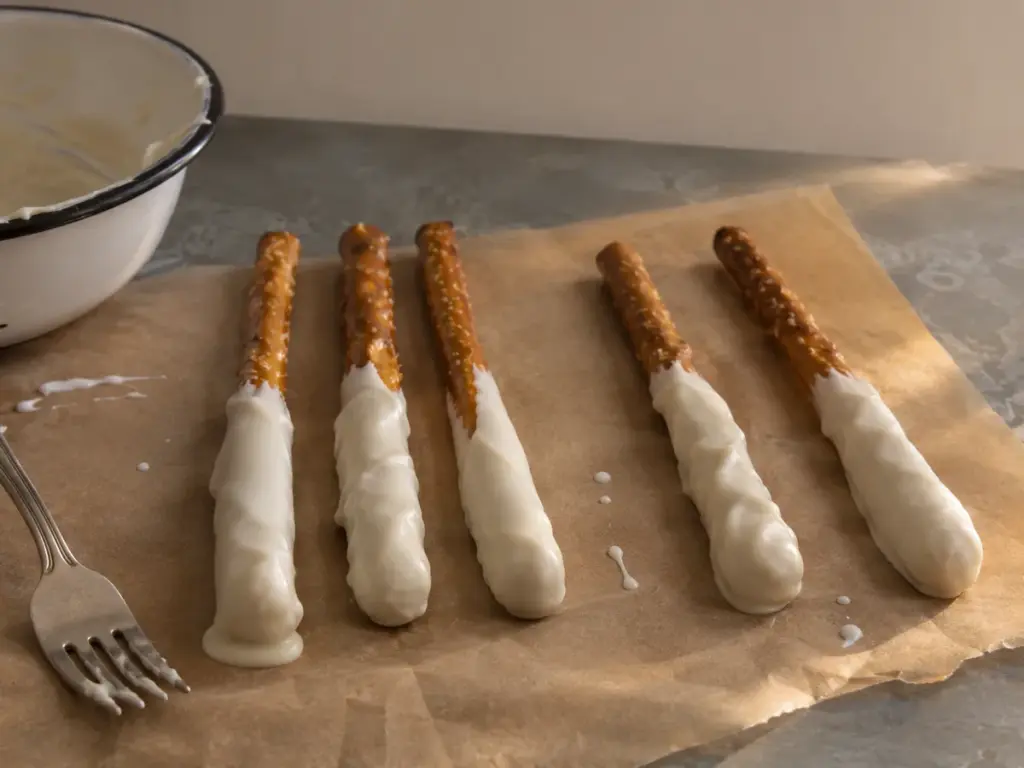
Candy melts are the nearest match, since Wilton calls them traditionally vanilla flavored and Tasting Table describes them as palm kernel oil, sugar and flavoring. Wilton also lists dark and light cocoa versions, so chocolate almond bark has a candy melt match too.
You replace the almond bark with the same weight of melts, and in the microwave Wilton starts with 50% power for 1 minute, then has you stir and heat in 30-second intervals until the candy is mostly melted.
If you tint them, you will want oil-based coloring, because Wilton says icing colors are not oil-based. Candy melts tend not to taste as good as regular chocolate, according to Tasting Table, so they are best kept for dipping, drizzle and molds.
2. CandiQuik
CandiQuik is a branded candy coating, so it replaces almond bark by weight with no adjustment, and its chocolate version covers chocolate almond bark.
On one grocery listing (Lowes Foods), the vanilla ingredient list reads sugar, palm kernel oil, nonfat milk powder, palm oil, soy lecithin, whole milk powder, natural flavor and vanilla, though other listings differ slightly.
The package directions on that listing give two tips:
- You microwave the tray on high for 60 seconds, stir it thoroughly and heat it 15 more seconds if needed.
- Your tools must stay dry, because moisture could make the coating solidify or separate.
3. White Baking Chips
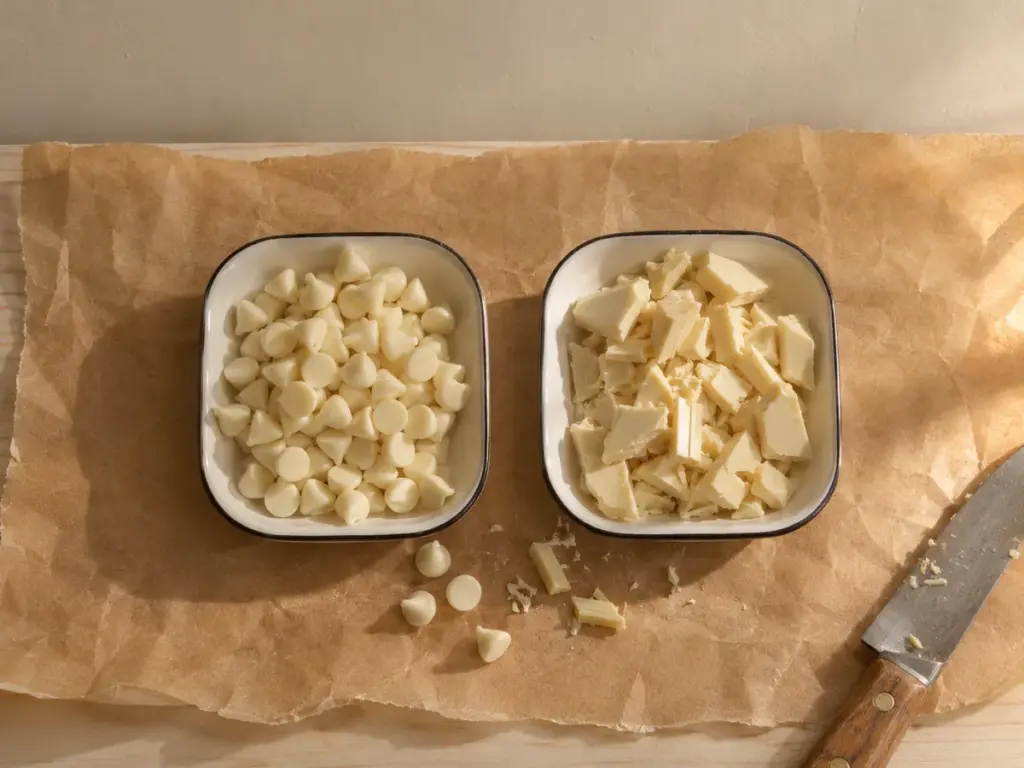
Bags sold as white baking chips, white morsels or white melting wafers hold a candy coating in chip form. America's Test Kitchen says many of them replace some or all of the cocoa butter with palm kernel oil or palm oil, which is why a bag like that cannot legally be called white chocolate.
These chips need no tempering, and America's Test Kitchen recommends them over real white chocolate for bark, so it is worth checking your bag for cocoa butter to see which kind you have. Hershey lists about 1 minute for its Premier White Creme chips, stirred every 10 to 15 seconds.
4. White Chocolate Bar
Real white chocolate has at least 20 percent fat from cocoa beans, 3.5 percent milkfat and 14 percent milk solids under FDA rules (21 CFR 163.124), and no cocoa solids, which is how white chocolate differs from milk chocolate. America's Test Kitchen says you usually have to temper it to set it firmly, and otherwise it stays soft, even when fully cooled.
King Arthur adds that milk and white chocolates scorch more easily, so you melt a bar low and slow. A bar suits drizzle or fruit you will serve soon, while stacked bark needs the firmer set of a candy coating.
5. Semi-Sweet or Dark Chocolate Chips
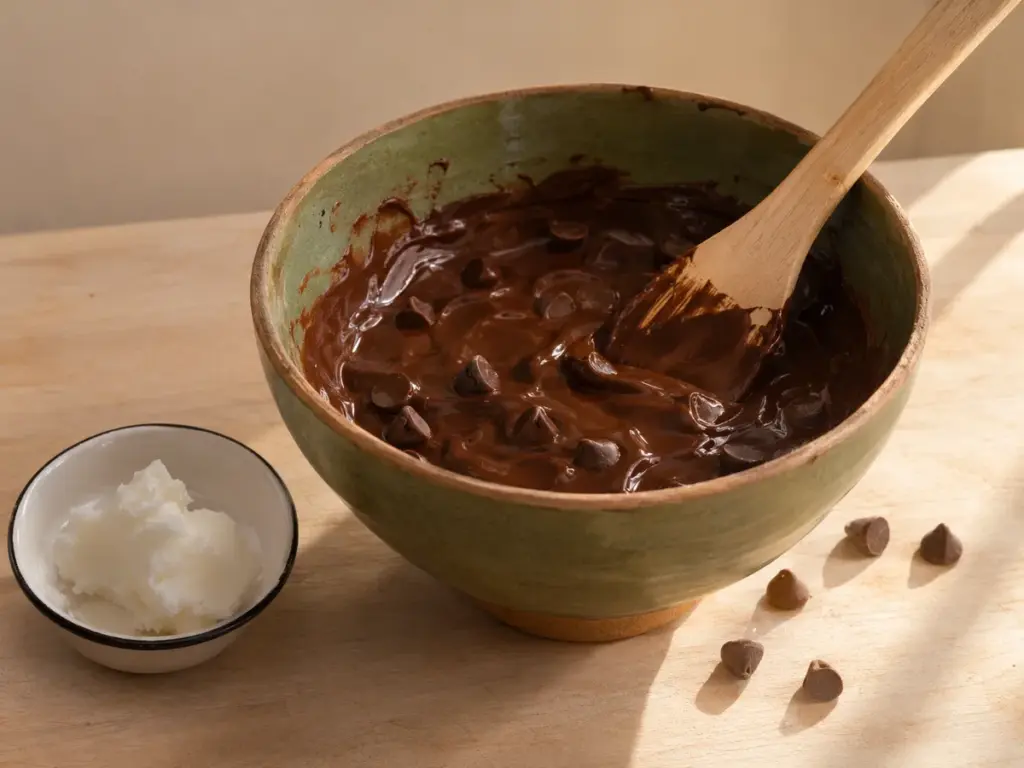
Chips are your swap for chocolate almond bark: semi-sweet makes the sweeter coating and dark chips make the less sweet one. The same weight of chips replaces the bark, and Hershey says 1 tablespoon of shortening or oil per cup gives melted chocolate a shiny luster and a more workable texture.
Hershey lists about 2 minutes for Special Dark chips and 1½ minutes for milk chocolate chips, stirred thoroughly every 10 to 15 seconds. Those times are a good guide for a semi-sweet bag too, and you stop as soon as the chips are smooth.
6. Unsweetened Baking Chocolate
Unsweetened baking chocolate is the weakest swap, because Baking Sense lists it as 100% cocoa solids with no added sugar, and a coating made from it tastes bitter.
It works when a recipe supplies sugar around the coating, such as chocolate baked into batter.
The same guide lists unsweetened, semisweet and bittersweet as separate chocolates, so it pays to check your bar's label. If it says semisweet, you handle it like the chips in swap 5, shortening included.
How Do You Melt a Swap Without Ruining It?
- Dry everything. Water in the bowl, on the spoon or on the fruit is enough to ruin the coating.
- Stop early. Stir smooth while a few pieces remain, as Wilton advises.
- Thin with fat. Add solid shortening a little at a time.
Water is the usual culprit when a coating turns thick and grainy: King Arthur warns that even a small splash of water makes chocolate seize, and you cannot fully repair it.
According to Wilton, seized candy coating still works if you stir it into a recipe that needs moisture. You can also thin slightly overheated candy, but burned candy is lost.
For candy melts, only solid shortening is a safe thinner, because Wilton warns against liquid vegetable oil, butter, milk or water and says coconut or vegetable oil may keep the candy from setting. With chips, vegetable oil, canola oil or coconut oil also work, as Hershey allows.
Sources
- Wikipedia, Almond bark: vegetable oil base; almond-studded bark is a separate product.
- The Takeout, Almond Bark vs White Chocolate: vegetable fats, artificial vanilla aftertaste, white chocolate lacks cocoa solids.
- King Arthur Baking, Tempering chocolate: candy coating sets without tempering.
- King Arthur Baking, How to melt chocolate: water seizes chocolate; white chocolate scorches easily.
- Hershey's, How to melt chocolate chips: shortening for shine, oil options, melting times.
- Wilton, Candy melts and how to thin them: microwave steps, shortening and oil cautions.
- America's Test Kitchen, What is white chocolate: palm oil in white chips, tempering.
- 21 CFR 163.124: white chocolate minimums.
- Tasting Table, Candy melts and pretzels: candy melt makeup and taste.
- Baking Sense, Chocolate: unsweetened chocolate is 100% cocoa solids.
- Open Food Facts, almond bark label and CandiQuik listing: ingredients; formulas differ by product.

Food writer at GustoMeadow. Writes ingredient substitutes, food comparisons, taste guides and storage guides for home cooks.
Storage and food-safety numbers follow USDA, FDA and university extension guidance.



