
As the sun sets on a warm summer evening, there's nothing quite like a refreshing aperitif to hone your appetite and awaken your palate.
If you're a beginner, the question that will bug you is, "what does Aperol taste like?".
Whether you're downing on an Aperol Spritz by the sea or trying it straight up with a twist of orange, Aperol won't disappoint.
Its unique solvent of flavors is sure to transport you to the hills of Veneto, where the drink was born.
You'll be bewitched by the intense bitter flavor and the striking orange color of this flexible aperitif.
What is Aperol?
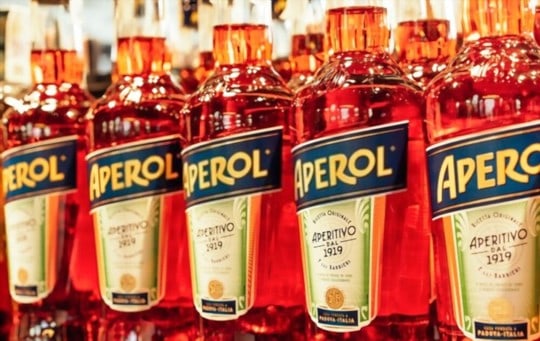
Aperol is a classic Italian digestif famous for its distinct orange and bitter taste.
Its name originates from the French slang word for Apéritif, Apero.
Italy is the country where Aperol first came into being.
Luigi Mariani and Gaspare Campari created this moderate bitter liqueur in 1919.
Today, it is sold in several countries, including Spain, Sweden, and the United States.
The refreshing citrus taste with bitterness in Aperol comes from its main active ingredient, the bitter orange extract or rind oil.
This bittersweet Italian liqueur features ingredients like gentian, rhubarb, and cinchona.
This distinguished drink is often used in Spritz cocktails - Aperol Spritz taste guide for beginners - but it is also highly versatile beyond its classic use.
If you are looking for an Italian aperitif with less bitterness than the usual Italian Amaros, Aperol is a great option for you.
With a meager ABV and just a little less bitter than Campari, Aperol is a favored choice for aperitif cocktails.
Aperol's citrus character can pair with desserts; for ideas on complementary flavors, review lemon dessert pairing ideas list.
What Does Aperol Taste Like?

Aperol's rare solvent of flavors and low alcohol percentage make it a refreshing and versatile component in cocktails.
It is the real bargain for those who lust for a lighter and sweeter taste outline.
Its first sip is instantly refreshing, with a sweet and citrusy taste that takes you straight to the groves of Calabria.
Aperol has a faint and reviving taste with mild flavor hints of oranges at the end.
Its taste is distinguished by bitter orange, rhubarb, and cinchona flavors.
Aperol's secret blend of herbs concocts a bittersweet harmony that rounds out the sharp citrus notes.
This gives way to an earthy bitterness.
The musky body tones stabilize the sweet orange notes.
Its aftertaste wavers on the tongue with a pleasant bitterness.
If you compare Aperol to other similar drinks like Campari, it is lighter, brighter, and less bitter.
This mildness makes it a perfect ingredient for low-ABV cocktails.
Its herbal flavors, zesty orange notes, and tangs of vanilla are fairly stronger than in other Amari, creating a smooth and well-rounded fragrance.
The herb's bitterness pairs flawlessly with the crispness of the faint alcoholic undertones of Aperol.
The blend of aromatic herbs, zesty citrus, and sweet vanilla establishes a mild but enticing fragrance.
With just 11% alcohol content, Aperol is silky smooth and awfully velvety.
Its juicy orange and woody undertones stabilize each other, creating a light, crisp, and very drinkable texture.
Aperol's sweeter taste and lower alcohol volume make it stand out from Campari.
Campari's stronger alcohol flavor and bitterness make it less eligible for low-ABV cocktails.
How to Drink and Use Aperol?

If you're feeling adventurous, give Aperol straight-up a try, even though it may not be everyone's cup of tea.
But, it radiates when mixed with other spirits like vodka and soda with lime or gin and honey-lemon.
Aperol has gained popularity in recent years as a key ingredient in cocktails like Spritz and Americano.
This is because it retains its orange flavor and bitter herb notes even when mixed with soda or club soda, respectively.
Aperol also goes well with grapefruit juice, as the citrus flavors complement each other perfectly.
It's a great summer drink, especially when you mix up a glass of Aperol Spritz, which can be made in just a few minutes.
Aperol Spritz has a low alcohol percentage and a sweet taste that has made it a famous choice.
Nonetheless, due to its high sugar proportion, it's not advisable to drink the spritz regularly or excessively.
To concoct a glass of Aperol Spritz, add three parts Prosecco, two parts Aperol, and a splash of soda water.
Then plop in some ice cubes and a slice of orange, and you're done.
Aperol's mix of bitterness and refreshing citrus flavors renders a unique taste experience that you can enjoy as part of a cocktail or on its own.
For a contrast in how bitters and vermouth shape cocktails, consult the Gibson vs Martini comparison of cocktail styles.
Key Taste Notes of Aperol
Aperol is more than just a liqueur - it's a taste of Italian sunshine in a glass.
It has been a fixture in Italian culture for over a century.
Both locals and tourists enjoy its light, refreshing taste and versatility in cocktails.
The refreshing citrus flavors and subtle bitter notes are faultlessly balanced, making it a flexible ingredient in cocktails.
It's no wonder that Aperol has become a beloved staple in the world of mixology, adding some Italian elegance and flavor to any occasion.
Frequently Asked Questions
If you're a beginner, the question that will bug you is, "what does Aperol taste like?". Its unique solvent of flavors is sure to transport you to the hills of Veneto, where the drink was born.
Aperol is a classic Italian digestif famous for its distinct orange and bitter taste.
Several foods share flavor notes with Aperol. Tasting similar items side by side is the easiest way to map out what you enjoy and find new favorites.
Can you adjust the intensity of the flavor?
Yes.
Pairing it with acidic, sweet, or fatty components shifts the perceived intensity.
A squeeze of citrus brightens mild flavors, while fats like butter or oil mellow sharper ones.
Avoid pairings that clash with its dominant flavor note. Competing intensities - very sweet with very sour, or heavy with delicate - tend to obscure rather than go with the taste.
Aperol's role in chilled cocktails is well illustrated by a dedicated spritz profile. Aperol Spritz taste guide for beginners outlines how mixing changes flavor. Citrus contrasts can highlight bittersweet notes; key lime pie flavor breakdown and texture shows a dessert-side example.