
Arrowroot and tapioca often get mistaken for each other. T4Both come from plants, sure.
Yet, they're like distant cousins at a family reunion - related but oh so different.
Which one was it that the recipe called for? I remember mixing them up during my first gluten-free baking attempt.
Spoiler: it didn't go well.
Arrowroot is the starch extracted from tropical plants. Tapioca?
That's from the cassava root. They might look the same at first glance.
T4Trust me, their roles in cooking are as varied as our tastes in Netflix shows.T5
In this rundown, we peel back the layers. We'll get into the nitty-gritty of what sets them apart.
It's not just about thickening soups or sauces. It's a tale of two starches.
And by the end, you'll be able to tell them apart like an expert.
What is Arrowroot?
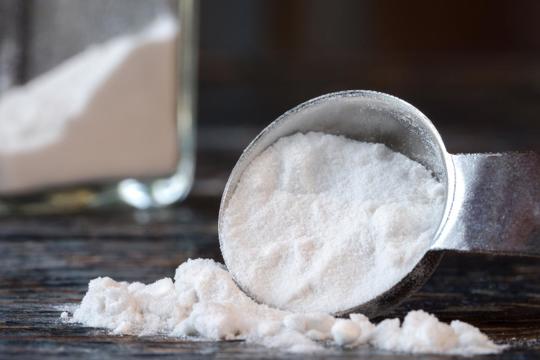
Arrowroot is a gluten-free starch extracted from the roots of the arrowroot plant.
It's well-known for its neutral taste and silky texture.
This flexible ingredient is a great substitute for cornstarch and wheat flour.
It has been used in many cultures for centuries.
Arrowroot helps to make dishes light and crispy.
Plus, it's a favorite thickener for sauces, soups, and gravies.
It also creates a glossy finish without altering the flavor.
Arrowroot is highly digestible and contains minerals like potassium, calcium, and phosphorus.
Gluten-free diets benefit from this starch too.
Also, arrowroot won't break down during long cooking or freezing.
That's why it's ideal for custards and ice creams.
For dessert pairing inspiration that complements light starches, see what goes well with lemon in desserts - 9 best options.
What is Tapioca?

Tapioca is a starchy substance extracted from cassava root.
It is used for cooking and baking due to its smooth texture and neutral taste.
Tapioca is a popular gluten-free alternative to wheat flour, and its versatility makes it an ideal ingredient.
It can absorb liquids and thicken dishes without altering flavor.
Also, tapioca pearls are a popular form of tapioca found in bubble tea and boba drinks.
They add a unique texture to beverages.
Note that tapioca needs to be cooked before consumption, as it contains cyanide compounds in its raw state.
But once cooked, this potential health concern is eliminated.
Differences Between Arrowroot and Tapioca
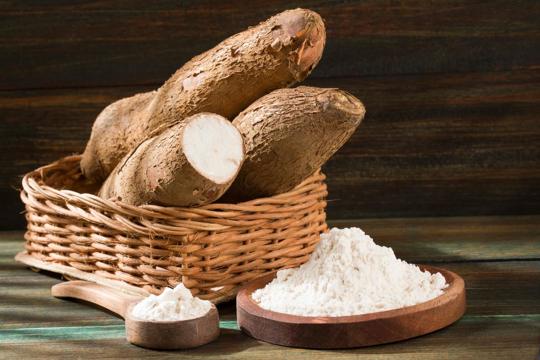
Arrowroot and tapioca have unique differences.
Arrowroot is more versatile with baking goods like cakes and cookies.
Tapioca stands out for its chewy texture and pearls - compare tapioca vs yuca comparison guide to see how its texture differs from similar tuber starches.
Both offer different qualities for different culinary needs.
Source and Processing
Arrowroot and tapioca are two starches used in cooking.
They look alike, but have distinct differences.
Arrowroot is from the rhizomes of tropical plants from the Marantaceae family.
The rhizomes are washed, peeled and crushed to get the starch.
It is then filtered and dried to make a powder.
Tapioca is from the cassava plant, or yuca.
After harvesting and washing the roots, they are grated and squeezed to get a starchy liquid.
This liquid is left until the starch settles at the bottom.
Then, the water is drained off and the starch is dried and processed.
Both are gluten-free, but have different uses.
Arrowroot has a neutral taste and is used as a thickener, making sauces and gravies clear.
Tapioca has a sweet flavor and creates a glossy look.
It's good for desserts, puddings, pies and bubble tea.
Arrowroot and tapioca can be used for similar purposes.
Knowing the differences helps you pick the right one for your recipes.
Add arrowroot or tapioca to improve the texture and flavor.
Texture and Appearance
Arrowroot and tapioca are easily distinguishable due to their varying textures and appearances.
Arrowroot has a fine, silky texture and a white, powdery appearance, like cornstarch.
On the other hand, tapioca's texture can range from chewy to gelatinous.
It can also take on different appearances, such as small pearls or a flour-like consistency.
These unique properties make arrowroot and tapioca great for various recipes.
Arrowroot's smoothness is perfect for sauces and custards.
Tapioca's chewiness, meanwhile, is best for puddings and bubble teas.
Through their varied textures and appearances, these two ingredients offer diverse culinary possibilities.
Flavor and Taste
Arrowroot and tapioca have distinct flavor and taste differences - read extract vs flavor comparison explainer to better understand how subtle flavor terms are used.
Arrowroot has a neutral flavor; it blends well with other ingredients.
Tapioca has a mildly sweet flavor, adding a hint of sweetness.
Arrowroot is known for its smooth texture when cooked.
It creates a thick and glossy texture, great for sauces and puddings.
Tapioca has a gelatinous texture when cooked, making it great for chewy desserts.
Arrowroot withstands high temperatures.
It's ideal for soups and stews.
Tapioca works best in cold or frozen dishes, as it holds up under freezing temperatures.
To choose the best ingredient, remember that arrowroot is best for hot dishes, while tapioca is best for cold and frozen dishes.
Cooking and Culinary Uses
Arrowroot and tapioca have many culinary uses.
Both can thicken soups, sauces, and gravies.
They can also add texture to cakes and cookies.
Arrowroot is great for hot liquids since it can withstand high temps and has a neutral taste.
Tapioca is known for its unique texture when cooked, often used in desserts and puddings.
It's also found in bubble tea.
Plus, they're both gluten-free, making them perfect for those with gluten sensitivities.
However, arrowroot has higher nutrient content than tapioca.
When deciding between the two, consider what outcome and texture you want to achieve.
For insight into how different cooking liquids change recipes, see white cooking wine vs white wine vinegar comparison for cooking effects.
Similarities Between Arrowroot and Tapioca

Arrowroot and tapioca have a few things in common.
They both come from tropical tubers and are used to thicken food - compare tapioca starch vs xanthan gum comparison for alternative thickening approaches.
Plus, they're both gluten-free and have no taste.
You can use either arrowroot or tapioca interchangeably in recipes.
They both create a smooth texture in sauces, soups, and desserts.
And, they are both easily digestible which makes them good for people with dietary issues.
So, even though arrowroot and tapioca are not the same, their similar qualities make them great ingredients for thickening.
Nutritional Comparison of Arrowroot and Tapioca
Arrowroot and tapioca are often interchangeable in cooking.
But, they have differences.
Nutritionally, arrowroot is lower in calories, fat, and carbohydrates than tapioca.
It has more protein and dietary fiber too.
For quick energy, tapioca is higher in starch.
Both are gluten-free.
This matters for those with gluten sensitivities or celiac.
However, arrowroot has more protein and fiber.
And, tapioca has more starch.
These variations should be considered when picking between them for recipes or diets.
For a look at a pantry ingredient that adds savory depth rather than starch, read yeasty wonders taste guide for nutritional yeast.
How to Use Arrowroot and Tapioca in Cooking and Baking?
Arrowroot and tapioca are two flexible ingredients.
Here is a guide on how to make the most of them:
- Understand their purpose. Arrowroot is best for clear or light-colored dishes. Tapioca is great for thickening dark liquids or making a gel-like consistency.
- For arrowroot, mix with cold liquid first. To prevent lumps, add it slowly while stirring.
- Tapioca needs to be soaked for 30 minutes before use. Then, drain any excess water.
- Both are gluten-free substitutes for cornstarch or flour.
- In baking, they act as binding agents or provide structure.
- Experiment to find unique qualities. Arrowroot adds shine to sauces or fillings. Tapioca makes pies and puddings chewy.
Follow recipe instructions and consider their unique characteristics.
This will help get the best results.
Use arrowroot and tapioca in cooking and baking to get great results.
For tips on applying fats and sprays when working with these starches in baking, see oil mister vs cooking spray comparison for baking.
Thickening Properties of Arrowroot vs Tapioca
Texture wise, tangly tapioca pearls make a good addition to many dishes for their unique chewiness.
Flavor-wise, arrowroot has a more neutral taste while tapioca has notes of sweetness.
Lastly, when it comes to the starches themselves; arrowroot is lighter and easier for your body to digest, while tapioca takes longer for your body to break down because of its higher starch content.
Taking these distinctions into account can help you make an informed decision whenever trying out any new recipes that include either arrowroot or tapioca.
Ultimately, each have their own merits so as long as you find one that works best for you then there's nothing stopping the home cook from experimenting with both.
Frequently Asked Questions
Yet, they're like distant cousins at a family reunion related but oh so different. They share some similarities but each has qualities that make it better suited for certain recipes.
They can stand in for each other in a pinch. Arrowroot and Tapioca overlap in some uses, but the flavor or texture will shift.
Adjust quantities to taste.
Shelf life differs based on processing and packaging. One often keeps longer unopened, while the other may need refrigeration or faster use after opening.
Which one is more forgiving in recipes?
One tends to perform more consistently across a range of cooking methods, making it the safer choice when experimenting.
The other delivers stronger results in specific applications.
For alternative flours, consider 5 best arrowroot flour substitutes. For starch swaps, try 5 best substitutes for arrowroot starch.