
Tapioca and yuca might sound like a magician's duo, but they're actually plant pals.
First off, yuca, with its tough exterior, is a root. We've all seen it, looking unapproachable in the grocery aisle.
T4Tapioca comes from yuca. Yep, it gets transformed into those chewy pearls we all love in bubble tea.
They're not the same. Tossing a yuca into your smoothie expecting tapioca bubbles?
Disaster.
Our kitchens have seen it all. The disasters, the triumphs.
Stick with us. We'll keep it real and make sure you know your yuca from your tapioca.
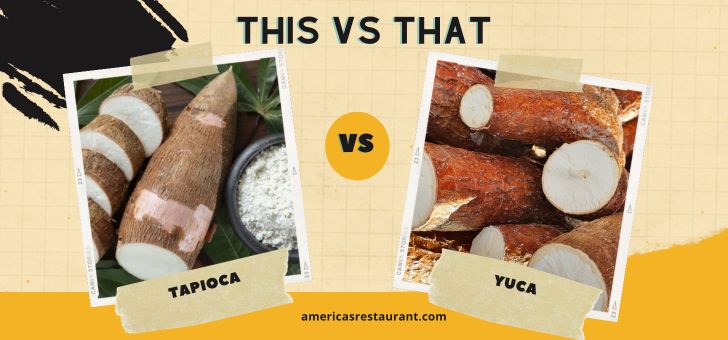
What is Tapioca?

Tapioca is a starchy substance extracted from cassava roots.
It is commonly used in numerous dishes and cooking methods worldwide due to its unique texture and nutritional properties.
The extraction process involves grating the cassava roots, pressing them to remove excess liquid, and then roasting or boiling the resulting granules.
Tapioca is used in bubble tea, tapioca pudding, and gluten-free baked goods as a thickener or binding agent.
Its neutral flavor enables it to blend with different types of ingredients smoothly.
Because tapioca has a neutral flavor that blends well in desserts, consider flavor pairings found in the lemon dessert pairings list for ideas on complementary tastes.
What is Yuca?
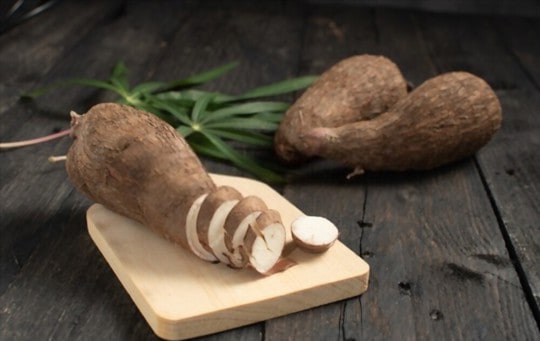
Yuca, also known as cassava, is a starchy root vegetable that is commonly found in African, Asian, and South American cuisine.
This indigenous plant not only is a great source of carbohydrates but also contains several essential nutrients like vitamin C and copper.
Boiling or roasting the yuca root makes it safe to eat while allowing it to retain its unique flavor and texture.
Its long shelf life also makes it a popular food choice for many cultures.
Yuca's sturdy texture makes it a good dipper; see the guacamole pairing ideas list for similar crunchy and starchy accompaniment options.
Differences Between Tapioca and Yuca

Tapioca and yuca may sound similar, but they are two different things.
While tapioca is made from the starch of cassava roots - see arrowroot vs tapioca comparison guide - yuca refers to the actual root.
Both are popular ingredients in many cultures worldwide and have unique characteristics that make them distinct.
Tapioca is commonly used as a thickening agent in puddings, while yuca is a flexible ingredient that can be boiled, baked or fried.
In terms of nutrition, yuca roots are richer in vitamins than tapioca starch.
Plant Source and Appearance
The starch extracted from cassava roots is used to make tapioca and yuca.
While they come from the same plant, there are significant differences between them in terms of appearance, texture, and usage.
Tapioca is made by extracting the starch from the cassava root and processing it into small pearl-sized balls.
Yuca, on the other hand, refers to the whole root itself which has a brown skin and fibrous interior.
It can be cooked or boiled to make a variety of dishes in Latin American cuisine.
Tapioca is highly versatile as an ingredient providing a thickening agent for soups, stews, and desserts while also being gluten-free.
Also, tapioca pearls are widely used in bubble tea because they have a unique texture when cooked that adds an interesting dimension to drinks.
In comparison, yuca is starchier with more flavorful flesh that can be mashed or fried like potatoes.
Despite their different uses, tapioca and yuca share several nutritional benefits such as being a rich source of carbohydrates while low in fat and protein content.
Also, both are easy to digest making them an ideal choice for those with digestive issues.
In summary, understanding the differences between tapioca and yuca can enable you to use each ingredient effectively in various dishes to create delicious meals with diverse flavors and textures.
Processing Methods
Processing techniques are important in the production of Tapioca and Yuca.
While both stem from the same plant, their different processing methods result in variations concerning texture, flavor, and nutritional values.
This procedure involves sieving, pressing, separating liquids, dehydrating, sieving again until a fine powder is obtained.
One unique aspect of Tapioca processing is the need to remove toxic substances from cassava before proceeding with other processes.
On the other hand, yuca has no such requirement due to its low levels of toxicity.
This variation means that tapioca requires an additional step to ensure safety.
During processing, Tapioca starch requires higher heat than yuca starch since it takes longer to gelatinize fully.
This difference results in tapioca's unique chewy texture after cooking; on the other hand, Yuca has a more noticeable fibrous texture even when fully cooked.
Culinary Uses
Tapioca and yuca are often confused due to their similar names, but they differ in many ways.
Both have distinct culinary uses, although they cannot be used interchangeably.
Tapioca is commonly used in desserts, while yuca is more commonly used in savory dishes.
Yuca is also known as cassava and is a staple crop in many countries.
It can be boiled, fried, grilled, or mashed and incorporated into various dishes.
In some regions, it is also fermented to make an alcoholic beverage.
On the other hand, tapioca comes from the starch extracted from cassava roots and processed into small white pearls.
It is a main ingredient in bubble tea drinks and pudding-like desserts.
Note that both tapioca and yuca contain cyanide compounds in their raw form, which can be harmful if not properly prepared before consumption.
Therefore, it is recommended to cook them thoroughly before use.
Texture and Taste
The texture and taste of these two root vegetables are the primary factors that differentiate them.
Yuca is dense and starchy, with a slightly sweet flavor that resembles a potato.
Tapioca, on the other hand, is a soft and chewy product made from cassava starch that has a lighter taste profile.
When cooked, yuca produces a tender yet firm texture that can hold its shape well.
Yuca can be boiled, fried or baked then mashed or sliced into chips.
In contrast, tapioca is translucent and chewy when cooked and maintains its shape only in dishes like bubble tea or pudding.
Although tapioca is derived from cassava root similar to yuca, tapioca is processed differently to produce pure starch.
This processing removes much of the nutrients present in cassava root, which means it has less nutritional value than yuca.
Ultimately, whether you prefer the denser texture and sweet flavor of yuca or the soft chewiness of tapioca all comes down to personal preference.
For a very different fruity reference on texture and flavor, see the acai berry flavor guide to understand how unique textures shape taste perceptions.
Similarities Between Tapioca and Yuca

The similarities between Tapioca and Yuca are quite significant.
Both are starchy roots that originated from South America and have been consumed worldwide in various forms.
They are a rich source of carbohydrates, low in fat and gluten-free, making them an ideal substitute for wheat flour for people with celiac disease.
Tapioca and Yuca roots can be boiled, fried or baked as chips, fries or pancakes.
They also require similar preparation methods before cooking to remove toxins, making sure they are safe for consumption.
In terms of texture and taste, Tapioca and Yuca share some commonalities too.
After processing, both roots become soft and gummy, ideal for use as a thickening agent in soups, sauces and desserts and worth comparing with tapioca starch vs xanthan gum comparison.
Also, when used to make pancakes or bread, they give off a chewy texture that is beloved by many consumers.
One unique tapioca contains more calories than yuca - 100 grams of tapioca has 358 calories compared to 140 calories in the same amount of yuca.
It also has less protein content than yuca - 3 grams vs 1 gram per 100 grams respectively-which makes it less filling despite having more calories.
Despite their similarities in some aspects of nutritional value, preparation methods, and taste profiles; there are differences between Tapioca and Yuca worth noting by the consumers.
Nutritional Value and Health Benefits of Tapioca and Yuca
Tapioca and yuca are two starchy roots that have become increasingly popular in recent years.
They both offer unique nutritional value and health benefits to those who consume them regularly.
Tapioca is known for its high carbohydrate content, making it a great source of energy.
Meanwhile, yuca provides an abundance of vitamin C and dietary fiber.
Incorporating both tapioca and yuca into your diet can help improve overall health and well-being.
For a sense of how savory, nutrient-dense ingredients taste, check the nutritional yeast flavor profile as an example of umami-forward seasoning.
Common Misconceptions and Clarifications
One of the most common misconceptions in American culture is the interchangeable use of the terms Tapioca and Yuca.
In reality, they are two entirely different things, despite coming from the same plant family.
Tapioca is a starch extracted from cassava root, while yuca (also called cassava) refers to the root itself.
While tapioca is typically used in desserts and beverages, yuca has many culinary uses ranging from fried snacks to hearty casseroles.
Understanding the difference between these two ingredients can greatly improve your cooking knowledge and expand your recipe collection.
Tapioca vs Yuca: Uses and Characteristics
Yuca and Tapioca are two different plants with multiple uses in cuisines worldwide.
Although both come from the same cassava plant, their processing and usage vary significantly.
While yuca is starchy and fibrous used for making chips, salads or even baking; tapioca is extracted from the cassava root, commonly used in puddings or sweet dishes.
However, it's essential to note that both have nutritional benefits depending on their preparation methods and the nutrients included in the recipes.
Frequently Asked Questions
Its neutral flavor enables it to blend with different types of ingredients smoothly. They share some similarities but each has qualities that make it better suited for certain recipes.
Often, yes. The two share enough common ground that most palates won't notice a swap.
Tapioca is usually milder while Yuca brings more intensity.
Nutritional differences exist but are often minor in typical serving sizes. Neither is universally healthier - it depends on what specific nutrients or dietary goals you are focused on.
Which stores better after opening?
Once opened, one keeps better in the refrigerator with proper sealing.
The other may oxidize or separate more quickly, so using it promptly or in smaller quantities works better.
Tapioca flour alternatives are useful for recipes that call for thickening or binding - see 5 BEST tapioca flour substitutes. For a textural example of how fried cassava performs, read Crispy and Delicious: What Do Yuca Fries Taste Like?.