
The best substitutes for BEST Bagoong are Shrimp Paste, Dried Shrimps, Fish Sauce, Anchovies, and Miso.
Shrimp Paste
Shrimp paste is a popular ingredient in many Asian dishes.
For cooking, Dried Shrimps also works well - adjust the amount to taste.
Oh, Bagoong. It's like the secret sauce in Filipino cuisine, right?
But, what if you're all set to whip up that killer Adobo or Sinigang and bam, no Bagoong in sight? Yikes!
Dipping into alternatives doesn't mean skimping on flavor.
Trust us, there's a whole world out there eager to jazz up your dishes in ways you might not have thought possible.
Ever heard of miso or anchovies stepping in?
They're about to become your kitchen BFFs. And for those seeking something a tad milder, soy sauce or fish sauce will do the trick.

The 5 Best Substitutes for Bagoong
If you're looking to add a salty, savory component to a dish but don't have any bagoong on hand, never fear.
There are plenty of substitutes that will do the trick, including eggs substitutes for meatballs that add binding and savory depth.
1 - Shrimp Paste
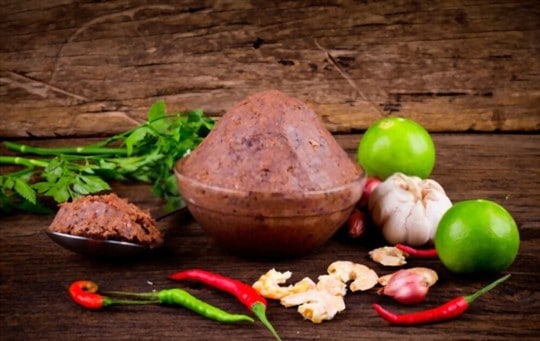
Shrimp paste is a popular ingredient in many Asian dishes.
It has a strong, salty flavor and a slightly sticky texture.
Shrimp paste is made from fermented shrimp or krill that has been ground into a paste.
It is used as a seasoning or condiment in Southeast Asian cooking.
Shrimp paste can be added to soups, stews, and stir-fries.
It is also used to make the popular Filipino dish, Bagoong.
If you can't find shrimp paste, you can substitute Bagoong for the same flavor - or try shrimp paste swap options to match intensity and salt.
Just be aware that Bagoong is significantly saltier than shrimp paste.
2 - Dried Shrimps

A good substitute is dried shrimp.
Dried shrimp have a similar taste and texture to bagoong, and they can be used in all the same ways.
When shopping for dried shrimp, look for ones that are plump and still slightly pink in color.
Avoid any that are dry or have turned brown.
To use, simply soak the shrimp in water for about 15 minutes before adding them to your dish.
With a little creativity, you can easily recreate the flavor of bagoong with dried shrimp.
For a different bright, concentrated flavor profile in sauces or salads, consider sun-dried tomato swap ideas that deliver umami and acidity.
3 - Fish Sauce

Fish sauce is a popular condiment in many Asian countries.
It is made from fermented fish and salt and has a strong, salty flavor.
Fish sauce is often used as a dipping sauce or added to soups and stir-fries.
It can also be used as a substitute for Bagoong, a Filipino shrimp paste.
Although it may not sound appetizing, the fish sauce actually has a complex flavor that is both salty and umami.
The fermentation process breaks down the fish proteins, resulting in a sauce that is rich in amino acids.
The fish sauce also has a slightly sweet taste due to the high sugar content of the fermenting fish.
If you are looking for a Bagoong alternative, fish sauce is a good choice.
It has a similar salty flavor but without the shrimpiness.
Fish sauce can be added to stews and sauces or used as a dipping sauce for grilled meats or vegetables.
When substituting fish sauce for Bagoong, start with 1 tablespoon and add more to taste.
You may also want to add a little sugar or lime juice to balance out the saltiness.
When a mild white fish would suit a recipe instead of a strong seasoning, sole fish substitutes for recipes suggests delicate swaps.
4 - Anchovies

Anchovies are small, salty fish that is often used as a flavoring or seasoning ingredient.
They have a strong, pungent flavor and a firm, chewy texture.
Anchovies can be bought fresh, canned, or dried.
They are also available in a variety of different formats, including whole, fillets, and paste.
Anchovies are commonly used in Caesar salad and pizza.
They can also be used as a substitute for Bagoong, a Filipino shrimp paste.
To substitute anchovies for Bagoong, simply add them to the dish at the beginning of cooking.
Anchovies will impart a similar salty, umami flavor to the dish without being as overpowering as shrimp paste.
5 - Miso

For those who have not had the pleasure of trying it, miso is a fermented soybean paste that is popular in Japanese cuisine.
It has a salty, umami-rich flavor that is perfect for improving soups and sauces.
Miso also has a creamy texture that makes it ideal for spreading on toast or mixing into dressings and marinades.
And best of all, it is extremely versatile - miso can be used as a substitute for fish sauce, soy sauce, or even shrimp paste.
So if you're looking for an umami-packed ingredient that will add complexity to your cooking, miso is a great option.
Frequently Asked Questions
Shrimp Paste, Dried Shrimps, Fish Sauce, Anchovies, and Miso. Use it at a 1:1 ratio in any recipe that calls for BEST Bagoong.
Yes. Shrimp Paste and Dried Shrimps work as direct replacements in most recipes.
Use the same quantity and adjust seasoning after tasting.
Usually not, but check moisture content. Wetter substitutes may need a slightly higher temperature or longer cook time to evaporate excess liquid and achieve the right texture.
Is the substitute appropriate for all dietary restrictions?
Check labels carefully.
Many substitutes introduce allergens or ingredients that conflict with specific diets - dairy, gluten, soy, or nuts may appear in processed alternatives.
Fermented condiments and pastes offer similar umami functions in cooking: shrimp paste swap options for similar umami examines alternatives for strong shrimp flavors. For milder, more versatile pastes, miso paste substitute options highlights swaps that keep savory depth without overpowering a dish.