
In the sweet corner of baked delights, two cakes stand tall. Blue velvet and red velvet, both rich in color and history.
Now, we've all heard of the red velvet cake. It's like that popular kid in school.
Soft, smooth, and with a hint of cocoa.
Blue velvet, on the other hand, is the quirky cousin. Same cake, but in a dazzling blue.
We once tried making both for a party. Let's just say, interesting doesn't begin to cover the reactions.
People often mix these up. Yet, their flavors tell stories, weaving tradition with a hint of mystery.
Which reigns supreme? Stay with us.
We're spilling the beans and maybe some cake batter too.
For a deeper dive into how extracts change taste profiles, see Extract vs Flavor explainer.
What is Blue Velvet Cake?
Blue Velvet Cake is a variation of the popular Red Velvet Cake.
This type of cake is made using natural blue food coloring, which gives it its unique blue color.
It has a similar texture and flavor to the red velvet cake, but with a different hue.
- Blue Velvet Cake is essentially a variation of Red Velvet Cake that uses natural blue food coloring instead of red.
- The cake's signature color comes from the addition of blue food coloring mixed with cocoa powder and vinegar to create an alkaline reaction.
- The cake is typically layered with cream cheese frosting which goes with the flavor nicely.
- It is often used to celebrate special occasions like birthdays or baby showers and has become increasingly popular over the years.
One unique detail about Blue Velvet Cake is that it can be paired with different flavors and toppings for an added twist.
For example, some people have used citrus fruits such as lemon or orange in their frosting recipes to give it a refreshing taste.
Others have topped the cake with fresh berries or chocolate shavings for added texture and flavor complexity.
Overall, Blue Velvet Cake offers a fun and colorful twist on the classic Red Velvet Cake.
For meal-kit context that helps compare ingredients and presentation, see Blue Apron vs Home Chef comparison.
What is Red Velvet Cake?
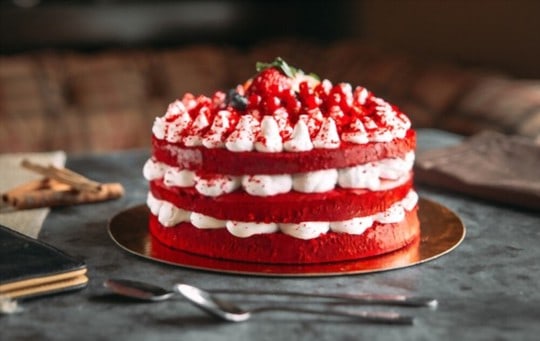
Red Velvet Cake is a popular dessert that is enjoyed worldwide.
This cake's distinguishing feature is its bright red colour which is achieved by the addition of cocoa powder and buttermilk.
The origin of this cake is murky, but it gained popularity in the United States during the 20th century.
It has a mild chocolate flavour, and its texture is moist and fluffy.
Typically, it is frosted with cream cheese icing that complements its flavours well.
For a look at how color and spice define similar dishes, read Red Curry vs Yellow Curry differences.
Ingredients Used in Blue Velvet Cake and Red Velvet Cake
Blue Velvet Cake and Red Velvet Cake have significant differences in their ingredients.
The former uses blue food coloring, while the latter uses red.
Both cakes use common baking staples such as flour, sugar, eggs, milk, cocoa powder or vanilla extract.
Blue Velvet Cake requires a small amount of white vinegar to obtain a blue hue, while Red Velvet Cake uses acidic ingredients like buttermilk and vinegar to generate a reddish hue.
Also, Blue Velvet Cake may include almond extract for a unique taste, whereas there is no need for it in Red Velvet Cake.
These minor differences make the two cakes distinct from one another.
For insights on ingredient sourcing and kit options that relate to recipe choices, see Sun Basket vs Blue Apron comparison.
Differences Between Blue Velvet Cake and Red Velvet Cake
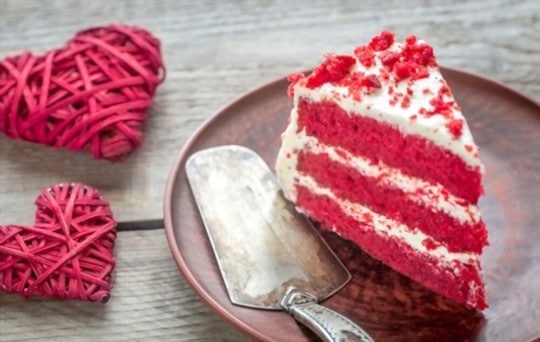
Blue Velvet Cake and Red Velvet Cake are two popular types of cakes that differ significantly in terms of color.
While Red Velvet Cake is known for its deep red color, Blue Velvet Cake has a distinct blue hue.
The primary difference between the two cakes lies in their coloring agents; Red Velvet uses cocoa powder mixed with vinegar and buttermilk, which reacts with baking soda to create a reddish tint, while Blue Velvet uses blue food coloring.
However, besides their color differences, both cakes have similar ingredients, including flour, sugar, eggs, butter or oil, and baking powder.
Both cakes also have a moist texture and cream cheese frosting.
The difference in taste is subtle, as they both share a flavor that can be described as slightly chocolaty and tangy.
Green Velvet cake exists as well.
It's made by adding green food coloring to the recipe used to make Red or Blue velvet cake.
Overall, when it comes to choosing between these colorful delights, it ultimately boils down to personal preference and whether you're more inclined towards red or blue shades.
For another side-by-side look at recipe and presentation differences, consult Marley Spoon vs Blue Apron comparison.
Color
Blue Velvet Cake is often compared to its popular cousin, Red Velvet Cake.
However, there are significant differences in terms of color, flavor, and texture.
- Color: The main difference between Red Velvet and Blue Velvet cake is obviously their color. While Red Velvet contains a bright red hue due to food coloring, Blue Velvet consists of a deep blue or navy color derived from natural ingredients such as butterfly pea flower or blueberries.
- Flavor: The addition of unsweetened cocoa powder gives both cakes a subtle chocolate flavor. Blue velvet cakes may have a slightly fruity taste because of blue coloring agents used.
- Texture: Both cakes are typically moist and spongy, but Blue Velvet may be denser due to the added natural pigments in the batter.
- Presentation: The unique rich color of Blue Velvet makes it an eye-catching dessert option for special occasions or events that call for something out of the ordinary.
Also, when it comes to frosting- Buttercream frosting complements both delicacies while cream cheese frosting compliments red velvet better than blue velvet.
As you can see, while similar in many ways, Blue and Red Velvets show distinct differences in both appearance and taste that might make one a more favorable choice over another for people with different preferences.
flavor
Blue Velvet Cake and Red Velvet Cake vary in flavor due to some unique ingredients.
While red velvet cake contains cocoa, blue velvet cake uses Blue Curacao liquor to attain its distinctive blue hue.
The cocoa in red velvet adds a subtle chocolaty note, while the Blue Curacao liqueur gives a fruity taste with a hint of orange flavor.
Also, both cakes have a similar tangy-sweet taste from the acid used to activate their leavening agents.
Red velvet cake uses buttermilk or vinegar, while blue velvet cake uses lemon juice or white vinegar.
The amount of acid determines the level of tanginess in each cake.
Also, the cream cheese frosting complements both cakes' flavors and is an essential component in their overall taste profile.
Overall, whether choosing red or blue velvet cake depends on preferred flavor and aesthetic preferences.
However, trying both will satisfy your craving for sweets with a slight tanginess.
Key Ingredients and Their Ratios
The recipe for each cake differs primarily in the key ingredients and their ratios, resulting in a difference in color, flavor, and texture.
Blue velvet cake uses blue food coloring, while red velvet cake uses red food coloring and cocoa powder.
Both cakes require butter, sugar, flour, eggs, buttermilk/vinegar mixture and baking soda/powder.
The ratio of these ingredients helps to achieve the desired outcome of a light and fluffy cake with a tender crumb.
To attain the bright blue hue in Blue Velvet Cake without altering the taste too much, bakers use ample amounts of food coloring because there are no natural blue food sources.
On the other hand, Red Velvet Cake relies on natural cocoa for its distinctive dark red color which also imparts a subtle chocolate taste to it.
To amplify this flavor further, less buttermilk is used while more cocoa powder is incorporated into the mix.
However, apart from their color schemes and distinct tastes, both velvet cakes share some common components that make them just as extraordinary as they look.
One such ingredient is cream cheese frosting which complements these cakes perfectly with its smooth tangy-sweetness balance that enhances their flavors without being too overpowering.
Taste and Texture
Blue Velvet cake and Red Velvet cake differ in both taste and texture.
The former has a unique taste with a denser and moist texture than the latter.
Blue velvet cake has a tangy flavor, whereas red velvet cake's flavor is milder with a hint of cocoa.
Blue velvet cake's texture is also more velvety due to the addition of buttermilk and vinegar.
Despite their differences, both cakes are visually appealing due to their bright hues that make them eye-catching on dessert tables.
However, blue velvet cake is relatively new compared to its classic cousin, red velvet cake, which has been popular for many decades.
In addition to taste and texture, blue velvet cake typically uses blue food coloring to achieve its color while red velvet cake uses cocoa powder for its signature hue.
Overall, both cakes have distinct characteristics that set them apart from each other imparting an individualistic flavor and character that makes them uniquely different from one another.
Similarities Between Blue Velvet Cake and Red Velvet Cake
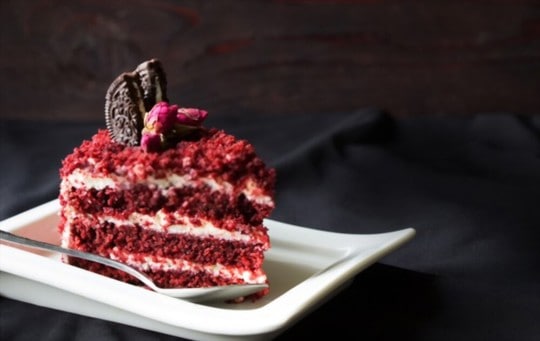
Blue Velvet Cake and Red Velvet Cake share numerous similarities, primarily in their ingredients and recipe.
Both cakes are typically made using cocoa powder, vinegar, buttermilk, and baking soda to achieve a moist texture.
The cakes' primary difference is the substitution of food coloring - red for Red Velvet Cake and blue for Blue Velvet Cake.
Also, both cakes are commonly frosted with cream cheese frosting, complementing their tangy flavor.
For another comparison that highlights material swaps and small differences, check Blue Carbon Steel vs Carbon Steel comparison.
Frosting Options for Blue Velvet Cake and Red Velvet Cake
Frosting Choices for Blue and Red Velvet Cakes are essential to complement their unique flavors.
The following list explores exciting frosting options that will make your cake stand out.
- Cream cheese frosting: A classic option for both red and blue velvet cakes, popular due to its tanginess that balances the sweetness of the cake.
- Buttercream frosting: This flavorful frosting adds a rich taste to Red Velvet Cake, while it also goes with the blue velvet cake with its light flavor.
- Whipped cream frosting: Whipped cream blends suitably with both cakes because it does not overpower the subtler flavors.
- Fondant/Gum Paste: While unconventional, these are great options for those who prefer decorated or dipped cakes instead of frosted ones.
- Royal Icing: A professional-grade icing perfect for elaborate decorations.
Cream cheese and buttercream frostings should be in proportion to not overpower the flavors of either cake.
Being creative with your choice of sponge filling can also add a layer of depth and complexity to each recipe.
For a breakdown of texture and flavor trade-offs between coatings, see Ganache vs Frosting comparison.
Visual and Flavor Differences: Blue vs Red Velvet Cake
Blue Velvet Cake and Red Velvet Cake differ primarily in their color, taste, and ingredients.
While both cakes have a vanilla cocoa flavor, Blue Velvet is made with blue food coloring while Red Velvet has red food coloring.
Also, Blue Velvet has cream cheese frosting while Red Velvet traditionally uses buttercream frosting.
Both cakes have a rich history and cultural significance in the U.S.
So, whether you choose to indulge your sweet tooth with a slice of Red or Blue Velvet cake ultimately depends on your personal preference and love for creamy delights.
Frequently Asked Questions
It has a similar texture and flavor to the red velvet cake, but with a different hue. They share some similarities but each has qualities that make it better suited for certain recipes.
Often, yes. The two share enough common ground that most palates won't notice a swap.
Blue Velvet Cake is usually milder while Red Velvet Cake brings more intensity.
Nutritional differences exist but are often minor in typical serving sizes. Neither is universally healthier - it depends on what specific nutrients or dietary goals you are focused on.
Which stores better after opening?
Once opened, one keeps better in the refrigerator with proper sealing.
The other may oxidize or separate more quickly, so using it promptly or in smaller quantities works better.
Blue Apron vs Plated offers a direct meal-kit comparison for users weighing service features. Blue Apron vs Plated: Comparing Meal Kit Delivery Services Funnel Cake and fried dough both satisfy similar cravings and textures; Funnel Cake vs Fried Dough: What's the Difference?