
Do you often get confused between broiling and grilling your food?
With this article, you can find out whether grilling or broiling is the better option for your meal.

What is Broiling?
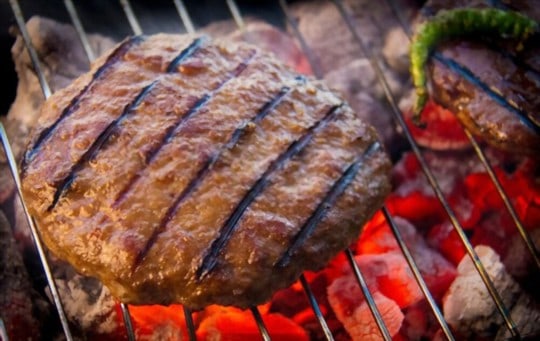
Broiling is a cooking method that uses high heat from above to cook food quickly.
In broiling, the heat source is located at the top of the oven and the food is placed on the lower rack.
The heat radiates downwards and cooks the food directly.
This method is often used for making steaks, fish fillets, vegetables or any dish that requires quick cooking.
When broiling, it's important to keep an eye on the food as it cooks quickly and can easily burn if left unattended.
It's recommended to preheat your oven before broiling and place the food on a greased tray or wire rack to allow air circulation for even cooking.
If you're looking for crispy golden-brown crusts in your dishes, then broiling might just be the technique for you.
But let's not forget its counterpart - Grilling.
For broiled desserts that pair well with citrus, review the lemon dessert pairings list for complementary flavor ideas.
What is Grilling?
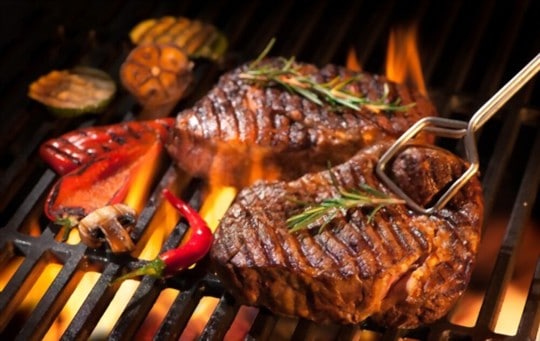
Grilling is a method of cooking food over an open flame or hot coals.
It is different from broiling as it involves using direct heat to cook the food.
This heat can come from gas, charcoal, or wood-fired grills, and can be adjusted to control the temperature at which the food cooks.
When grilling, the food is placed directly on the grill grate or in a specialized grilling basket.
The high heat causes a Maillard reaction, browning and caramelizing the surface of the food while retaining its juices and creating distinctive smoky flavors.
Another aspect that sets grilling apart from broiling is the ability to add flavor through smoking.
Grilling allows for smoke to penetrate into the food, imparting additional taste dimensions that cannot be achieved by broiling.
In summary, grilling involves cooking food over an open flame or hot coals while adding flavor through smoking.
It uses direct heat from gas, charcoal or wood-fired grills to produce distinct flavors by caramelizing and searing the surface of food.
For grilling-friendly dips and snacks to serve alongside cooked proteins, check what to eat with guacamole combos for pairing inspiration.
Differences Between Broiling and Grilling

Broiling and grilling are two cooking methods that are often used interchangeably, but there are some significant differences between them.
The biggest difference between broiling and grilling is the source of heat - broiling comes from above while grilling comes from below.
This difference affects everything from the type of food that can be cooked to how long it takes to cook.
Because broiling uses extremely high temperatures, foods cooked this way typically have shorter cooking times than those cooked on a grill.
This is because the intense heat cooks both sides of the food evenly and quickly.
On the other hand, grilling usually involves lower temperatures and longer cooking times.
This method allows for more control over how much heat is applied to the food and requires more attention to avoid overcooking or burning.
Overall, both broiling and grilling have their advantages depending on what you're cooking and your personal preferences.
If a broiling pan isn't available, 5 best alternatives for broiling pan outlines practical substitute options that withstand high heat.
Cooking Method
Cooking method is the process where food is prepared for consumption by using different techniques.
Broiling and grilling are two common cooking methods that are often misunderstood, but they have a significant difference that sets them apart.
Broiling method uses high temperatures to cook the food quickly, and it involves placing the food on a rack directly beneath heating elements attached to the ceiling of an oven.
The heat source comes from above, and the broiler element creates quick searing heat (around 500 F°) which results in slightly charred marks on what's being cooked.
On the other hand, Grilling is a cooking method that uses direct heat from either gas, charcoal, or electric grill.
The heat source comes from below, and the food cooks directly on top of the grid.
The temperature for grilling may vary upon the food being grilled, but it's usually around 475 F°.
It is essential to know which technique requires what kind of Cut and whether you are going for Grill, or Broil as each process demands different varieties of cuts, and the texture you're looking to get from your Protein has to be good enough for consumption without leaving its nutritional values behind.
For dishes that rely on acidic or winey notes, see white cooking wine versus vinegar comparison to understand how each will affect flavor.
Heat Source

The term 'Heat Source' refers to the type of heat used for cooking food, and it varies depending on the method.
For broiling, the heat source comes from above the dish, while for grilling, it comes from below.
Broiling involves cooking food with high heat that comes from above the dish.
The direct exposure to intense heat makes it ideal for quick-cooking thin cuts of meat or vegetables that require a crispy exterior.
On the other hand, grilling is done using heat from below.
This method is ideal for larger cuts of meat like chicken or steak since it takes longer to cook them evenly.
Grilling requires more preparation and attention compared to broiling as you must ensure that there is an even distribution of heat while frequently turning them over.
Overall, both methods have their own unique qualities and are perfect for various occasions.
Understanding the difference between these two methods will help you choose which one would work best in different cooking scenarios.
Cooking Temperature and Time
An important difference lies in the cooking temperature and time.
Broiling is a high-heat method that typically involves cooking at temperatures between 400°F to 500°F for a short period of time, usually just a few minutes per side.
On the other hand, grilling is often associated with lower heat, in the range of 300°F to 400°F or lower, and longer cooking times.
Grilling can take longer because the heat source is farther away from the food than in broiling.
Also, many grill recipes involve using indirect heat or turning the food frequently to ensure even cooking on all sides.
As a result, grilling requires more patience and skill compared to broiling.
There are some variations within both methods as well.
For example, some recipes may call for lower or higher temperatures depending on the thickness of the cut of meat or other factors.
Also, both broiling and grilling can also be done with gas or charcoal grills, which have their own nuances when it comes to temperature control.
Understanding how different temperatures affect your food is key when deciding between broiling and grilling.
While broiling provides fast results at high temperatures, grilling takes its time over lower heats.
To manage flare-ups and even oil coverage when broiling or grilling, consult oil mister vs cooking spray comparison for which option works best.
Food Preparation and Seasoning
To prepare meat, it is important to season it properly so that the flavors are enhanced.
There are different ways to season meat, depending on the type of dish being prepared.
For example, a marinade can be used to penetrate the meat and add flavor, or dry rubs can be used for a more crispy and flavorful exterior.
It is important to remember that the flavors should complement each other.
Too much salt or spice can overpower the meat and ruin its natural taste.
It is also important to use fresh herbs and spices whenever possible for the best results.
While there are many different methods of seasoning, it ultimately depends on personal preference and what type of dish is being prepared.
Experiment with different flavors and techniques to find what works best for you.
Broiling and grilling are two popular cooking methods that involve cooking food at high temperatures using direct heat.
Both methods require a source of heat, such as gas or charcoal, which is placed under or over the food being cooked.
When making mashed sides to serve with grilled or broiled meats, food mill vs ricer comparison for texture helps choose the right tool for desired creaminess.
Similarities Between Broiling and Grilling

Broiling and Grilling are two popular ways of cooking that involve high heat for short cooking times.
In this section, we will discuss some similarities between broiling and grilling.
Both broiling and grilling require high heat to cook food quickly.
They also have short cooking times, meaning that you can cook your food in just a few minutes.
Another similarity is that both methods produce caramelization, creating a crust on the surface of the food, adding flavor and visual appeal.
One key similarity between broiling and grilling is how easy they are to set up.
You can simply turn on your oven's broiler or light up your grill, and you're ready to go.
Both methods allow you to cook meat, fish, vegetables, or fruits.
Another similarity is that both of them offer different levels of control over the heat intensity.
You can adjust the distance between your food and heating element during broiling or regulate the flame level during grilling to ensure even cooking.
Which Method Should You Use: Broiling or Grilling?
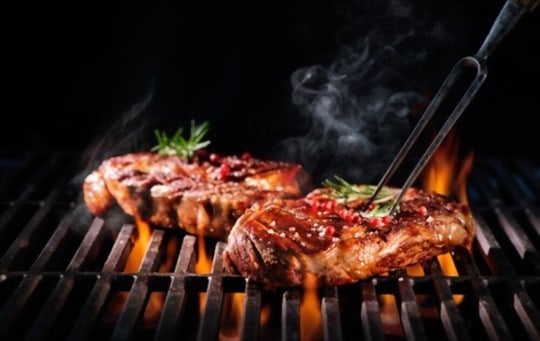
Whether it be broiling or grilling, there are a few factors you may want to consider.
Each method has its own strengths and weaknesses, and some dishes lend themselves better to one method over the other.
When deciding between broiling and grilling, think about what you are cooking.
If you're making thin cuts of meat or seafood that cook quickly, broiling is probably your best bet.
For thicker cuts that need a longer cook time or vegetables that can benefit from being cooked more slowly, grilling may be your better choice.
Another factor to consider is the weather.
Grilling is an outdoor activity, so if it's raining or cold outside, you'll have to either tough it out or opt for indoor cooking methods such as broiling.
On the other hand, if you have a nice day outside and want to enjoy the sunshine while cooking, grilling may be perfect for you.
Ultimately, the decision between broiling and grilling comes down to personal preference and what will work best for your specific dish and situation.
It's always good to experiment with different methods and see which ones produce the best results for your favorite foods.
Broiling vs Grilling: Cooking Method Differences
While both methods use similar techniques, they differ in terms of the heat source and distance between the food and the heat.
Broiling can be done indoors while grilling requires outdoor space or specific equipment like a grill pan or electric grill.
However, both methods require close attention as high heat can overcook your food quickly.
Keeping this in mind can help you choose which method is best suited for your needs.
Managing oil application affects grilling results; oil mister vs cooking spray comparison explains options. For broiling equipment substitutes, 5 best alternatives for broiling pan lists suitable pans and racks.
Frequently Asked Questions
Read on to learn the key differences, so you can make an informed decision while cooking. They share some similarities but each has qualities that make it better suited for certain recipes.
Consider what result you are after. Broiling and Grilling each have strengths that suit different situations.
Neither is universally better - context decides.
Pricing varies by brand and region, but one is typically more accessible at everyday price points. The other may cost more due to specialization or limited supply.
Is there a best time to use each one?
One shines in applications requiring subtlety and background support.
The other is better when it is meant to be a center.
Matching the right one to its role makes a noticeable difference.