
Summary of key points
The main difference between Cabernet Franc and Cabernet Sauvignon lies in their characteristics and flavors. Cabernet Franc is known for its lighter body, softer tannins, and herbaceous notes of bell pepper or tobacco.
In comparison, Cabernet Sauvignon has a fuller body, more intense tannins, and flavors of dark fruits like black currant or cherry. While both are delicious red wines, Cabernet Franc is often used in blends to add complexity, while Cabernet Sauvignon is highly sought after as a standalone varietal.
Try out different bottles to discover which one you prefer and enjoy the unique nuances of these popular wines! Remember to pair them with your favorite cheese or meat for an even more enjoyable tasting experience.
In the grand scheme of wines, Cabernet Franc and Cabernet Sauvignon might seem like distant cousins. Yet, they share a DNA that's more entangled than a soap opera family tree.
Cabernet Franc is like that cool aunt who knows how to party but keeps it classy. Cabernet Sauvignon
? Think of it as the bold uncle who's a bit of a show-off but in the best way possible.
I once chose a Cabernet Franc for a dinner date. Spoiler alert: It paired perfectly with my burnt lasagna.
Lesson learned; wine can save the day.
Each of these wines brings something unique to the table. Cabernet Franc, often lighter and more floral, dances on the palate.
Cabernet Sauvignon, rich and strong, demands attention. It's a showdown of finesse versus force.
Who will win? That's for us to decide.
What is Cabernet Franc?
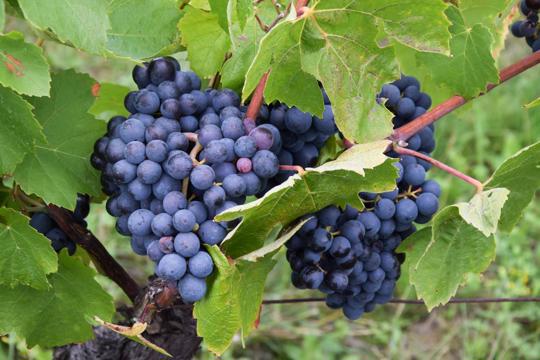
Cabernet Franc is a red grape variety that's popular worldwide.
It's known for its elegant and aromatic qualities, making it loved by wine connoisseurs.
This grape's origins are in France's Bordeaux region.
People appreciate its unique flavors and versatility.
This variety is often used to blend red wines, especially Bordeaux blends.
It contributes complexity and depth to the final product.
Single-varietal Cabernet Franc wines are medium-bodied, with flavors of blackcurrant, raspberry and, sometimes, green bell pepper or herbaceous undertones.
Cabernet Franc is different from its sibling variety, Tempranillo vs Cabernet Sauvignon comparison.
It has lighter tannins and slightly lower acidity, making it smoother and more approachable at a younger age.
While Cabernet Sauvignon is bold and structured, Cabernet Franc is delicate and refined.
Cabernet Franc reflects the area it's grown in.
Different regions produce different expressions of the grape, showing nuances and characteristics specific to their climate and soil.
From France's Loire Valley to California's Napa Valley, each region imprints its own uniqueness.
Cabernet Franc pairs well with a range of foods.
Its bright acidity and herbal notes make it a great choice for roasted veggies, grilled meats, and tomato-based pastas.
Your choice between Cabernet Franc and Cabernet Sauvignon depends on your personal taste.
Do you like bold and structured wines with intense flavors? Go for Cabernet Sauvignon.
Or do you prefer an elegant, aromatic wine with softer tannins? Try Cabernet Franc.
What is Cabernet Sauvignon?
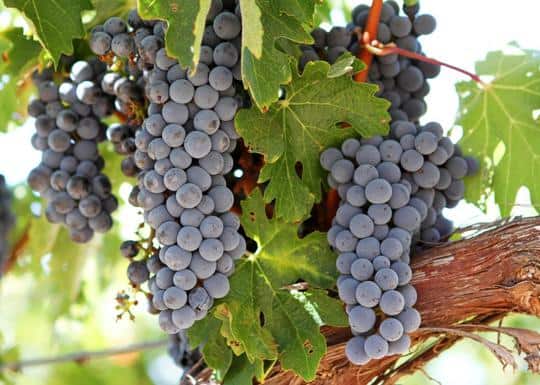
Cabernet Sauvignon, known as the "King of Wines," is a bold and full-bodied red.
It was first grown in the Bordeaux region of France centuries ago.
Now, it's one of the most widely planted grapes in different climates and soils.
It's celebrated for its aroma and complex flavor.
Notes of black currant, plum, cherry, tobacco, and cedar have been detected.
Its tannins are firm yet refined, which creates structure and aging potential.
With high acidity levels, Cabernet Sauvignon can age gracefully.
What makes it unique is its balance of fruitiness and strongness.
It pairs easily with red meats, game dishes, aged cheeses, and dark chocolate.
It's often blended with other grapes to create interesting blends.
Merlot or Cabernet Franc add depth and complexity.
Region influences Cabernet Sauvignon's characteristics.
Bordeaux wines tend to have firm tannins and earthy undertones, while those from Napa Valley, California display ripe fruit and velvety textures.
Exploring Cabernet Sauvignon is worthwhile - it's a journey that novice and connoisseur can enjoy.
Indulge in its boldness and richness as you savor each sip of this remarkable wine that has captivated wine enthusiasts for centuries.
For dessert pairings that contrast a bold red, consider citrus elements; what pairs with lemon in desserts lists nine complementary options.
Differences Between Cabernet Franc and Cabernet Sauvignon
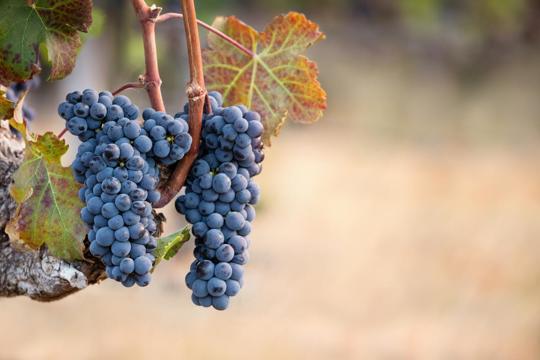
Both have special qualities that please different palates.
Franc gives an elegant experience while Sauvignon delivers a bolder one.
It's up to you and the occasion to decide which one to go for.
Wine lovers will surely enjoy either Cabernet Franc or Cabernet Sauvignon.
Origins and History
Cabernet Franc and Cabernet Sauvignon can be traced back to ancient times.
Each has its own story. They're both important in making wine.
Cabernet Franc likely started in France's Bordeaux region.
It was used to add complexity to blends. Winemakers grew to appreciate it alone.
It's now grown around the world. Cabernet Sauvignon is younger.
It's a cross between Cabernet Franc and Sauvignon Blanc, made in the 17th century.
It's bold and full-bodied with intense flavor and aging potential.
These two grapes have distinct traits.
Cabernet Franc is light, with soft tannins and red fruit aromas.
Cabernet Sauvignon is richer, bolder with firm tannins and black fruit notes.
Both have spread worldwide.
Winemakers can experiment with different techniques and terroirs to make unique wines.
Grape Characteristics and Growing Conditions
Grape Characteristics & Growing Conditions: When picking between Cabernet Franc and Sauvignon, it's key to consider their unique traits and growing conditions.
Cabernet Franc grows best in cooler climates.
It's aromatic with notes of bell pepper, tobacco, and violets.
Tannins are light, mouthfeel is softer than Sauvignon.
Sauvignon flourishes in warmer areas, like Napa Valley and Bordeaux.
It produces full-bodied wines with flavors of blackcurrant, cedar, eucalyptus, and tobacco.
Tannins are strong and aging potential is high. Both need well-drained soils.
Sauvignon prefers higher temps and more sun.
In terms of aging, Sauvignon has the advantage due to higher tannin levels.
It can benefit from longer cellaring. It's up to personal taste and growing conditions in your region.
Both offer unique characteristics worth exploring for those seeking complexity and depth in their wines.
For a look at basic grape color differences that affect flavor and growing needs, see white grape vs green grape differences.
flavors and Aromas
Cabernet Franc and Cabernet Sauvignon: two noble red wines. But, they have distinct characteristics.
Cabernet Franc's flavor is herbaceous and savory.
It also has notes of bell pepper, tobacco, and violet.
Plus, its body is lighter and tannins softer.
On the other hand, Cabernet Sauvignon is bold and intense.
It has black fruit aromas like blackcurrant, blackberry, and plum.
Also, it has hints of vanilla, cedarwood, and baking spices.
Its tannins and acidity are higher, plus a full-bodied experience on the palate.
These red wines differ in food pairing.
Cabernet Franc's light body complements roasted pork tenderloin or grilled veg.
Meanwhile, Cabernet Sauvignon pairs well with bolder food like seared steak or aged cheeses.
For vegetable-forward dishes that echo herbaceous wine notes, try Mediterranean vegan bowl recipes for fresh flavors.
Tannin and Aging Potential
Cabernet Franc and Cabernet Sauvignon are two popular wines.
They differ in tannin levels and aging potential.
Tannins come from grape skins, seeds, and stems.
They give structure, bitterness, and age-ability to a wine.
Cabernet Sauvignon has higher tannins than Cabernet Franc.
It gives strong, intense flavor with firm tannins. It also has a good aging potential.
On the other hand, Cabernet Franc has lower tannins.
It is smoother and more approachable.
Flavors include raspberry, cherry, and plum.
Its tannins are gentler, making it perfect for those who don't like a lot of grip.
Both wines can age, but Cabernet Sauvignon needs longer.
Cabernet Franc can reach its peak flavor sooner.
If you prefer bold and structured wines, then Cabernet Sauvignon is a good choice.
But if you like fruit-forward wines, go for Cabernet Franc.
Both wines offer unique characteristics.
Similarities Between Cabernet Franc and Cabernet Sauvignon

Cabernet Franc and Cabernet Sauvignon have much in common.
Both hail from the Bordeaux region of France and are widely planted around the world.
These two popular red grapes create wines with deep colour, firm tannins and aging potential.
They are often blended with other varietals to make complex wines.
Their bold flavours have made them global favourites.
These two grapes need similar climates to thrive.
Warm temperatures and well-drained soils are essential.
The flavours of dark fruit, like blackberry and black currant, plus herbal notes of bell pepper or green pepper, add complexity.
Both Cabernet Franc and Cabernet Sauvignon age well due to their high tannin content.
With good cellaring, the wines become even more elegant with enhanced aromas and softer tannins.
There are differences, such as flavour intensity, acidity and overall structure, it's the shared attributes that make these grapes special.
Whether on their own or blended, they offer a complexity that wine lovers adore.
Comparing Food Pairing with Cabernet Franc and Cabernet Sauvignon
Some factors should be considered.
Both wines have unique characteristics which can enhance different meals.
Cabernet Franc has a lighter body than Cabernet Sauvignon.
This means it pairs well with lighter meats, like chicken or pork.
It has herbal notes and a hint of green pepper, adding depth without taking away from the flavors.
On the other hand, Cabernet Sauvignon is well-known for its full-bodied flavor and strongness.
Thus, it complements rich red meat dishes such as steak or lamb well.
The bold tannins and dark fruit flavors improve the intensity of these meats, creating a great pairing.
These two wines can both be versatile.
Yet, they both have their own qualities which make them shine in certain situations.
Cabernet Franc works well with lighter meats, while Cabernet Sauvignon is ideal for heartier fare.
Also, each wine can be enjoyed alone as a drink.
So, if you're throwing a dinner party or simply having a glass after work, Cabernet Franc and Cabernet Sauvignon will both provide an enjoyable experience.
In summary, the choice between the two depends on your personal preferences and the specific dish you're serving.
Both wines have their own special qualities and flavors, so don't be afraid to try out new combinations that suit your taste.
When preparing side dishes that pair with these wines, choose the right tool - food mill vs ricer comparison for sides explains which works best for different textures.
Regional Variations and Popular Blends
Cabernet Franc and Cabernet Sauvignon offer a wide range of choices to wine lovers.
These two red grapes possess distinct features.
In Bordeaux, France, Cabernet Sauvignon is often blended with Merlot and other grapes to create complex wines.
Meanwhile, Cabernet Franc dominates the Loire Valley, producing light-bodied wines with shades of red fruit and herbs.
California's Napa Valley celebrates both grapes for their rich and full-bodied qualities.
Here, they bring intense flavours of black currant, blackberry, and dark chocolate.
When used as a blending grape, Cabernet Franc adds complexity to Bordeaux-style blends.
It also shines on its own, with fragrances of raspberry, pepper, and violet.
On the other hand, Cabernet Sauvignon is well-known for its bold flavours of black fruit, cedar, and tobacco.
It can age well in oak barrels. Both grapes work together to create balanced mixtures.
Cabernet Franc gives elegance and spices to a blend. It all comes down to what you like.
If you're after flavoursome, age-worthy wines, Cabernet Sauvignon is the one for you.
If you prefer a delicate, herbaceous flavour, explore the world of Cabernet Franc.
Selecting Cabernet Franc or Cabernet Sauvignon
After looking at all the data, it's clear that there is no definite answer to the question of whether Cabernet Franc or Cabernet Sauvignon should be chosen.
Both vintages bring something unique to the table, with each offering distinct sensory characteristics and production advantages.
Cabernet Sauvignon is more popular because of its bolder flavor and tannic structure, while Cabernet Franc offers richer aromas and a bright acidity level.
In any case, there are sure to be many factors that influence your opinion, the most important of all being personal preference.
Whether you're looking for an alternative to Cabernet Sauvignon or seeking out a specific type of wine experience, don't skip over the wonderful complexities of Cabernet Franc.
It can reveal deeper layers of flavor in a glass than many other wines, making it a surprisingly diffuse option for any occasion.
Lastly, as experts always suggest-it's best to experiment with different blends before deciding on a particular vintage; explore what each variety has to offer so that you can find the perfect one for yourself.
Frequently Asked Questions
The main difference between Cabernet Franc and Cabernet Sauvignon lies in their characteristics and flavors. They share some similarities but each has qualities that make it better suited for certain recipes.
Often, yes. The two share enough common ground that most palates won't notice a swap.
Cabernet Franc is usually milder while Cabernet Sauvignon brings more intensity.
Nutritional differences exist but are often minor in typical serving sizes. Neither is universally healthier - it depends on what specific nutrients or dietary goals you are focused on.
Which stores better after opening?
Once opened, one keeps better in the refrigerator with proper sealing.
The other may oxidize or separate more quickly, so using it promptly or in smaller quantities works better.
Tempranillo offers another useful grape comparison for readers exploring varietal differences - Tempranillo vs Cabernet Sauvignon comparison. For lighter, herb-forward dishes that pair with Cab Franc, try plant-based bowls listed in Mediterranean vegan bowl recipes for fresh flavors.