
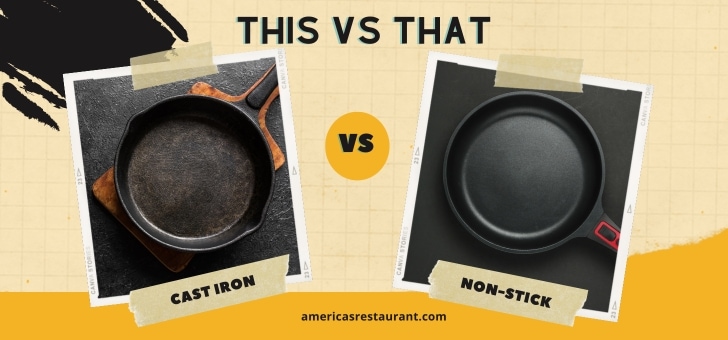
In the kitchen showdown of the century, we're pitting cast iron against non-stick.
Fact: Both bring something unique to the table.
Cast iron-one of the oldest materials in the cookware universe. It gets better with age. Seriously.
Non-stick? A newbie in comparison, yet, its ease of use is unmatched.
Imagine flipping pancakes with the flick of the wrist.T0
Our personal take? We've had some epic fails and triumphs with both.
Ever tried cooking eggs in cast iron without it becoming a cleaning nightmare? Yup, we've been there.
And non-stick pans-perfect until you scratch it. Then it's a slide downhill.
We're here to share our journey, struggles, and victories.
Each of us has a favorite. What's yours?
Understanding Cast Iron Cookware
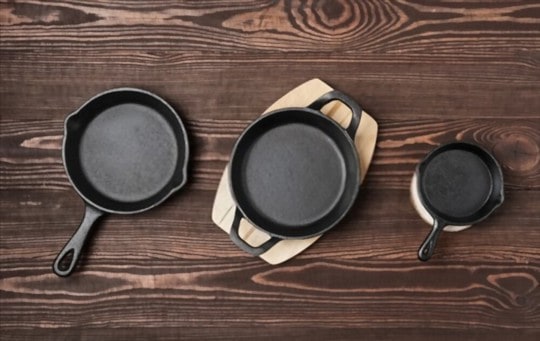
Cast iron cookware has been used for ages due to its durability and heat retention properties - or compare it with a comal in this comal vs cast iron comparison to see which suits specific cooking tasks.
It is a versatile option that can be used for frying, baking, searing and even grilling.
The thick metal provides an even heat distribution, making it an excellent choice for slow cooking or dishes that require high temperatures.
As a result, food cooked in cast iron retains more moisture and takes on a unique flavour profile.
In addition to its cooking capabilities, cast iron also has health benefits.
Unlike non-stick pans that are coated with chemicals that can seep into food during cooking, cast iron is made purely from metal, making it 100% chemical-free.
Also, when seasoned properly, the cookware becomes naturally non-stick over time.
However, the maintenance of cast iron cookware demands more effort than other options.
Cleaning requires special care as soap and water can strip away seasoning acquired naturally over time.
To avoid rusting and maintain quality performance, the cookware must also be dried thoroughly after each use and periodically re-seasoned.
Overall, cast iron offers exceptional cooking results but requires greater care in preserving its quality than non-stick cookware.
Understanding these differences makes it easier to choose which option works best based on individual preferences.
Understanding Non-Stick Cookware
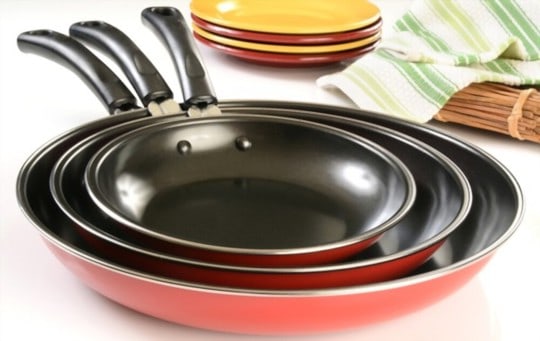
Cooking with non-stick cookware has become increasingly popular in recent times due to its convenience and ease of use.
Unlike traditional cookware, non-stick coating prevents food from sticking to the surface, making it effortless to clean.
However, not all non-stick cookware is equal, and it's important to understand the variations before purchasing.
When shopping for non-stick cookware, consider the type of coating used as it can affect both the cookware's quality and price - for a direct brand-level contrast, see Scanpan vs GreenPan cookware comparison.
PTFE (polytetrafluoroethylene) is commonly used in cheaper versions, while ceramic and diamond-infused coatings are more durable but pricier options.
It's also worth noting that overheating or using metal utensils on non-stick surfaces can damage the coating over time.
Still, with proper care and maintenance, non-stick cookware can last years without wear and tear.
Differences Between Cast Iron and Non-Stick Cookware

Cast iron and non-stick cookware differ in many ways, affecting cooking style, durability, and maintenance - a similar metal-focused comparison is available in wrought iron skillet vs cast iron comparison.
Cast iron offers a natural non-stick surface but needs seasoning and careful cleaning.
Meanwhile, non-stick pans are more convenient to clean but are prone to scratching and damage.
Both types of cookware have pros and cons that should be considered before making a purchase decision.
Also, factors such as heat retention and cooking versatility make a significant impact on the ultimate choice.
Material Composition
Cast iron and non-stick are two popular materials used in cookware.
While both have their benefits, it's important to consider their respective material compositions before making a final choice.
Cast iron is composed of a mixture of iron, carbon and silicon while non-stick is made by applying a coating of polytetrafluoroethylene (PTFE) or ceramic onto a metal surface.
Both materials have unique characteristics that can affect cooking performance and durability.
Heat Distribution and Retention
Heat distribution and retention are important factors that can affect the end result.
Cast iron and non-stick cookware both have their strengths and weaknesses in these areas.
Cast iron is known for its excellent heat distribution and retention, which means it heats up evenly and stays hot for longer periods of time.
Non-stick cookware, on the other hand, may not distribute heat as evenly but it heats up quickly due to its lightweight construction.
What sets cast iron apart is its ability to retain heat even after being removed from the stove or oven.
This makes it ideal for dishes that require searing or slow-cooking.
Due to its weight and thickness, cast iron takes longer to heat up than non-stick cookware but once it does, it can maintain a consistent temperature throughout the cooking process.
Non-stick cookware may not have the same level of heat retention as cast iron but it's great for quick and easy meals that don't require prolonged cooking times.
Its slick surface allows food to slide off easily without sticking, making it less likely for food to burn or overcook.
In summary, when choosing between cast iron and non-stick cookware, consider what you'll be cooking and how much time you have to prepare your meal.
Cast iron is great for dishes that require longer cooking times while non-stick is better suited for quick meals.
Both options have their advantages and disadvantages so ultimately, your decision should come down to personal preference and what works best for you.
Cooking Performance and Versatility
Cooking with both cast iron and non-stick pans provides optimal performance and versatility in different ways.
Cast iron pans distribute heat evenly and retain heat for longer, making them ideal for searing, roasting, and baking.
Non-stick pans allow for easy food release and require less oil or butter for cooking, making them great for delicate foods like eggs and pancakes - for how cooking liquids and acids affect flavor, see white cooking wine vs white wine vinegar comparison.
Both have their advantages and can be used interchangeably depending on the desired outcome.
Maintenance and Durability
For the long-term use of your cookware, it is essential to maintain its durability and longevity.
Taking care of the cooking equipment ensures that they remain in optimal shape for longer.
- Cast Iron cookware requires seasoning before initial use to increase its lifespan and make it non-stick. It is also dishwasher safe but is recommended to wash by hand due to its weight.
- Non-Stick cookware is easier to clean due to its smooth surface but must be handled carefully as they scratch quickly with rough materials or utensils. Avoid using metal utensils on non-stick pans as they can damage the coating. Instead, opt for wooden or silicone utensils.
- Using abrasive cleaners or scrubbers can damage both Cast Iron and Non-Stick cookware's surfaces.
- Proper storage of cookware ensures that their durability is maintained. Hang them safely or stack them neatly without forcing any fitting.
Keeping these points in mind, you can extend the longevity of your cookware significantly.
Be mindful and careful while using them, and they will serve you delicious meals for years to come.
Similarities Between Cast Iron and Non-Stick Cookware
Cast iron and non-stick cookware share some striking similarities.
Both types of cookware are designed to make cooking easier by preventing food from sticking to the surface - for another oven-to-surface comparison, consider pizza stone vs cast iron comparison to see how heat-holding surfaces differ.
They are suitable for various cooking styles such as sautéing, frying, and baking.
Another similarity is that they both come in different shapes and sizes, allowing you to choose the ideal one for your needs.
Both cast iron and non-stick cookware require minimal effort.
Cast iron requires a simple seasoning process before use, while non-stick has a coating that prevents food from sticking, making it extremely easy to clean.
One unique similarity between these two types of cookware is their ability to retain heat evenly throughout the pan or pot during cooking.
This means that your food will be cooked uniformly without any burnt or undercooked portions.
Considerations When Choosing Between Cast Iron and Non-Stick Cookware
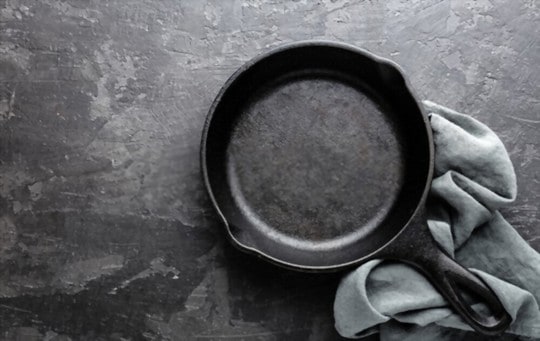
When choosing cookware, there are important factors to consider for both cast iron and non-stick options.
Cast iron offers durability and versatile cooking options with proper seasoning and maintenance - and for a look at how material choice affects tools, see tortilla press wood vs cast iron comparison.
In contrast, non-stick cookware is convenient for low-fat cooking and easy clean-up.
When deciding between the two, personal preference, cooking habits, and desired outcomes should be taken into account.
Also, consider the potential health risks associated with certain types of non-stick coatings and their environmental impact.
Cooking Needs and Preferences
For cooks, choosing between cast iron and non-stick cookware is often based on individual cooking needs and personal preferences.
Cast iron skillets are suitable for searing meat and baking pies, while non-stick pans work well for eggs or pancakes due to easy clean-up.
Also, non-stick coatings may be better for those who prefer to cook with less oil and fat, whereas cast iron is naturally non-stick when properly seasoned - for options on applying oils while cooking, see oil mister vs cooking spray comparison.
Ultimately, the choice depends on one's cooking style and priorities in terms of maintenance and healthfulness.
Cleaning and Maintenance
Maintaining the quality of your cookware is key to making sure its longevity.
Here's a guide on how to keep your pots and pans in excellent shape.
- For Cast Iron: After use, rinse the pan with hot water and wipe it clean with a soft sponge. Avoid using soap as it strips off the seasoning. Dry it over low heat on your stove and apply a thin layer of oil before storing.
- For Non-Stick: To protect the non-stick coating, avoid using metal utensils that can scratch it. After cooking, let the pan cool down before immersing it in warm soapy water for easy cleaning.
- For both: Never soak your cookware for too long or stack them up as they can scratch or damage each other. Store them in a dry area with circulated air to avoid moisture build-up.
- Clean stubborn stains by using baking soda or vinegar with warm water for cast iron. For non-stick, avoid using abrasive cleaners that can damage the coating.
- If there are scratches or chips on your non-stick surface, consider replacing them as they will release harmful fumes when heated without any guarantee that they won't mix into your food.
- Frequent upkeep of cookware guarantees performance and safety during cooking; thus, developing essential daily habits of maintenance is critical.
Lastly, remember that proper care of cookware not only enhances its lifespan but also ensures consistently enjoyable meals from hygiene maintained pans while keeping toxic chemicals out of food (and thereby) out of you.
Cost and Longevity
It's important to consider both its lifespan and cost effectiveness.
Discovering a cooking vessel that will consistently provide you with healthy and flavorful food while lasting for years is a important element of any cook's kitchen.
Cast iron and non-stick are two popular options;
Cast iron cookware can last for generations if taken care of properly.
Although it may come with a higher initial price tag, cast iron offers great value for money over time due to its ability to hold onto heat, distribute it evenly across the surface, and provide additional health benefits through iron fortification.
In contrast, non-stick coating is more vulnerable to flaking and wear after regular use, which can compromise its non-stick properties over time.
Also, in terms of longevity, cast iron also wins out due to its manufacturing process where it does not contain harmful chemicals that tend to deteriorate the material quickly.
Therefore attention must be provided when choosing between these two options as various factors need evaluation such as how often one cooks and for how long cooking durations typically are.
Overall, both options have unique advantages that make them suitable for specific cooking needs.
It really depends on your individual preferences but between cost efficiency and longevity- cast iron takes the cake.
Benefits of Cast Iron Cookware
There are various factors to consider.
Both types of cookware have their unique features and benefits.
Cast iron is known for its durability, heat retention, and versatility.
On the other hand, non-stick cookware makes cooking easy and requires less oil.
Considering these factors, there is no one-size-fits-all answer to whether cast iron or non-stick is better.
It ultimately depends on personal preference and cooking needs.
Cast iron may be ideal for those who want a long-lasting and versatile option that can handle high temperatures.
Non-stick coatings may be beneficial for those who want a low-maintenance option that makes cooking easier.
Ultimately, the choice between cast iron and non-stick cookware depends on various factors such as budget, cooking style, health concerns, and more.
It's important to weigh the pros and cons of both options before making a decision.
Flat iron and flank steaks suit different cooking methods. Flat iron vs flank steak comparison explains those differences. For breakfast appliance choices, waffle maker vs waffle iron comparison outlines key functional contrasts.
Frequently Asked Questions
Understanding these differences makes it easier to choose which option works best based on individual preferences. They share some similarities but each has qualities that make it better suited for certain recipes.
In many recipes, yes. Cast Iron and Non-Stick fill similar roles, though each brings its own character.
Try a small test batch before committing to a full swap.
Availability varies by region. One is usually a standard grocery store item while the other may require a specialty or international market depending on where you live.
Can a beginner tell the difference by taste?
In a side-by-side tasting, yes.
The difference becomes less obvious when mixed into a recipe with other ingredients.
Most people notice the distinction more clearly on its own.