
Summary of key points
Ceramic and Porcelain Dishes differ significantly in terms of composition, durability, and use. Porcelain dishes are made from a refined clay and fired at higher temperatures, resulting in a denser, more durable, and often more expensive product that is generally white and can have a translucent quality.
Ceramic dishes, while also made from clay, are fired at lower temperatures, resulting in a wider range of colors and textures but making them less durable than porcelain. Both types of dishes have their own aesthetic appeal and specific uses in serving and preparation of food.
Have you ever walked into a kitchenware store and been stumped by the range of ceramic and porcelain dishes available?
Do you know what makes them different and which one is best for your needs?
The difference between ceramic and porcelain dishes lies in their materials, ingredients, durability, cost, and care.
Understanding these differences will help you make the right decision when choosing the dishes for your kitchen.
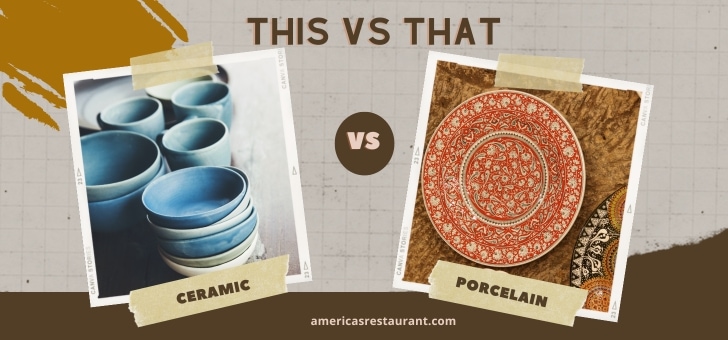
What are Ceramic Dishes?
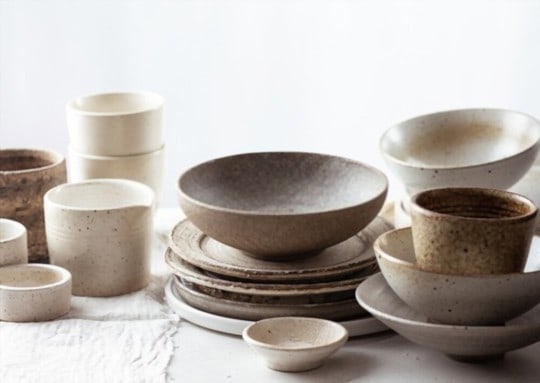
If you've shopped for kitchenware recently, you may have noticed the wide variety of ceramic dishes available.
Ceramics is a type of clay-based material that is fired in a kiln to make it hard and durable.
It's often used to make dinnerware, cookware, and decorative items for the home.
Ceramic dishes come in a wide variety of shapes, sizes, and colors, making them easy to find something that fits your style - see ceramic vs nonstick comparison guide.
Ceramics are often glazed and decorated with detailed designs, which gives them a unique aesthetic.
The main advantages of ceramic dishes are that they are affordable, lightweight, and durable.
While ceramic dishes are resistant to scratches and chips, they can also be easily broken if they are dropped or struck with a hard object.
Also, they need to be hand-washed and aren't suitable for use in the microwave.
What are Porcelain Dishes?
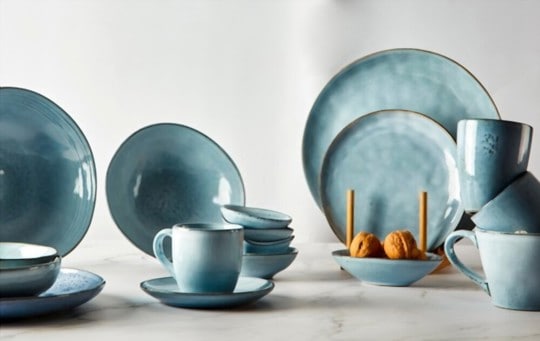
Porcelain is another type of clay-based material that is fired in a kiln at a higher temperature than ceramic.
It is known for its strength and smooth texture, which makes it ideal for dinnerware, cookware, and decorative items.
Porcelain dishes come in a variety of shapes, sizes, and colors but are usually finished with a white glaze for a classic look - see porcelain steel vs stainless comparison guide.
The main advantages of porcelain dishes are that they are chip-resistant and can be used in the microwave.
Also, they require less maintenance than ceramic dishes because they can be put in the dishwasher.
However, porcelain dishes are more expensive than ceramic and are prone to cracking if they are dropped or struck with a hard object.
Comparing Ceramic and Porcelain Dishes - The Differences
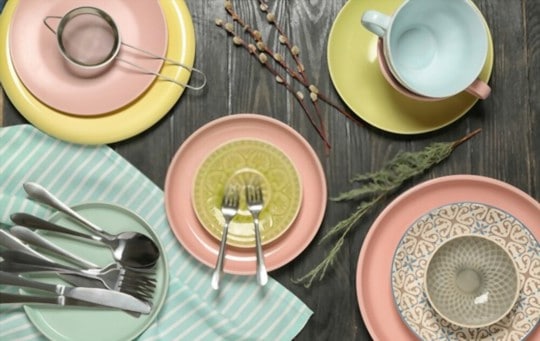
Ceramic and porcelain are both popular options - compare material performance in aluminum vs ceramic cookware comparison.
But there are important differences between them that can affect your decision.
Knowing the differences between the two materials can help you choose the best option for your needs.
Durability and strength
Porcelain is incredibly dense, which makes it much more resistant to damage compared to ceramic.
It's also harder and less likely to chip or break when dropped.
Ceramic dishes are generally weaker, so they may be more prone to damage if not handled carefully.
Porcelain is a denser material than ceramic, so it's more difficult to scratch.
Ceramic dishes are easier to scratch, which can affect their appearance over time.
If you're looking for a dish that can withstand frequent use and won't easily chip or break, porcelain is the better choice.
On the other hand, if you're looking for something with a unique look and a more affordable cost, ceramic dishes may be a better option.
Heat resistance
Porcelain is able to withstand higher temperatures compared to ceramic, making it the better choice for dishes that are exposed to high heat.
Ceramic dishes may be more likely to crack when exposed to sudden changes in temperature or when used in an oven.
If you're planning on using your dishware with hot foods or in an oven, porcelain is the safer option.
Stain resistance
Porcelain is non-porous, so it's more resistant to staining than ceramic.
This makes it a better choice for dishes that are exposed to acidic or greasy foods.
Ceramic dishes may absorb liquids and be difficult to clean if not properly sealed.
If you're looking for a dish that won't absorb liquids or food particles, porcelain is the better option.
Price
Porcelain is usually more expensive than ceramic, but the cost difference will depend on the size and design of the dishware.
Generally speaking, porcelain dishes tend to look higher quality and last longer than ceramic dishes.
If you're looking for a dish with an elegant look that won't break the bank, ceramic is the way to go.
However, if you want something more durable and longer lasting, porcelain may be worth the investment.
Choosing Between Ceramic and Porcelain Dishes
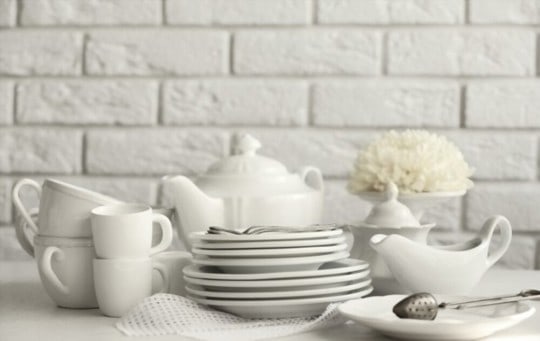
The decision of whether to choose ceramic or porcelain dishes can be daunting.
It's important to consider a few key factors before making a choice.
When deciding between the two, the cost is one factor that must be considered.
In general, ceramic dishes are usually less expensive than porcelain dishes.
Also, ceramic dishes are often more durable and easier to repair in the event they get chipped or cracked.
Porcelain dishes usually require special care due to their delicate nature, so they may not be ideal for busy households.
On the other hand, porcelain dishes look much better than ceramic dishes, and they can often add a touch of class to any table.
Porcelain is also more resistant to staining, so it's ideal for those who prefer low-maintenance dishes.
When selecting between ceramic and porcelain dishes, it's important to avoid common mistakes that could lead to costly repairs or replacements.
For instance, it's important to make sure that the dishes are meant for everyday use.
Some manufacturers offer dishes that are specifically designed for special occasions or food service.
Also, it's a good idea to check if the dishes can be washed in a dishwasher before purchasing them.
Finally, taking care of ceramic and porcelain dishes is essential to make sure they last a long time.
Ceramic dishes should be washed with warm, soapy water and dried thoroughly after use.
Porcelain dishes should be hand-washed and gently dried with a soft cloth or paper towel to avoid damage.
Also, it's important to store both types of dishes carefully to prevent chips and cracks.
Durability and care overlap with other kitchen tools - ceramic vs steel honing rod comparison looks at how ceramic performs against steel in routine maintenance.
FAQs
Q: Is porcelain always better than ceramic?
A: Not necessarily.
While porcelain dishes may look better and be more resistant to staining, they can be more expensive and require special care.
Ultimately, it depends on the individual's needs and preferences when deciding between the two.
Q: How should ceramic and porcelain dishes be washed?
A: Ceramic dishes should be washed with warm, soapy water and dried thoroughly after use.
Porcelain dishes should be hand-washed and gently dried with a soft cloth or paper towel to avoid damage.
Also, it's important to store both types of dishes carefully to prevent chips and cracks.
Q: How do you tell if a dish is ceramic or porcelain?
A: Porcelain dishes are usually thinner and more delicate than ceramic dishes.
Also, porcelain is often glazed with a glossy finish, whereas ceramic dishes tend to have a matte finish.
You can also look for the manufacturer's label on the back of the dish to determine if it is ceramic or porcelain.
Q: Do ceramic and porcelain dishes break easily?
A: Generally, ceramic dishes are more durable and less prone to cracking than porcelain dishes.
However, both types of dishes can be fragile if not handled properly.
It's important to handle all types of dishes with care and store them carefully to avoid chips and cracks.
Also, it's best to check the manufacturer's guidelines before using any dishes.
Ceramic vs Porcelain Dish Differences
Ceramic and porcelain dishes provide stylish, versatile options for your kitchen table.
Porcelain dishes are more durable than ceramic but also heavier and more expensive.
Ceramic dishes, on the other hand, are lighter and less expensive but break more easily.
When considering which material to choose for your dinnerware set, consider the advantages and disadvantages of each option.
If you desire a more lightweight and affordable option, go with ceramic dishes.
If durability and longevity are your priorities, then porcelain dishes may be the better option for you.
Ultimately, it is up to you to decide which type of dishware will best suit your lifestyle and budget.
Frequently Asked Questions
Ceramic and Porcelain Dishes differ significantly in terms of composition, durability, and use. They share some similarities but each has qualities that make it better suited for certain recipes.
Often, yes. The two share enough common ground that most palates won't notice a swap.
Ceramic is usually milder while Porcelain Dishes brings more intensity.
Nutritional differences exist but are often minor in typical serving sizes. Neither is universally healthier - it depends on what specific nutrients or dietary goals you are focused on.
Which stores better after opening?
Once opened, one keeps better in the refrigerator with proper sealing.
The other may oxidize or separate more quickly, so using it promptly or in smaller quantities works better.
Material choices affect cookware and bakeware performance. aluminum vs ceramic cookware comparison examines heat and durability, while ceramic vs nonstick comparison guide contrasts surface performance.