
In the battle of pork dishes, Chashu and Kakuni take center stage.
Both hail from Japan. Both are delicious. Yet, they're not twins.
We've got the scoop. The breakdown. The 411.
First off, Chashu. Think ramen's best friend.
It's rolled, seasoned, and roasted to perfection.
Then, Kakuni. Think Chashu's chunky cousin.
It's cubed, braised, and has a melt-in-your-mouth vibe.
Each has its vibe, its fan club. We've tried them. Loved them.
Now, it's your turn to get the lowdown.
What is Chashu?
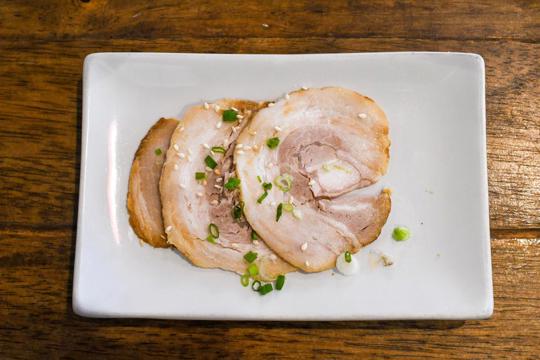
Chashu is a Japanese culinary treat.
From China, it's thinly sliced pork belly, marinated in a sweet-savory soy sauce mix.
It's well-known for its melt-in-your-mouth texture, adding depth and richness to dishes like ramen, rice bowls, and sushi.
Slow cooking allows the flavor to infuse deeply into the meat, making it a favorite.
Key to chashu is its prep: pork belly rolled tightly, then simmered in a flavorful broth for several hours.
Marinades vary, but commonly include soy sauce, sugar, sake, ginger, garlic, and spices or herbs.
This mix creates a balance of umami and sweetness.
Chashu stands out on its own, but it's an essential ingredient in ramen bowls.
With noodles, soft-boiled eggs, bamboo shoots, and green onions, chashu takes the meal to new heights.
Its rich flavors permeate the entire bowl, contrasting with the fresh crunch of veggies.
Rich, slow-braised pork can benefit from bright contrasts on the menu; lemon dessert pairings for brightness shows how citrus lifts heavy flavors in a meal.
What is Kakuni?
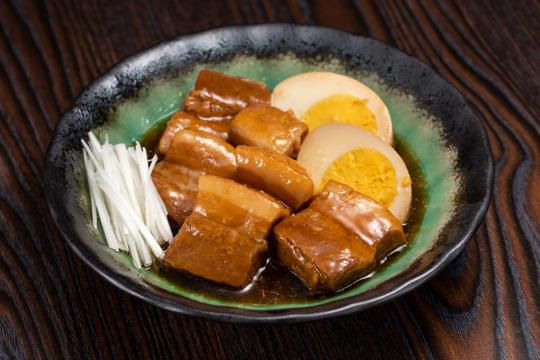
Kakuni, a traditional Japanese delicacy, is often mistaken for chashu.
But these two dishes are distinct.
Chashu is braised pork belly, commonly used as a ramen topping.
Meanwhile, Kakuni requires slow-cooking the pork belly in a savory broth with soy sauce, mirin, sugar, and other seasonings.
The result of this process is tender pork belly with delicious fat and a balanced sweet-savory flavor.
It's usually served in large cubes, which adds to its beauty and helps to keep its shape and texture.
Kakuni is more versatile than chashu.
While chashu is mostly eaten in ramen and rice bowls, Kakuni can be part of various recipes.
It can be eaten alone with steamed rice or added to stews and hot pots.
To balance kakuni's richness, consider contrasting textures and flavors - what to eat with guacamole combos offers ideas for pairing creamy, acidic sides.
Differences Between Chashu and Kakuni
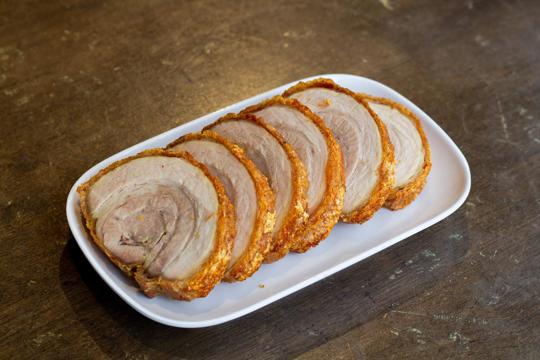
Chashu and Kakuni are two famous pork dishes from Japan.
They are different though.
Origin and Culinary Traditions
Chashu and Kakuni have deep roots in Japanese cuisine.
These two dishes are distinct from each other.
Chashu is a popular pork topping for ramen.
It was first made in China by stewing the pork belly in soy sauce, sugar, and other seasonings until it was tender and flavorful.
In Japan, Chashu was changed to fit local tastes.
Variations include rolled or sliced pork belly that is marinated then roasted or braised.
The result is a melt-in-your-mouth delicacy with a rich umami flavor.
Kakuni is a traditional Japanese dish of simmered pork belly.
It is made by slowly braising pork in soy sauce, sake, sugar, ginger, and other ingredients.
This dish has a sweet and savory taste that is often eaten with rice or noodles.
Both Chashu and Kakuni use pork belly as the main ingredient.
However, the preparation methods and flavors differ.
Chashu has more of an umami flavor due to its longer marination process and roasting or braising technique.
Kakuni has a sweeter taste because of the sugar used in its simmering process.
Preparation and Cooking Methods
Chashu and Kakuni are two different ways of cooking juicy pork dishes.
Chashu, a Japanese dish, requires marinating and braising pork belly slices or chunks in a soy sauce-based mixture - see white cooking wine vs white wine vinegar comparison for how acidic ingredients shift flavor.
This slow cooking process ensures the flavors blend together.
For Kakuni, larger, thicker cuts of pork belly are simmered for a long time in a savory broth infused with garlic, ginger, and other spices.
Both dishes require similar cooking methods, their presentation differs.
Chashu is sliced thinly and served as a topping or side dish.
Kakuni is served in large chunks with its broth as a main course.
Cut of Meat Used
Chashu and kakuni have key differences in the type of meat used.
Chashu is usually made from pork belly which is fatty and rich.
Meanwhile, kakuni is made with pork shoulder or pork belly with skin on.
This difference in cuts of meat creates different flavors and textures - compare the impact of meat grade in a similar context with special vs lump crab meat comparison.
Even though both chashu and kakuni come from pork, it is the cut that makes them unique.
Seasonings and flavor
Chashu and Kakuni have different flavors.
Chashu is braised pork slices and it's often marinated in a soy-based sauce plus ingredients like ginger, garlic, and mirin.
This makes it savory and sweet.
Kakuni is also a Japanese braised pork dish.
It is usually seasoned with soy sauce, sugar, sake, and sometimes star anise or cinnamon.
This results in a rich, intense flavor that is both sweet and savory.
These seasoning choices give each dish its unique flavor.
Marinades vary, but commonly include soy sauce, sugar, sake, ginger, garlic, and spices or herbs - learn how concentrated essences differ from overall taste in extract vs flavor difference explained.
Similarities Between Chashu and Kakuni

Chashu and Kakuni are two scrumptious pork dishes of Japanese cuisine.
The same cooking technique and key ingredient - pork - unify them.
Both involve slow-cooking the meat until it is flavorful and tender.
Plus, they are usually marinated or braised in a mix of soy sauce, mirin, and other seasonings.
The outcome is soft, savory pork which can be used in ramen or served alongside rice.
Chashu and Kakuni have their differences, they both make pleasant pork dishes for pork lovers.
Culinary Uses and Pairings
Chashu and kakuni are Japanese dishes featuring tender, braised pork.
Chashu is often used as a topping for ramen.
Kakuni can be enjoyed on its own or in stews.
These pork dishes offer exciting culinary possibilities.
In ramen, chashu is a key ingredient.
Its melt-in-your-mouth texture and rich flavor balance the noodles.
The fatty, juicy pork improves the broth.
It pairs well with the umami flavors of miso or soy-based broths.
Kakuni is a star in traditional Japanese cuisine.
It's simmered in a fragrant mix of soy sauce, sugar, and spices until tender and full of flavor.
Enjoy it with steamed rice or in oden stews.
It's tasty on its own or part of a larger dish.
Chashu and kakuni add excitement to other recipes.
Chashu can be wrapped in sushi or used as a bun filling.
Its flavors bring bursts of taste.
Kakuni's savory profile is great for stuffing dumplings or adding to stir-fries.
Chashu and kakuni bring flavor to any cooking experience.
They're the star ingredient in ramen, or add depth to other dishes.
These braised pork delicacies offer unique tastes and textures.
For a refreshing contrast to fatty pork, chilled fruit-based drinks work well - watermelon smoothie pairings for richness lists complementary beverage ideas.
Cooking Styles: Chashu vs Kakuni
Some may think these two Japanese meat dishes may look the same at first glance, Kikuni and Chashu are truly two unique dishes, each with their own distinct flavors, textures, and cooking methods.
From the soy sauce-based marinade of Kikuni to the sweet shoyu-based seasonings that are fundamental to Chashu, these two strange yet enjoyable pork dishes have a surprising amount of variation in both flavor and style.
So grab your chopsticks and indulge in these appetizing pig-oriented offerings, as you navigate yourself through a world of flavors, aromas and tastes.
Chashu and kakuni suit different menus. white cooking wine vs white wine vinegar comparison helps decide which pantry acids support braises. oil mister vs cooking spray comparison explains which finishing technique works best for searing and glazing.
Frequently Asked Questions
But these two dishes are distinct. They share some similarities but each has qualities that make it better suited for certain recipes.
In many recipes, yes. Chashu and Kakuni fill similar roles, though each brings its own character.
Try a small test batch before committing to a full swap.
Availability varies by region. One is usually a standard grocery store item while the other may require a specialty or international market depending on where you live.
Can a beginner tell the difference by taste?
In a side-by-side tasting, yes.
The difference becomes less obvious when mixed into a recipe with other ingredients.
Most people notice the distinction more clearly on its own.