
Molasses and syrup sit on our shelves. T4Both sweet.
Both sticky. Yet, they're as different as cats and dogs.
Molasses is the heavyweight, a by-product of sugar production. It's dark, it's strong, and oh-so-flavorful.
Syrup, on the other hand, is the lighter, sweeter cousin. Usually made from corn or maple, it's our go-to for pancakes.
We swapped them once in a cookie recipe. The result?
A kitchen disaster we still laugh about.
By the end, you'll know your syrup from your molasses. T4No more kitchen disasters.
Promise.T5
What is Molasses?
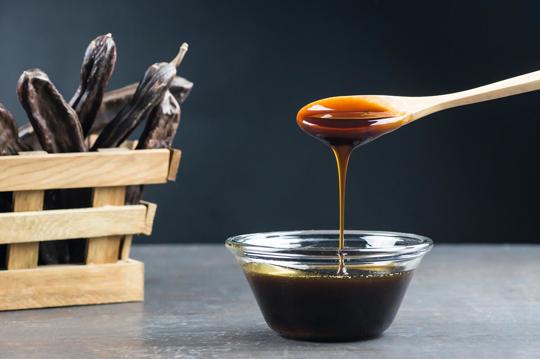
Molasses: a dark brown, viscous syrup.
It's made from sugar cane or sugar beets juice.
Boiled to remove most of the water content.
Result? A thick and sweet liquid that has a distinct flavor and aroma.
Key characteristic? High concentration of minerals.
Iron, calcium and magnesium.
Making it popular for boosting nutrient intake.
Also, lower glycemic index than other sweeteners.
Thus, a better option for those with diabetes or monitoring blood sugar levels.
In the kitchen, molasses is a flexible ingredient.
It adds depth and richness to dishes.
Commonly used in baking.
Especially for gingerbread cookies and cakes.
Also in BBQ sauces and marinades.
The strong flavor of molasses is great for glazes on roasted meats and veggies.
Molasses stands out with its unique taste and nutrition.
Use it in baked goods or savory recipes.
It adds depth and complexity to any dish.
What is Syrup?
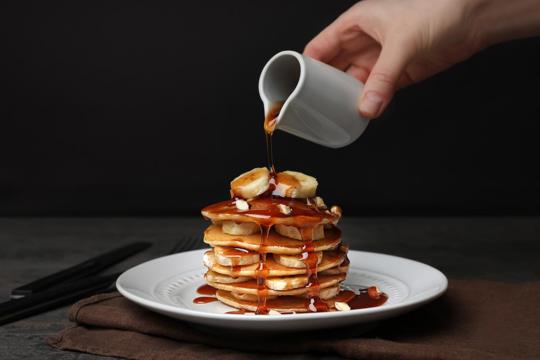
Syrup is a thick liquid, made of sugar and water, which is often used to sweeten or flavor food and beverages.
Its smooth texture makes it a favorite for pancakes, waffles, desserts, and drinks.
Different types of syrups are available, catering to different tastes.
Maple syrup has a sweet flavor with a hint of caramel, and is derived from maple tree sap.
Corn syrup, made from cornstarch, is milder and is used to thicken baking and confectionery mixtures.
Plus, there are flavored syrups like strawberry or blueberry, chocolate syrup, and artificial syrups.
Differences Between Molasses and Syrup
Molasses and syrup look similar, but they're distinct - for a close relative with subtle differences, see black treacle vs molasses comparison guide.
Source and Production
Molasses is made from crushing sugarcane or sugar beets.
The juice is boiled to remove water which results in a thick, dark syrup-like substance.
It contains nutrients and minerals, giving it its unique flavor and nutritional profile.
Syrup, usually associated with maple syrup, is made by tapping trees for their sap.
The sap is collected, boiled down, and water is evaporated.
Other types of syrup can also be made from different tree saps such as birch or walnut.
Both are sweeteners, they differ in flavor and usage.
Molasses has a strong, slightly bitter taste with hints of caramel and toffee.
Syrup has a delicate and distinct flavor depending on its source tree.
Maple syrup is rich and earthy, perfect for pancakes and waffles.
In summary, molasses is produced from sugar extraction and syrup from boiling down tree saps.
They differ in flavor and usage; molasses has a bittersweet caramel flavor, while syrup has a diverse range of flavors.
Ingredients and Flavor
Molasses and syrup may seem alike, but there are distinctions.
Molasses is from sugarcane or sugar beet juice.
It is thick, dark, and has a strong flavor.
Syrup is mainly made from fructose, glucose, corn, or maple trees.
The flavor of molasses is unique - for a clearer sense of what 'flavor' means compared to extracts, read extract vs flavor comparison for clarity.
It is earthy, rich, and slightly bitter.
It adds flavor to gingerbread cookies or BBQ sauce.
Syrup can be caramel-like from corn syrup or sweet and woody from maple syrup.
There are different types of syrup.
Maple syrup has a special taste and is great on pancakes and waffles.
Corn syrup has high sweetness and is used in recipes like pecan pie.
It is clear that molasses and syrup are both sweeteners, but their distinct ingredients and flavors make them special.
Knowing the difference helps us to understand their qualities when cooking or adding sweetness to dishes.
Viscosity and Texture
Molasses and syrup are unique in their viscosity and texture.
Molasses is thicker and stickier than syrup, which is usually smoother.
Molasses has a rich flavor, making it great for baking or cooking.
Syrup's smoothness makes it perfect for topping desserts.
The two sweeteners have different origins.
Molasses is made from boiling sugarcane or sugar beets multiple times to extract the concentrated liquid.
This caramelization gives molasses a darker color and stronger flavor.
Syrup usually comes from processed corn starch or maple sap.
Nutritionally, molasses contains minerals like iron, calcium, magnesium, and potassium.
Syrup is higher in sugar without much mineral content.
To sum up, molasses and syrup are different in viscosity and texture.
Molasses has a strong flavor great for cooking savory dishes, while syrup is ideal for topping sweet treats.
Both sweeteners have their own unique qualities that make them wonderful additions to dishs.
Culinary Uses
Molasses and syrup are used in many dishes to add flavor.
Molasses has a deep, strong taste that works well with BBQ sauces and baked beans.
Also, it enhances the flavor of gingerbread cookies and fruitcakes.
Syrup has a smooth texture and mild sweetness.
It is a topping for pancakes, waffles, and French toast.
Plus, it can be used as a glaze or sugar substitute in baking.
Molasses brings a caramel-like flavor to desserts and sauces.
Its boldness and moisture make it great for dark chocolate desserts and homemade caramel.
However, its strong taste can overpower other flavors, so use it wisely.
Syrup is mild and goes well with sweet and savory dishes.
Maple syrup has an earthy sweetness that's great for oatmeal or yogurt parfaits.
Plus, it can be used to marinate or glaze meats.
Molasses and syrup are great for different dishes.
Molasses has a deep flavor, while syrup has a subtle sweetness.
Use either one to take your dishs to the next level.
Similarities Between Molasses and Syrup
Molasses and syrup are often confused due to their similar dark and sticky texture.
They have some similarities, like sweetness and usage in cooking and baking.
Both coming from plant sources, molasses is made from sugar cane or sugar beets, while syrup can be made from different plants, like corn or maple trees.
However, they do have some unique characteristics.
Molasses has a more intense flavor, with an earthy and slightly bitter taste - contrasted with sweet caramel notes in other sweeteners in molasses vs caramel flavor comparison.
It is also known for its high mineral content, including iron, calcium, magnesium, and potassium.
In contrast, syrups like maple syrup offer a more subtle taste with pleasant caramel notes.
Molasses is the byproduct of refining sugar cane or sugar beets into sugar.
The extracted juice is boiled to concentrate the sugars and create molasses.
For syrups, sap is extracted from various plants like maple trees or cornstarch and boiled down to achieve the desired consistency.
Molasses and syrup have similarities, but also distinct qualities.
Knowing these differences will help you use these sweeteners in different dishs.
Different Types of Molasses and Syrup
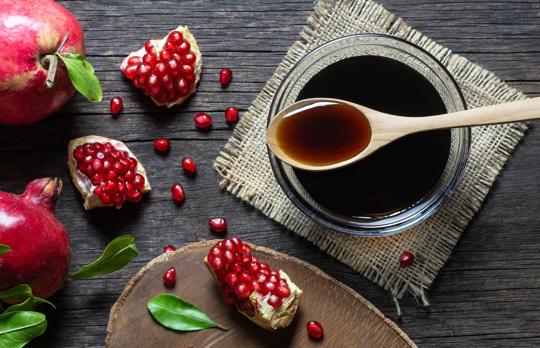
Molasses and syrup are two sweeteners we know.
But what sets them apart? Molasses is a byproduct of sugarcane/sugar beet processing.
Syrup is made from the sap of different trees.
Each has its own flavor and use.
Molasses has three types: Light, Dark, and Blackstrap.
Light molasses is sweet and mild.
Dark molasses has a richer taste after a second boiling.
Blackstrap molasses is strong in flavor and thick.
Syrup also comes in various types.
Maple syrup is the most famous - see how it stacks up against molasses in maple syrup vs molasses comparison breakdown.
It's made from boiling maple tree sap.
This type has a sweet flavor great for pancakes or waffles.
Corn syrup, made from cornstarch hydrolysis, is smooth and sweet.
And honey syrup, a blend of honey and water, gives a natural sweetness to drinks.
Molasses and syrup also have different cooking uses.
Molasses improves baked goods or BBQ sauces.
Syrups such as maple or honey are perfect toppings for breakfast items or desserts.
In the end, it's your preference that matters - the earthy richness of molasses or the sweetness of syrups like maple or honey.
Varieties of Molasses
Molasses comes in diverse styles.
Variations arise from the different stages of sugar production, which set the sweetness and texture of molasses.
Common options are light, dark, and blackstrap.
Light molasses, also known as first molasses, is from the initial boiling process.
It has a higher sugar content and a light color.
Its mild taste works well in baking recipes.
Dark molasses, or second molasses, is boiled longer and has a thicker texture and stronger flavor.
It has less sugar but still some sweetness.
Dark molasses is great for dishes like gingerbread cookies or barbecue sauce.
Finally, blackstrap molasses is from the third and final boiling of the sugarcane syrup.
It has the least sugar but a strong flavor.
It's packed with iron, calcium, magnesium, and potassium.
Blackstrap molasses is often used as a sweetener or in health-focused recipes.
Thus, there's a type of molasses for all tastes and culinary uses.
Whether you're looking for subtle sweetness or intense richness, molasses can improve your dishes.
When a recipe calls for a tart molasses like pomegranate molasses, pomegranate molasses substitutes list suggests tasty alternatives for similar flavor profiles.
Types of Syrup
Syrups come in many types.
Each has its own unique qualities, making them suitable for various purposes.
From fruit syrups to pancake syrups, the options are endless.
It's important to understand the differences between these types of syrups to pick the best one - a focused comparison like agave vs simple syrup comparison for swaps can help decide which suits a recipe.
One type is fruit syrup.
As the name implies, it's made from fruits and used as a topping for pancakes, waffles, or ice cream.
Its flavors include strawberry, blueberry, and raspberry, adding fruity goodness to whatever dish.
It's usually sweet and tangy, providing an enjoyable taste.
Another household favorite is maple syrup.
It's made from maple tree sap and has a deep caramel-like flavor with hints of vanilla and butter.
It's great for drizzling over pancakes or waffles.
Its viscosity ranges from light amber to dark amber.
Chocolate syrup is a more indulgent treat.
It's made from cocoa powder or melted chocolate, sugar, and other ingredients.
It's used as an ingredient in desserts, poured over ice cream, or simply enjoyed alone.
Other syrups include caramel syrup for a sweet and buttery flavor, honey syrup for natural sweetness, and flavored syrups like vanilla or coconut.
Specialty stores even offer these syrups for an extra layer of complexity.
Health Considerations and Nutritional Value
Health and nutrition are important when it comes to molasses and syrup.
Molasses has more minerals, like iron, calcium and potassium.
Syrup is higher in sugar and can have added flavors or preservatives.
Both should be eaten in moderation because of the calories and carbs.
Individuals with dietary needs, such as diabetes or a low-sugar diet, should be careful when eating these sweeteners.
It's important to make informed choices about what to consume based on individual health.
For readers curious about savory, mineral-forward flavors, the nutritional yeast taste guide outlines how yeast's umami notes compare to molasses' robust profile.
Flavor and Uses of Molasses vs Syrup
Molasses vs syrup: what's the difference indeed.
We've gone through the ins and outs of both, from their origins to their derivatives and uses.
In terms of nutrition value, molasses contains more calcium, iron, and magnesium than syrup does.
Lastly, its consistency impacts the way it's used: molasses is thick, thus making it ideal for baking dishes while lighter syrups are better suited for pancakes or desserts.
Both ingredients can yield delicious results and provide plenty of health benefits in moderation.
So go pick up some molasses or syrup today and get cooking.
gomme syrup vs simple syrup comparison examines texture and stability differences in cocktail syrups. simple syrup vs sugar comparison details which sweetener dissolves or caramelizes better in recipes.
Frequently Asked Questions
Yet, they're as different as cats and dogs. They share some similarities but each has qualities that make it better suited for certain recipes.
It depends on the dish. Molasses and Syrup share some overlap, but each shines in different preparations.
Swapping works best in forgiving recipes like soups or stews.
Pricing varies by brand and region, but one is typically more accessible at everyday price points. The other may cost more due to specialization or limited supply.
Is there a best time to use each one?
One shines in applications requiring subtlety and background support.
The other is better when it is meant to be a center.
Matching the right one to its role makes a noticeable difference.