
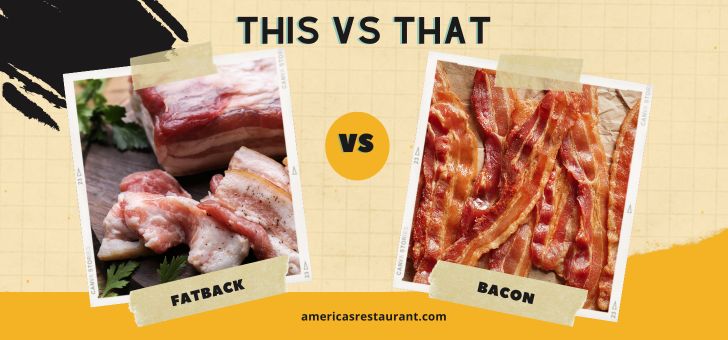
Fatback and bacon both hail from the noble pig. Here's the skinny.
T4We're pitting these two against each other in the ultimate showdown of porky goodness.
Is one truly better than the other? Fatback, that unapologetic slab of pure fat from the back of our porcine pals, brings a smooth texture and deep flavor to dishes.
Then there's bacon - the crispy, smoky prince of breakfast tables everywhere.
In our quest, we've fried, we've tasted, and yes, we've even dreamed in pork.
This isn't just about strips versus slabs. It's a flavorful debate that cuts to the core of our meat-loving souls.
What is Fatback?
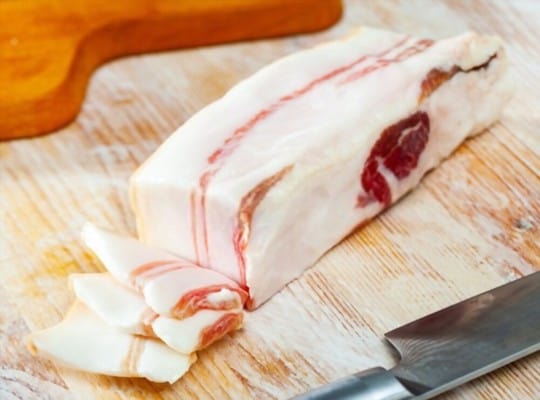
Fatback is a type of pork meat, typically taken from the back of a pig, that has a high amount of fat content.
It is often used to add flavor and texture to dishes such as soups, stews and fried foods.
Fatback is commonly salted or smoked to increase its shelf life and enhance its flavor.
In comparison to bacon, which comes from the belly of the pig, fatback has a higher ratio of fat to meat and is less processed.
Due to this difference in composition, fatback is usually cheaper than bacon and can be used in cooking for many different purposes.
It can also be rendered down into lard for various culinary applications.
While both fatback and bacon are high in saturated fat content, they can be enjoyed in moderation as part of a balanced diet.
When using either ingredient in cooking, it's important to pay attention to portion sizes and cooking methods to achieve the desired flavor without overindulging on excess calories.
What is Bacon?
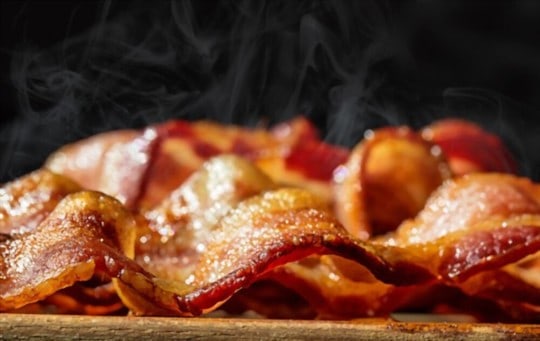
Bacon is a type of salt-cured pork typically sliced into thin strips and cooked until crispy.
It is taken from the belly or back cuts of the pig and can be eaten on its own as a breakfast food or used as an ingredient in various recipes.
Bacon has a high-fat content but is also rich in protein, vitamins B1, B2, B3, B6, and minerals such as selenium and phosphorus.
Bacon has a smoky flavor due to the curing process with salt and seasoning.
It is often considered a comfort food and can be paired with other ingredients to create various dishes such as bacon-wrapped dates or BLT sandwiches.
What sets bacon apart from other types of pork is that it goes through a specific process of curing and smoking before being cut into strips.
This makes it unique among pork products, including fatback which has more applications in cooking but lacks the same flavor as bacon.
Fatback can be used in soups or stews to add richness and depth without overpowering the dish.
Overall, while both bacon and fatback come from similar parts of the pig, they serve different purposes in cooking due to their varying properties.
Choosing between them comes down to personal preference or recipe requirements.
Differences Between Fatback and Bacon
When comparing fatback and bacon, there are several key differences that set the two apart.
While both are cuts of pork that come from the back of the pig, fatback is primarily used for cooking and seasoning other dishes while bacon is often enjoyed as a stand-alone food item.
Fatback is characterized by its high fat content, which makes it perfect for cooking and adding flavor to other dishes.
Bacon, on the other hand, is typically smoked or cured and has a distinct salty taste that sets it apart from other pork products - see guanciale vs bacon comparison guide.
Overall, both offer unique flavors and uses in the kitchen, making them versatile additions to any recipe collection.
1 - Cut and Preparation
For the optimal outcome when cooking either fatback or bacon, it is essential to understand their respective cuts and preparation methods.
Here is a comprehensive guide on how to cut and prepare these cured meat products.
- Decide whether you will be using fatback or bacon based on your recipe requirements.
- Start by removing the skin from the fatback or bacon's exterior.
- Use a sharp knife to slice thin strips of your desired size, making sure to remove any excess fat during cutting.
- If frying, preheat a skillet over medium-high heat before adding your slices of bacon or fatback.
- Cook the slices until they reach your preferred level of crispness, then drain them on paper towels to absorb any excess grease.
While they look similar in appearance and flavor, they offer slightly different taste experiences.
Fatback tends to have more pronounced pig flavor with less added seasoning while bacon is typically cured with additional spices like salt and smoked for extra depth of flavor.
For best results in any dish calling for either of these meats, knowing the cut and preparation techniques is key for success in bringing out each product's most desirable qualities.
2 - Flavor and Texture
Flavor and texture play a significant role in the final decision.
Fatback has a strong flavor that is often described as salty and smoky.
It has a crunchy texture when cooked and can be used in various dishes like stews, casseroles, and sauces.
On the other hand, Bacon has a milder taste compared to Fatback but is still considered savory and delicious.
When cooked until crispy, bacon becomes crunchy and chewy simultaneously.
The crispiness provides an enjoyable experience while chewing.
It's noteworthy that fatback is traditionally used for cooking because of its intense flavor while bacon is mainly consumed as a breakfast item or added to sandwiches - see extract vs flavor comparison explained.
Bacon's popularity can be attributed to its versatility as it pairs well with various foods like eggs, burgers, salads, and many more.
3 - Usage in Cooking
Adding fat to your cooking can make all the difference and improve the flavors.
Which one should you choose? Both have their qualities and are used differently in various cuisines.
While bacon is a popular option for breakfast food or as an ingredient in burgers and sandwiches, fatback is commonly used in slow-cooked dishes where melting fat is desired.
Bacon can add a smoky flavor to the dish while fatback brings an intense richness that will give your dishes that sought-after buttery flavor.
Unique details worth noting about the usage of Fatback vs.
Bacon in cooking depend on specific recipes.
In some situations, bacon may be preferred for its crispy texture or ability to balance out other ingredients' flavors.
However, in general, fatback is usually more versatile due to its high melting point and suitability for braising, stewing, or roasting.
Ultimately, the best option depends on your personal preference and recipe requirements.
When a recipe calls for an acidic or wine element alongside pork fat, white cooking wine vs white wine vinegar comparison explains which option works best in different dishes.
4 - Nutritional Profile
Comparing the nutritional profile of fatback and bacon could help individuals choose a healthier option.
Fatback contains more calories, total fat and saturated fat than bacon.
In contrast, bacon possesses slightly more protein and less cholesterol compared to fatback.
However, it is recommended to consume these items in limited quantities as both contain high amounts of sodium which can be damaging for those with health concerns.
For a lower-calorie savory boost that can complement reduced-fat recipes, try seasoning ideas from the nutritional yeast taste guide for cooking.
Similarities Between Fatback and Bacon
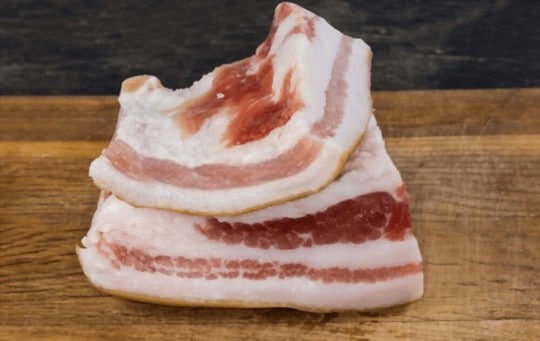
The common ground between Fatback and Bacon is the cut of meat from the pig's belly section.
Both are cured and smoked similarly, mainly for flavor preservation during refrigeration - see the beef bacon vs pork bacon comparison guide for how smoking varies by type.
The texture, color, and fat content of both are also alike, often interchangeable in recipes that demand crispy bacon strips.
Fatback, primarily used in Southern cuisine for rendering into lard or frying to extract pork bits, can replace bacon without compromising taste or nutrition.
However, bacon retains a significant lead when it comes to its universal appeal in breakfast plates and pre-made convenience food products.
Health Considerations: Fatback vs Bacon
Health considerations are an important factor.
Both meat products come from the same part of a pig, but their nutrition profiles differ greatly.
Fatback has more fat content than bacon, which can lead to an unhealthy diet.
However, if consumed in moderation, both can provide protein and other nutrients.
In terms of calories and nutritional value, bacon is generally considered better than fatback due to its lower fat content - see bacon fat vs butter comparison for how bacon fat stacks up against other fats.
It is also a great source of protein that provides essential amino acids important for optimal body function.
Fatback, on the other hand, contains more saturated fats and higher levels of cholesterol.
To ensure optimum health outcomes, it's advisable to consume these meats in moderation while following a balanced diet with fruits and vegetables.
1 - Fat Content
The fat content of both bacon and fatback has been a topic of discussion among many.
However, determining which one is better requires a closer look.
Bacon is known for having a higher fat content than fatback, with an average of 42% compared to the latter's 30%.
This can make it a less healthy option for those looking to manage their cholesterol levels.
On the other hand, some argue that the additional fat in bacon can add more flavor to dishes than leaner fatback.
It also is usually more versatile in terms of its uses in cooking.
It's essential to remember that moderation is key when consuming either of these options.
While they both have their pros and cons, incorporating them into a balanced diet can still be enjoyed in moderation.
For another perspective on how fat levels affect texture and use, whole vs low-fat buttermilk comparison for fat perspective highlights how fat changes culinary behavior in dairy.
2 - Sodium Content
Fatback and bacon are both popular options for adding flavor to meals.
However, when it comes to sodium content, there are significant differences between the two.
Fatback has a much higher sodium content than bacon.
Sodium is an essential nutrient that helps maintain fluid balance in the body, but too much can lead to high blood pressure and other health problems.
One ounce of fatback contains 470 milligrams of sodium, which is over 20% of the recommended daily intake.
On the other hand, one slice of bacon contains only around 190 milligrams of sodium.
Both fatback and bacon are processed meats and should be consumed in moderation as part of a balanced diet.
When choosing between the two, bacon may be a better option for those watching their sodium intake.
Instead of relying on processed meats like fatback or bacon to add flavor to meals, consider using herbs and spices or incorporating more fresh fruits and vegetables into your diet.
By doing so, you can add variety to your meals while promoting overall health and well-being.
3 - Processing Methods
Processed meats can be differentiated by their various techniques.
One such method is the "processing methods" which separates the types of meat depending on the method used to cure, season and flavour it.
The fatback and bacon are examples of cuts processed in different ways.
Fatback is a specialized cut resulting from the layer of adipose tissue separated from pork belly or loin.
Its processing technique involves curing with salt and seasoning agents but it's not smoked like bacon, providing a lighter taste without smoke's pungent flavour.
On the other hand, bacon is made by curing pork belly with salt and other seasoning ingredients before smoking it over wood chips.
Smoking gives a unique umami flavour that is distinct from just simple salt-cured fatback.
In summary, understanding the variations in processing methodology helps in distinguishing different types of processed meats, like fatback vs bacon.
Although both meat cuts come from the same animal, they have variances that cater to diverse tastes and preferences as they are processed differently.
Cooking with Fatback vs Bacon
Both options have their pros and cons.
While fatback contains more pure fat, bacon has a slightly lower fat content due to its curing process.
Also, bacon is often seasoned with various flavors, making it a popular choice for cooking.
On the other hand, fatback can be used in more traditional dishes like stews and soups.
Interestingly, although both options contain saturated fats that should be consumed in moderation, studies suggest that bacon may be slightly healthier than fatback due to its lower levels of cholesterol.
Both are processed meat products, which means they should be enjoyed in moderation as part of a balanced diet.
Explore alternatives for rendered pork fat in recipes. bacon grease substitutes list provides practical swap options. turkey bacon taste guide helps when the menu calls for a leaner bacon alternative.
Frequently Asked Questions
Due to this difference in composition, fatback is usually cheaper than bacon and can be used in cooking for many different purposes. They share some similarities but each has qualities that make it better suited for certain recipes.
It depends on the dish. Fatback and Bacon share some overlap, but each shines in different preparations.
Swapping works best in forgiving recipes like soups or stews.
Pricing varies by brand and region, but one is typically more accessible at everyday price points. The other may cost more due to specialization or limited supply.
Is there a best time to use each one?
One shines in applications requiring subtlety and background support.
The other is better when it is meant to be a center.
Matching the right one to its role makes a noticeable difference.