
Summary of key points
The main difference between bacon fat and butter is the source from which they are derived. Bacon fat comes from animal fat, specifically from rendering bacon, while butter comes from churned milk or cream.
In terms of flavor, bacon fat has a distinct smoky and salty taste, improving dishes like sautéed vegetables or roasted meats. Butter also adds richness and flavor but has a more neutral taste, making it versatile in both sweet and savory dishes.
Also, bacon fat is often used for frying or as a cooking oil, while butter can be used for baking and spreads. Both have their own unique uses and flavors, so the choice ultimately depends on personal preference and the desired outcome of a dish.
In the kitchen showdown of the century, it's bacon fat vs. butter. What sets them apart?
Here's the scoop: bacon fat brings a smoky richness, transforming dishes with a depth that butter can't touch.
Butter, on the other hand, whispers sweet nothings of velvety texture and subtle elegance to your dishes.
In our homes, we've laughed as a perfectly good slice of bread faced this dilemma.
Bacon fat tells a story of Sunday breakfasts and comfort.
Butter recalls holiday baking and grandmother's kitchen table.
Which reigns supreme in the foodie Olympics?
What is Bacon Fat?
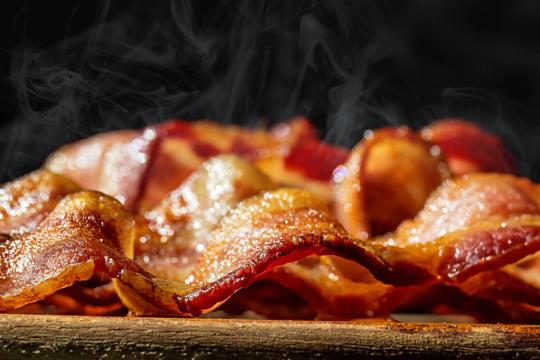
Bacon fat is a savory and indulgent ingredient.
It's the rendered fat from cooking bacon, known for its smoky flavor.
This tasty fat adds richness to dishes.
It can be used for frying, sautéing, or as a butter/oil substitute.
When bacon is cooked, the fat melts off - compare guanciale vs bacon comparison for flavor to see how curing changes taste.
This fat has a low smoke point, so it starts to burn at low temperatures.
Despite this, bacon fat is popular due to its flavor-improving properties.
It also provides moisture and helps achieve desired textures.
Plus, its saturated fats make it creamy when cooked.
Using it instead of butter adds a unique flavor.
There are health concerns with consuming bacon fat regularly.
But studies suggest that small amounts of saturated fat can be part of a healthy diet.
Bacon fat has a tempting taste and texture.
Its smoky flavor enhances dishes and provides versatility.
Whether to use bacon fat or butter depends on preference and dietary considerations.
What is Butter?
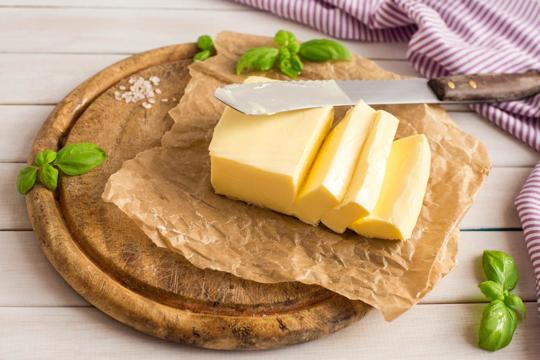
Butter is a creamy, delicious traditional dairy product.
Chefs and home cooks love its smooth texture and rich flavor.
Making butter involves churning cream or milk, so that the fat molecules clump together.
This creates solid butter and leaves behind buttermilk. Butter is versatile.
It's great for sweet recipes, like cakes and cookies - or you can melt it over veggies or grilled meats.
It also has a distinct taste, depending on the animal's diet and breed, and how it's processed.
This means you can have different cooking experiences when using it.
Plus, butter has health benefits if you consume it in moderation.
It provides essential fatty acids, and has fat-soluble vitamins like vitamin A, E, D and K2.
Ultimately, butter adds richness and flavor to dishes.
So, when you're deciding between bacon fat or butter, think about each one's unique qualities.
Differences Between Bacon Fat and Butter
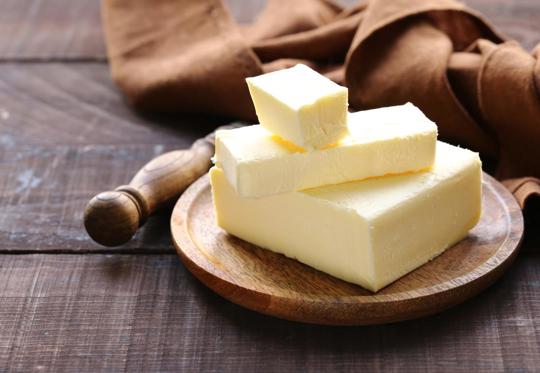
Bacon fat and butter may look alike, yet differ in many ways - see fatback vs bacon comparison for cooking uses for another perspective on rendered pork fats.
Source and Production
Bacon fat and butter take different paths to our kitchens.
Bacon fat is obtained by rendering pork belly, while butter is made by churning cream or milk.
Both have unique flavors and textures.
Bacon fat has a smoky aroma and is achieved by separating fat from cooked bacon.
This rendered fat can be stored and used for cooking, giving dishes depth and richness.
Butter has a more complex process; cream or milk is agitated until it is spreadable.
Bacon fat has a savory and salty flavor because of its connection with cured pork.
Butter has a creamy sweetness which can be used for sweet and savory recipes.
It depends on the taste of the dish.
Both are sources of saturated fat, they differ in composition.
Bacon fat has higher levels of fat than butter.
But, research suggests not all saturated fats are equal in terms of health.
Further study is needed to understand how it affects us.
Composition and Nutritional Profile
Bacon fat and butter - two cooks' favorites - have distinctive compositions and nutrition facts.
Bacon fat is obtained from cooked bacon, while butter is made from cream.
Bacon fat has more saturated fats, but butter has more cholesterol and a bit of lactose.
Also, bacon fat has a smoky flavor that adds a unique taste to dishes.
Their varied compositions make them fit for different cooking uses, giving chefs and home cooks diverse choices when it comes to flavor and texture in their recipes.
Flavor and Aroma
Flavor and aroma are key when comparing bacon fat and butter.
Both give a savory flavor, but bacon fat has a smoky taste. Its aroma is tempting and unique - compare extract vs flavor comparison for sensory differences to dig into how aroma and taste are described.
Butter has a creamy, sweet flavor with a touch of saltiness. Its smell is comforting and inviting.
Chefs can use these two ingredients to enhance any dish and explore diverse cooking experiences.
Experimenting can take the taste of the dish to a whole new level.
Smoke Point and Cooking Applications
Smoke point and cooking applications of bacon fat and butter are important.
Bacon fat has a higher smoke point than butter, making it great for high-temperature cooking like frying and searing.
Its smoky flavor boosts savory dishes.
Butter's smoke point is lower, but its creamy taste enhances baked goods, sauces, and delicate recipes.
Both bring something special to your great dishs.
For an extra layer of smoke in high-heat applications, hickory vs mesquite liquid smoke comparison for grilling explains how different liquid-smoke profiles change final flavor.
Similarities Between Bacon Fat and Butter

Bacon fat and butter have some similarities that make them popular.
They add flavor and richness to dishes, plus they can be used for cooking, baking, and spreading - see beef bacon vs pork bacon comparison for product differences when choosing types of bacon-derived fats.
Both ingredients are valued for their ability to improve the taste of food.
Plus, they can be used as spreads and have relatively high smoke points.
However, bacon fat contains more saturated fat than butter, so moderation is advised.
Pros and Cons of Using Bacon Fat and Butter in Cooking
Cooking with bacon fat and butter has its advantages and disadvantages.
Both give dishes flavor, yet they have different qualities.
Bacon fat has a smoky taste, while butter adds creaminess and savor.
It's important to consider the nutritional values, too.
Bacon fat has more saturated fat than butter, which can harm your heart if you eat too much.
However, butter has more cholesterol than bacon fat.
When weighing up which to use, it's essential to balance taste and health.
When balancing richness and nutrition, whole vs low-fat buttermilk comparison for recipes offers insight into how varying fat levels change texture and calorie profile.
When to Use Bacon Fat and When to Use Butter?
Deciding between bacon fat or butter? Think taste and texture.
Bacon fat has a savory, smoky flavor - great for meats, veggies, and baked goods - contrast with duck fat vs lard comparison for frying performance to pick the best cooking fat.
Butter gives a creamy feel to sweet and savory recipes.
It's good for sautéing, frying, baking, and spreading.
Each has its own qualities - find the perfect fit for your dish. Experiment with both.
Cooking Uses for Bacon Fat vs Butter
We can conclude that both bacon fat and butter have their differences and benefits, but it really comes down to personal preference.
While bacon fat may have more flavor and offer a healthier fat than butter, butter does bring a richness to certain dishes that make them so scrumptious.
Ultimately, when you're cooking or preparing food, it's important to first think about the task at hand - will this require the sweetness of butter or the strong notes of bacon fat? Experiment with these two options when preparing future meals to decide which one you prefer and why.
Nonetheless, understanding the distinction between bacon fat vs butter should help you determine which one tastes better for each specific dish, helping to take your recipes to the next level.
Frequently Asked Questions
The main difference between bacon fat and butter is the source from which they are derived. They share some similarities but each has qualities that make it better suited for certain recipes.
Sometimes. Bacon Fat works where Butter is called for in certain dishes, but not all.
Check whether the recipe relies on a specific quality before substituting.
Cold preparations like salads and dressings often favor the option with a sharper, more defined flavor. Heat can mellow both, so the distinction matters more in uncooked dishes.
Do professional cooks prefer one over the other?
Professional preference depends heavily on the dish and cuisine style.
Each has its context where it outperforms the other, so most experienced cooks keep both on hand.
cocoa butter vs cacao butter comparison for texture compares similar plant fats. butter vs lard comparison for cooking roles shows how different fats perform in recipes.