
The difference isn't just in name. Hickory gives you that traditional, hearty smokey flavor, perfect for a strong BBQ taste.
Mesquite, on the other hand, is the bolder cousin. It packs a punch with its sweeter, yet sharper smack.
We learned this the hard way at our last cookout. Turns out, not all smoke is created equal.
And yes, we did end up with some. interesting flavors before we got it right.
What is Liquid Smoke?

Liquid smoke gives food a smoky flavor without the need for grilling or smoking.
It's made by capturing smoke from burning wood chips or sawdust and condensing it into liquid form.
This makes it a great option for cooks who don't have access to outdoor grills or smokers - or compare natural gas vs liquid propane comparison to decide indoor and outdoor grilling setups.
Different types of wood used in the burning process can alter the flavor.
Hickory gives a sweet and rich taste, perfect for pork ribs or beef brisket.
Mesquite, on the other hand, gives a bold and intense flavor, great for steaks and burgers.
Experimenting with hickory and mesquite liquid smoke can take your dishes to new levels.
Each offers its own unique twist on smoky flavor, great for catering to different palates.
What is Hickory Liquid Smoke?
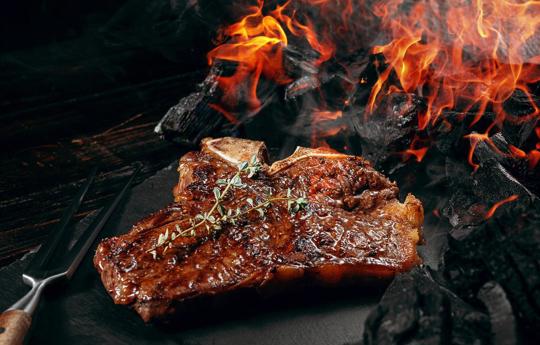
Hickory Liquid Smoke is a must-have for those wanting to add flavor to their dishes.
It's made by capturing smoke from burning hickory wood chips and condensing it into liquid form.
This smoke has a bold, rich flavor, described as sweet and bacon-like.
Plus, it has natural preservative properties.
When used in recipes, it's important to use a little of this concentrated smoke.
Too much can overpower the dish.
Experimenting and finding the perfect amount is key for best results.
Hickory Liquid Smoke is a great way to add smoky taste and complexity to dishes.
It's also a good addition to marinades, sauces, and cocktails.
Get creative and try it out.
For a look at similar brand choices, see Swiss Colony vs Hickory Farms comparison to weigh product differences.
What is Mesquite Liquid Smoke?

Mesquite liquid smoke is a flavoring agent made from the smoke of mesquite wood.
It brings out a unique smoky flavor to food.
Producing it involves collecting and condensing smoke from burning mesquite wood.
The result is a strong liquid that can be used to boost the flavor of dishes.
Mesquite liquid smoke is more bold and intense than hickory liquid smoke.
It is perfect with grilled meats and veggies.
You can use it to add depth to your BBQ sauce or to give dishes a smoky essence.
Mesquite liquid smoke is very versatile and can take your dishs to the next level.
If texture and convenience matter in other pantry choices, powder creamer vs liquid creamer comparison outlines pros and cons for kitchen use.
Differences Between Hickory and Mesquite Liquid Smoke

Hickory and mesquite liquid smoke appear alike.
But, there are distinct differences.
For another ingredient-focused comparison that clarifies subtle flavor differences, see tamari vs liquid aminos comparison to understand seasoning swaps.
Source of Smoke Flavor
Smoke flavor can make food taste amazing.
Dependent on the wood used, it varies - and for a look at concentrated options, read extract vs flavor comparison to see how flavor sources differ.
Hickory and mesquite are two popular options.
Hickory has a strong, strong character.
It infuses food with a rich taste and traditional BBQ flavor.
Mesquite is sweeter and milder.
It has a sweet, tangy aroma that adds a hint of sweetness to smoked food.
It's a favorite for Tex-Mex cuisine.
Both hickory and mesquite are great for smoke flavor.
Which one you choose is up to you.
Intensity and flavor
Hickory and mesquite liquid smoke have distinct intensity and flavor.
Hickory has a strong, smoky taste with a boldness that lingers.
Its aroma goes great with pork and beef, making barbecues and roasts delicious.
Mesquite liquid smoke is sweeter and delicate.
The subtle smokiness enhances the natural flavors of foods without overpowering them.
It's perfect for lighter meats like chicken, fish, veggies, and even tofu.
Both hickory and mesquite liquid smoke are versatile.
Common uses are in marinades, sauces, and rubs.
But they can also be used in soups, stews, and vegetarian dishes to infuse a sweet and smoky essence.
No traditional smoking required.
Ideal Food Pairings
Liquid smoke is a great way to add smoky flavor to your dishes without the need for actual smoking.
For extraordinary food pairings, there are some specific combos that can take your palate to another level.
Meats such as beef, pork, chicken, and ribs are enhanced with hickory or mesquite liquid smoke.
Hickory adds a rich, strong flavor that matches the natural juices of these meats.
Mesquite adds a sweet and slightly spicy taste, which goes great with lean cuts like chicken breasts or pork tenderloin.
Seafood is also perfect with both types of liquid smoke.
Hickory brings out the intense flavors of heartier fish like salmon or trout.
And mesquite adds a unique balance between smokiness and the delicate flesh of lighter fish like tilapia or cod.
Vegetarians can also enjoy the smoky essence of hickory and mesquite liquid smoke.
Try it on grilled veggies like eggplant, zucchini, or bell peppers.
Or use it to make plant-based proteins like tofu or tempeh even better.
Hickory brings in a bold flavor, while mesquite adds some sweetness.
For prep tools that affect texture in smoky side dishes, food mill vs ricer comparison explains which yields creamier results.
Applications in Cooking
Cooking with liquid smoke? Hickory and mesquite are two awesome options.
Both bring unique smoky flavors to your recipes.
Hickory liquid smoke brings a strong, strong flavor - perfect for beef, pork, and poultry.
It adds a delicious smokiness to barbecues, sauces, marinades, and dressings - and for dressings specifically, consider white cooking wine vs white wine vinegar comparison for acidity options.
Its intense flavor can take burgers and ribs to the next level.
Mesquite liquid smoke is milder and sweeter.
It's a great match for Tex-Mex dishes like tacos and fajitas.
And it works nicely with grilled veggies and seafood.
Mix and match these two types of liquid smoke to find the perfect combination for you.
Similarities Between Hickory and Mesquite Liquid Smoke

Hickory and mesquite liquid smokes are both popular choices for the BBQ world.
They offer a smoky flavor to dishes, by condensing the smoke from burning hickory or mesquite.
Also, these liquid smokes are used in marinades, sauces, and rubs to add complexity to recipes - similar to how knorr liquid seasoning vs maggi comparison helps pick seasonings for depth.
Plus, they share similar storage requirements.
Stored in the dark, they stay fresh for longer.
However, these two liquid smokes have their own unique characteristics.
Hickory smoke has a sweet and bacon-like flavor, which pairs well with pork.
Whereas, mesquite smoke has a bolder taste with strong earthy undertones.
It's great for grilled steaks or burgers, giving them a rich and savory flavor.
How to Use Hickory and Mesquite Liquid Smoke?
Use Hickory and Mesquite liquid smoke.
Follow these steps for great flavor and professional cooking:
- Burst of flavor.
- Professional cooking.
Flavor Comparison: Hickory vs Mesquite Smoke
Hickory and mesquite differ in taste.
Hickory has a sweeter, smoky flavor while mesquite has a bolder and tangier taste.
Both bring their own characteristics to dishes like sauces and marinades.
The choice of hickory or mesquite depends on individual preference and desired flavor intensity.
Hickory is best for bringing out the flavors of pork, poultry, and beef.
It adds a smoky flavor without overpowering the natural taste.
Mesquite liquid smoke, on the other hand, has a strong and tangy taste that works great with beef and bison.
Its bold flavor stands up to the strong taste of these meats.
Experiment with both to find your favorite and create delicious dishes.
Frequently Asked Questions
The difference isn't just in name. They share some similarities but each has qualities that make it better suited for certain recipes.
Sometimes. Hickory works where Mesquite Liquid Smoke is called for in certain dishes, but not all.
Check whether the recipe relies on a specific quality before substituting.
Cold preparations like salads and dressings often favor the option with a sharper, more defined flavor. Heat can mellow both, so the distinction matters more in uncooked dishes.
Do professional cooks prefer one over the other?
Professional preference depends heavily on the dish and cuisine style.
Each has its context where it outperforms the other, so most experienced cooks keep both on hand.
Bragg and coconut alternatives suit different diets and flavors. Bragg Liquid Aminos vs Coconut Aminos comparison clarifies which fits specific needs. For a taste deep dive, nutty delights: what do hickory nuts taste like? explores hickory flavor in snacks and recipes.