
On the labels we read, Knorr is sweeter and soy-based while Maggi is saltier and wheat-based.
- The Maggi label lists wheat gluten, flour and bran; Knorr lists hydrolyzed soy protein.
- A teaspoon of Maggi Asian Seasoning Sauce has 430 mg of sodium versus 291 mg in regular soy sauce.
- Recipes vary by country, so add a few drops at a time.
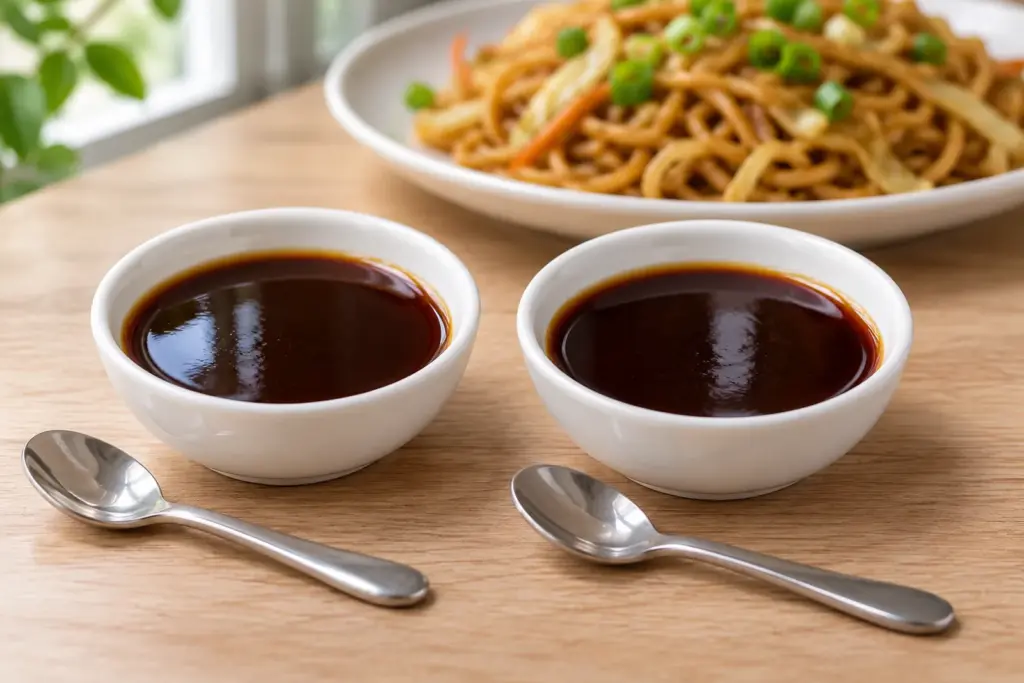
So a teaspoon of Maggi carries about 1½ times the sodium of a teaspoon of regular soy sauce.
Cooks reach for these two bottles for the same reason: a few drops make soup, noodles or eggs taste meatier and saltier, the savory depth people call umami. They are easy to mix up, like many look-alike pantry staples, because both are dark brown, both come in small bottles and both get shaken over food at the table. The ingredient lists show they are built differently, and that changes how you swap them.
1. What Is the Difference Between Knorr Liquid Seasoning and Maggi?
The clearest differences sit on the labels. We compared the Maggi Asian Seasoning Sauce sold by a US retailer with two Knorr Liquid Seasoning listings, one from a UK Asian grocer and one US-style listing, because Knorr's recipe changes with the market.
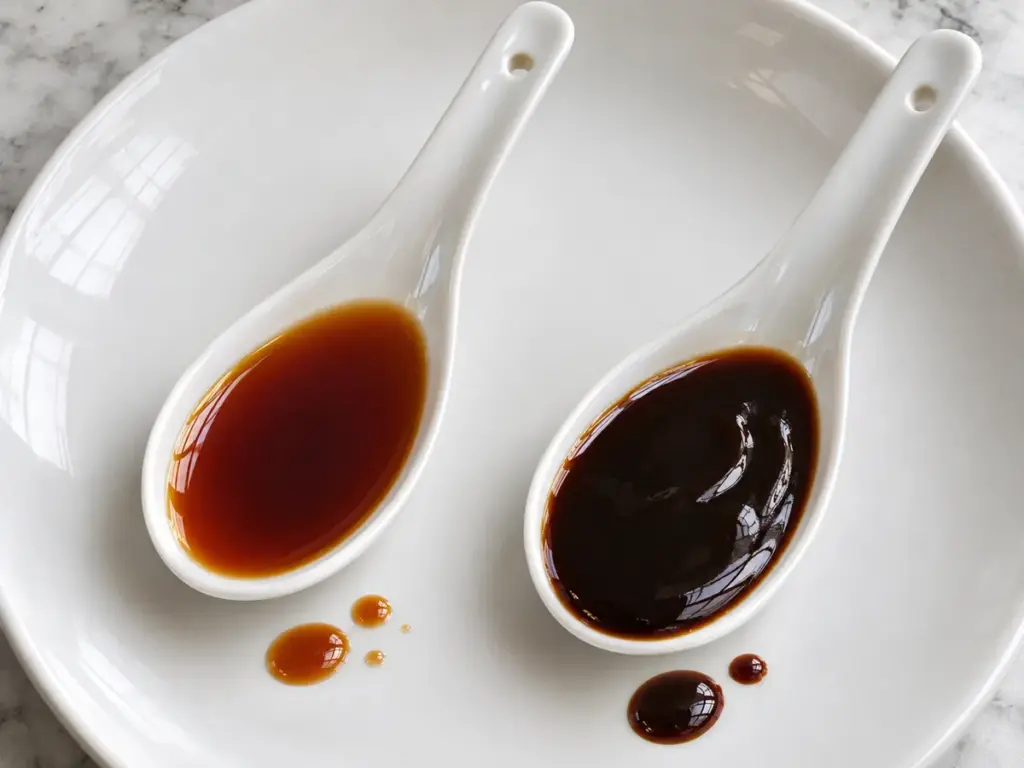
- The protein base is hydrolyzed soy protein (plus hydrolyzed corn protein on the US-style listing).
- Glucose powder or corn syrup, plus sugar, sits high on the list.
- The protein base is wheat gluten, wheat flour and wheat bran.
- It has under 2% sugar, plus dextrose.
| Trait | Knorr Liquid Seasoning | Maggi Asian Seasoning Sauce (US) |
|---|---|---|
| Salt | Iodized salt, listed after the glucose on the UK listing | Second ingredient, right after water |
| Acid | Citric acid | Acetic acid |
| Sodium per teaspoon | Not stated on the pages we could read | 430 mg |
For flavor enhancers, Knorr uses monosodium glutamate, disodium guanylate and disodium inosinate. Maggi uses disodium guanylate and disodium inosinate, with no monosodium glutamate. Knorr names soy as an allergen (the US-style listing adds corn and sulfites), and Maggi names wheat.
Read the table row by row and one pattern appears: Knorr puts sugar sources high on the list, while Maggi puts salt and wheat protein first and keeps sugar below 2%. Ingredients are listed by weight, so you should expect Knorr to taste rounder and sweeter, and Maggi to taste saltier and sharper.
The brands also start in different places. Knorr was founded in 1838 in Heilbronn, Germany, by Carl Heinrich Theodor Knorr. Julius Maggi, whose family ran a mill near Zurich, Switzerland, created Maggi seasoning in 1886 as a plant-based liquid seasoning. Where your bottle was made matters more than where the brand began, because each country gets its own recipe.
2. Do Knorr and Maggi Contain MSG, Soy or Wheat?
It depends on the bottle, and these are the three labels we read:
- Knorr, UK Asian grocer listing: hydrolysed soya protein, glucose powder, iodized salt, and flavor enhancers E621 (monosodium glutamate), E631 and E627. It names no wheat.
- Knorr, US-style listing: hydrolyzed soy protein, corn syrup (contains sulfites), monosodium glutamate, hydrolyzed corn protein, disodium guanylate and disodium inosinate. The page says it contains sulfites, soybean and corn.
- Maggi Asian Seasoning Sauce, US: water, salt, wheat gluten, wheat flour, sugar, caramel color, acetic acid and wheat bran, then disodium guanylate and disodium inosinate. It lists no monosodium glutamate.
If you avoid wheat, skip the Maggi on that label, because wheat gluten is its protein base. The Knorr lists above name no wheat, but none of the three pages says "gluten-free", so read the bottle in your hand. If you avoid sulfites, the US-style Knorr listing flags them and the Maggi list does not. Tamari and liquid aminos are other soy-based bottles you may reach for, and each needs the same wheat check on its label.
3. Does the Recipe Change by Country?
Yes, and Maggi shows it most. Wikipedia's Maggi entry describes the sauce as a hydrolysed vegetable protein condiment and lists these regional versions:
- Germany and Switzerland: older bottles used acid-hydrolyzed soy protein. Around 2006 the German recipe moved to enzyme-hydrolyzed wheat protein with less salt.
- Europe overall: nine formulations, with generally similar taste.
- North America: the Chinese version sold there adds no MSG and tastes more robust than the Swiss original, which matches the US label above.
- Mexico: the Jugo version is darker and thicker.
- Philippines: Maggi Savor is a related product, and the Calamansi version adds a sharp citrus note.
Knorr varies too, as the two lists above show: the UK listing uses glucose powder, while the US-style listing adds corn protein and corn syrup. Do not copy a ratio from a recipe written for another country's bottle without tasting first.
4. How Do They Compare With Soy Sauce?
Both bottles sit close to soy sauce in color and use, and USDA FoodData Central shows how close. It lists soy sauce made from soy and wheat (shoyu) at 5,493 mg of sodium per 100 g (FDC 174277), and soy sauce made from hydrolyzed vegetable protein at 6,820 mg per 100 g (FDC 174279). USDA's teaspoon weights turn those into the figures below.
| Sauce | Sodium per teaspoon | Where the number comes from |
|---|---|---|
| Soy sauce (shoyu, soy and wheat) | about 291 mg | 5,493 mg per 100 g, 5.3 g per teaspoon (USDA FDC 174277) |
| Soy sauce from hydrolyzed vegetable protein | about 409 mg | 6,820 mg per 100 g, 6 g per teaspoon (USDA FDC 174279) |
Maggi lands next to the hydrolyzed-protein type, which fits its description as a sauce similar to soy sauce. A teaspoon of Maggi carries about 1½ times the sodium of a teaspoon of shoyu (430 ÷ 291), so 1 teaspoon of Maggi equals about 1½ teaspoons of soy sauce for saltiness. Soy sauce is the closest stand-in in most kitchens, and its salty, slightly sweet flavor comes with less sodium per teaspoon than Maggi.
5. Can You Swap Knorr Liquid Seasoning for Maggi?
Yes, in dishes where the sauce seasons the food and does not carry it, such as soups, fried rice, noodles, eggs and marinades. Only Maggi's sodium is confirmed on the labels we read, so these are starting points to adjust by taste, not tested ratios.
| The recipe calls for | You have | Start with |
|---|---|---|
| 1 teaspoon Maggi | Soy sauce | 1½ teaspoons, which matches Maggi's sodium |
| 1 teaspoon Maggi | Knorr | Less than 1 teaspoon, then add drops, because Maggi lists salt second |
| 1 teaspoon Knorr | Maggi | Less than 1 teaspoon, and cut other salt in the dish |
| 1 teaspoon Knorr | Soy sauce | 1 teaspoon, then taste, and skip extra sugar |
Add the sauce at the end of cooking, a few drops at a time, and wait for the dish to simmer for a minute before you taste. Both bottles are salty enough that the second splash is the one that tips a dish too far. If neither bottle is in the cupboard, the Maggi stand-ins include soy sauce, Worcestershire sauce and Kitchen Bouquet, and the soy sauce swaps cover the reverse case.
6. Which One Should You Buy?
- Someone avoids wheat, once you confirm the label
- You want a sweeter, rounder drop for fried rice or glazes
- Nobody avoids soy, corn or sulfites, which Knorr flags
- You want a salt-forward sauce for soups and stews
- You want under 2% sugar on the list
- No one needs to avoid wheat
On a fried egg over rice, drops of Maggi add mainly salt and savory depth, while the sugar high on Knorr's list means drops of it add a little sweetness as well. In a stir-fry with crisp stir-fry vegetables, add either bottle in the last minute and taste before you add more.
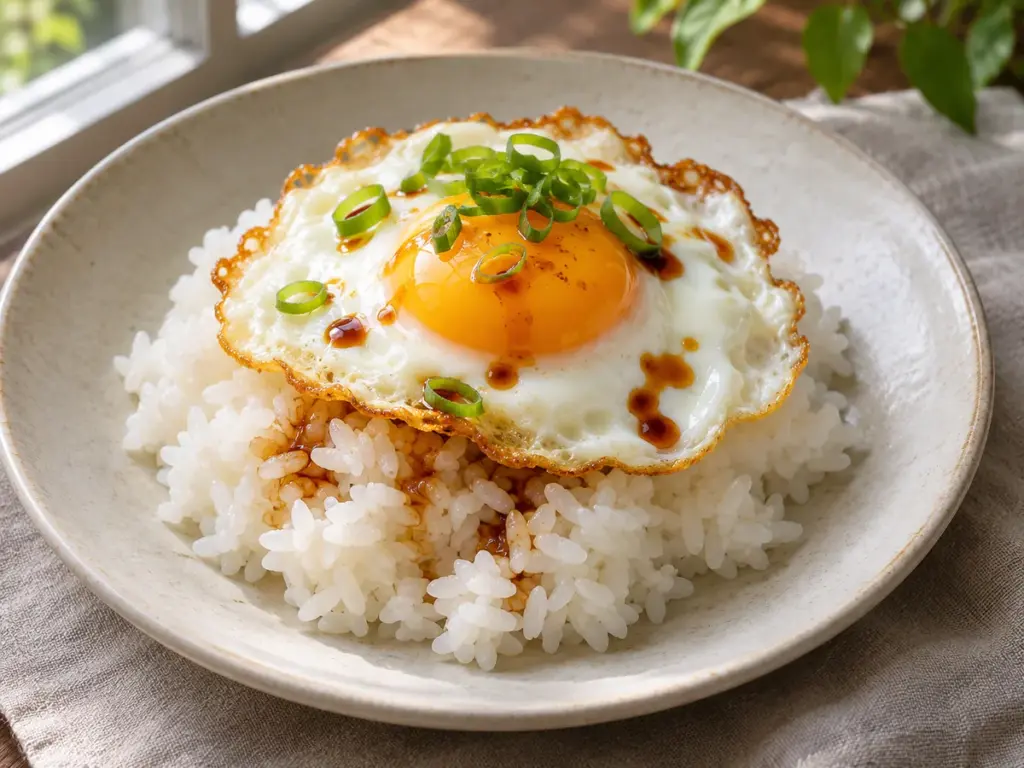
Last, think about salt. Soy sauce carries about 291 mg of sodium per teaspoon and Maggi's US label shows 430 mg, so cut the other salt in the recipe when you switch to either bottle.
Sources
- Target: Maggi Asian Seasoning Sauce, 6.7 fl oz (ingredients and sodium per teaspoon)
- The Asian Cook Shop (UK): Knorr Liquid Seasoning 250 ml (ingredients)
- Food Is Good: Knorr Original Liquid Seasoning (ingredients and allergens)
- USDA FoodData Central: Soy sauce made from soy and wheat (shoyu), FDC 174277 and soy sauce made from hydrolyzed vegetable protein, FDC 174279
- Wikipedia: Maggi (regional versions) and Knorr (founding)
- Nestle Sri Lanka: Julius Maggi on the pulse (1886 seasoning)

Food writer at GustoMeadow. Writes ingredient substitutes, food comparisons, taste guides and storage guides for home cooks.
Storage and food-safety numbers follow USDA, FDA and university extension guidance.



