
In the epic showdown of tiny pasta, it's stelline versus pastina. We all grew up slurping these stars and grains, right?
Stelline sparkles in soups. Pastina, a hug in a bowl for the sick and sad.
We've battled over the best tiny pasta. Our kitchens have seen things.
Spoiler: it's a heated debate.
Our verdict surprises many. It's personal, steeped in childhood memories and comfort food cravings.
Can't pick a favorite? Neither can we, sometimes.
It's like choosing between puppies and kittens.
Read on. We're spilling the pasta secrets.
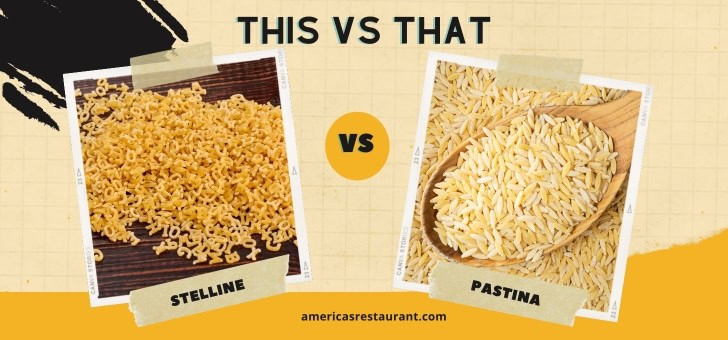
What are Stelline?

Stelline or "little stars" are a type of Italian pasta that resembles small, five-pointed stars.
These tiny and delicate shapes make Stelline perfect for soups and broths.
They are versatile and absorb flavors quickly, improving the overall taste of the dish.
Stelline is commonly used in baby food due to its smaller size and texture, making it easier for infants to eat.
In comparison with Pastina; Pastina is another popular Italian pasta that's commonly served to children as it is small and easy to digest.
Similar to Stelline, Pastina has a delicate texture which makes it versatile for use in various dishes.
However, unlike Stelline which takes the shape of five-pointed stars, Pastina comes in different shapes including circles, tubes, or ribbons.
While both Stelline and Pastina have a comparable size, texture and versatility, there are differences in shape that could affect presentation when used for certain dishes.
Overall they're both great options depending on personal preference and recipe needs.
Because stelline absorb flavors quickly, they can complement bright citrus notes; lemon dessert pairings for bright contrasts shows ingredients that harmonize with delicate citrus flavors.
What is Pastina?

Asking about Pastina refers to a type of pasta that is finely cut into tiny shapes.
The word 'Pastina' means little dough in Italian.
It is popularly used as a flexible ingredient for Italian soups and broths, consumed during breakfast or lunchtime.
- Pastina pieces are small, round or star-shaped and cooked until al dente.
- Pastina has a smooth, soft texture, melts quickly and requires shorter cooking times than conventional pasta.
- It's usually served as an alternative to rice pudding designs by incorporating sweets like fruits or chocolate chips on top.
It can be used extensively across numerous culinary recipes bringing variations in the dishes, setting its unique taste and texture.
When added across chicken broths or seasoned vegetables, it deserves attention because of its ability to thicken the base while contributing a nice flavor.
Considered bite-sized Pastinas are an excellent source of iron and are readily available at most grocery stores at affordable prices.
Pastina's tiny texture can even be used as a crunchy or tender topping for dips and bowls - what to eat with guacamole? try these combos offers ideas for compatible snack pairings.
Differences Between Stelline and Pastina

Stelline and pastina are two small pasta shapes that differ in several ways:
- Stelline has a star shape, while pastina is flat or round in shape.
- Stelline is commonly used in soups and broths due to its ability to soak up liquid quickly, whereas pastina can be used in various dishes like salads or casseroles.
- Lastly, stelline is mostly preferred by kids for their fun aesthetic look, whereas pastina is simpler and less visually appealing.
Shape and Size
The characteristics of Stelline and Pastina differ in their shape and size.
While Stelline has a star-shaped figure, Pastina looks like miniature rice or maybe tiny pearls.
Their sizes are also distinct as Stelline is larger than Pastina.
The shape and size of these pasta variants play an integral part in choosing the right one for different dishes.
Stelline works best when paired with thick soups, stews or chili due to its hollow center that allows the broth to fill up.
On the other hand, Pastina is ideal for light soups and broths because of its small size and delicate structure.
Apart from being used in soups, some chefs use these pastas interchangeably in appetizers or side dishes as well - see vegan tapas recipes for bold, bite-size flavor that apply small pasta ideas in small-plate cooking.
But it is important to remember that they possess distinctive features depending on their form factor.
Stelline vs Pastina - both have a unique place on our plates.
Choose accordingly based on their size and shape but don't hesitate to create custom recipes with your favourite choice.
Cooking Time and Texture
One of the major factors that influence the choice is their cooking time and texture.
Stelline being smaller in size cook faster than pastina, which could be a favorable option for people who are short on time.
On the other hand, pastina takes slightly longer to cook due to its size but provides a softer and creamier texture.
Therefore, if you prefer a firmer texture, stelline is an ideal choice.
However, if you want a smoother consistency, go for pastina.
Both varieties work well in different dishes like soups and broths, making them versatile options for different cuisines and occasions - and understanding white cooking wine vs white wine vinegar comparison can help decide which seasoning approach suits each dish.
Culinary Uses and Pairings
Stelline and pastina, both small pasta shapes, have their distinctive culinary uses and pairings.
Stelline are primarily used in soups and broths, adding a delicate texture to the dish.
Pastina, on the other hand, is more versatile and can be prepared in several ways such as saucy soups or baked casseroles.
While stelline pairs well with mild-flavored broths and vegetables, pastina goes well with tomato-based sauces and cheeses.
The distinct size and shape of these pasta types offer interesting culinary opportunities suitable for various dishes.
Small pastas can also appear in chilled, fruit-forward bowls or as light accompaniments to summer drinks; best pairings for watermelon smoothies lists complementary flavors for bright, refreshing menus.
Similarities Between Stelline and Pastina

Both Stelline and Pastina are small pasta shapes that are commonly used in soups and broths.
They share similarities in terms of size, texture, and cooking time, making them a convenient ingredient for quick and easy meals.
Both pasta types also have a mild flavor that blends well with other ingredients in the dish.
They are both versatile and can be used beyond soup as they pair well with sauces or can be served plain as a side dish.
However, there are some slight differences between Stelline and Pastina that could influence their usage in certain dishes.
Stelline has a star-shaped design while Pastina is more uniform in shape.
This difference could affect the presentation of the dish but does not impact taste or nutritional value.
Also, Stelline tends to hold its shape better than Pastina when cooked for an extended time.
In summary, despite minor differences in appearance and consistency, Stelline and Pastina are similar pasta shapes that offer versatility in cooking.
It depends on personal preference or the desired presentation of the dish when choosing between these two options.
Taste and Flavor Comparison
When comparing the taste and flavor of stelline and pastina pasta, there are distinct differences that set them apart, so it helps to know extract vs flavor: what's the difference? when dialing in subtle versus robust seasoning.
Stelline is a smaller noodle that offers a light and delicate taste, whereas pastina has a heartier, more strong flavor.
Both pasta options are versatile and can be used in various dishes, but the main difference lies in the taste and texture.
Stelline pasta has a unique flavor that is appreciated for its subtlety.
The small noodle provides a delicate texture that mixes well with lighter sauces or soups.
On the other hand, pastina has a heartier flavor that can hold its weight against heavier sauces or broths.
The larger size of pastina also allows it to be used as a standalone ingredient in recipes.
What sets these two pasta options apart is their versatility in different dishes.
Stelline is perfect for light Italian soups or combining with mild sauces that won't overpower its subtle taste.
In contrast, Pastina is ideal for use in traditional chicken noodle soup or other hearty dishes.
In summary, when it comes down to stelline versus pastina, choosing one over the other depends on personal preference for taste and what dishes you're making.
Do you prefer delicate flavors? Or do you need something heartier to hold up against heavy ingredients?
Either way, both stelline and pastina offer unique options that can enhance any recipe they're used in.
Which Option to Choose: Stelline or Pastina?
When deciding between stelline and pastina, it is important to understand the nuances of each option.
Stelline are small star-shaped pasta while pastina are small, round-shaped pasta.
While both options can be used in a variety of dishes, including soups and salads, the choice ultimately comes down to personal preference and the recipe being prepared.
Stelline's unique shape allows for a fun visual element in dishes, but may not be as versatile as pastina when it comes to pairing with ingredients.
Pastina is a more classic option that can easily complement various flavors and textures in a dish.
Ultimately, deciding between stelline and pastina depends on the individual's goal for the dish.
It is also worth noting that both options may vary in texture depending on the brand or type of pasta used.
Consulting a recipe or experimenting with different options can help determine which pasta best suits the dish at hand.
Where to Buy Stelline and Pastina?
For those wondering where to buy these Italian pasta types, here are some options:
- Local supermarkets - Both stelline and pastina are commonly stocked at local grocery stores.
- Online specialty stores- Many online shops offer a wide range of imported pasta products, including stelline and pastina.
- Italian specialty stores- Some Italian markets or restaurants may also sell these pasta varieties.
- International food markets- Specialty food markets that carry international goods may also stock stelline and pastina.
Availability may vary regionally, so it's best to check with local retailers before venturing out to purchase any specific brands or sizes.
In addition, be aware that price may fluctuate depending on the vendor and the size of the package.
Although both stelline and pastina are small pasta shapes suitable for soups or broths, their precise differences lie in their cut; stelline is shaped like tiny stars while pastina resembles small grains.
With this information, one can make an informed decision on which shape better goes with the particular dish they are preparing.
Before making a final purchasing decision, consider checking for reviews on different brands available in the market as this can help narrow down options based on quality, taste, and texture preferences.
With some research and knowledge of where to purchase stelline and pastina, customers can comfortably add these delicacies to their pasta collection.
Specialty and international markets often carry niche staples and imported goods - where to buy miso and find it in the grocery store explains where to look for specialty items in similar retail sections.
Shape and Texture: Stelline vs Pastina Pasta
After comparing stelline and pastina, it is evident that both have their unique characteristics and usage.
Stelline provides a star-like shape and is ideal for soups and broths, whereas pastina offers a smooth texture which makes them suitable for salads or side dishes.
Stelline offers a unique shape suitable for soups while pastina has a more versatile application as it can be used as a salad or side dish in addition to soup.
Shape matters when matching pasta to sauce. fusilli vs rotini pasta comparison for sauce hold shows how twists change texture. Seasoning choices also shift final flavor - white cooking wine vs white wine vinegar comparison explains how those options affect savory notes.
Frequently Asked Questions
However, unlike Stelline which takes the shape of five-pointed stars, Pastina comes in different shapes including circles, tubes, or ribbons. They share some similarities but each has qualities that make it better suited for certain recipes.
It depends on the dish. Stelline and Pastina share some overlap, but each shines in different preparations.
Swapping works best in forgiving recipes like soups or stews.
Pricing varies by brand and region, but one is typically more accessible at everyday price points. The other may cost more due to specialization or limited supply.
Is there a best time to use each one?
One shines in applications requiring subtlety and background support.
The other is better when it is meant to be a center.
Matching the right one to its role makes a noticeable difference.