
Chestnut mushrooms are brown cremini, so baby bella mushrooms are the same mushroom, and white button mushrooms swap in 1:1 with a milder taste.
- Chop portobello caps for stews and sauces, after you scrape out the dark gills.
- Use shiitake caps without stems for a chewier, more savory mushroom.
- For the orange-capped cluster mushroom (Pholiota adiposa), shiitake is the closest swap.
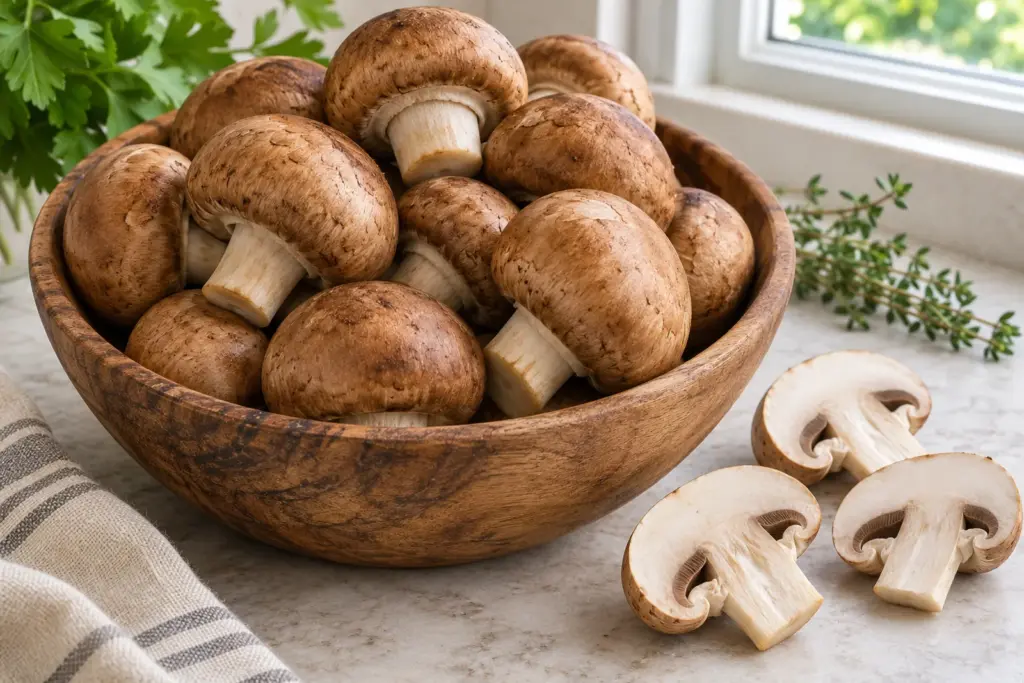
Brown cremini, white buttons and portobello are all one species, which makes mushrooms among the easiest ingredients to swap in the middle of a recipe. Most recipes that ask for chestnut mushrooms mean the brown supermarket kind, so the swaps below are ranked by how closely they match it. A separate section covers the rarer cluster mushroom that shares the name.
What Are Chestnut Mushrooms?
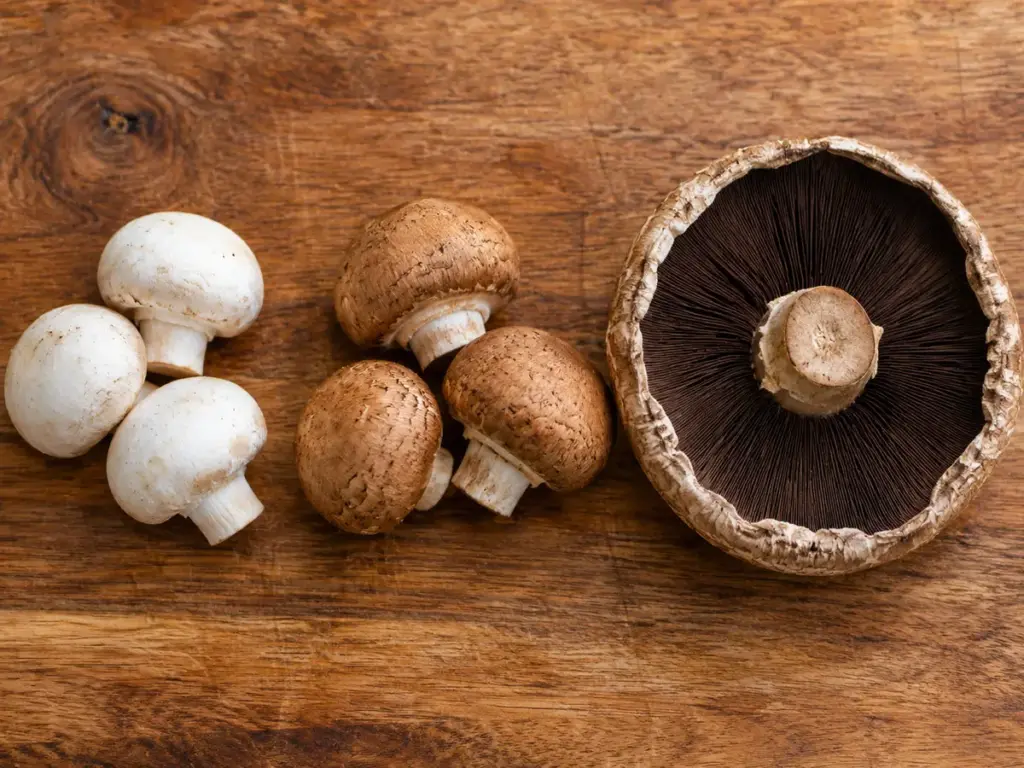
In UK shops, and in many recipes written there, "chestnut mushroom" is the label on brown Agaricus bisporus. Wikipedia lists "cremini," "baby bella" and "chestnut mushroom" as names for the immature brown form of that species, and says the species comes in two color states while immature, white and brown. The white form is the button mushroom. The brown form, left to grow, becomes the portobello, with a cap 10 to 15 cm across.
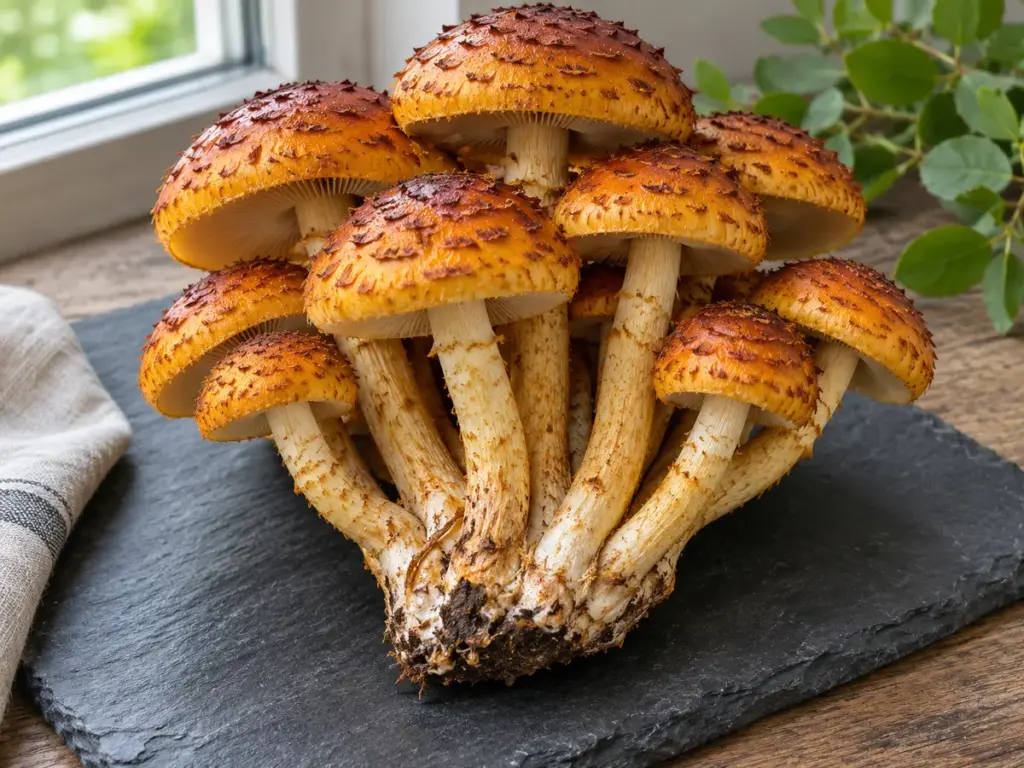
A second mushroom also gets sold as "chestnut mushroom": Pholiota adiposa, a wood-growing species that is cultivated and eaten in parts of Asia and sold by some specialty growers in the US. It looks and cooks quite differently, so check which one your recipe means before you swap.
- Smooth tan to brown cap and a short stem
- Same species as white button and portobello
- Mildly earthy, firm and good in long cooking
- Golden to rust-orange scaly cap, 2 to 4 inches wide
- Different species, grown on wood
- Nutty and savory, with crisp stems
Brown cremini is the mushroom most British recipes name. A recipe that talks about bunches and crunchy stems means the cluster mushroom.
What Do Chestnut Mushrooms Do in a Recipe?
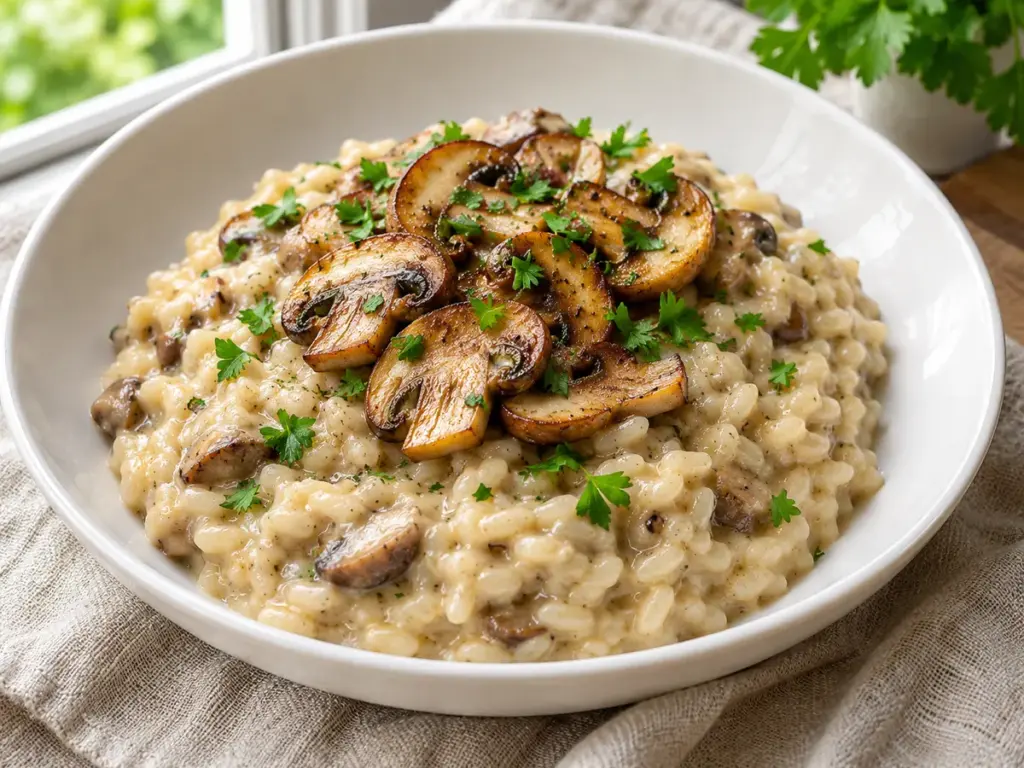
Whole Foods' mushroom guide calls cremini mildly earthy and firm enough to stand up to long cooking times, which is why they sit in risottos, stews and pie fillings without turning to mush. Plain white buttons are milder, so a swap that drops the earthiness changes the dish more than one that changes the shape.
Moisture matters as much as taste. Fresh mushrooms release liquid in the pan, and Oregon State Extension's sauteed mushroom recipe has you cook on medium-high until the liquid evaporates and the mushrooms begin to brown. Any swap you pick should give you three things: some earthy depth, a firm bite and a slice that browns instead of steaming.
5 Best Substitutes for Chestnut Mushrooms
Use the same weight of any swap as the recipe gives for chestnut mushrooms. Weigh them instead of counting caps, because one portobello cap can equal several chestnut mushrooms.
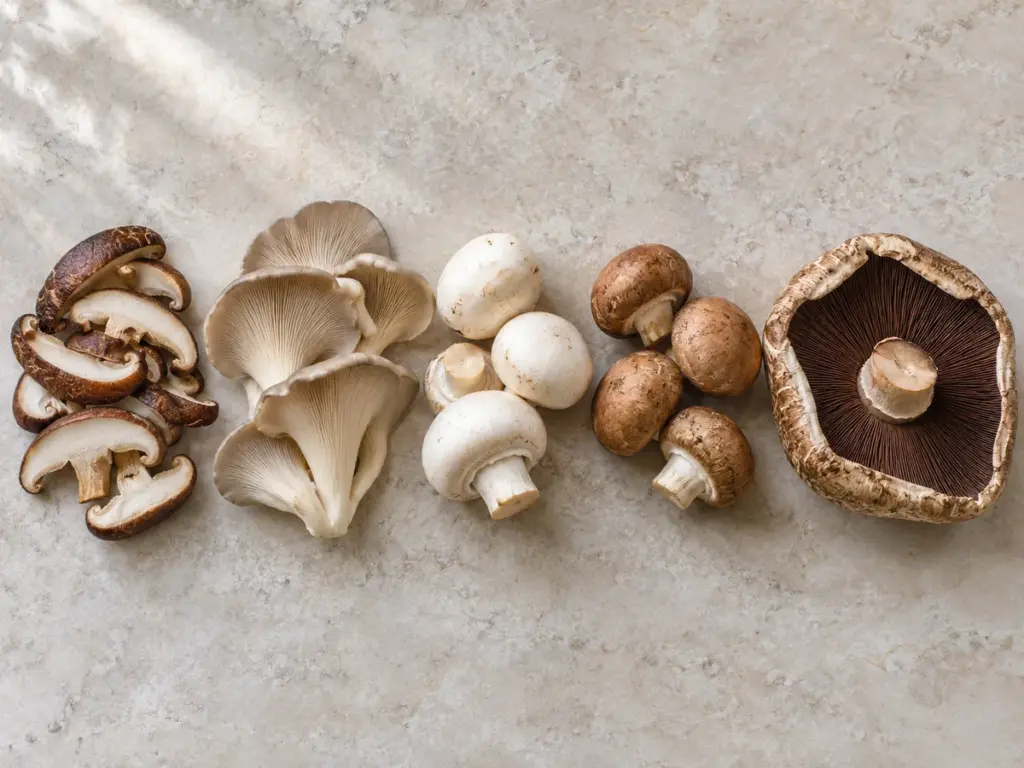
| Substitute | Ratio | Best for | What changes |
|---|---|---|---|
| Baby bella or cremini | 1:1 | Any recipe | Nothing |
| White button | 1:1 by weight | Soups, pasta, pizza | Milder, paler |
| Portobello, chopped | 1:1 by weight | Stews, pie fillings | Deeper, darker sauce |
| Shiitake caps | 1:1 by weight | Risotto, soups | Chewier, more umami |
| Oyster | 1:1 by weight | Quick sautes, omelets | Softer |
The first two rows are the safe picks for a recipe written around brown cremini. The last three give a different taste or texture, so the dish will taste a little different.
1. Baby Bella or Cremini Mushrooms
Baby bella and cremini are other names for the same brown mushroom, so you do not have to adjust anything: use 1:1 by weight, so a pound of chestnut mushrooms becomes a pound of cremini, with the same slices and the same pan. If your store only labels them cremini, buy those. When the shelf is empty, any cremini mushroom substitute works here too.
Whole Foods calls the flavor mildly earthy and the flesh firm, so keep the cooking method and time the recipe already gives.
2. White Button Mushrooms
White buttons are the immature white form of the same species, so they cook the same way but taste milder. Whole Foods describes them as having a "delightfully mild flavor profile." Because they give less earthiness, you will notice the gap between white mushrooms and baby bellas in a plain saute.
3. Portobello Mushrooms
A portobello is a fully grown cremini, so it brings the same flavor with more of it. Whole Foods lists a smoky, earthy flavor and a chewy, meaty texture. You can slice the cap into pieces about the size of sliced chestnut mushrooms.
Scrape out the black gills when the sauce is pale, such as a cream sauce, because they turn it gray-brown. A single cap is far larger than a chestnut mushroom, so chop it first instead of cooking it whole.
4. Shiitake Mushrooms
Pick shiitakes when you want more savory depth than chestnut mushrooms give. Whole Foods calls them dense and chewy enough to hold up in long-simmering liquids like risotto, ragout or soup.
Cremini is the usual stand-in when shiitake is missing, but it has less savor, so add a splash of soy sauce.
5. Oyster Mushrooms
Oyster mushrooms are slightly chewy and soft, and Whole Foods says to add them near the end in recipes with long cooking times. Swap them 1:1 by weight, tear the fans into strips and sear them quickly for stir-fries, omelets and quick soups. In a stew you will miss the firm bite of cremini.
Shiitake caps are closest when you need to replace oyster mushrooms, and the main gap between them is softness, as the oyster and shiitake comparison shows.
What Should You Swap for the Cluster Chestnut Mushroom?
If your recipe means Pholiota adiposa, GroCycle describes it as tasting like shiitake but milder, with a nutty umami flavor and stems that stay crunchy, like lightly cooked celery or asparagus. Cremini only matches the "mushroom" part of that, because it has neither the nutty savor nor the crisp stem.
- Shiitake caps are the closest taste, and GroCycle says they have a similar but slightly stronger flavor with no crisp stems, so slice them thin.
- Shimeji is the other swap GroCycle names. It has long, thin, crisp stems like the cluster mushroom, but a milder flavor.
- Oyster mushrooms also grow in clusters and cook fast, but they are softer, so you lose the snap of the stem.
Which Swap Fits Your Dish?
The dish decides more than the mushroom does. A long simmer needs a swap with body, and a quick sear gives you room to use a softer one.
- Risotto, stew, stroganoff: cremini or portobello, which hold their shape
- Soup or ragout: shiitake caps for extra savory depth
- Pie or pasta bake: chopped portobello, with the gills scraped out
- Stir-fry or hot pot: oyster, or shiitake sliced thin
- Omelet or toast topping: white button or oyster
- Pizza or creamy pasta: white button
How Do You Brown Mushrooms So the Swap Tastes Right?
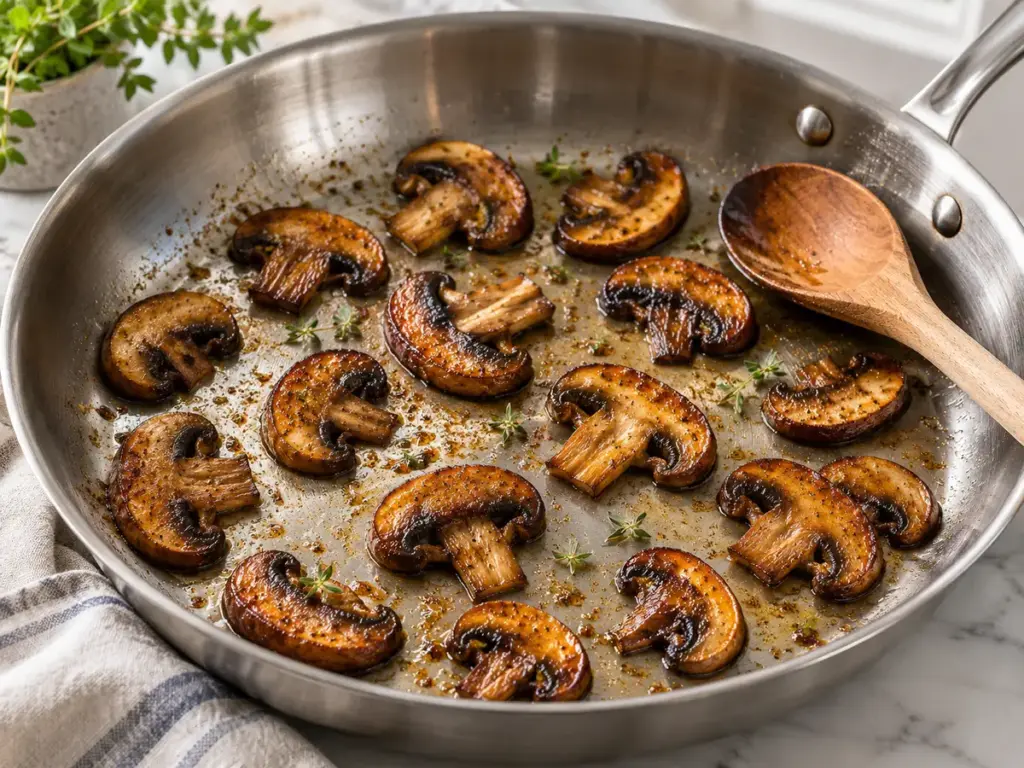
If your swap steams in its own liquid, it tastes bland, whatever mushroom you picked. Use this order for any of the five:
- Wipe, do not soak. Whole Foods says mushrooms absorb water easily, so wipe them with a damp cloth or rinse them briefly.
- Cut one size. When you mix varieties, cut them to roughly the same size so they cook evenly.
- Heat the pan. Use a wide skillet on medium-high with a little oil, and keep the slices in a single layer with space between them.
- Wait for the liquid to cook off. Stir only now and then, until the liquid evaporates and the mushrooms begin to brown, as Oregon State Extension's recipe does.
Which Mushroom Swaps Should You Skip?
Chanterelles look nothing like cremini, since they are funnel-shaped forest mushrooms. Wikipedia calls the chanterelle a commonly consumed and choice edible species with a faint apricot aroma and flavor. That aroma changes a dish, so keep them for recipes built around them.
Long, thin enoki strands are soft, so they have no body to brown or to hold up in a stew. Drop them into hot soup right at the end, and do not count on them in a sauce. Dried mushrooms must soak first and taste much stronger, so dried instead of fresh works in sauces and stews but not in a quick saute.
If you have no mushrooms in the house at all, mushroom-free replacements such as tofu, tempeh or eggplant give you bulk and chew, but none give the earthy flavor, so add a little soy sauce.
Do the Swaps Change the Nutrition?
Not by much. USDA FoodData Central lists these raw mushrooms per 100 grams:
- Cremini: 22 kcal, 2.5 g protein, 0.6 g fiber (FDC 168434)
- White button: 22 kcal, 3.09 g protein, 1 g fiber (FDC 169251)
- Portabella: 22 kcal, 2.11 g protein, 1.3 g fiber (FDC 169255)
- Shiitake: 34 kcal, 2.24 g protein, 2.5 g fiber (FDC 169242)
- Oyster: 33 kcal, 3.31 g protein, 2.3 g fiber (FDC 168580)
Sources
- Wikipedia, Agaricus bisporus: cremini, baby bella and chestnut names, white and brown forms, portobello size.
- Wikipedia, Pholiota adiposa: edibility, cultivation, look-alikes.
- GroCycle, Guide to Chestnut Mushrooms (Pholiota adiposa): appearance, taste, stems, swaps.
- Wikipedia, Cantharellus cibarius: chanterelle edibility and aroma.
- Whole Foods Market, Mushrooms guide: flavor and texture by variety, stems, washing.
- Oregon State University Extension, Simple Sauteed Mushrooms: medium-high heat, cook until the liquid evaporates.
- USDA FoodData Central: FDC 168434, 169251, 169255, 169242 and 168580 (raw mushrooms, per 100 g).

Food writer at GustoMeadow. Writes ingredient substitutes, food comparisons, taste guides and storage guides for home cooks.
Storage and food-safety numbers follow USDA, FDA and university extension guidance.



