
Ciroc is made from French grapes and distilled five times (VinePair's count), and Grey Goose from French wheat, distilled once (the brand's count).
- Difford's Guide called Ciroc lemony with a touch of honey and Grey Goose peppery with faint aniseed.
- Both unflavored bottles are 40% alcohol (80 proof), so pour them 1:1.
- In a Moscow mule or cosmopolitan, mixers cover most of the gap.
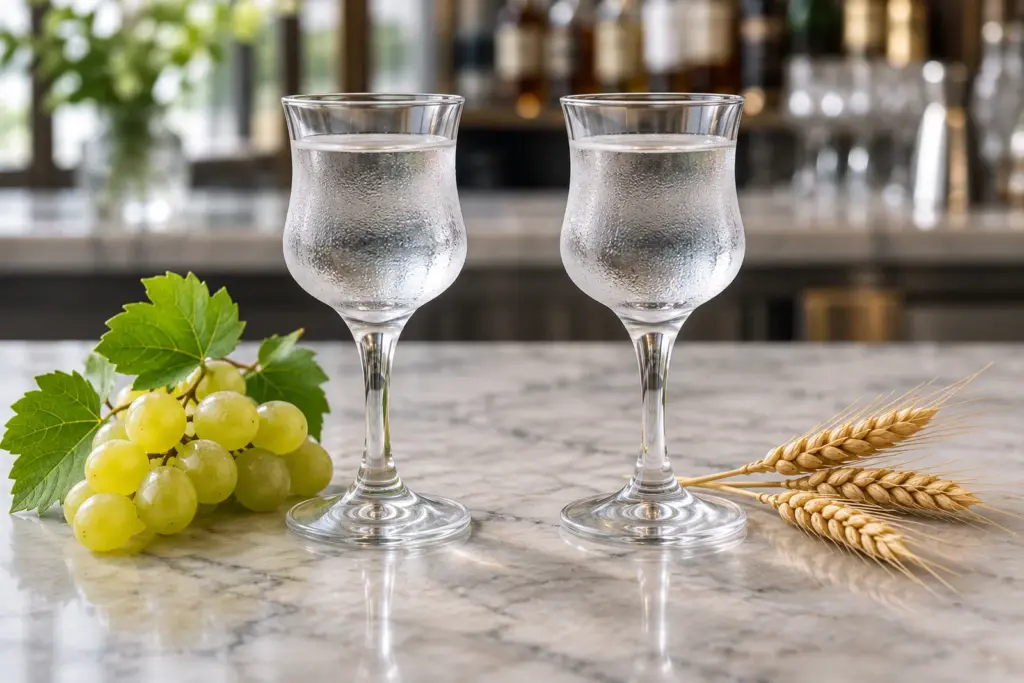
Plenty of ingredient and drink matchups come down to one raw material, and this one does too. Ciroc starts on a vine and Grey Goose starts in a wheat field, so each bottle's base crop, owner and distillation count are the facts that matter most.
1. What Is the Difference Between Ciroc and Grey Goose?
| Trait | Ciroc | Grey Goose |
|---|---|---|
| Base | French white wine grapes | Soft winter wheat, Picardie |
| Owner | Diageo | Bacardi |
| Launched | 2003 | 1997 |
| Distilled | Five times, per VinePair, last in a copper pot still | Once, per the brand, in columns of steel and copper |
| Strength | 40% (80 proof) | 40% (80 proof) |
Crop, owner, launch year and distillation count all differ, while the strength is the same, so the bottles share a proof and almost nothing else on the production side. Prices move by state, store and bottle size, so the table leaves them out and the buying section shows how to compare them.
2. What Is Each Vodka Made From?
Ciroc: White Wine Grapes
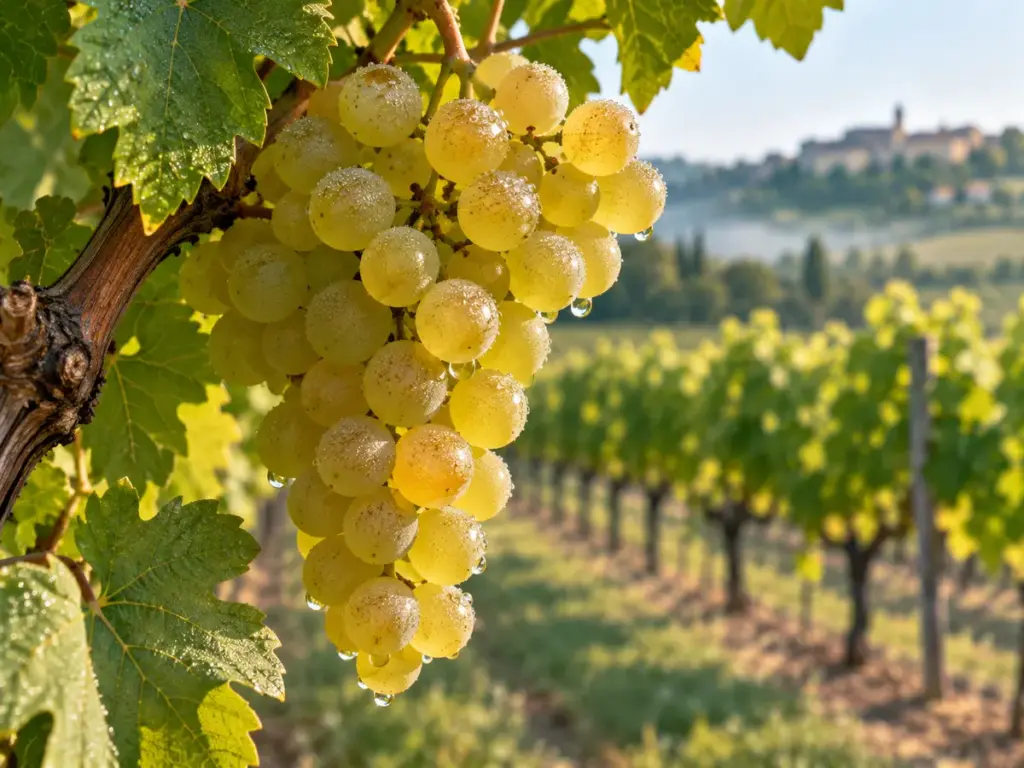
VinePair says Ciroc is made from Mauzac Blanc and Ugni Blanc, and Difford's Guide calls the spirit mainly Ugni Blanc, the chief grape of the Cognac region. Ciroc's own site says only "fine French grapes" and a finish "in a tailor-made copper pot still", and VinePair credits the five distillations for its citrus character.
VinePair describes Ciroc as starting its life as wine before it is distilled into vodka. Wikipedia traces the name to the French words for summit and rock, a nod to high vineyards in the Gaillac region where Mauzac grapes grow.
Grey Goose: Winter Wheat and Spring Water
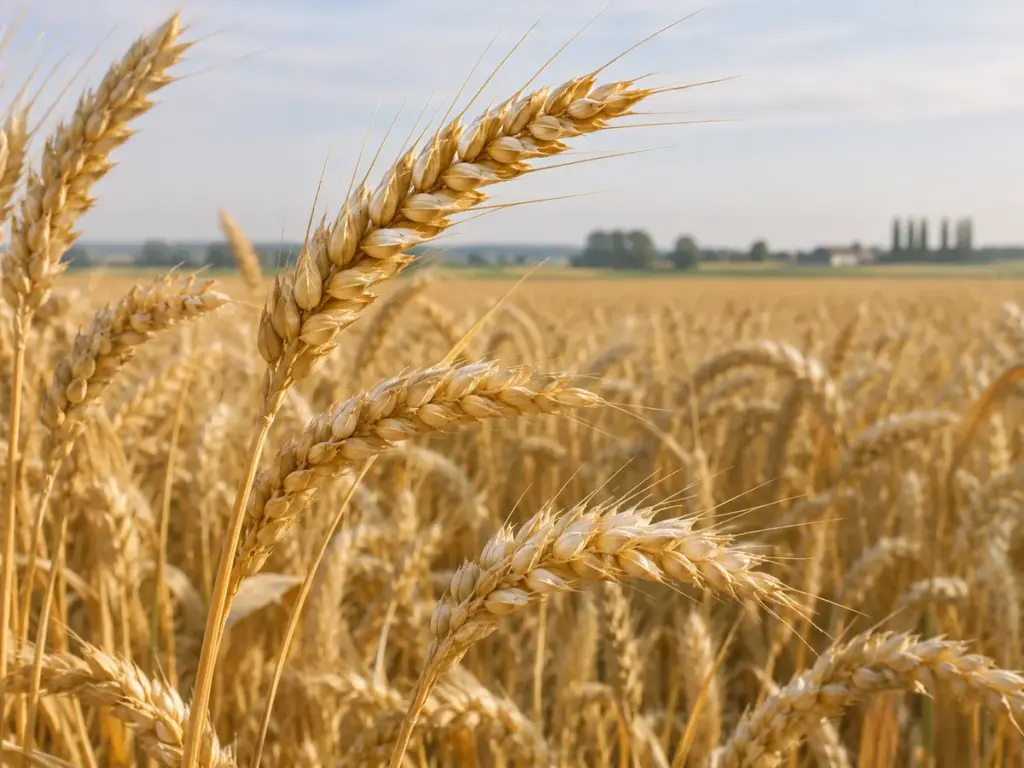
Grey Goose uses soft winter wheat grown in Picardie and blends the spirit with water from its own well in Gensac-la-Pallue, in the Cognac region. You can read on the brand's page that the water comes from an aquifer about 500 feet under its blending site and is filtered through limestone. The page does not name a wheat variety.
Grapes become wine for Ciroc, and the wheat mash becomes what Grey Goose calls a "bread wine" of 10% alcohol. At 40% in your glass, the crop shows up as a hint at most. If you expect a grape-flavored vodka from Ciroc you may be disappointed, Difford's Guide warns, and you will find only a faintly grainy palate in Grey Goose.
3. How Many Times Is Each Vodka Distilled?
- Grapes become a base wine first
- Four runs in column stills
- A fifth run in a copper pot still at the Distillerie de Chevanceaux
- Wheat mash becomes a 10% bread wine
- One pass through columns made of steel and copper
- Blended with spring water, filtered once
If you are wondering what the count means, VinePair says Ciroc is distilled five times, the last run in a copper pot still, and Ciroc's site calls the vodka "finished in a tailor-made copper pot still". Grey Goose says its vodka "requires only a single distillation".
Does Grey Goose Really Use Only One Distillation?
Yes, by the brand's count, and Difford's Guide shows what that looks like. It describes a continuous still with five columns, where the mash goes in at 10% alcohol and comes out of the last rectification columns at 96.3%.
Does More Distillation Make Better Vodka?
Each brand argues its own side. Grey Goose answers that "more distillation does not mean a better vodka" and adds that it would say the opposite is true, while Ciroc's site stresses its copper pot-still finish.
Both are brand statements, so the count on a label tells you the method and nothing about which bottle you will like. Both spirits are diluted to 40% alcohol before bottling, so you can sip either one, while grain alcohol is far stronger and not meant for that.
How Are They Cut With Water and Filtered?
- Water: Grey Goose adds limestone-filtered spring water that goes through double reverse osmosis, and Difford's Guide says the vodka is about 60% water.
- Filtering: the blend passes once through cellulose and active carbon and is not chill-filtered.
- Ciroc: its site gives no water or filtering detail, so you cannot compare this step.
What the label confirms for both is the 40% strength, so a shot from either bottle holds the same amount of alcohol.
4. How Do Ciroc and Grey Goose Taste?
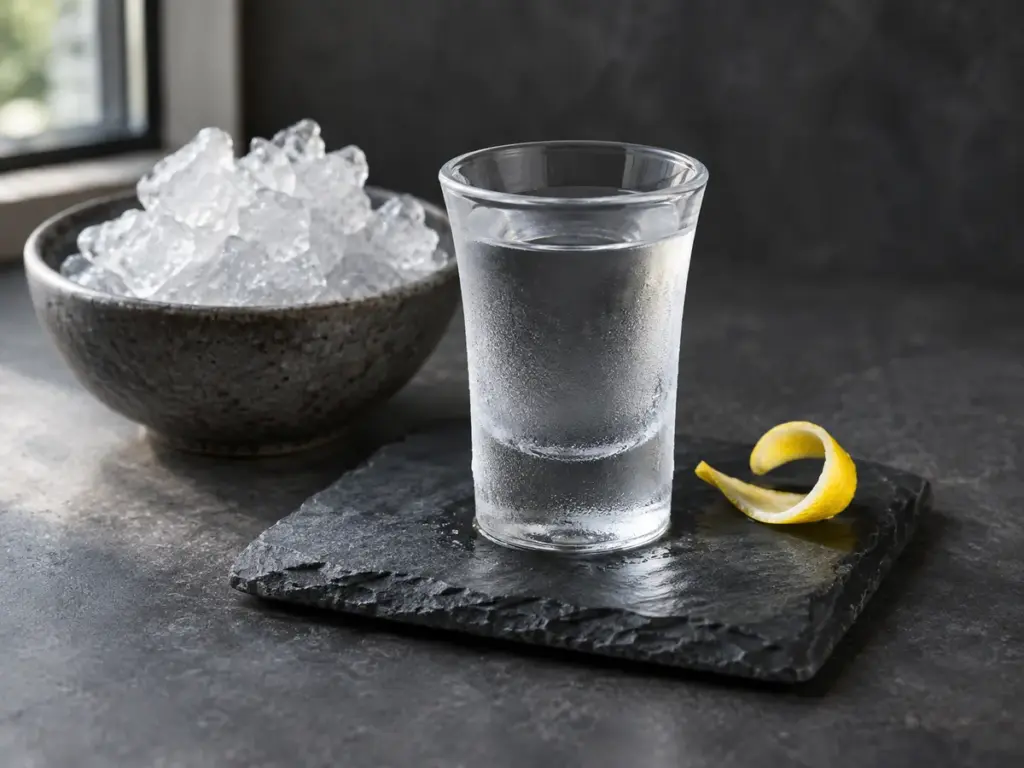
Ciroc, Difford's Guide (sampled October 2014): a nose of lemon zest and lemongrass with sage, a palate of zesty lemon, slight honey and cracked black pepper, and a finish of lemon zest, pepper and faint grappa. Ciroc's own site calls it "elegantly smooth".
Grey Goose, Difford's Guide (sampled June 2017): a faint whiff of coconut, especially when cold, plus nuts and fennel, a clean and faintly grainy palate with cracked pepper and minerality, and a long black pepper finish with aniseed and sweet licorice.
Those are one guide's notes from bottles tasted years ago, so treat them as a map for your own pour. Taste both from the freezer or the fridge in the same glass, then a second time at room temperature. Difford's Guide found the coconut note in Grey Goose mostly when the vodka was cold, and cold also hides the alcohol heat that can mask lemon or pepper.
The same guide says sweet coconut notes emerge in Grey Goose when water is added, so a few drops from a spoon are an easy way to check whether you taste it.
5. What About the Flavored Bottles?
Both brands sell flavored bottles, and they are a different product from the plain vodka compared above. Wikipedia dates Ciroc's flavored line to 2010, and VinePair counts nine flavors, among them French vanilla, peach and Summer Watermelon.
- Ciroc: Wikipedia lists seven main-line flavors (Mango, Apple, Pineapple, Red Berry, Coconut, Peach and French Vanilla) plus limited editions.
- Grey Goose: its page names L'Orange, Le Citron and La Poire, plus fruit essences such as White Peach and Rosemary.
Strength: US Ciroc flavors are bottled at 35% (70 proof) per Wikipedia and Difford's. Grey Goose's page footnote lists 40% for "vodka and flavored vodkas" and 30% for "vodka with natural flavors" without saying which bottle is which.
A Ciroc flavor at 35%, or a Grey Goose bottle labeled 30%, gives you a slightly weaker drink than a plain one at 40%. It is still vodka, so it is not the same as sweeter schnapps, which adds sugar that vodka does not. Difford's tasted Ciroc Peach in 2013 and found fruit closer to candy than to fresh peach, which is a reason to go lighter on added sweeteners.
6. Which Vodka Works Better in Martinis, Cosmos and Mules?
| Drink | What goes in it | Does the brand show? |
|---|---|---|
| Vodka martini | Vodka and dry vermouth, with a lemon twist or olive | Yes, because vodka is nearly the whole drink |
| Cosmopolitan | Vodka, triple sec, cranberry juice and lime juice | A little, since cranberry and lime cover it |
| Moscow mule | Vodka, ginger beer and lime juice | Barely, since ginger beer is the main flavor |
The more a drink is only vodka and ice, the more the bottle matters. Put the bottle whose notes you like into a martini, and pour whichever costs less that day into a mule. A vodka martini against a gin martini changes the drink far more than picking Ciroc over Grey Goose.

Mixers decide more than the vodka in the other two drinks. A cosmopolitan follows the IBA spec of 30 ml cranberry juice, and the label shows whether you hold cranberry juice or cranberry cocktail. Squeezed limes also help, since fresh lime juice tastes brighter than the bottled kind.
Starter Specs for Three Vodka Drinks
Cosmopolitan (IBA): 40 ml vodka citron, 15 ml Cointreau, 15 ml fresh lime juice and 30 ml cranberry juice, shaken with ice, strained and finished with a lemon twist.
Moscow mule (IBA): 45 ml vodka and 120 ml ginger beer in a mule cup or rocks glass, then 10 ml fresh lime juice and a lime slice.
Ciroc City Break (the brand's recipe): 35 ml vodka, 20 ml lime juice, 15 ml sugar and 3 to 4 mint leaves, shaken, double-strained over ice, topped with 50 ml sparkling wine or soda water and garnished with frozen grapes.
The IBA cosmopolitan names vodka citron, a lemon-flavored vodka, so a plain bottle of either brand leaves out that lemon note. Grey Goose sells Le Citron for that job, and with plain vodka the lime and the twist carry the citrus.
7. Can You Swap Ciroc for Grey Goose?
Yes, 1:1 in any recipe, because plain bottles of both are 40% alcohol. You will notice the shift from lemon and honey toward pepper and aniseed in a martini, and you will rarely notice it in anything with juice.
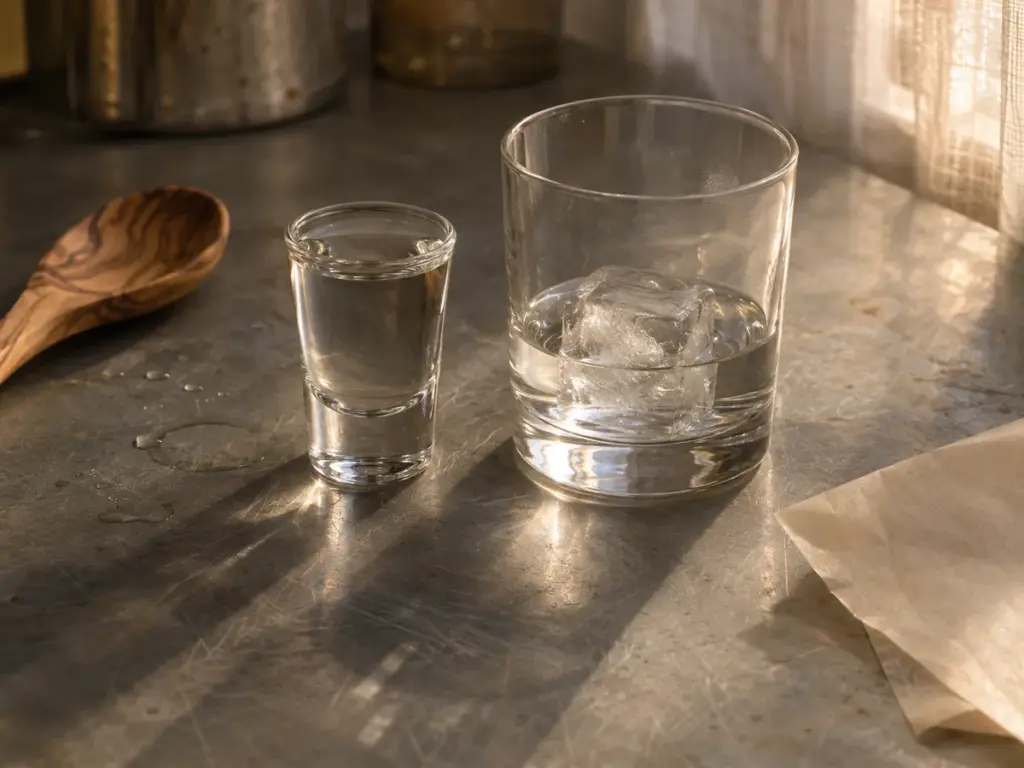
The NIAAA says one US standard drink holds about 14 grams, or 0.6 fl oz, of pure alcohol, which is a 1.5 fl oz shot of 80-proof spirits. A flavored bottle at 35% has about 0.53 fl oz of alcohol in the same 1.5 fl oz (1.5 x 0.35, simple arithmetic and not a sourced figure), so you get a little under one standard drink from that pour.
8. Is Ciroc Better Than Grey Goose, and Which Should You Buy?
Neither one is better in every glass. Difford's Guide lists tasting notes for both but no star score on either page, so the choice comes down to the flavor you like and what you mix it with. Prices change by state, store and bottle size, so compare the tag on the same bottle size at the same store, since a sale can flip the order.
- Sipping it cold and neat, and you like citrus and a touch of sweetness: buy Ciroc, whose Difford's notes lead with lemon zest and honey.
- A dry, peppery martini: buy Grey Goose, whose notes run to cracked pepper and aniseed.
- Mules, cosmos or a punch for a crowd: buy whichever costs less, because the juice and ginger beer cover the difference.
- A flavored drink for the evening: pick the flavor first, then check the strength on the label.
On the shelf, look for 40% Alc/Vol on the label. A flavored bottle can read 35%, 30% or 40%, so check the strength before you pour it like a plain vodka.
Sources
- Grey Goose, Process and Products: Picardie wheat, bread wine, single distillation, Gensac-la-Pallue well water, filtration, flavored line.
- Grey Goose FAQ, does distilling vodka more times make it better: the brand's answer on distillation count.
- Ciroc, Ultra-Premium Vodka: fine French grapes, copper pot still, 40% Alc/Vol, "elegantly smooth", City Break recipe.
- VinePair, Ciroc Vodka Flavors Guide: Mauzac Blanc and Ugni Blanc, five distillations, nine flavors, Diageo ownership.
- Difford's Guide, Cîroc Vodka: tasting notes (sampled 2014), Ugni Blanc base, 40% alcohol.
- Difford's Guide, Cîroc Peach: 35% alcohol, tasting notes (sampled 2013).
- Difford's Guide, Grey Goose Vodka: tasting notes (sampled 2017), 40% alcohol, Picardie wheat.
- Difford's Guide, Grey Goose Production: five-column continuous still, 10% in and 96.3% out, filtering, water share.
- USDA FoodData Central, FDC 174818: alcoholic beverage, distilled, vodka, 80 proof.
- NIAAA, What Is a Standard Drink: 14 grams of pure alcohol, 1.5 fl oz of 80-proof spirits.
- IBA, Cosmopolitan and IBA, Moscow Mule: official specifications.
- The FADER, Diageo ends business ties with Diddy: June 2023.
- Malay Mail, Diddy withdraws claims against Diageo: January 2024 settlement.
- Wikipedia, Cîroc: 2003 launch, Gaillac name origin, flavored line, 70 proof flavors.
- Wikipedia, Grey Goose: 1997 launch by Sidney Frank, sale to Bacardi in 2004.
- TTB Ruling 2020-2: "gluten-free" claims on spirits distilled from gluten-containing grains, October 2020.
- Celiac Disease Foundation, Gluten-Free Foods: distilled liquors, flavored drinks.
- Truth in Advertising, Ciroc Vodka's gluten-free claims: Diageo's list, November 2018.
- Belvedere Vodka FAQ: Polish rye, 40% alc./vol., no additives.
Frequently Asked Questions
Are Ciroc and Grey Goose Gluten-Free?
Ciroc is made from grapes, so no gluten-containing grain is in its base. Grey Goose is made from wheat, and its process page makes no gluten-free claim. The Celiac Disease Foundation says "distilled liquors and hard ciders are also gluten-free", and since October 2020 the TTB lets a producer print "gluten-free" on spirits distilled from gluten-containing grains when good manufacturing practices keep gluten out of the final product.
For Ciroc, Diageo told Truth in Advertising in 2018 that it could confirm eight varieties as gluten-free, including the plain bottle, and the list left out Amaretto even though the brand's site called that flavor gluten-free. The foundation also advises checking the ingredients of premixed and flavored alcoholic drinks, so read the label of any flavored bottle.
What Is a Good Alternative to Grey Goose?
Belvedere, a Polish rye vodka, is another premium bottle you may see on the same shelf. The brand's FAQ says it is made from 100% Polska rye at 40% alc./vol. and is free from any additives.

Food writer at GustoMeadow. Writes ingredient substitutes, food comparisons, taste guides and storage guides for home cooks.
Storage and food-safety numbers follow USDA, FDA and university extension guidance.



