
Clams are the ocean's hidden treasures, offering a pop of the sea with every bite.
Many people overlook them, choosing more familiar seafood instead.
Yet, those who venture into the world of clams find a refreshing, briny flavor that's hard to match.
From the comforting warmth of clam chowder to the elegant simplicity of steamed clams, there's a dish for every palate.
Ready to experience the surprising taste of clams?
What are Clams?
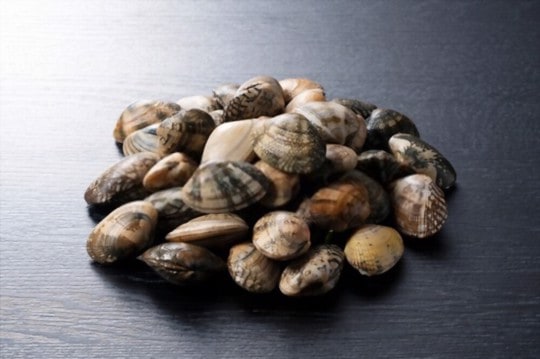
Clams are some mollusks.
They have two muscles, which have the primary purpose to keep shells together.
At the same time, while not always visible, the clam has a burrowing foot, which allows it to dig.
Clams live in rivers and oceans.
Most of the time, they live in shallow waters.
Also, they enjoy staying buried, so they choose sandy and muddy places.
Clams vary widely.
Some of them are tiny and may measure less than a millimeter - almost invisible to spot.
Some others can go up to four feet in diameter.
Obviously, such sizes are quite hard to find.
Now that you know a few things about clams, what do they actually taste like and how can you cook them?
A squeeze of lemon brightens many clam dishes; for dessert pairings that highlight the same citrus, see lemon dessert pairing options.
What Do Clams Taste Like?
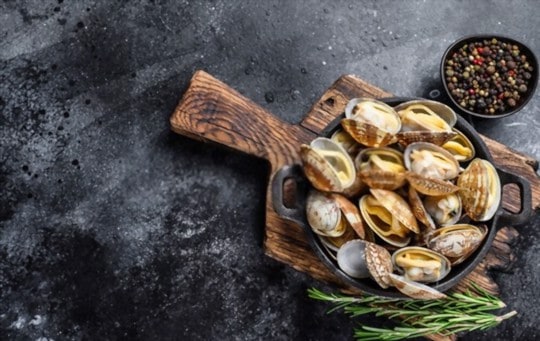
Clams are delicious if mixed into the right dishes.
They can taste differently, depending on the time of the year, as well as the species.
There are five common species out there - Atlantic hard shell clams, Pacific geoducks, soft shell clams, razor clams and surf clams.
Where they live will also influence the taste.
For instance, some clams can be sweet, while others tend to be salty - compare that contrast with an acai berry taste guide.
Clams harvested during the warm summer months are sweet because they feed on plants.
On the other hand, clams harvester during the cold winter months will mostly feed on algae, so they have a salty flavor.
No matter which type you get, you will find a mild aroma.
Some species in particular tend to be a bit bitter, but they can still work well in certain dishes.
Such species include quahogs when out of season.
Given the mild flavor, clams will not really affect the taste of a dish, yet some species may bring in more distinctive aromas.
Take the littleneck clam, for instance.
Steam it and its taste will definitely stand out in the crowd - in the good way, of course.
Bottom line, clams are normally expected to be salty, but it depends on the environment they live in.
Curious about the fishy aroma? According to Greatist, it is there, indeed.
However, it is not too powerful, so it will not feel too disturbing.
How to Prepare and Cook Clams?
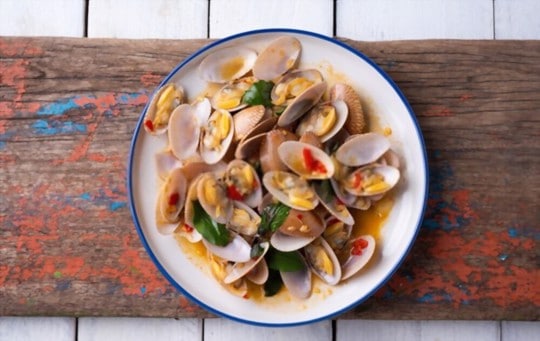
Make sure clams are not dead when you get them.
Tap them gently and the shells should close.
There should be no broken shells either.
Now, there are more ways to cook clams and steaming them is by far the most popular one.
You can steam them in water, wine or anything else you may like.
They should not be steamed for more than two or three minutes, while obviously shaking.
Make sure all the shells are open.
Clams can also be boiled.
You can do it in all sorts of liquids - water or sauce, for example.
For instance, you can cook clams into your pasta - add them with the sauce just minutes before the end - pair with 22 veggie sides that cook quickly for a fast complete meal.
You do not want to overcook them and they only require a few minutes.
While not extremely common, clams can also be eaten raw.
This dish is referred to as sashimi and is more common in a few Asian cuisines.
They can also be sucked out of their shells.
Other forms of cooking include dehydrating, smoking and pickling them.
There are a few precautions.
Apart from avoiding dead clams, make sure they are also clean - no broken shells or sand.
Clams Flavor Overview and Texture
As a short final conclusion, clams are extremely versatile and can be used in a series of combinations.
Unless you are aware of the environment they have been in, you might be surprised by the taste - you might expect something salty, only to end up with sweet clams instead.
In terms of versatility, you can cook clams in so many ways that you will barely know what to choose.
The best part is that their fishy aroma is not too intense - instead, they have a mild flavor that can complement any dish combination out there.
Frequently Asked Questions
Yet, those who venture into the world of clams find a refreshing, briny flavor that's hard to match. Ready to experience the surprising taste of clams?
Keep reading to unlock the secrets of their flavor.
Several foods share flavor notes with Clams. Tasting similar items side by side is the easiest way to map out what you enjoy and find new favorites.
Can you adjust the intensity of the flavor?
Yes.
Pairing it with acidic, sweet, or fatty components shifts the perceived intensity.
A squeeze of citrus brightens mild flavors, while fats like butter or oil mellow sharper ones.
Avoid pairings that clash with its dominant flavor note. Competing intensities - very sweet with very sour, or heavy with delicate - tend to obscure rather than go with the taste.
For pasta meals, linguine and clams side dishes offer tested pairings. stuffed clams side pairings also complement shellfish-focused menus.