
Good replacements for Collard Greens include Kale, Swiss Chard, Mustard Greens, Baby Spinach Leaves, and Chinese Broccoli.
However, kale is worth paying attention to, not only because of its nutritional benefits but also because of its unique flavor and texture.
For cooking, Swiss Chard also works well - adjust the amount to taste since it may be slightly stronger or milder.
We all know the struggle. You're set on making that family-favorite dish, and boom, you're fresh out of collard greens.
No sweat, though!
We've been there, done that, and guess what? We found some pretty awesome swaps that might just blow your socks off.
Sure, collard greens have their charm, but these five alternatives? They're solid options.

5 Best Substitutes for Collard Greens
There are plenty of other leafy greens that can be used as a substitute in recipes.
Here are five of the best substitutes for collard greens:
1 - Kale

Kale is a member of the cabbage family that is often overlooked in favor of its more popular relatives, such as broccoli and Brussels sprouts.
However, kale is worth paying attention to, not only because of its nutritional benefits but also because of its unique flavor and texture.
Kale has a slightly bitter edge that is offset by a touch of sweetness.
As for texture, kale leaves are thick and slightly chewy, with a tenderness that is similar to spinach.
So if you're looking for a nutritious and delicious leafy green to add to your meals, be sure to give kale a try.
And if you're looking for a new way to prepare it, why not substitute it for collard greens in your next batch of Southern-style greens? You might just be surprised by how much you like it.
2 - Swiss Chard
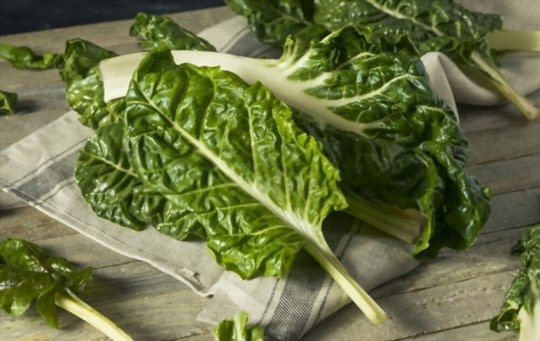
Swiss chard is a leafy green vegetable that is often overlooked in favor of more popular greens like kale and spinach.
However, Swiss chard is worth paying attention to for its distinctive taste and texture.
Swiss chard has a slightly bitter flavor that is offset by a hint of sweetness.
The texture of Swiss chard is also unique, as the leaves are thick and slightly chewy.
In addition, the ribs of the leaves are often bright red or yellow, adding a pop of color to dishes.
When cooked, Swiss chard can be substituted for collard greens in many recipes.
So next time you're at the grocery store, don't overlook this flexible green vegetable.
3 - Mustard Greens

Mustard greens are a type of leafy green vegetable that has a slightly spicy, tangy flavor.
They can be eaten raw or cooked and are often used in salads, sandwiches, and stir-fries.
Mustard greens have a slightly bitter taste that is offset by their juicy, crunchy texture.
The leaves are small and oval-shaped, with a bright green color.
When cooking mustard greens, they should be cooked quickly to preserve their flavor and texture.
They work well in dishes that call for collard greens or kale and can also be used in soups and stews.
When substituting mustard greens for other greens, keep in mind that they will add a touch of spiciness to the dish.
4 - Baby Spinach Leaves

Baby spinach leaves are a type of leafy green vegetable.
They are small in size and have a mild, slightly sweet taste.
The texture of baby spinach leaves is delicate and tender. They can be eaten raw or cooked.
Baby spinach leaves are an excellent source of vitamins A and C, iron, and calcium.
They are also a good source of fiber. Consider substituting baby spinach leaves for collard greens in your next recipe.
The mild flavor of baby spinach will go with the other ingredients in your dish without overpowering them.
5 - Chinese Broccoli

Chinese broccoli, also known as gai lan, is a leafy green vegetable that is popular in Chinese cuisine.
It has a milder flavor than traditional broccoli, and its tender stems and leaves are often used in stir-fries and soup dishes.
Chinese broccoli has a slightly bitter taste, with a hint of sweetness.
Its texture is similar to that of collard greens, but it is more tender and has higher water content.
When cooked, Chinese broccoli turns a deep green color.
If you are looking for a subtly flavored leafy green to add to your recipes, consider substituting Chinese broccoli for collard greens.
You might also want to know how collard greens compares and what collard greens tastes like.
Frequently Asked Questions
However, kale is worth paying attention to, not only because of its nutritional benefits but also because of its unique flavor and texture. Use it at a 1:1 ratio in any recipe that calls for Collard Greens.
In most cases, yes. Try Kale first since the flavor is closest.
Swiss Chard handles heat and texture differently, so test in small batches.
It can, especially with ingredients that have distinct colors or pigments. The difference is usually minor in mixed dishes but may be more visible in lighter sauces or batters.
How do you adjust seasoning when using a substitute?
Taste as you go.
Substitutes can be saltier, milder, or sweeter than the original.
Add seasoning gradually and adjust at the end rather than matching the original recipe amounts exactly.