
Bulgur is precooked and cracked wheat is raw, so bulgur is ready in about 12 minutes and cracked wheat takes 15 or more.
- Both are wheat, so both contain gluten and neither is safe with celiac disease.
- Swap them in pilaf, soup and porridge if cracked wheat gets its longer time.
- Choose bulgur for tabbouleh and cracked wheat for hot cereal.
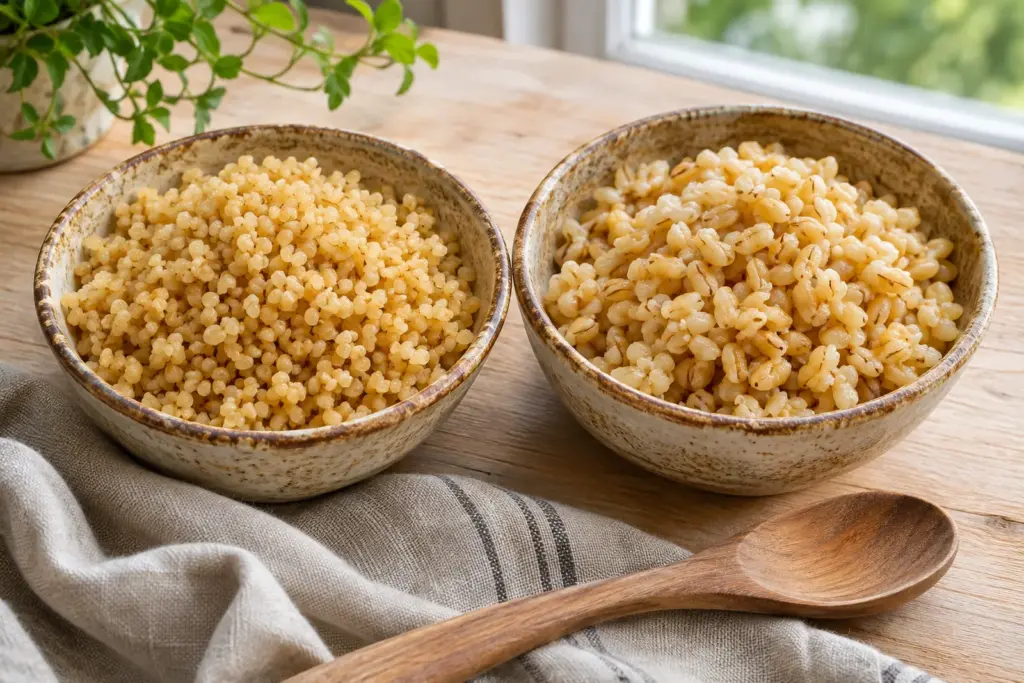
Among everyday ingredient comparisons, this pair is easy to mix up because the bags look alike and both start as wheat kernels. What separates them is whether the grain was cooked before it was dried, and that one step decides how long you cook it, how it feels in your mouth and which dishes it suits.
1. What Is the Difference Between Cracked Wheat and Bulgur?
| Trait | Cracked wheat | Bulgur |
|---|---|---|
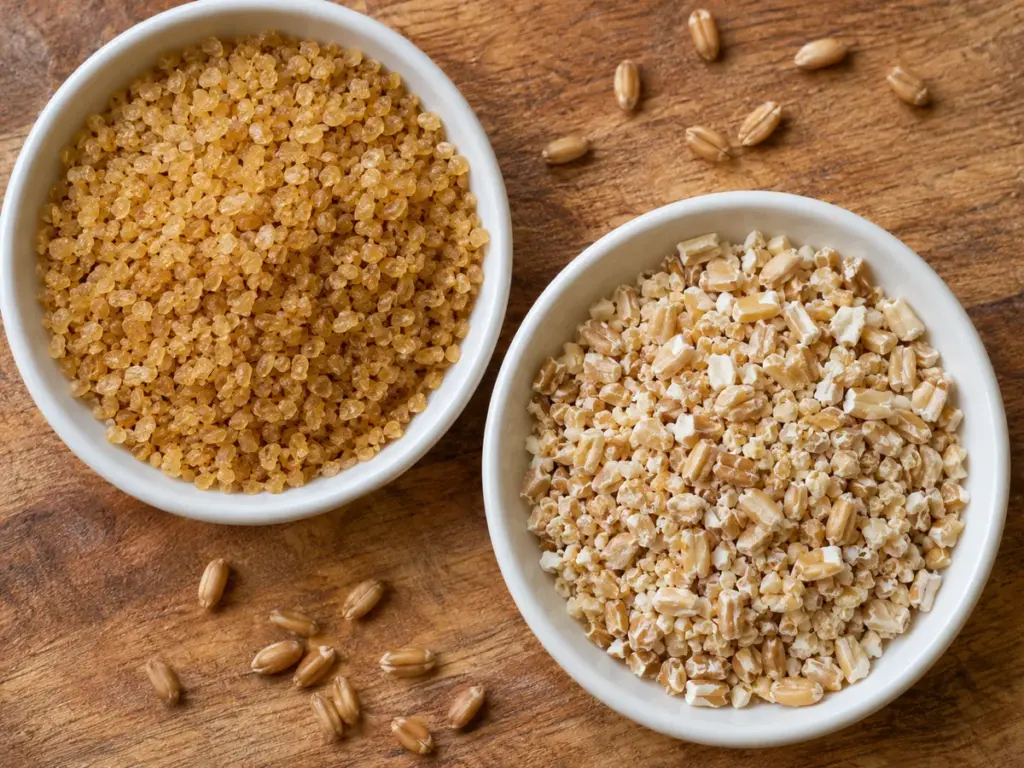
| How it is made | Whole wheat kernels broken into pieces, never cooked | Wheat that is boiled, dried, roughly ground and sorted by size |
| State in the bag | Raw | Precooked |
| Stovetop time | 15 to 20 minutes for cereal-grind pieces, longer for coarse ones | 10 to 12 minutes |
- 1 cup of grain needs 3 cups of water for cereal-grind pieces.
- It is chewier and firmer.
- It is best for hot cereal, pilaf and long-simmered soups.
- 1 cup of grain needs 2 cups of water to simmer, or 1 cup of boiling water and a 1-hour soak.
- It is tender, with separate grains.
- It is best for tabbouleh, quick pilaf, salads and soups.
The middle rows change what you do at the stove. Bulgur only needs to soak up water again, while raw cracked wheat has to cook through.
2. Are Cracked Wheat and Bulgur Gluten-Free?
The Celiac Disease Foundation lists wheat and its forms, including wheat berries, durum, spelt and farro, among the sources of gluten, and the National Celiac Association names cracked wheat in its wheat entry. Beyond Celiac says bulgur is a cereal made from wheat, so it is not gluten-free. If you boil and crack wheat, you change its size and cook time, but the gluten stays in the grain.
Tabbouleh and many store-bought grain salads are built on bulgur, so read the ingredient list before you serve them to a guest who avoids gluten. Buy packages labeled gluten-free, because a plain bag of grain can pick up wheat during processing.
Gluten-Free Grains to Use Instead
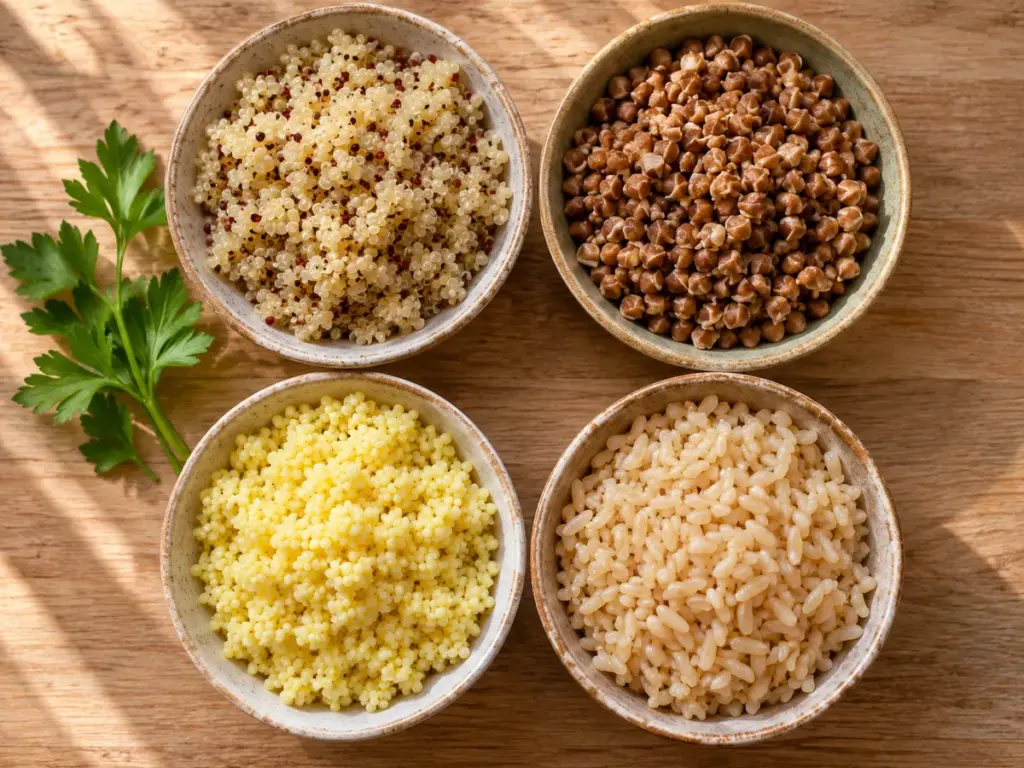
The Celiac Disease Foundation lists quinoa, buckwheat groats, millet and rice as naturally gluten-free. Each one cooks in its own time, so use the Whole Grains Council ratios for 1 cup of grain.
| Swap | Liquid for 1 cup | Time | Use it in |
|---|---|---|---|
| Quinoa | 2 cups | 12 to 15 minutes | Cold salads and pilaf, where it stays fluffy |
| Buckwheat groats | 2 cups | 20 minutes | Porridge and hearty pilaf |
| Millet, hulled | 2 ½ cups | 25 to 35 minutes | Soft sides and breakfast bowls |
| Brown rice | 2 ½ cups | 25 to 45 minutes | Pilaf, stuffed vegetables and soups |
Quinoa is the closest stand-in for bulgur in salads, and its mild, nutty flavor takes dressing well. Buckwheat groats are the seeds that toasted kasha is made from. They taste stronger than bulgur, so give them plenty of herbs and lemon.
3. How Are Cracked Wheat and Bulgur Made?
The Whole Grains Council describes bulgur as wheat that has been cleaned, boiled, dried, roughly ground and then sorted by size. Bob's Red Mill says that cooking step is why bulgur only needs rehydrating.
Cracked wheat skips the boiling. The same maker calls it entirely raw, so it takes much longer to cook. Both come from whole wheat, and the Whole Grains Council counts bulgur as a whole grain.
Grind size matters in both. The finer the grain, the shorter the cooking time, so fine bulgur is quick and very coarse bulgur takes the longest. Cracked wheat follows the same rule, so you will wait longer on a coarse bag than on the cereal grind.
4. How Long Does Each One Take to Cook?
- Simmer: 1 cup bulgur, 2 cups water, covered, about 12 minutes
- Soak: 1 cup bulgur, 1 cup boiling water, 1 hour, then drain
- In soup: add it dry
- Simmer: 1 cup, 3 cups boiling water, ½ teaspoon salt, covered, 15 to 20 minutes
- Coarse pieces: taste at 20 minutes and follow the bag
- Soaking alone does not cook raw wheat through
The Whole Grains Council gives bulgur 2 cups of liquid and 10 to 12 minutes, and Bob's Red Mill gives it 2 cups of water and about 12 minutes. For cracked wheat, you can follow the Bob's Red Mill cracked wheat cereal recipe.
Whole wheat berries sit one step further along. The Whole Grains Council lists them at 4 cups of liquid per cup after an overnight soak, then 45 to 60 minutes of cooking, so you cannot borrow that time for cracked wheat either. If you are out of them, these wheat berry stand-ins cook faster.
5. Which Dishes Suit Cracked Wheat and Which Suit Bulgur?
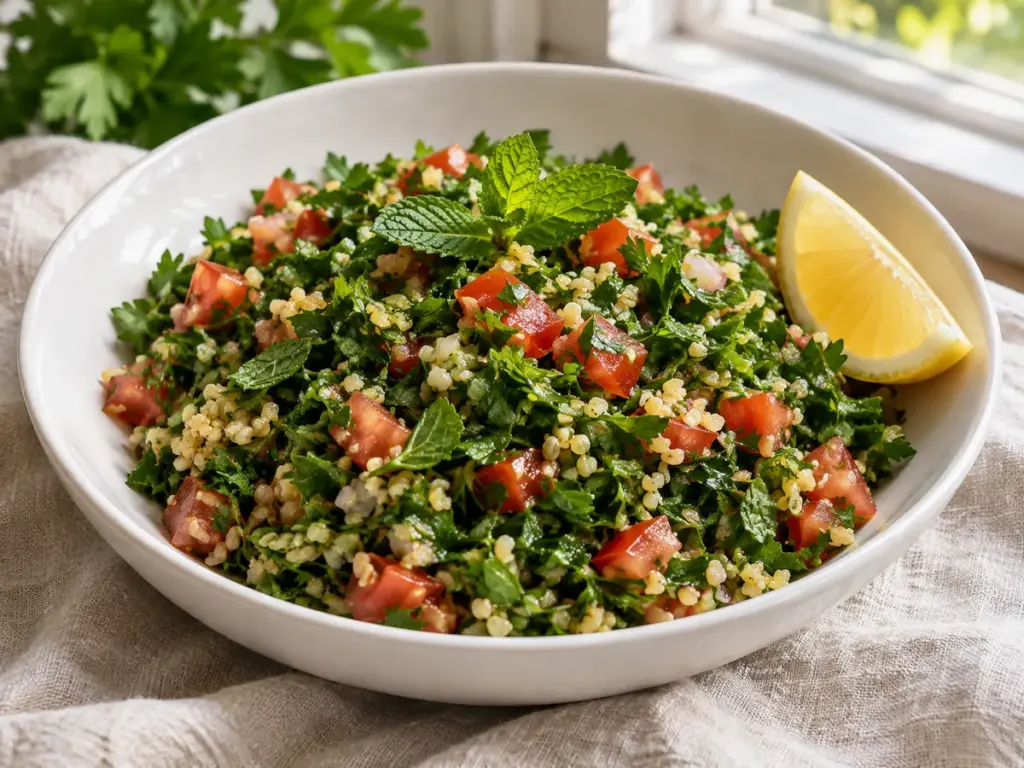
- Tabbouleh and cold salads: bulgur, because you only soak it and it then stays tender in the dressing. Raw cracked wheat would stay hard.
- Hot breakfast cereal: cracked wheat, which gives a thick, chewy porridge in 15 to 20 minutes.
- Weeknight pilaf: bulgur, which is done in about 12 minutes.
- Soups and stews: either one. Cracked wheat goes in early, and bulgur goes into the hot pot and rehydrates in the broth.
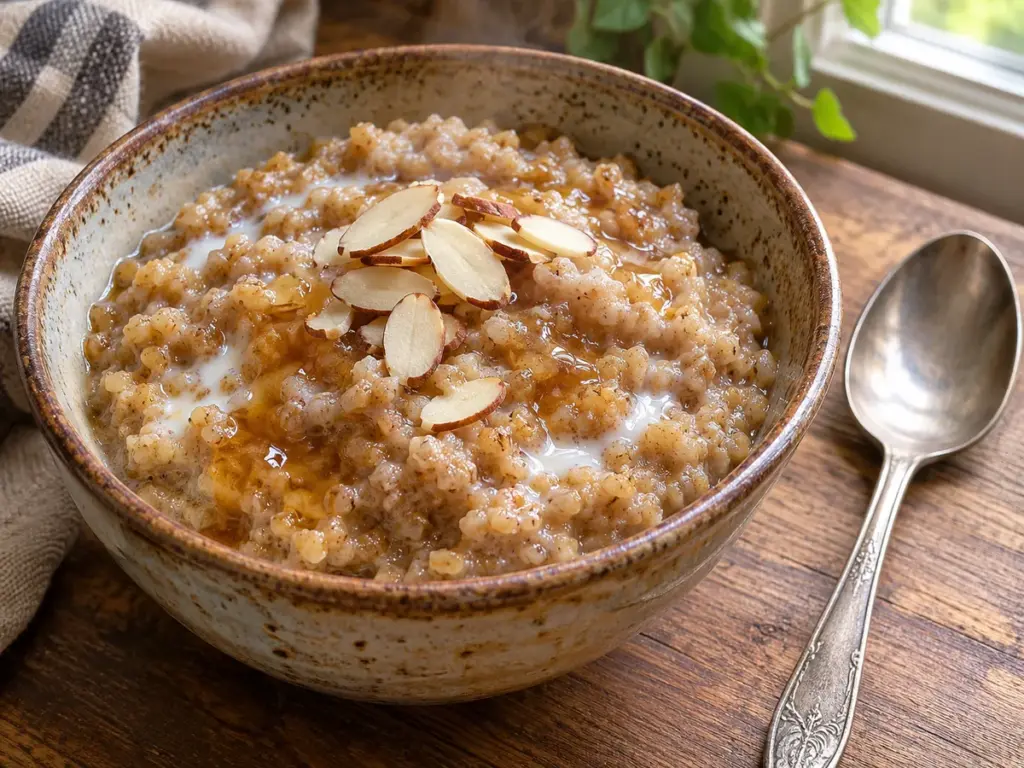
If you want a smooth bowl, Cream of Wheat is farina, a much finer milled wheat, and cracked wheat cooks into a chunkier porridge. You can serve it as Bob's Red Mill does, with honey and a splash of milk, for a warm porridge with some chew.
Roasted freekeh is another wheat product: young green wheat that is fire-roasted, then sold whole or cracked. Cracked freekeh cooks in about 20 minutes, and it contains gluten too.
6. How Do the Nutrition Numbers Compare?
| Per 100 g, dry | Bulgur (FDC 170688) | Whole hard red winter wheat (FDC 168890) |
|---|---|---|
| Calories | 342 kcal | 327 kcal |
| Protein | 12.3 g | 12.6 g |
| Fiber | 12.5 g | 12.2 g |
| Magnesium | 164 mg | 126 mg |
| Iron | 2.46 mg | 3.19 mg |
USDA FoodData Central has no entry for cracked wheat, so the table uses whole wheat kernels, which are what cracked wheat is made from. The dry numbers sit within a few percent of each other, so nutrition is a poor reason to pick one. A cup of cooked bulgur (182 g, FDC 170287) has about 151 calories, 5.6 grams of protein and 8.2 grams of fiber.
When you compare the two, use dry weights and not cooked cups. The grains absorb different amounts of water, so a cooked cup of each does not hold the same amount of wheat.
7. Can You Use Bulgur Instead of Cracked Wheat?
- Works in pilaf, soup and porridge.
- Cook about 12 minutes.
- Use 2 cups of water per cup, not 3.
- Expect a softer grain.
- Works in pilaf and soup, with the longer time.
- Simmer, drain and cool it for tabbouleh.
- Use 3 cups of water per cup.
- Expect a chewier grain.
Neither swap works if you avoid gluten, because both directions keep the gluten. Cook quinoa, rice, buckwheat or millet instead.
8. Which One Should You Buy?
- You are making tabbouleh: buy fine bulgur, because it needs only a soak.
- You want porridge for breakfast: buy cracked wheat in the cereal grind.
- You want a side dish in 15 minutes: buy bulgur.
- You have celiac disease or a wheat allergy: buy neither, and use a gluten-free grain.
At the shelf, read the directions and the grind size and not only the front label. Directions that call for a short soak or a 10 to 15 minute simmer mean bulgur, and a longer simmer means raw cracked wheat. A fine grind suits salads, and a coarse grind suits pilaf and soup. We have no price data for either grain, so compare the cost per ounce on the shelf in front of you.
Sources
- Whole Grains Council, cooking whole grains chart
- Whole Grains Council, bulgur and freekeh
- Bob's Red Mill, what is the best way to cook bulgur
- Bob's Red Mill, basic preparation instructions for bulgur
- Bob's Red Mill, cracked wheat breakfast cereal
- Celiac Disease Foundation, sources of gluten
- Celiac Disease Foundation, gluten-free foods
- National Celiac Association, what can I eat
- Beyond Celiac, is bulgur gluten-free
- USDA FoodData Central, FDC 170688 (bulgur, dry), FDC 170287 (bulgur, cooked), FDC 168890 (wheat, hard red winter)

Food writer at GustoMeadow. Writes ingredient substitutes, food comparisons, taste guides and storage guides for home cooks.
Storage and food-safety numbers follow USDA, FDA and university extension guidance.



