
If you're out of Cream of Tartar, reach for Lemon juice or vinegar, Baking soda, Yogurt, Buttermilk, and Milk and cornstarch.
Lemon juice or vinegar
Vinegar and lemon juice are two common household ingredients that can be used in a variety of ways.
For cooking, Baking soda also works well - adjust the amount to taste.
We've been there too. This kitchen conundrum has quick fixes you probably didn't know you had.
From lemon juice to white vinegar, the alternatives are not just handy but might already be in your pantry.
Each substitute brings something unique to the table, making sure your meringues still peak and your snickerdoodles stay puffy.
You're about to unlock the secrets to keeping your baking game on point, even when cream of tartar seems like a distant dream. Ready to dive in?
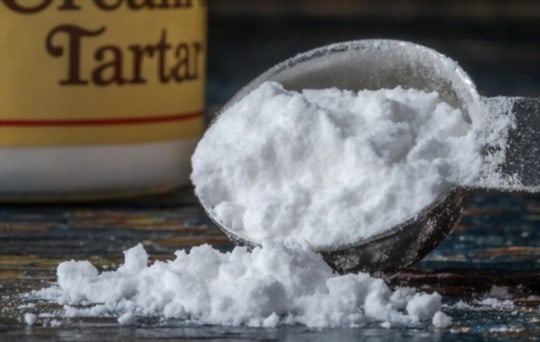
The 5 Best Substitutes for Cream of Tartar
If you don't have the cream of tartar in your pantry, you may be wondering what can be used as a substitute.
Never fear; there are several common household ingredients that can be used in their place.
1 - Lemon juice or vinegar
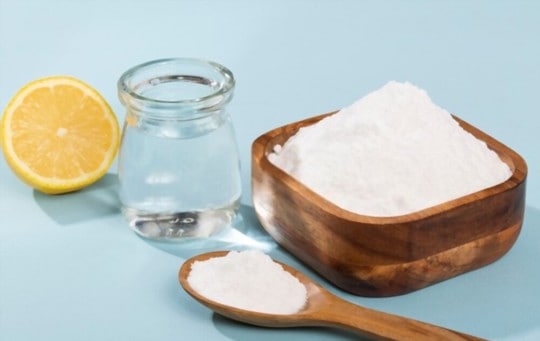
Vinegar and lemon juice are two common household ingredients that can be used in a variety of ways.
They can be used for cleaning, cooking, and even as a scenery treatment.
Both vinegar and lemon juice have a tart, acidic taste that can add a zing to dressings and marinades.
However, they can also be used as substitutes for the cream of tartar.
Lemon juice is slightly sweeter than vinegar, so it will add a touch of sweetness to baked goods.
Vinegar, on the other hand, will add a bit of savory flavor.
To substitute either ingredient for the cream of tartar, simply add one teaspoon of lemon juice or vinegar to the recipe for every half teaspoon of cream of tartar called for.
2 - Baking soda
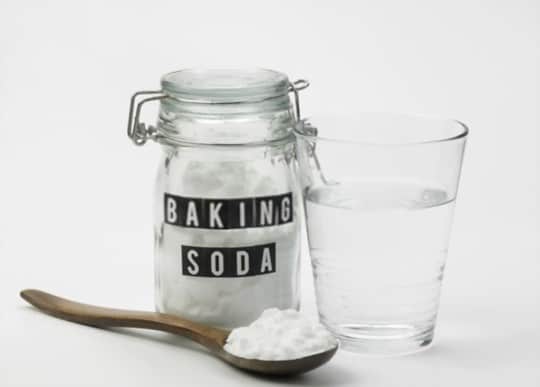
Baking soda is a common kitchen ingredient that can be used for many different purposes.
It has a slightly salty taste and a coarse, powdery texture.
In baking, it can be used as a leavening agent to help cakes and cookies rise.
It can also be used as a substitute for cream of tartar.
To substitute baking soda for cream of tartar, use a one-quarter teaspoon of baking soda for every one teaspoon of cream of tartar.
Baking soda can also be used to clean surfaces and remove stains.
When mixed with water, it forms a mildly abrasive paste that can be used to scrub away dirt and grime.
Baking soda is an inexpensive and versatile product that everyone should have in their kitchen.
3 - Yogurt

There are many different types of yogurt, but they all have a few things in common.
Yogurt is thick and creamy, with a slightly tangy taste.
It can be made from cow's milk, goat's milk, or even soy milk.
Yogurt is an excellent source of protein and calcium, and it's also probiotic, which means it contains live and active cultures that can improve gut health.
Yogurt can be enjoyed on its own or used as an ingredient in recipes.
It can be substituted for cream of tartar to add acidity and richness to baked goods.
Whatever way you enjoy it, yogurt is a delicious and healthful food.
4 - Buttermilk
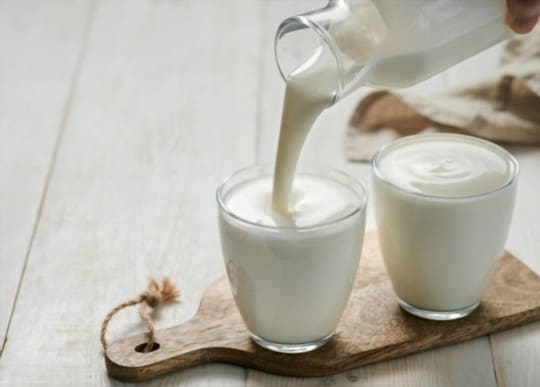
Buttermilk is a fermented dairy product that has a slightly acidic, tangy taste.
It is made by adding bacteria to milk, which causes the milk to thicken and curdle.
Unlike regular milk, buttermilk does not contain any lactose, making it a good choice for people who are lactose intolerant.
Buttermilk also has a higher concentration of calcium and electrolytes than regular milk.
This makes it a popular choice for athletes and people who are recovering from illness.
Buttermilk has a thick, creamy texture that makes it ideal for baking.
It can be used as a substitute for cream of tartar in recipes that call for baking powder.
When combined with baking soda, buttermilk creates a chemical reaction that helps cakes and cookies to rise.
It also gives baked goods a moist, tender texture.
For best results, use buttermilk that is fresh or that has been refrigerated for less than a week.
Avoid using buttermilk that has been sitting out at room temperature, as this can cause baked goods to become tough and rubbery.
5 - Milk and cornstarch

Milk and cornstarch make an interesting combination.
When mixed together, they create a thick, creamy paste that can be used in a variety of recipes.
The taste is subtly sweet, with a slightly chalky texture.
One interesting use for milk and cornstarch is as a substitute for the cream of tartar.
When combined with baking soda, it can be used to leaven cakes and other baked goods.
It also helps to stabilize egg whites, preventing them from deflating.
Simply add one tablespoon of milk and cornstarch for every teaspoon of cream of tartar called for in the recipe.
You might also want to know how cream of tartar compares.
Frequently Asked Questions
Lemon juice or vinegar, Baking soda, Yogurt, Buttermilk, and Milk and cornstarch. Use it at a 1:1 ratio in any recipe that calls for Cream of Tartar.
Absolutely. Lemon juice or vinegar is the closest swap.
Baking soda also works in a pinch. Match the original amount and tweak from there.
Can this substitute be used in baking as well as cooking?
Some work in both, but baking is less forgiving.
Substitutes that alter fat content, sweetness, or moisture can shift the structure of baked goods.
Test with a small batch first.
Frozen substitutes sometimes change texture after thawing. This matters more in raw applications like salads than in cooked dishes where texture is softened by heat anyway.