
Commonly referred to as Zante Currant in Ireland, the United Kingdom, and the States, currants are just dried Corinth grapes.
It's likely similar to small raisins and is known as small berries growing on shrubs.
Today, currants are often used in French and Dutch cuisine and are usually featured in popular baked goods like tarts, scones, etc.
You can also find them in the form of preserves, sauces, and jams.
But, if you've never heard of it, you may wonder what currants taste like? To answer your question, we suggest you continue reading.
What is Currant?
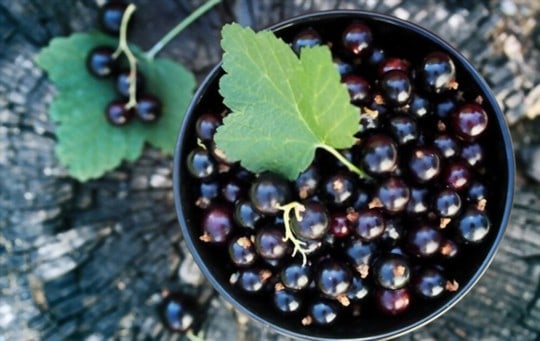
Real currants come from the family of Ribes, which are flowering shrubs in nature.
They usually thrive in climates composed of winter and summer.
The berries are small, grow in clusters, and are considered best when ripened on the plant.
The cultivation of currants has a long history in Europe, and they're prevalent in the Netherlands, United Kingdom, Denmark, and Germany.
There are also wide varieties, some of which are native to regions of North America.
From dark purple to ruby red, these currants vary significantly in color.
Dried black currant is the one that resembles Zante currants the most, and they're usually smaller than raisins with a heavy berry flavor - see black currants flavor guide for a deeper description.
Although they're generally known as currants, they go by different names in different countries, such as ribes (in Italian, Swedish, Danish), johannisbeeran (in German), bes (in Flemish), groseille (in French), and more.
Plus, due to their bright colors, currants are usually enjoyed in berry mixes, fruit salads, etc.
In sweet preparations, consider complementary flavors - lemon dessert pairings and ideas show which profiles lift fruity fillings.
What Do Currants Taste Like?

Currants typically taste like a combination of tart and sweet, much like other berries.
Although it has wide varieties, Tannins are present throughout all types in specific quantities, which causes a bit of puckering.
Also, all the varieties also come with an acidic and sharp kick.
Another fruit linked to currants is gooseberries, but they have a much sour flavor and don't contain the same tartness as gooseberries.
Although currants can be eaten fresh, cooking them to bring out their natural sweetness is preferable.
Also, their flavor works highly well against preserves and fruit pies and is generally added to baked goods.
Dried currant is also used in numerous cooking recipes.
If you're further interested in learning about its taste, you can typically find currants in several outlets in regions of Central Asia and Eastern Europe.
You'll find that fresh currants often come in different varieties and colors, including red, black, white, or pink.
These usually carry a flavor of acidic, sweet, and tart with a very intense flavor despite their small stature.
Currants are usually cultivated in high volume across Europe.
However, not all varieties carry pure berry flavor, and some are astringent.
The flavor can be pretty mouth-puckering at times.
Due to their delicate nature, currants are also prone to bruising easily.
Hence, it's always best to have them fresh to catch their full flavor.
When currants are adequately cooked, you can also get cranberries' notes, which can be very juicy and piquant.
But their delicate and rich flavor isn't the only thing interesting about currants.
Did you know that they also contain several nutritional benefits?
Due to their fiber content, currants are known to aid in digestion, while their manganese content aids in managing type 2 diabetes.
Currants are also high in antioxidants.
Hence, it can fight against cancer symptoms by repairing damaged cells.
Also, currants also help in treating cardiac issues, glaucoma, alzheimer's and more.
How to Cook Currants?

When we look into the food scene of currants, they can't be messed with.
Currants are diverse food items, and you can use them in several ways while cooking.
Pies, tarts, salads, jellies, jams, baked goods, etc.
- you name it, chances are, currants can be used in just about anything, especially with breakfast items.
So, you wouldn't have to worry much about preparing currants in general.
Currants go well with sauces and rich, heavy meats/poultry and seafood as well.
You can also use them in nutty desserts, puddings, custards, and sorbets.
If you're more of a jam person, you can also convert a fresh batch of currants into jams or just can and preserve them.
You can also serve them fresh over yogurt or ice cream, in vinaigrettes, or mix them with oatmeal.
Plus, if you're planning to make new drinks, you can also add currants into beverages (alcohol is optional).
But one of the easiest ways to have them is to simply snack on them, similar to how raisins are consumed.
For fast accompaniments that won't crowd currant-forward dishes, quick veggie side ideas under 12 minutes offer simple, speedy options.
Flavor Characteristics of Currants
Currants are not like other berries in the sense that they're not easily sourceable.
Hence, if you're curious about their taste, the first thing to do is to stay on the lookout during its peak season.
This way, you can get the freshest batch and experience its full taste.
The freshest ones also make some of the most delicious jellies and jams.
Still, currants contain a unique taste and are pretty versatile.
So, we hope our post has answered your queries and done justice to the fruit.
Frequently Asked Questions
But, if you've never heard of it, you may wonder what currants taste like? Dried black currant is the one that resembles Zante currants the most, and they're usually smaller than raisins with a heavy berry flavor.
Currants typically taste like a combination of tart and sweet, much like other berries.
Several foods share flavor notes with A. Tasting similar items side by side is the easiest way to map out what you enjoy and find new favorites.
Can you adjust the intensity of the flavor?
Yes.
Pairing it with acidic, sweet, or fatty components shifts the perceived intensity.
A squeeze of citrus brightens mild flavors, while fats like butter or oil mellow sharper ones.
Avoid pairings that clash with its dominant flavor note. Competing intensities - very sweet with very sour, or heavy with delicate - tend to obscure rather than go with the taste.
Black currants provide a bold, tart profile that complements many dishes - see black currants flavor guide for more details. Quick vegetable sides can balance rich currant sauces and desserts; quick veggie sides list highlights several fast options.