
Among variants of culinary herbs, sage might be the least known among the masses.
Thyme, rosemary, and basil are the most common ones that are found in most kitchens.
However, this doesn't mean that sage is an unsuitable culinary herb.
In fact, it's a natural enhancer that makes the dish an utter delight.
It's a versatile herb suitable for different types of recipes.
That brings us to the question- what does sage taste like?
What is Sage?

Sage is one of the numerous names for this herb.
It's officially known as Salvia officinalis and is a family of Lamiaceae, which also include rosemary, oregano, thyme, perilla, and more.
This herb has been in existence for centuries and is known to use for various purposes, including warding off evil spirits.
The Romans used this herb to treat sore throats, ulcers, and wounds.
It's an evergreen shrub that bears purplish or blue flowers and has a woody stem.
This herb is found throughout the world but is native to the Mediterranean region.
Unlike other herbs, this one has a fluffy appearance, while its leaves are oval and have a dusty appearance.
Sage has a unique taste profile and is mainly used as a seasoning ingredient, like any other culinary herb.
Besides its usage as a culinary herb, it's known for its medicinal use.
There are variants of sage, but Salvia officinalis is the species for kitchen use.
For ideas on sweet pairings, what goes well with lemon in desserts: pairing ideas suggests complementary flavors that can inspire herb-infused sweets.
What Does Sage Taste Like?

Sage, when added with other ingredients, tastes incredible - similar to how acai berry taste guide reveals layered flavors when combined with other ingredients.
Its intense aroma enhances the flavor of a dish. But how does it taste on its own?
When consumed alone, it may not be the best-tasting food item.
Like any other herb, it's slightly bitter, minty, and has an earthy aroma.
It's similar to rosemary when it comes to flavor but is more intense.
Sage has a grassy taste with a hint of lemon notes.
So, it would be better to avoid mixing it with other strong-flavored spices as the taste of it may become too overpowering.
This aromatic spice blends well in recipes, including stews, soups, and tea.
Seasoning ingredients like sage, basil, or rosemary might not be the star item in dishes but matters in improving the overall taste.
Just adding a small amount of these herbs changes the flavor of a recipe.
The intense flavor and aroma play a important role in this.
Therefore, it's always advisable to use culinary herbs in small quantities.
You may also have it fresh or dried.
The taste remains the same, although the potency may vary.
Dried ones are slightly bitter and concentrated, unlike fresh sage.
If you plan to use dried sage, be wary of the quantity used.
Regardless, both deliver the same result, more or less.
Besides, the nutritional content stays the same.
Sage is packed with nutrients and contains various medicinal properties that benefit your health, including oral health and improving blood sugar levels.
How to Cook and Serve Sage?
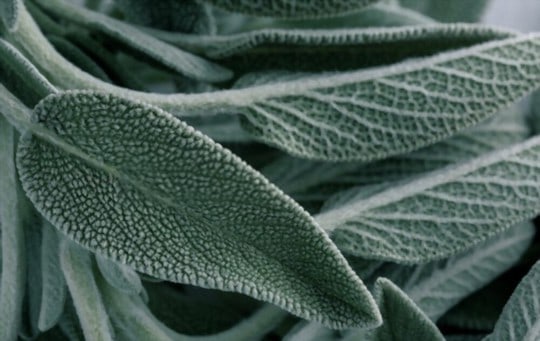
Sage is mainly associated with Italian and French cuisine.
However, you may improvise it into your own style of cooking.
This herb goes well with any dish, including meat-based and seafood recipes - and pairs especially well with quick veggie sides that cook in under 12 minutes for fast weeknight meals.
It also goes well with salads, pasta, gnocchi, and rice.
You may also mix this herb with fellow spices like rosemary, juniper, marjoram, thyme, and oregano.
While using fresh sage, take out the leaves from the stems and wash them off in clean cold water.
If you're using dried sage, use it according to the recipe.
Fresh sage makes an excellent ingredient in stews, vegetable soups, and tomato sauces.
It also tastes fantastic in mashed potatoes.
Dried sage is often used in baking items like waffles, cakes, biscuits, pancakes, and muffins.
It also makes an excellent of dried fruit, including raisins and prunes.
Sage may not be readily available in some places.
If you have the same issue, these are the herbs you may substitute it with:
- Bay leaf.
- Basil.
- Rosemary.
- Oregano.
- Mint.
- Thyme.
- Tarragon.
Note: It's advisable not to consume this herb if pregnant as it may cause uterine contractions.
Key Flavor Notes of Sage
Sage might not be the star ingredient in various recipes, but the inclusion of it in dishes enhances the flavor.
Its aromatic flavor changes the entire taste of the dish.
Both does it enrich your dish, but it is also pretty nutritional.
You may either opt for fresh or dried sage based on availability.
Add this aromatic herb to your next dish or recipe to experience its taste firsthand.
Having it alone may not have the best taste or flavor but incorporating it with other ingredients takes the recipe to the next level.
Fresh and dried forms behave differently in recipes; fresh vs dried sage comparison explains when to choose each. Textured blends also vary by prep - rubbed vs fresh sage comparison clarifies which form suits specific dishes.
Frequently Asked Questions
That brings us to the question- what does sage taste like? If you're wondering the same, keep reading this as we reveal what it tastes like, its taste similarities, and how to cook this herb.
Sage, when added with other ingredients, tastes incredible.
Some people enjoy Sage Really right away while others need a few tries. The flavor can grow on you, especially when paired with familiar ingredients in a dish you already like.
Does it taste different depending on how it is prepared?
Preparation makes a significant difference.
Raw, roasted, fried, and steamed versions each bring out different qualities - sweetness, bitterness, earthiness, or richness - in the same ingredient.
Yes. Different cultivars, origins, or processing methods produce meaningful flavor differences.
If one version did not appeal to you, trying a different variety is worth the effort.