
Swap each egg for ¼ cup of applesauce, mashed banana, Greek yogurt or blended silken tofu, or a flax egg.
- Replace one or two eggs, because a three-egg muffin recipe came out dense with every swap.
- Purées add moisture but little lift.
- Aquafaba and a commercial replacer gave the closest crumb.
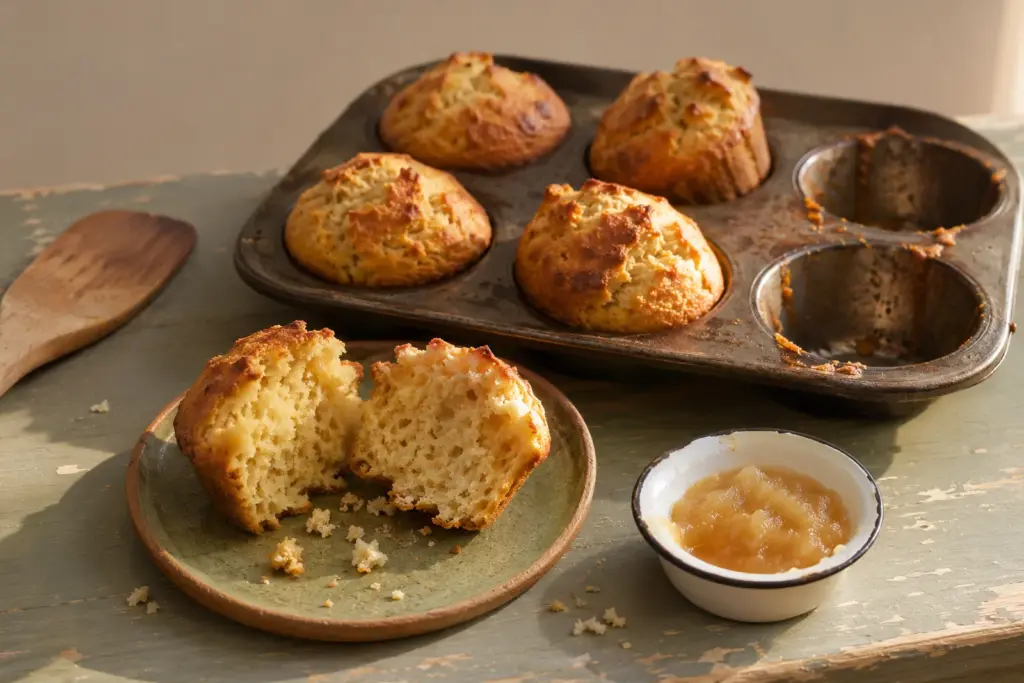
Pick from these eight egg and baking substitutes by the job the egg does in your batter: binding, lift or moisture. The amounts are per large egg, which NC State Extension puts at about ¼ cup, and they come from King Arthur Baking's muffin test, America's Test Kitchen and university extension guides.
What Do Eggs Do in Muffin Batter?
An egg does several jobs at once. King Arthur Baking says eggs provide structure, emulsify, bind and leaven, and NC State Extension adds that they supply moisture.
- Binding: the egg holds flour, fat and sugar together so the crumb stays in one piece.
- Lift: the egg helps the batter rise, and egg-heavy recipes lean on it more than on baking powder or soda.
- Moisture: the egg keeps the crumb from drying out.
Each swap covers some of those jobs and not others, so you match it to what your recipe needs. Purées and tofu give moisture but no leavening (NC State Extension), flax does not aerate well (King Arthur), while NC State says carbonated water lifts but does not bind. Burgers and meatballs only need the egg to bind, so any of the egg swaps that only bind works there, while muffin batter also needs lift and moisture.
Which Substitutes Work Best for Eggs in Muffins?
| Swap | Per egg | Best for |
|---|---|---|
| Applesauce | ¼ cup | Moist, hearty muffins |
| Mashed banana | ¼ cup | Fruit muffins |
| Greek yogurt | ¼ cup | Hearty muffins |
| Flax egg | 1 tablespoon flax, 3 tablespoon water | Soft, low-rising muffins |
| Silken tofu | ¼ cup, blended | Moist, not fluffy |
| Aquafaba | ¼ cup (King Arthur); 3 tablespoon (NC State) | Closest crumb |
| Sparkling water | ¼ cup | Light, fluffy muffins |
| Commercial replacer | Per package | One- or two-egg recipes |
You probably have the first four in your kitchen. Aquafaba and a commercial replacer did best in the tests, and sparkling water works when the muffin should stay light.
1. Applesauce
Use ¼ cup of unsweetened applesauce for each egg, the amount University of Illinois Extension and NC State Extension both give. It replaces the egg's moisture and some of its binding, which suits a muffin that is already moist and hearty.
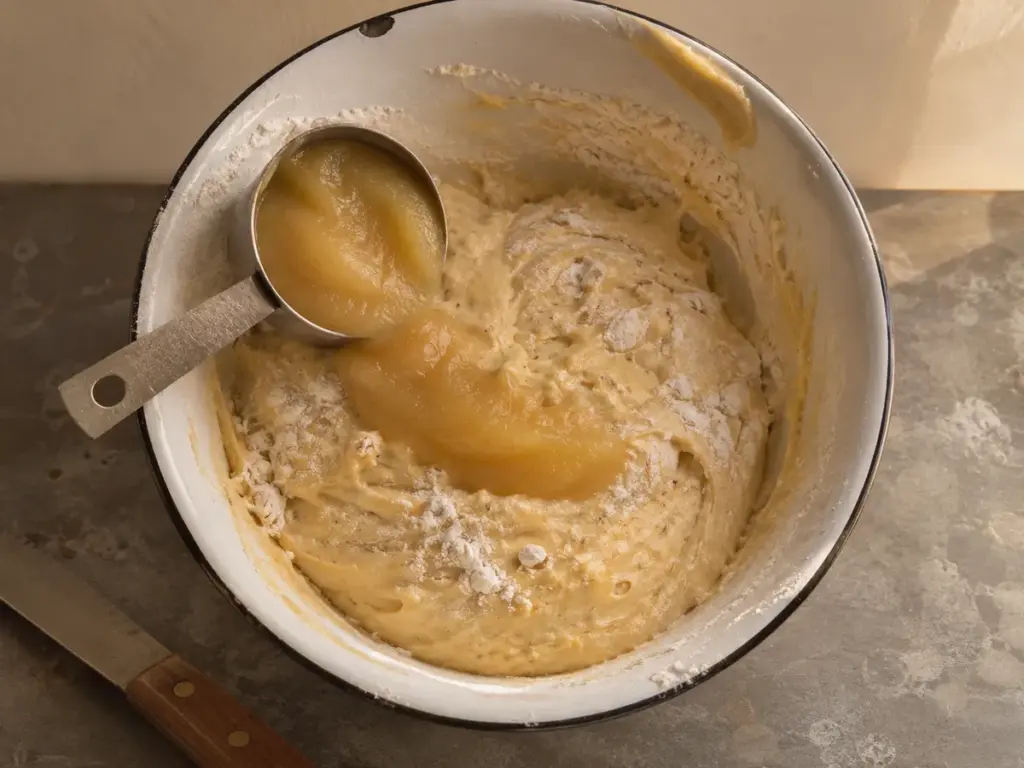
NC State Extension describes the result as sweeter, chewier and denser, with a slight fruit flavor. Pick unsweetened so your batter does not pick up sugar the recipe never planned for.
2. Mashed Banana
Mash a ripe banana to ¼ cup per egg, the amount King Arthur Baking and NC State Extension use. It binds and moistens, and in muffins built around bananas you will barely notice the extra fruit.
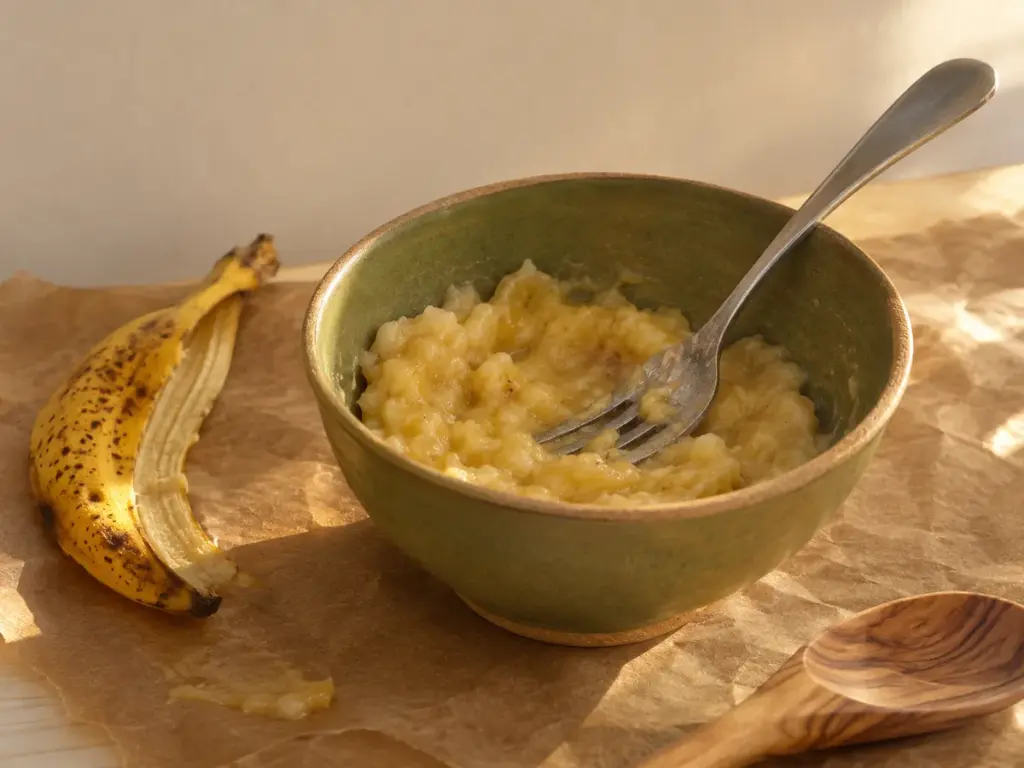
King Arthur's muffin test shows what changes: the banana muffins had craggy tops and a darker color, and the banana flavor came through clearly. In a lemon or savory muffin, you will want a milder swap.
3. Plain Greek Yogurt
King Arthur Baking replaces an egg with ¼ cup of plain Greek yogurt. NC State Extension gives a wider range of ¼ to ½ cup for plain, Greek or non-dairy yogurt, so you can start at the low end.
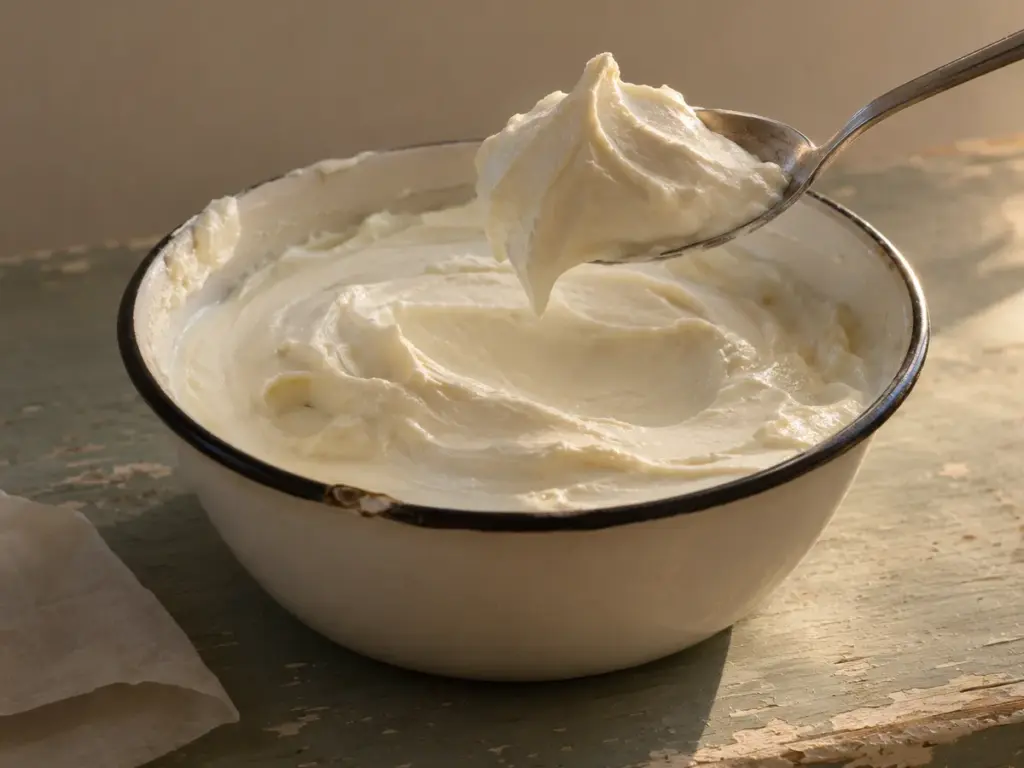
Dairy yogurt is not a vegan swap, and King Arthur warns that a large amount can weigh baked goods down and make them gummy. America's Test Kitchen placed 2 ounces of plain yogurt with ½ teaspoon of vegetable oil third in its muffin tests, with somewhat dense muffins, so keep it as a backup for one- or two-egg recipes.
4. Flax Egg
Stir 1 tablespoon of ground flaxseed into 3 tablespoons of water per egg and let it rest 5 to 10 minutes until it thickens into a gel, the timing King Arthur Baking gives. The gel does the binding.
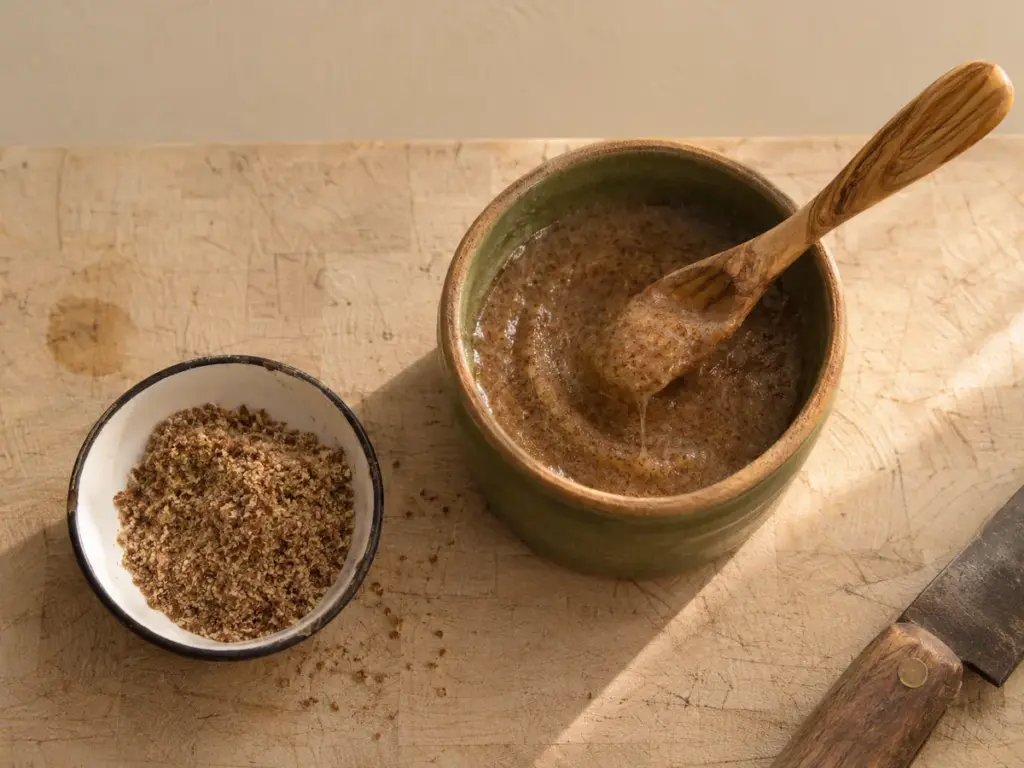
King Arthur's flax muffins were speckled but fairly fluffy with a nice rise. The same guide recommends it for soft, low-rising baked goods. America's Test Kitchen soaked ground chia in water the same way and says it failed outright in its muffin tests, so do not treat chia as a safe stand-in for flax here.
5. Silken Tofu
Blend ¼ cup of silken tofu until completely smooth for each egg, the amount King Arthur Baking and America's Test Kitchen both use. Tofu is soy, so skip it for anyone with a soy allergy.
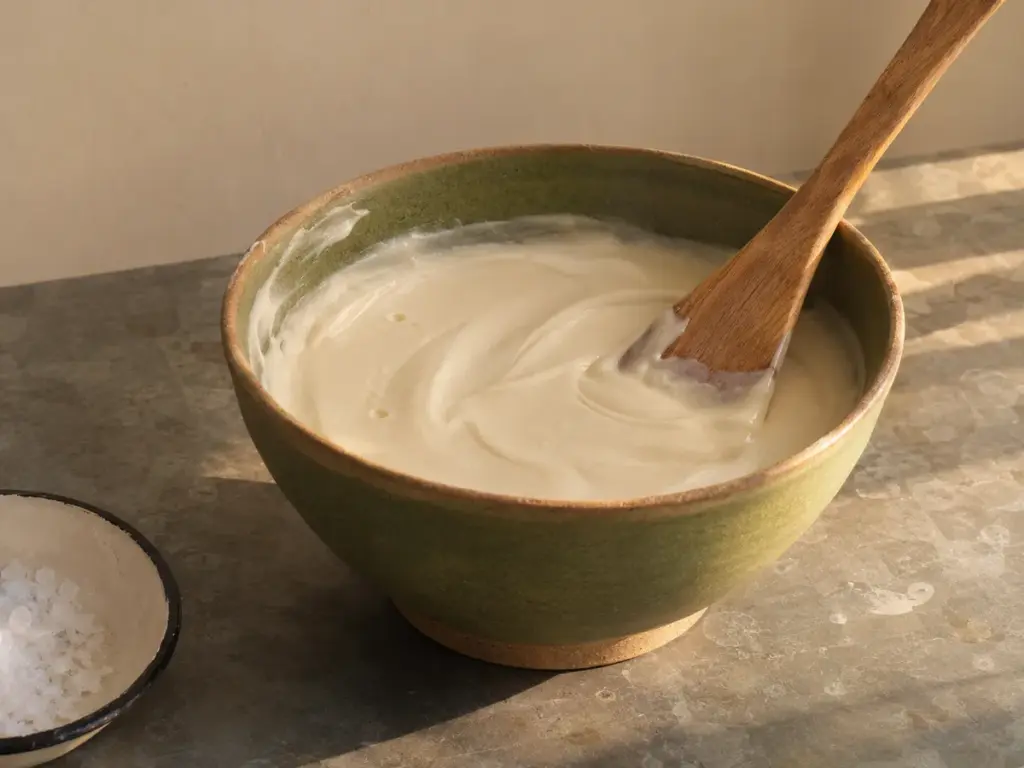
America's Test Kitchen ranked it second only to a commercial replacer, and only a few tasters noticed a subtle soy flavor. King Arthur says tofu can make baked goods dense, so it favors moist muffins over fluffy ones.
6. Aquafaba
Aquafaba is the liquid from a can of chickpeas. King Arthur Baking uses ¼ cup per egg and found very little discernible difference between its aquafaba muffins and egg muffins. Your batter may smell beany, but that flavor does not come through in the baked muffin.
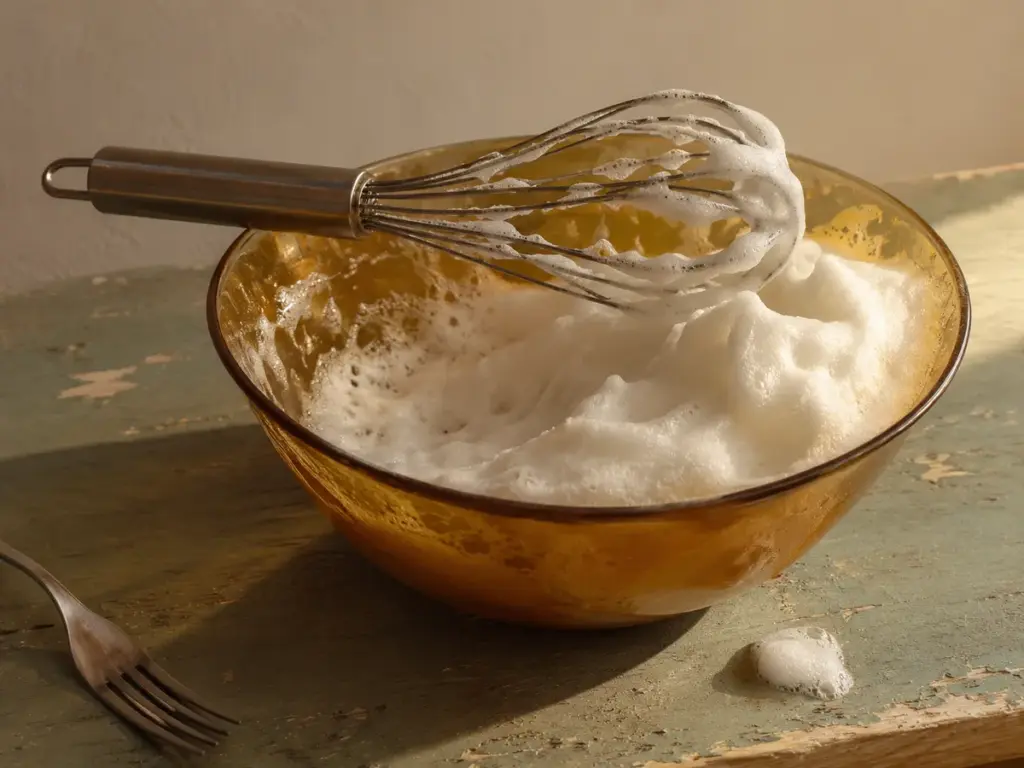
NC State Extension lists a smaller 3 tablespoons per egg and says to whip it until a foam forms. Because it is the one swap that whips like egg whites (King Arthur), aquafaba is also a stand-in for egg whites. It adds little structure by itself.
7. Sparkling Water
Pour in ¼ cup of unflavored sparkling water per egg. King Arthur's muffins made this way were very similar to the original recipe, though the guide calls the swap somewhat hit-or-miss, so you may want to try it in a small batch first.
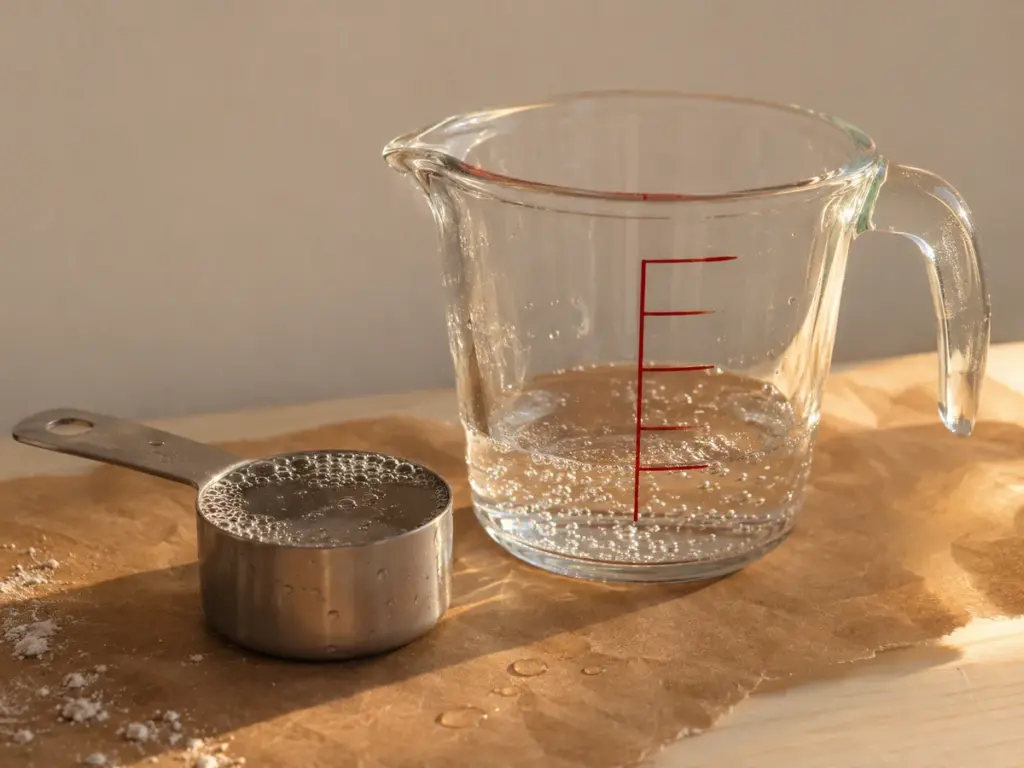
University of Maine Extension found its seltzer cake paler than the egg version, so expect a lighter color from this swap.
8. Commercial Egg Replacer
Mix a powdered replacer with water exactly as the package says, because amounts differ by brand. America's Test Kitchen found Ener-G Egg Replacer the most successful of five swaps it tried, with muffins comparable to real eggs in recipes that call for one or two eggs.
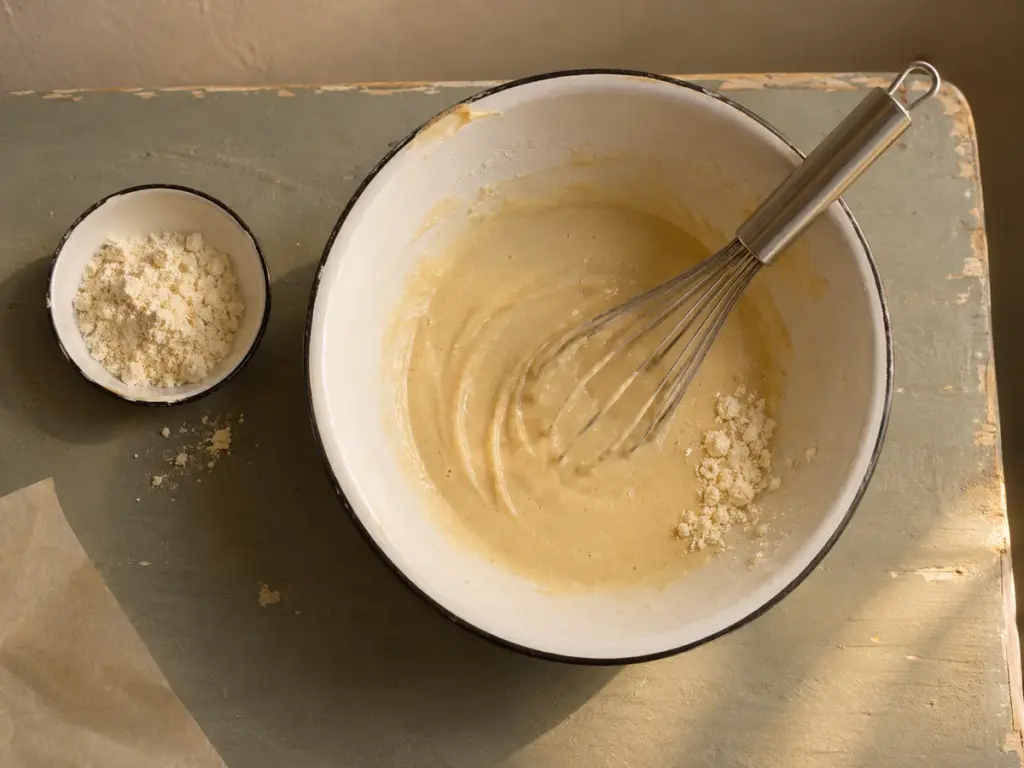
King Arthur names Namaste Egg Replacer as a reliable option, and NC State Extension suggests a commercial replacer when the eggs in your recipe mainly leaven. It is a specialty ingredient, so check your pantry before you plan around it.
How Many Eggs Can You Replace in Muffins?
One or two. America's Test Kitchen got good muffins from substitutes in one- and two-egg recipes, but none of them worked in a three-egg recipe: every muffin came out dense and squat. It explains that egg-heavy recipes lean on the eggs more than on baking powder or soda for lift.
NC State Extension agrees that substitutes generally fail past three eggs, and King Arthur adds that the more eggs you replace, the more different the result gets. If your boxed muffin mix asks for one or two eggs, it fits that range, and the per-egg amounts above apply as they do in a boxed cake mix. Gluten-free batters are harder, because King Arthur notes that eggs usually carry a major structure-building role there.
Can You Use Egg Whites Instead of Whole Eggs in Muffins?
Yes, you can, with a small loss. NC State Extension puts one large egg at about ¼ cup, and Texas Real Food, a food-brand site, says two egg whites (about ¼ cup) replace one whole egg. None of the extension pages above gives a whites ratio, so treat it as a starting point. By that rule three whites fall short of the four that two eggs call for.
The yolk's fat is gone, so you should expect a leaner crumb. Texas Real Food says whites can leave a drier or airier crumb and a lighter color, and adding a little liquid or fat offsets it. A Culinary Institute of America cookie test found no significant difference when whites replaced whole eggs by weight, though it did not test muffins.
Sources
- King Arthur Baking, Guide for substituting eggs: egg functions, per-egg amounts, muffin test results.
- America's Test Kitchen, Making Muffins and Quick Breads Without Eggs: replacer, tofu and yogurt results, three-egg limit.
- NC State Extension, Baking With Egg Substitutes: egg size, amounts, leavener-only swaps.
- University of Illinois Extension, How to substitute eggs in almost any recipe: moisture and leavening swaps.
- University of Maine Extension, Using Egg Substitutes in Baking and Cooking: flax and seltzer tests.
- Culinary Institute of America, Better cookies: whole eggs or egg whites: whites by weight in cookies, no significant difference.
- Texas Real Food, How to substitute egg whites for whole eggs in baking: whites per egg, texture and color.

Food writer at GustoMeadow. Writes ingredient substitutes, food comparisons, taste guides and storage guides for home cooks.
Storage and food-safety numbers follow USDA, FDA and university extension guidance.



