
If so, you're not alone - it's a very common question.
It can be confusing to understand the difference between these two common French herbs and their various uses in cooking.
Fines herbs is typically used to bring bright, fresh flavors to lighter dishes such as egg dishes or salads while Herbs de Provence is an ideal partner for heartier meals such as roasts and stews.
So grab some salt & pepper, let's dive deep into understanding these amazing flavors.

What are Fines Herbs?

Fines herbs, a classic blend of herbs in French cuisine, are a magical combo that adds brightness and depth to savory dishes.
But, what is it exactly? Nicely combining four herbs together- chervil, chives, parsley, and tarragon, the herb blend is lightly fragrant and packed with flavors.
Each herb at their own does contain a unique flavor, but together, they offer a mix of flavors that has the potential to improve a dish to another level.
Whether used in soups, stocks, and sauces or to garnish meat or seafood, the fines herbs are very versatile and can do justice to any recipe.
So, if you are looking to impart a dash of French cuisine in your recipes, fines herbs are just the spice blend you need.
For ideas on pairing herbaceous notes with citrus in desserts and sweet applications, see what goes with lemon in desserts ideas.
What are Herbs de Provence?
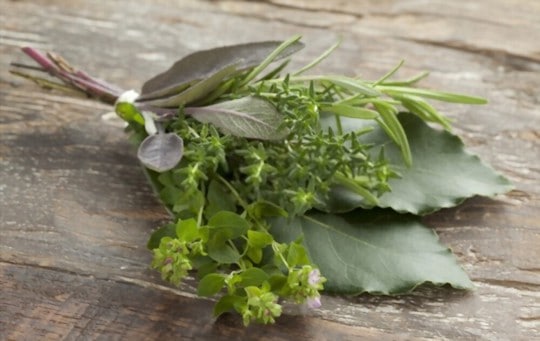
Herbs de Provence is a classic French herb blend that has been used for generations in both French cooking, as well as a staple in many kitchens worldwide - see Herbs de Provence vs Italian seasoning comparison for how it differs from similar mixes.
This blend typically includes dried herbs such as thyme, rosemary, savory, oregano, and marjoram, and can sometimes include lavender or other herbs depending on the recipe.
The combination of these herbs creates a unique, fragrant aroma that is not only pleasing to the senses but also adds a depth of flavor to any dish it is added to.
Traditionally, Herbs de Provence was used to season poultry, meats, and vegetables, but it can also be used to enhance flavors in soups, stews, and marinades.
Whether you are an experienced cook or a newcomer in the kitchen, adding Herbs de Provence to your spice cabinet is a must-try.
Differences Between Fines Herbs and Herbs de Provence
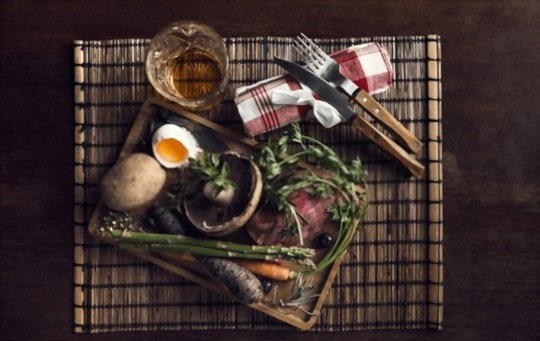
Fines Herbs and Herbs de Provence have subtle differences to offer.
Delicate in flavor, Fines Herbs originated from French cuisine and are ideal for lighter dishes such as soups, salads, and eggs.
In contrast, Herbs de Provence is a stronger blend of Mediterranean herbs that mostly constitute rosemary, thyme, oregano, savory, marjoram and occasionally lavender flowers.
They lend their potent aroma and taste to stews and roasts alike.
While both herb blends go with the dish's essence well, the individual preferences and demands can play a critical role in choosing between them - compare Herbs de Provence vs poultry seasoning comparison when deciding for poultry dishes.
Origin
The origin of Fines Herbs and Herbs de Provence can be traced back to French cuisine.
Fines Herbs is a blend of delicate herbs, including parsley, tarragon, chervil, and chives.
On the other hand, Herbs de Provence consists of stronger herbs such as rosemary, thyme, marjoram, and savory mixed with lavender flowers.
While both herb blends originated in France, they differ in their flavor and usage.
Fines Herbs work best with mild-flavored dishes like omelets, sauces, and vegetables.
Meanwhile, Herbs de Provence is ideal for seasoning meats and adding flavor to stews or soups.
Over time, the ingredients used in herb blends have varied depending on personal preferences or availability of ingredients.
However, whether it's Fines Herbs or Herbs de Provence you choose to use in your cooking ultimately depends on your desired flavor outcome.
Ingredients Used
Choosing the right ingredients is important.
Different herbs can make or break a recipe.
Fines Herbs and Herbs de Provence are two popular herb blends that can add depth and flavor to your cooking.
Fines Herbs typically consist of delicate herbs such as parsley, chives, tarragon, and chervil.
The combination of these herbs creates a light and fresh flavor that is perfect for salads, soups, and poultry dishes.
On the other hand, Herbs de Provence is a blend of heartier herbs such as thyme, rosemary, marjoram, and savory.
This blend has a stronger flavor that is ideal for meat dishes such as lamb or beef.
While both of these herb blends have their unique benefits, choosing between them ultimately depends on personal preference and the dish you are creating.
Experimenting with different herb combinations can lead to delicious results in the kitchen.
Flavor and Aroma
The sensory qualities of fines herbs and herbs de Provence are distinctly different.
They both have an aromatic smell but differ in flavors - learn how aroma and taste differ in extract vs flavor explanation.
Fines herbs, with the delicate combination of parsley, chives, tarragon and chervil, bring a freshness to dishes that is hard to match.
On the other hand, herbs de Provence with its complex balance of oregano, rosemary, thyme along with other spices, brings a warm woodsy flavor to recipes.
Also, while fines herbs are best used fresh as they tend to lose their taste when dried.
In contrast, herbs de Provence's flavor intensifies after drying and can be stored for longer periods.
Also, due to their unique flavors and aromas, these blends are flexible ingredients in various types of culinary dishes; including meat rubs, marinades, soups and stews.
In French cuisine fines herbs is used as a seasoning base for light sauces such as Béarnaise sauce while herbs de Provence used in more rustic dishes like ratatouille and slow-cooked casseroles.
In summary, both blends offer a distinct flavor that can improve the depth of any dish.
The choice depends on what you're looking for - whether it is a gentle freshness or warm woodsy flavor that harmonizes well with varying cuisine styles.
Culinary Uses
The flavors of herbs and spices enhance food to new levels.
Understanding the various culinary applications of these seasonings is essential in cooking.
This article will explore the versatile and savory uses of Fines Herbs vs Herbs de Provence.
Both Fines Herbs and Herbs de Provence are a mixture of herbs that bring unique flavors to dishes.
Fines Herbs consist of a blend of four herbs: tarragon, parsley, chervil, and chives.
This combination works well with lighter dishes such as fish or eggs.
On the other hand, Herbs de Provence include a mix of dried herbs such as thyme, rosemary, oregano, marjoram, savory, and sometimes lavender flowers.
These herbs complement stronger meats like lamb or chicken.
In addition to their unique flavors, these herb blends have historic roots in French cuisine.
Fines Herbs originated from haute cuisine in the early 20th century when chefs wanted to add fresh aroma to their dishes while maintaining subtlety.
In contrast, Herbs de Provence come from traditional Provençal cooking in southern France that typically used local herbs for seasoning.
Similarities Between Fines Herbs and Herbs de Provence

Both Fines Herbs and Herbs de Provence share a lot of similarities.
They are both herb blends that originate from France and use some similar herbs like thyme, chervil, and parsley.
Both the blends help add a unique flavor to French as well as other European cuisine dishes.
They both have a versatile flavor that can complement various recipes.
These herb blends are typically used in soups, stews, grilled veggies, roasts, and sauces - find swaps in Herbes de Provence substitutes list for when a specific blend isn't available.
However, there is one significant difference between the two herb blends.
Herbs de Provence usually contains more herbs than fines herbs; it may also include lavender flowers or marjoram leaves as an ingredient.
In contrast, fines herbs typically contain only four herbs- parsley, tarragon, chervil leaves and chives.
How to Use Fines Herbs and Herbs de Provence in Cooking
One can get confused between Fines Herbs and Herbs de Provence.
To ease out the confusion, this article elaborates on using these herbs in cooking.
- Begin by adding small quantities to dishes as the flavors are intense.
- Fines Herbs go well with egg dishes, such as omelets and quiches, while Herbs de Provence is perfect for grilled meats and vegetables.
- Fines Herbs can be added towards the end of cooking while you should add Herbs de Provence at the beginning of cooking.
- Fines Herbs have a more subtle flavor compared to the strong woody aroma of thyme in Herbs de Provence.
- You can use Fines Herbs for a variety of seasoning blends like fines herbs butter, oil or salt. On the other side, dried Herbs de Provence is an excellent option for those who do not have access to fresh ingredients.
Do note that while Fines Herbs mainly hail from France, Herbs de Provence has its roots embedded in the Mediterranean region.
These herbs offer a wide range of culinary uses and could provide new dimensions of flavors in everyday cooking.
When a recipe calls for deglazing or finishing with an acidic or alcoholic component, consider which to use - white cooking wine vs white wine vinegar comparison for cooking explains their best applications.
Tips for Choosing the Right Herb Blend for Your Dish
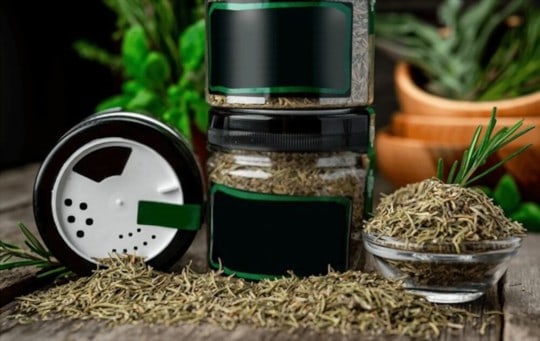
There are certain factors one should consider.
Here are some tips to help you make the right choice:
- flavor: Select an herb blend that goes with the flavor of your dish. If you're cooking a dish featuring seafood or vegetables, then fines herbs would be a good option. A slow-cooked stew or roasted meat might benefit from the complexity of herbs de Provence.
- Culinary Culture: Consider whether the dish is inspired by a particular cuisine, which may have specific spices and herbs in its traditional recipes. For example, if you're preparing Italian cuisine, oregano and basil would fit better.
- Experimentation: Do not shy away from testing various blends until you find one that corresponds perfectly with your culinary preferences.
Apart from these three points, one more tip that could help is to consult with experienced cooks and seek their advice regarding proper herb usage.
Adopting these practices will enable you to bring out the true essence of your dishes by showing their unique flavors through careful selection of herb blends.
Choosing the right vessel can matter for presentation and texture - soufflé dish vs ramekin differences for baking breaks down which works best for different recipes.
Comparing Fines Herbs and Herbs de Provence
The decision between Fines Herbs and Herbs de Provence depends on personal taste and preference.
Both options bring unique flavors to dishes, so it's advisable to experiment with both before choosing a favorite.
However, Fines Herbs comprise more delicate herbs like parsley and chives and complement lighter dishes such as fish or chicken, while Herbs de Provence have a more strong taste and pair well with heartier meat dishes like beef or lamb.
Ultimately, it comes down to the desired flavor of the dish being prepared.
Fines herbs suit lighter preparations similar to those in best herbs for bolognese suggestions. Herbes de Provence substitutes list provides practical swap options when a specific blend isn't on hand.
Frequently Asked Questions
Have you ever wondered what the differences are between fines herbs and Herbs de Provence? They share some similarities but each has qualities that make it better suited for certain recipes.
Consider what result you are after. Fines Herbs and Herbs de Provence each have strengths that suit different situations.
Neither is universally better - context decides.
Pricing varies by brand and region, but one is typically more accessible at everyday price points. The other may cost more due to specialization or limited supply.
Is there a best time to use each one?
One shines in applications requiring subtlety and background support.
The other is better when it is meant to be a center.
Matching the right one to its role makes a noticeable difference.