
Alright, folks, we're on a cheesy mission today. Fontinella and Fontina.
Yep, two cheeses that sound like they were separated at a dairy farm.
One's a bit spicy, the other creamy. And trust me, we've had our mix-ups.
Ever grated Fontinella over your pasta thinking it was Fontina? We've been there.
It's like expecting a rom-com and getting a thriller instead.
Fontinella, with its zesty kick, jazzes up your dishes. Fontina?
Smooth operator in the melt department. One hails from Italy, the other?
Also Italy, but they're as different as sneakers and stilettos.
Our saga doesn't end at "it's just cheese." It's a flavorful clash of titans. Join us as we slice into their stories.
Get ready, cheese lovers.
This is going to be gouda!
For a closer look at what defines aroma versus additive taste, see the extract vs flavor comparison explained.
What is Fontinella?

Fontinella cheese is a standout.
Its smooth, slightly tangy flavor is beloved.
It's common in salads, pasta, and sandwiches, adding depth and richness.
The cheese originates from Italy.
It's made of cow's milk.
When heated, it has a firm texture that melts beautifully.
It pairs great with fruits, nuts, and cured meats.
Try Fontinella cheese if you want to improve the taste of your dishes.
For dessert pairings that contrast Fontinella's tang, consider lemon dessert pairing ideas that brighten rich cheeses.
What is Fontina?

Fontina is a cheese hailing from Italy.
Its semi-soft texture and nutty, buttery flavor make it unique.
It's a versatile cheese, often used in cooking.
Melts well and adds richness to dishes.
Pairs great with fruits, cured meats, and wine.
Perfect for charcuterie boards and appetizers.
Also great on its own or incorporated into pasta, sandwiches, and omelettes.
Its creamy consistency and distinct taste make it a favorite among cheese lovers globally.
For casual snack pairings that complement Fontina's creaminess, try these guacamole pairing ideas and combos as inspiration.
Differences Between Fontinella and Fontina
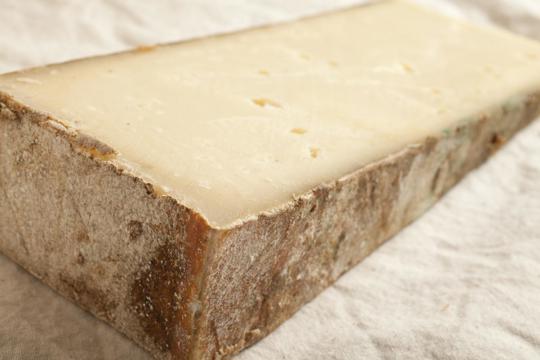
Fontinella and Fontina are two types of cheese that sound alike but have distinct differences.
Both originated in Italy and have a creamy texture.
Yet their flavors, aging processes, and uses vary - see Fontinella cheese substitutes list for comparable options.
Origin and History
Fontinella and Fontina cheeses have ancient origins.
Cheese lovers have savored them for centuries.
Each has its own distinct taste and characteristics.
Fontinella cheese is a semi-hard Italian cheese.
It comes from Lombardy.
Local artisans crafted it to combine the best of Fontina and Romano cheeses.
It is smooth and creamy.
Plus, it has a slightly nutty and tangy flavor.
This made it instantly popular with cheese experts.
Fontina cheese originates in the Aosta Valley of Italy.
It has a long history.
It is made from cow's milk.
It has an earthy smell and a mild yet savory taste.
Its melting properties are great for fondue and quiches.
Both cheeses have Italian heritage and are semi-hard.
Still, they have differences.
Fontinella has a more intense flavor with sweetness and spice.
Fontina is milder but still has complexity.
Fontinella matures in 3-4 months.
Fontina needs 3-4 months or more.
The extra time helps Fontina develop a nutty flavor and a more intense taste.
Cheese Production Process
Cheese production is an detailed process with multiple steps.
High-quality milk is selected and treated.
Then, cultures and enzymes are added to ferment the milk.
This leads to the curdling of milk, which forms curds that are cut and heated.
The curds are molded and pressed to remove extra moisture.
Aging helps develop unique flavors and textures.
Finally, it is packaged and distributed.
Temperature control, timing, and bacteria cultures are essential in creating quality cheese.
Cheesemakers must be precise with each step.
This way, they produce delicious cheeses we love.
Knowing cheese production enhances our appreciation for its artistry and helps us pick different varieties.
Interesting fact: Different types of cheese can be explored through a Colby Jack vs Monterey Jack comparison.
Fontinella and Fontina are examples.
Fontinella is an Italian semi-hard cheese with a sharp flavor, while Fontina from the Aosta Valley region has a milder taste with hints of nuts and fruits.
Ultimately, it's small variations in ingredients or curing processes that give each cheese its distinct characteristics.
Texture and Appearance
Fontinella and Fontina cheeses are distinct due to their texture and appearance.
Fontinella has a semi-hard texture and a pale yellow hue, with small holes dotted around the cheese.
Whereas, Fontina is soft and elastic, with a pale cream color and a pungent aroma.
Fontinella is great for grating, as its firmness makes it ideal for pasta dishes or as a pizza topping.
The small holes add a nice visual effect.
Fontina is great for melting, making it ideal for fondues and creamy sauces.
Its gentle nutty flavor complements its smooth texture.
These cheeses offer unique characteristics that can enhance any dish.
Fontinella has a firmer bite and interesting visuals.
Fontina has a velvety feel that melts in your mouth.
Both cheeses bring their own textures and appearances to improve any dish.
flavor
Fontinella and Fontina are two types of cheese with a few similarities, but also some key differences.
Fontinella is semi-hard and has a mild, creamy flavor.
It also has a nutty taste with a hint of caramel.
Its texture is smooth and firm, which allows it to melt nicely when heated.
Fontina is different.
Its flavor is more intense.
It has a rich, nutty taste with buttery and earthy tones.
Its texture is softer and more elastic than Fontinella too.
Both cheeses have a nutty flavor, but Fontina stands out for its stronger taste.
It adds depth and complexity to meals, especially when melted.
It's a great choice for fondues, pasta, and grilled sandwiches.
Uses in Cooking and Pairings
Fontinella and Fontina cheese have many uses in cooking.
Fontinella has a strong flavor and crumbly texture.
This makes it great for pasta, pizzas, and sandwiches.
It's sharpness pairs well with salami.
Meanwhile, Fontina cheese's mild, nutty taste is perfect for melting in fondues or gratins.
It's also delicious when served with fruit preserves and crusty bread.
Each cheese adds its own special touch to dishes.
When adapting recipes, consider how liquids change flavor - see a white cooking wine vs white wine vinegar comparison for guidance.
Similarities Between Fontinella and Fontina

Fontinella and Fontina share many similarities.
They both are Italian cheeses with a rich flavor and semi-soft texture.
Perfect for melting, they go great with fruits, crackers, and crusty bread.
Interchangeable in many recipes, these two cheeses are versatile - including Fontina cheese substitutes for melting when a swap is needed.
Yet, there are some unique details.
Fontinella has a sharper taste compared to the milder Fontina.
Fontinella is usually aged longer, giving it a more pronounced taste.
Also, while both are made from cow's milk, some Fontina may also contain sheep or goat's milk.
Where to Buy Fontinella and Fontina?
You can purchase these delicious cheeses from various stores.
Here are some popular choices:
- Specialty Cheese Shops: These stores usually have a wide selection of cheese, including Fontinella and Fontina. Plus, they have staff who can help you pick the perfect cheese.
- Gourmet Grocery Stores: Many grocery stores have a special cheese section with both Fontinella and Fontina. These stores get their products from reliable suppliers.
- Farmers Markets: Local farmers markets are a great place to find artisanal cheeses, like Fontinella and Fontina. Plus, you can support local businesses.
- Online Retailers: If you prefer shopping from home, there are many online retailers who specialize in cheese. They offer a range of options, including Fontinella and Fontina.
- Italian Delis: Italian delis usually have a variety of Italian cheeses, including Fontinella and Fontina. These establishments pride themselves on authentic products.
- Wholesale Markets: If you need a large amount of cheese, consider wholesale markets. They provide competitive prices on bulk orders of Fontinella and Fontina.
Also, check your local supermarkets.
Some larger chain stores may carry both cheeses in their specialty or international sections.
You won't have difficulty finding places to buy Fontinella and Fontina.
Whether you're searching for a special flavor or simply want to enjoy some delicious cheese, there are many places to purchase these varieties.
Enjoy cheese hunting.
Taste and Texture: Fontinella vs Fontina Cheese
Fontinella and Fontina cheeses vary in their ingredients and production methods.
Fontinella has a mix of cow's milk and sheep's milk, giving it a stronger flavor and crumbly texture.
Fontina is made purely from cow's milk, making it milder and softer.
Ultimately, the choice depends on personal preference and what you want to make.
Whether you use Fontinella's strongness or Fontina's versatility, these cheeses will make your dishes special.
Cheese comparisons clarify texture and melt behavior. Colby Jack vs Monterey Jack comparison highlights melt and flavor differences. Fontinella cheese substitutes list suggests practical swaps when a recipe calls for one cheese over another.
Frequently Asked Questions
Also Italy, but they're as different as sneakers and stilettos. They share some similarities but each has qualities that make it better suited for certain recipes.
In many recipes, yes. Fontinella and Fontina fill similar roles, though each brings its own character.
Try a small test batch before committing to a full swap.
Availability varies by region. One is usually a standard grocery store item while the other may require a specialty or international market depending on where you live.
Can a beginner tell the difference by taste?
In a side-by-side tasting, yes.
The difference becomes less obvious when mixed into a recipe with other ingredients.
Most people notice the distinction more clearly on its own.