
Do you ever find yourself at the liquor store wanting to purchase one of two items, say Frangelico and Amaretto, but can't decide which between the two?
If this sounds familiar, then you are certainly not alone.
After all, with so many distinctive liqueurs available on the market all vying for our attention and palate - it can be a difficult decision.
These two unique types of liqueur vary in their respective origins, ingredients used, aromas/flavours released when enjoyed as well as historically-based recipes.
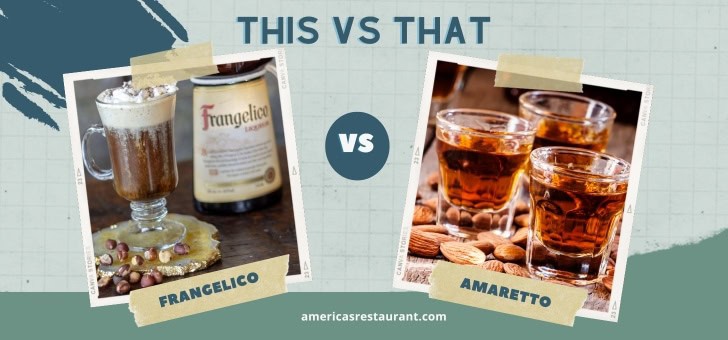
What is Frangelico?
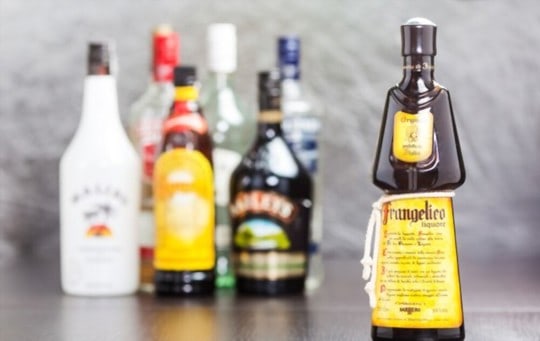
If you've ever had a craving for a nutty liqueur, then you've likely stumbled upon Frangelico.
So, what is Frangelico, exactly? This smooth Italian liqueur is a tasty blend of hazelnuts, cocoa, vanilla, and other natural flavorings.
Its unique and complex taste can be attributed to the centuries-old recipe, which is still a closely guarded secret.
Frangelico's name itself adds to the intrigue-as it's derived from the name of a hermit monk, Fra Angelico, who was said to have created the recipe as early as the 17th century.
It may seem perplexing at first, the subtle nuances of Frangelico are what make it a beloved choice for connoisseurs of fine spirits.
Frangelico's subtle nutty and citrus-friendly notes pair well with bright desserts - what goes well with lemon in desserts suggests complementary dessert pairings.
What is Amaretto?
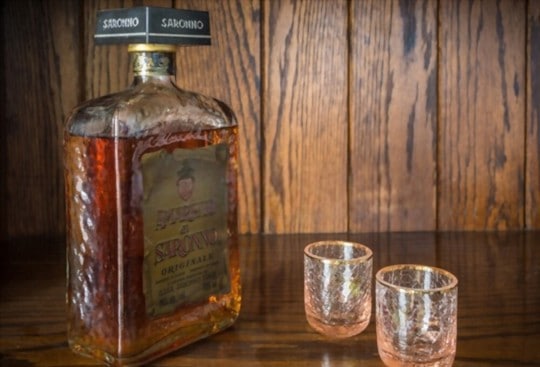
Amaretto is a delicious liqueur that is often enjoyed as an after-dinner drink or used as an ingredient in cocktails and desserts.
This Italian specialty is known for its nutty and sweet almond flavor, which is achieved through a combination of apricot pits and either sweet or bitter almonds.
While the origin of amaretto is somewhat unclear, it is believed to have been first created in Italy during the Renaissance era.
Many different brands produce their own versions, each with their own unique recipe and flavor.
Due to its versatile nature and distinct taste, amaretto has become a popular staple in bars and households around the world.
Differences Between Frangelico and Amaretto

Frangelico and Amaretto are two popular liqueurs known for their distinct taste and aroma - see a Gozio vs Disaronno comparison guide for another amaretto perspective.
While Frangelico is made with hazelnuts and has a sweet, nutty taste, Amaretto is made with almonds and has a slightly bitter flavor.
Overall, both liqueurs have their unique taste and can be used in different cocktails or as standalone drinks.
Origin
The Origins of Frangelico and Amaretto lie in Italy, both being almond-flavored liqueurs.
Frangelico originated in the Piedmont region during the 17th century with Dominican Friars as the masterminds behind its creation while Amaretto has been around since the legend of a romance between Bernardino Luini and a famous artist's model created it during the Renaissance era.
Both versatile liqueurs have gone through various revisions to derive at their modern-day versions, making them popular worldwide.
While both drinks may seem similar because of their almond flavoring, there are some unique differences between Frangelico and Amaretto.
- Frangelico has more depth and complexity than Amaretto because of its combination of toasted hazelnuts, herbs, and berries.
- On the other hand, Amaretto is sweeter with a straightforward almond taste that makes it an excellent substitute for vanilla extract in baking recipes.
In summary, Frangelico and Amaretto are two different but closely related almond-flavored liqueurs from Italy with varying histories, origins, and tastes.
One's preference between them depends on individual tastes or desired usage.
Ingredients Used
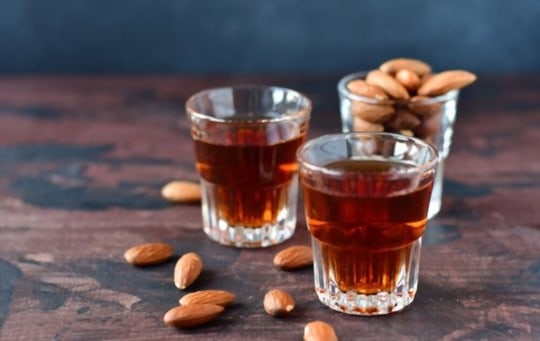
The two popular liqueurs, Frangelico and Amaretto, are made with distinct ingredients that offer a unique flavor.
Frangelico is crafted using toasted hazelnuts, vanilla berries, and cocoa powder, blended with alcohol and sugar.
On the other hand, Amaretto is made of sweet almond oil or apricot kernel oil mixed with neutral spirits, sugar, and flavored with herbs and spices such as cinnamon and vanilla.
Frangelico's nutty flavor makes it an excellent choice for desserts or coffee-based cocktails, while Amaretto's sweet almond taste is perfect for making delicious sours and mixed drinks.
Both liqueurs can be served as digestifs after dinner.
However, depending on personal preferences regarding taste and uses in cocktails or recipes, one may appeal more than the others.
Frangelico contains a slightly lower ABV (alcohol by volume) compared to Amaretto.
Also, some people might have allergies to nuts or almonds; hence they should avoid consuming these drinks.
Flavor and Taste
The distinctive and pleasant tastes of Frangelico and Amaretto make them both excellent options, but which one reigns supreme? As an Italian liqueur containing nuts, Frangelico is exceptionally smooth with a pronounced hazelnut flavor while Amaretto offers a sweet almond taste.
Both are also versatile mixers that can improve any cocktail's taste - learn the difference between extract vs flavor explanations to better use them in recipes.
Frangelico's thick and velvety texture gives the drink a luxurious feel.
It provides an additional layer of creaminess when added to coffee-based drinks like cappuccinos or lattes.
On the other hand, Amaretto's sweetness makes it an ideal pair for sour flavors like citrus or cranberry juice.
It shines in simple mixes like Amaretto Sour or Disaronno Soda.
Unlike its counterpart, Frangelico has no strong aftertaste of alcohol but offers outstanding versatility in mixology due to its unique flavor.
However, some may find that Amaretto has more limited uses due to its straightforwardness.
Ultimately, choosing between these two Italian liqueurs depends on your preference for either an indulgent hazelnut-rich flavor or the sweet nuttiness of almonds.
Alcohol Content
Frangelico and Amaretto are two popular alcoholic choices that boast of unique flavors.
The alcohol content in both these drinks varies and can have an impact on your drinking experience - compare grain alcohol vs vodka differences to understand how base spirit strength changes cocktails.
Frangelico is a hazelnut liquor with an alcohol content of 20%, while Amaretto is an almond-flavored liqueur with a slightly higher alcohol content of 24-28%.
The difference in alcohol content may not seem significant, but it can make a difference in taste and overall experience.
With Frangelico's lower alcohol percentage, the nutty flavor is more pronounced, giving you a smooth and mellow drinking experience.
Whereas, Amaretto's higher alcohol content provides a more intense flavor that some drinkers prefer.
Enjoyment of alcoholic beverages is subjective, and personal preferences will dictate which drink suits you best.
Apart from alcohol content, factors such as mixability, recipes availability, and brand loyalty can also narrow down the options for one's preferred drink.
Similarities Between Frangelico and Amaretto

Frangelico and Amaretto have a lot in common, making it difficult to choose between them - for another side-by-side, see Amaretto vs Amaro comparison overview.
Both are liqueurs that originate from Italy and contain hazelnuts and almond flavors respectively.
Besides, they can be served alone or combined with cocktails, desserts or coffee to enhance their taste and aroma.
Also, these two liqueurs have a sweet, nutty flavor that appeals to many consumers globally.
There is no shortage of areas where the two overlap in terms of flavor and production process.
For example, both liqueurs are made using similar ingredients such as sugar syrup and neutral spirits.
They also undergo a similar production process involving maceration and filtration.
Also, they both have a smooth texture accompanied by warm, toasted almond tones that provide an extra layer of richness.
Unique details about Frangelico and Amaretto may help distinguish one from another when considering their differences.
For example, Frangelico has a golden color whereas Amaretto has a darker brown color that gives it an edge from visual appeal standpoint.
Also, Frangelico is slightly sweeter than Amaretto due to its higher sugar content.
These characteristics influence the perfect mixing ratio for cocktails or pairings with different meals.
Overall, understanding the similarities between Franjelico and Amaretto helps you know what you will expect from each of them upon trying either one or both of them out together.
Culinary Uses of Frangelico and Amaretto
Frangelico and Amaretto are two popular liqueurs used in various culinary applications.
These spirits offer unique flavors that can improve the taste of various dishes.
They serve as essential ingredients in many recipes, from sweet desserts to savory entrees.
Cooking with Frangelico or Amaretto can infuse a complex nutty flavor in your dishes - learn how to substitute between liqueur and extract in Amaretto vs almond extract comparisons.
They add depth to your sauces, creams, salad dressings, and marinades.
Also, they make your desserts and baking goods more appetizing by creating a rich nutty taste profile.
Both Frangelico and Amaretto have their unique applications.
Frangelico's hazelnut flavor pairs well with chocolate-based recipes such as cakes, brownies or ice cream.
It also complements tart fruit dishes like raspberries or strawberries excellently.
On the other hand, Amaretto's almond aroma can create an aromatic twist in coffee-based beverages like lattes and cappuccinos.
Apart from these classics, Frangelico finds usage in pasta sauces or chicken preparations, while Amaretto does wonders when added to marinades for meat or fish preparations.
Popular Cocktails Made with Frangelico and Amaretto

If you're a fan of nut-flavored cocktails, you've likely come across Frangelico and Amaretto.
These liqueurs are popular ingredients in many mixed drinks - if a recipe calls for rum instead, consider rum substitute cocktail options that pair well with nutty flavors.
- For an indulgent dessert cocktail, try a Nutty Irishman made with Frangelico, Irish cream, and coffee.
- An Amaretto Sour is a classic cocktail that combines the nutty flavor of Amaretto with lemon juice and sweet syrup.
- The Godfather cocktail is simple and sophisticated, blending Scotch whisky with Amaretto for a deliciously smoky drink.
- A Frangelico Fizz is light and refreshing, mixing the hazelnut flavor of Frangelico with soda water, lemon juice, and sugar.
While both Frangelico and Amaretto have nutty flavors, they differ in their base spirits.
Frangelico is made from distilled hazelnuts while Amaretto is almond-flavored and typically made from apricot pits or almonds.
Also, some people may have allergies to nuts or fruit pits and should avoid consuming these liqueurs.
Overall, both Frangelico and Amaretto offer unique flavors to improve your cocktails.
It's worth experimenting with different recipes to see which you prefer.
Key Differences Between Frangelico and Amaretto
It's clear that Frangelico and Amaretto have many differences keeping them apart.
From the ingredients to their level of sweetness, these two liqueurs are unique in their own individual ways.
Still, for those who don't enjoy the nutty taste of Amaretto or the sweet notes of Frangelico, a combination of them can be created.
Blending both these liqueurs together offers a well-rounded and harmonizing flavor that is sure to please any taste bud.
For anyone looking to explore the vast world of liquors, taking a closer look at Frangelico and Amaretto can be an exciting journey.
Although they are different in some ways, they both offer pleasant flavors that can add zest to any occasion.
Frequently Asked Questions
After all, with so many distinctive liqueurs available on the market all vying for our attention and palate - it can be a difficult decision. They share some similarities but each has qualities that make it better suited for certain recipes.
Often, yes. The two share enough common ground that most palates won't notice a swap.
Frangelico is usually milder while Amaretto brings more intensity.
Nutritional differences exist but are often minor in typical serving sizes. Neither is universally healthier - it depends on what specific nutrients or dietary goals you are focused on.
Which stores better after opening?
Once opened, one keeps better in the refrigerator with proper sealing.
The other may oxidize or separate more quickly, so using it promptly or in smaller quantities works better.
Amaretto Unveiled: taste breakdown explains tasting notes and uses. Cocktail Hacks: 5 BEST Substitutes for Amaretto lists practical swap options for recipes and drinks.