
Summary of key points
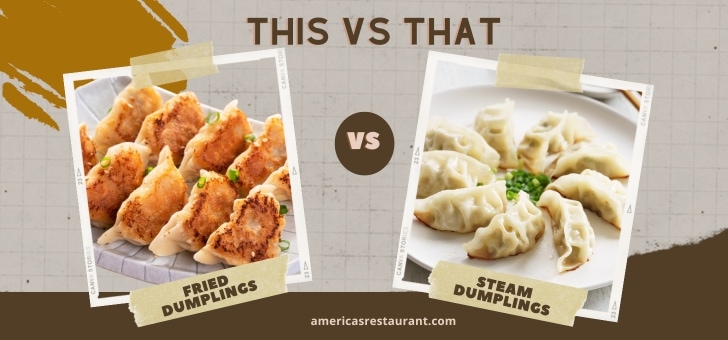
The key differences between Fried Dumplings and Steamed Dumplings primarily revolve around their cooking methods and resulting textures. Fried dumplings are known for their crispy, golden-brown exterior and chewy interior, offering a crunchier texture.
Steamed dumplings, on the other hand, have a moist, soft, and somewhat translucent covering, providing a tender bite. While both can contain the same fillings, the choice between them often comes down to personal preference for either a crispier or softer exterior.
Are your palate craving something delicious and savory?
But with two popular versions, fried vs steamed, which is actually better?
Turn up the heat on this age-old debate by learning more about the difference between these two favorites!
Find out how it affects flavor, texture, nutrient content - and most importantly whether you even need to choose at all!
It's time to get crunchy (or steamy) as we determine who will win this battle between Fried Dumplings vs Steamed Dumplings.
What are Fried Dumplings?
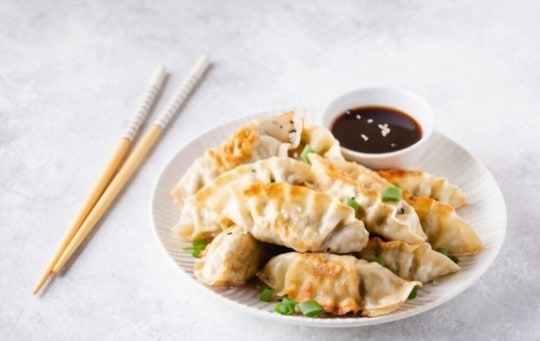
Fried dumplings are a type of dumpling that is cooked by frying in oil - similar frying contrasts appear in funnel cake vs fried dough comparison.
They are typically made with a filling of meat, vegetables, or a combination of both and wrapped in a dough wrapper.
The shape and size of fried dumplings can vary depending on the culture and region they come from.
Fried dumplings have gained popularity around the world due to their crispy exterior and savory filling.
They are often served as an appetizer or snack but can also be enjoyed as a main course when paired with rice or noodles.
While fried dumplings may be delicious, they can also be high in calories due to their cooking method.
Therefore, it is important to consume them in moderation as part of a balanced diet.
What are Steamed Dumplings?
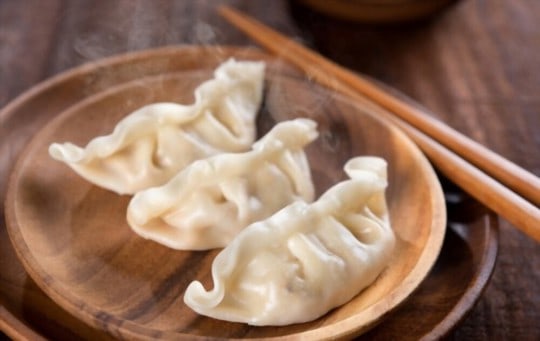
Steamed dumplings are a type of Chinese cuisine that is popular all over the world.
These dumplings are made by steaming them instead of frying them, resulting in a healthier and slightly different taste than fried dumplings - a similar contrast shows up in steamed rice vs fried rice comparison.
In this section, we will discuss the characteristics and features of steamed dumplings to understand their popularity.
As evident from the table above, steamed dumplings offer several health benefits because they are not fried.
They can also suit one's dietary needs as their fillings can vary from vegetables to meats for protein lovers.
Also, since they do passably cook in steam only, it gives them a lovely soft texture.
Steamed dumplings are often considered comfort food due to their warm temperature and soothing taste.
Many Chinese restaurants include these delicacies on their menu due to high demand among consumers as they can make for great starters or even meals on its own.
Differences Between Fried and Steamed Dumplings
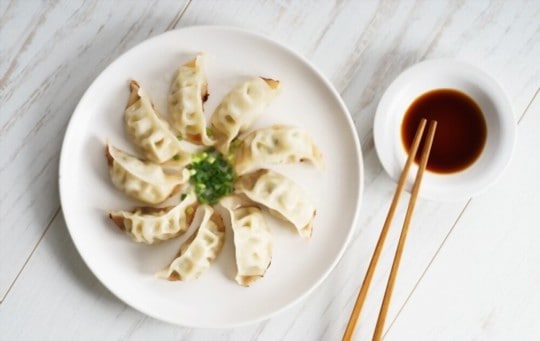
Fried and steamed dumplings are two common types of dumplings enjoyed all over the world, but they differ in a few ways.
The most noticeable difference is that one is deep-fried while the other is cooked through steaming - comparable frying distinctions are explained in chicken fried vs country fried steak comparison.
This results in a significant difference in texture as well.
Fried dumplings are known for their crispy exterior, while steamed ones have a soft and silky texture.
The cooking process also results in differences in appearance.
Fried dumplings are generally brown on the surface due to prolonged exposure to heat, while steamed ones remain white or pale in color.
Lastly, fried dumplings tend to have significantly more calories compared to their steamed counterparts due to being deep-fried in oil.
On the other hand, steamed dumplings are generally considered a healthier option as they contain less oil.
Ingredients Used
There are a variety of ingredients that can be used, depending on the recipe and preparation method.
The ingredients used can greatly affect the overall taste, texture, and appearance of the dumplings.
As you can see, both types of dumplings typically use wheat flour wrappers filled with a mixture of meat and vegetables.
However, the specific type of meat and spices used may differ between fried and steamed dumplings.
While some recipes may call for additional ingredients like sugar or vinegar, these three basic elements form the foundation for most types of dumplings.
When preparing fried or steamed dumplings at home, it's important to carefully choose fresh, high-quality ingredients to ensure maximum flavor and texture.
Preparation Methods
To give the best taste and flavor to the dumplings, preparation method plays an important role.
There are two popular methods for preparing dumplings - fried and steamed.
Fried dumplings are cooked in a pan with oil until they have a crispy outside and soft inside.
This technique results in a savory flavored dish that is often paired with soy sauce or other dipping sauces for a more enhanced taste.
On the other hand, steaming requires cooking dumplings on top of boiling water in a separate container, which takes longer than frying.
But it produces softer dumplings with milder flavors that complement well with broth or soup.
Both fried and steamed dumplings use similar fillings like meat, vegetables or fish but differ slightly in their wrapper thicknesses.
Thicker wrappers hold up better in fried dumplings compared to thin ones that work better for steamed variations.
Texture and Flavor Comparison
Fried dumplings and steamed dumplings are like night and day.
As we discussed in the previous section, the cooking method is the main reason for these differences.
Fried dumplings have crispy exteriors with chewy interiors, whereas steamed dumplings tend to be softer but might feel sticky on the outside due to moisture buildup from the steaming process.
As you can see from this table, fried dumplings are ideal if you're seeking a satisfying crunch paired with bold flavors.
On the other hand, steamed dumplings offer a lighter taste with subtle flavors that won't overwhelm your palate.
But remember: both options can be delicious when prepared correctly.
Something else to consider is that frying may remove some of the moisture from foods like meat or vegetables that you might find in the filling of your dumpling.
This lack of moisture affects not only the texture but also overall flavor.
Meanwhile, steaming preserves those flavors while making sure that everything inside stays juicy.
For a deeper dive into how concentrated ingredients change taste perception, see extract vs flavor differences explained.
Health Benefits and Nutritional Value
Dumplings are a popular dish worldwide, which is made from dough and filled with meat, vegetables, or cheese.
They can be cooked in various ways like steaming, boiling or frying.
Dumplings are known for their tasty taste and numerous nutritional values that make them an attractive meal option for many.
As we can see, steamed dumplings contain fewer calories and less fat than fried dumplings making them a healthier choice between the two.
Also, steaming doesn't require any oil, which further reduces the fat content in the dish.
Dumplings often contain a range of nutrients, including protein, carbohydrates, vitamins B6 and B12, iron and fiber (depending on the filling).
The dough used to make dumplings typically includes flour which is a good source of complex carbohydrates while also providing some protein; this makes it ideal for energy production in our bodies.
The added lean protein-rich fillings such as veggies or lean meats help to build muscle mass with fewer calories while also keeping one satiated for longer periods minimizing hunger pains throughout the day.
In summary, steamed dumplings are ideal if you want to enjoy your dish without worrying too much about your weight management - although neither need to be avoided entirely.
For an idea of how to add savory, cheesy notes without dairy, consult the nutritional yeast taste guide.
Fried vs Steamed Dumplings Texture and Taste
Fried dumplings are cooked by pan-frying them until crispy and golden brown while steamed dumplings are cooked by placing them in a steamer basket over boiling water.
In terms of choosing between the two, it ultimately comes down to personal preference.
Some people prefer the crunchiness and bold flavor of fried dumplings while others enjoy the softer texture and lighter taste of steamed ones.
There is also a health factor to consider - steaming your food is generally considered a healthier cooking method compared to frying.
Fried and steamed rice present similar contrasts in texture and preparation. fried rice vs steamed rice comparison explores those differences. Eggs also showcase cooking-method trade-offs: poached egg vs fried egg comparison outlines how texture and fat content change with method.
Frequently Asked Questions
While both can contain the same fillings, the choice between them often comes down to personal preference for either a crispier or softer exterior. They share some similarities but each has qualities that make it better suited for certain recipes.
It depends on the dish. Fried Dumplings and Steamed Dumplings share some overlap, but each shines in different preparations.
Swapping works best in forgiving recipes like soups or stews.
Pricing varies by brand and region, but one is typically more accessible at everyday price points. The other may cost more due to specialization or limited supply.
Is there a best time to use each one?
One shines in applications requiring subtlety and background support.
The other is better when it is meant to be a center.
Matching the right one to its role makes a noticeable difference.