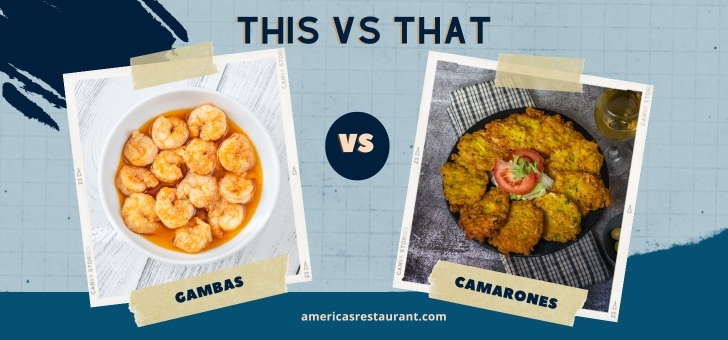
Do you want to impress your guests with a delicious seafood meal, but don't know the difference between Gambas and Camarones? You're not alone.
Learn why these are two different dishes and how to spot the differences.
With this guide, you'll be able to serve up a unique and tempting seafood dinner.
What are Gambas?
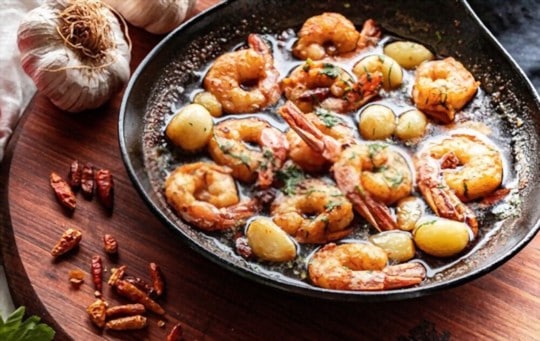
Gambas are a popular seafood dish that is often enjoyed in Mediterranean cuisine.
These crustaceans are commonly known as shrimp and are loved for their sweet and delicate flavor.
They can be prepared in a variety of ways, including grilling, sautéing, or even served raw in dishes like ceviche.
As you can see from the table above, gambas are small crustaceans that are typically smaller than prawns.
They have a sweet and delicate flavor that is often savored in Mediterranean cuisine.
Gambas can be cooked using various methods depending on one's preferences, including grilling or sautéing.
It's essential to consider the size of the crustacean as well.
Due to their relatively small size compared to prawns, larger quantities may be required for feeding purposes.
If finishing gambas with citrus, lemon dessert pairings list offers ideas for sweet-savory citrus matches that translate to seafood.
What are Camarones?
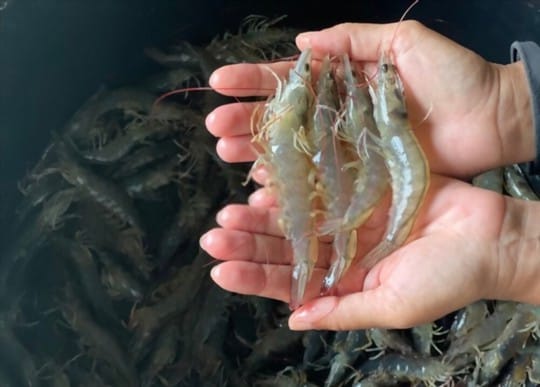
Camarones, also known as shrimp, are a type of seafood that are widely consumed throughout the world.
They are commonly caught in oceans, rivers and lakes and come in a variety of sizes and species.
In this section, we will explore Camarones in greater depth.
Camarones can be purchased fresh or frozen, depending on location and availability.
They are highly versatile in the kitchen and can be cooked using various methods such as boiling, grilling or sautéing.
Due to their sweet and delicate flavor, they pair well with a wide range of seasonings and spices.
In terms of nutrition, Camarones are low in fat while providing an excellent source of protein.
They are also rich in essential nutrients such as selenium, vitamin B12 and phosphorus.
Also, Camarones contain antioxidants that help protect against disease.
Overall, Camarones are a delicious seafood option that can be enjoyed by many.
In the next section, we will discuss the differences between Gambas and Camarones.
Camarones work well with bold dips; what to eat with guacamole combos suggests chips and salsas that pair nicely alongside shrimp dishes.
Differences Between Gambas and Camarones
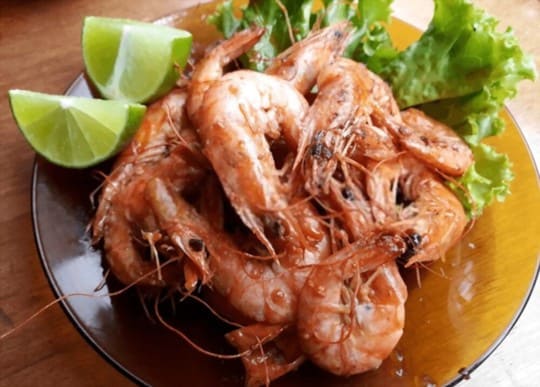
To begin with, it is important to acknowledge that both gambas and camarones are types of shellfish.
Although they may look similar in appearance, there are some significant differences between the two that make them distinct from each other.
They can be used interchangeably in most recipes due to their similarities.
However, the differences in taste, texture, and appearance can also affect how they should be cooked or paired with other ingredients.
For example, if you want a dish that is more on the sweet side, then using gambas would be ideal.
On the other hand, if you're aiming for a milder flavor, then camarones would be a better choice.
Origin and Culinary Uses
Gambas and camarones are two different types of crustaceans that are often used in various dishes.
They have different origins and culinary uses that set them apart from each other.
Gambas originated in Spain and are commonly used in Spanish cuisine.
They have a sweet flavor and small size, making them suitable for various dishes such as shrimp cocktail or garlic shrimp skewers.
The texture of gambas is firm, which means they hold up well during cooking.
On the other hand, camarones come from Mexico and are widely used in Mexican cuisine.
They have a savory flavor and larger size than gambas, making them perfect for dishes such as shrimp tacos or ceviche.
Unlike gambas, the texture of camarones is tender, which means they require less cooking time to become fully cooked.
Both gambas and camarones can be used interchangeably in some recipes depending on personal preferences or availability of the seafood in certain regions.
Physical Characteristics and flavor
Gambas and Camarones are often mistaken for each other due to their similar appearance.
However, they have distinct physical characteristics and flavors that make them different from one another - see extract vs flavor comparison explained.
Gambas are smaller than Camarones, with a pinkish-orange hue compared to the greyish-brown color of Camarones.
Gambas also have a more delicate flavor with a tender texture, while Camarones have a more strong flavor with a firm texture.
Both seafood varieties are delicious and can be used interchangeably in most recipes.
However, if you want a dish with a milder taste and softer texture, then Gambas are the way to go.
On the other hand, if you're looking for more depth of flavor and firmer meat in your dish, then Camarones would be the perfect choice.
In summary, Gambas and Camarones may look alike but differ significantly in their physical characteristics and flavors.
Knowing these differences will help you choose the right seafood ingredient for your recipe.
Nutritional Value
Talking about the nutritional value of seafood, it is important to discuss the health benefits and drawbacks of consuming them.
Shrimp and prawns both are low in fat and calories but are a great source of protein, omega-3 fatty acids, vitamins, and minerals.
Omega-3 fatty acids help reduce inflammation, lower blood pressure, and prevent heart disease.
They also contain selenium that boosts immune function and protects against cancer.
As we observe from the table above, camaron has more total fat than gambas which may not be ideal for individuals with high cholesterol levels or who are looking to lose weight.
However, if you're aiming for protein intake in your diet, then camarones would be a better option as they contain more protein per gram than gambas.
Seafood is generally low in carbohydrates which make them an excellent food choice for people with diabetes or individuals trying to maintain healthy blood sugar levels.
Overall, while both gambas and camarones have their own nutritive value profiles depending on various factors such as size, preparation method, etc.
Their commonality lies in being rich in essential nutrients required by our body.
For seasoning alternatives that add umami without extra fat, nutritional yeast taste guide for umami explains what to expect.
Cooking Methods and Preparation
For preparing Gambas and Camarones, there are several cooking methods that one can follow.
You can choose a method that fits your taste preferences or the occasion you're cooking for.
Grilling is a popular method for both seafood types because it imparts a smoky flavor while keeping the texture of the shrimp intact.
Boiling is another quick and easy option for those who prefer their shrimp fully cooked.
Fried shrimp is crispy on the outside and juicy on the inside, making it ideal for party appetizers or quick snacks.
Sautéed shrimp is perfect as a topping for salads or pasta dishes.
While Gambas can be grilled or boiled, Camarones can also be prepared in other ways like Broiling.
However, it's important to note that broiled Camarones will need to be watched closely since they can easily become overcooked and rubbery if left unattended.
When choosing a finishing ingredient, consider how white cooking wine vs vinegar comparison influences acidity and overall flavor.
Similarities Between Gambas and Camarones

Gambas and Camarones are both types of shrimp that are widely used in cuisines around the world.
While they have different names, they share a lot of similarities in terms of taste, texture, and preparation methods.
Gambas and Camarones share many similar characteristics.
They are both types of shrimp with a mild flavor that would appeal to most people's palates.
When cooked properly, both have firm and meaty textures that make them flexible ingredients for various recipes.
Also, both can be cooked using a range of methods such as grilling or sautéing.
Whether you prefer Gambas over Camarones or vice versa mainly depends on your personal preference.
However, they're more alike than they are different.
Popular Dishes Made with Gambas and Camarones
If you're a seafood enthusiast, then you've probably come across the terms gambas and camarones.
Both refer to different types of shrimp, so it's easy to get confused between them.
However, despite their similar appearance and taste, there are some differences that set them apart from each other.
But let's not focus on that for now; instead,
As you can see, both gambas and camarones make an appearance in various delicious dishes.
From classic Spanish delicacies like gambas al ajillo to Latin American favorites like camarones a la diabla or ceviche de camarón, there is no shortage of dishs that feature these juicy shellfish.
But it's not just limited to these dishes alone - gambas and camarones can be used in any dish where shrimp is called for.
For example, they could be added to stir-fries, pasta dishes, soups or stews as well.
So, whether it's a fancy seafood paella for dinner or a simple shrimp salad for lunch, gambas and camarones are undoubtedly flexible ingredients that can add some delicious flavor to any meal.
Serve gambas or camarones with rice sides; rice side dishes for shrimp and salmon lists versatile rice pairings that complement shellfish.
Where to Buy Gambas and Camarones?

If you're wondering where to buy Gambas and Camarones, there are a variety of options depending on your location and preferences.
- Grocery Store: Most grocery stores should have frozen, fresh or canned shrimp (camarones) available. Fresh prawns are less widely available but can be found at specialty seafood markets. Gambas may also be sold in the frozen section, but fresh ones are harder to come by.
- Fish Market: Local fish markets will typically have a selection of fresh shrimp and prawns for sale. They may also offer other types of shellfish such as clams or scallops which can be used in similar recipes as gambas or camarones.
- Online Retailer - For those who want to avoid going out or live in remote locations, online retailers like Amazon or Seafood Delivery Services can offer home delivery of fresh seafood across the globe. Check reviews from previous customers before making a purchase.
It's important to consider the quality and freshness of the seafood as this can greatly impact the taste of your dish.
Some factors to consider include how recently they were caught, whether they were farmed or wild-caught, and any additives or preservatives that may have been added.
Overall, sourcing high-quality ingredients will improve your cooking experience and ensure better tasting dishes that truly show the flavors of these delicious crustaceans.
For specialty pantry finds sold near seafood, where to buy miso in stores explains where to locate miso and other Asian ingredients in grocery aisles.
Choosing Between Gambas and Camarones
While both are considered prawns, gambas are larger and sweeter in taste compared to the smaller and saltier camarones.
Note that both gambas and camarones can be bought from various seafood markets or online stores that specialize in fresh seafood.
Make sure to check their quality and freshness before purchasing to ensure that your dish will turn out delicious.
Frequently Asked Questions
Do you want to impress your guests with a delicious seafood meal, but don't know the difference between Gambas and Camarones? They share some similarities but each has qualities that make it better suited for certain recipes.
They can stand in for each other in a pinch. Gambas and Camarones overlap in some uses, but the flavor or texture will shift.
Adjust quantities to taste.
Shelf life differs based on processing and packaging. One often keeps longer unopened, while the other may need refrigeration or faster use after opening.
Which one is more forgiving in recipes?
One tends to perform more consistently across a range of cooking methods, making it the safer choice when experimenting.
The other delivers stronger results in specific applications.
Subtle taste details matter across recipes; extract vs flavor comparison explained clarifies how small differences change results. Ingredient choices also affect acidity and finish - white cooking wine vs vinegar comparison outlines those contrasts.