
Almost daring to call Alligator meat food or much less a delicacy if you're from a part where it is alien.
But Gator tail is popularly known for its juicy, lenient flavored deliciousness and is wildly eaten among people from the country's southern region.
The next time you're in the mood for some special exotic meat treat for your family, Gators might be your best choice.
You can quickly cook up any part of the Alligator as you please, but its tail is known to be the most favored.
However, if you're new to this healthful white meat, wondering, "what does Gator tail taste like?" Don't fret.
What is Gator Tail?

The Gator tail refers to the softest part of the animal, the tenderloin.
A typical comparison most people would make according to its highly delicate texture is veal.
However, if anyone mentions that the meat of an Alligator tastes like chicken, this is the culprit.
The sole reason for this is because the tail is white meat, less gamey and juicy, and is often served as a starter food - similar to lobster tail taste guide for seafood fans.
While the gamier portions of the Gator, like the ribs and the legs, often need some marinating, there isn't any need for the tail since it has a lenient flavor that doesn't smell or taste as strong, and a one-of-a-kind smooth texture that resembles poultry.
No wonder people call them "chickens of the swamp". Still, Gator tails are surprisingly very versatile and can be cooked in many ways.
It is also a healthful alternative to other meat since it is hugely less fatty and packed with proteins.
If finishing a meal with citrus-sweet desserts is an option, lemon dessert pairing ideas lists flavors that match lemon well.
What Does Gator Tail Taste Like?
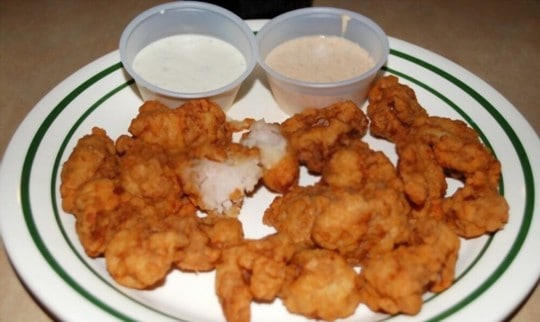
Combining all your favorite meat like fish, pork, and chicken to take you on a tempting journey, satisfying all your palate would fit the description of the Gator's taste profile in general.
But since the Alligator tastes a little different depending on various portions of its body and how you would prepare it, we can't just lump them together.
The Gator's ribs and legs are considered the dark meat portion, giving off a stiff texture like pork while being gamey.
People trying it for the first time would often marinade or season the Gator to soften or cut some of the natural flavors, but it's a different case with its tail.
It is less gamey compared to the rest of its body.
Therefore you only need zero to a bit of seasoning and marinating if you want to.
The Gator's tail is known for its softness (tenderness) and similarities with chicken meat with a fishy aftertaste, so most people would agree that it gives off a unique taste combination of fish and chicken.
You can choose to marinade it for a more exclusive taste, but having the option not to and can experiment with it is why the tail is served mainly as starters, a non-risky gourmet meal, and a type of beer food, if you will.
Since it is also juicy, a considerable section of folks can get freaky with its delivery and have options on how to cook it; seasoning and serving with sauces, pan-frying, grilling, etc.
Are some of the most popular ways, among others.
How to Cook and Serve Gator Tail?
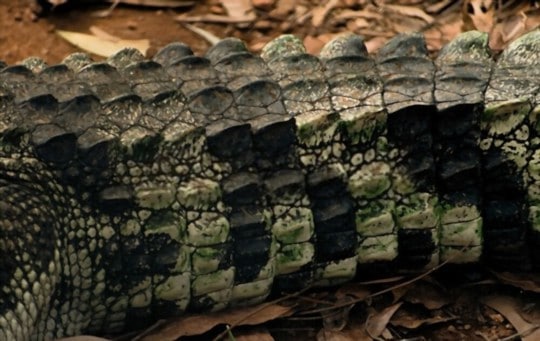
Different from your everyday whole Alligator cooking style, Gator tail only needs a little preparation and welcomes many different ways.
You can take the conventional meat cooking approach of grilling, pan-frying, smoking, marinating, tenderizing, or adding various spices.
Deep frying and serving it with your extra-special chili sauce will do the trick.
The Gator tail will bring out the flavors wholeheartedly, and its mild flavor and soft texture will satisfy you.
Since it's a delicacy among the people from the south, a recipe you can try is deep frying and serving it with a great sauce.
All you need is flour, sauce (preferably sriracha), lemon juice, salt, pepper, buttermilk, peanut oil, egg, garlic powder, and Gator tail.
Cut the meat into bite-sized portions and quickly season it with salt and pepper.
Mix the sauce and buttermilk in a different bowl from the flour for a good batter, dip the meat back and forth and fry each piece until golden brown.
Serve it with a sauce blended using all the above ingredients (use a blender) or your preferred sauce.
Quick, bright sides complement fried or grilled gator tail well - veggie sides under 12 minutes suggests speedy vegetable pairings.
Flavor Characteristics of Gator Tail Meat
The versatility, nutrients, and flavor this healthy white meat brings to the table are incredible, and not to mention, it is pretty easy to cook and serve for even an amateur.
Hopefully, this article explains a Gator tail and its taste profile.
While we understand this meat is an exotic treat for people in places where it isn't abundant or illegal to hunt Alligators, it's a delicacy among people worldwide.
Frequently Asked Questions
But since the Alligator tastes a little different depending on various portions of its body and how you would prepare it, we can't just lump them together. The Gator tail will bring out the flavors wholeheartedly, and its mild flavor and soft texture will satisfy you.
Hopefully, this article explains a Gator tail and its taste profile.
Gator Tail pairs well with ingredients that complement its natural flavor. Try it alongside contrasting textures and seasonings to find combinations you enjoy.
Does freshness affect how it tastes?
Yes, noticeably.
Fresh versions tend to have a brighter, more pronounced flavor.
Older or improperly stored versions can taste muted, sour, or slightly off - freshness matters here.
Start with a preparation that shows its natural flavor without overwhelming additions. Simple seasoning and a familiar context - alongside something they already enjoy - eases the introduction.
Lobster tail highlights a different kind of seafood sweetness and texture - seafood sensation: lobster tail taste guide. Quick vegetable accompaniments work especially well with fried or grilled gator tail - quick veggie sides under 12 minutes.