
Ever stood in the grocery aisle, staring down the twin mysteries of green and yellow plantains?
Green ones are hard and starchy; they fry up crisp and savory.
Yellow, however, sweetens as it ripens, turning soft and slightly sugary. It's like choosing between chips and dessert!
Personally, I've made the mistake of grabbing green for my smoothies. Spoiler: It didn't end well.
Our kitchens have seen both triumphs and, well, less-than-stellar outcomes with these.
What are Green Plantains?
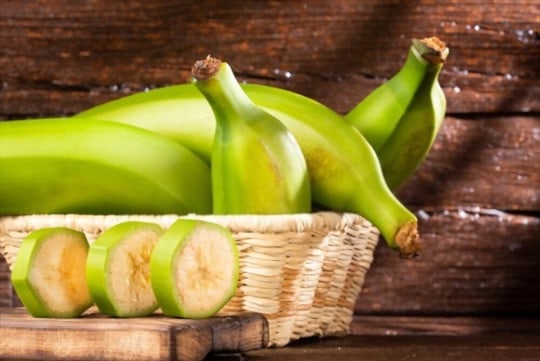
Green plantains are unripe fruits from the plantain tree.
They are longer and thicker than bananas and are usually green in color with a tough, starchy texture.
They are commonly used in savory dishes and can be boiled, fried or baked.
Green plantains have higher levels of resistant starch than their yellow counterparts.
Resistant starch is a type of carbohydrate that acts as dietary fiber and has been linked to various health benefits such as improved digestion and blood sugar control.
Overall, while both green and yellow plantains may look similar at first glance, they differ in terms of taste, texture and nutritional value - a distinction similar to the Napa vs green cabbage comparison.
As such, it's important to choose the right kind of plantain when cooking certain recipes.
What are Yellow Plantains?
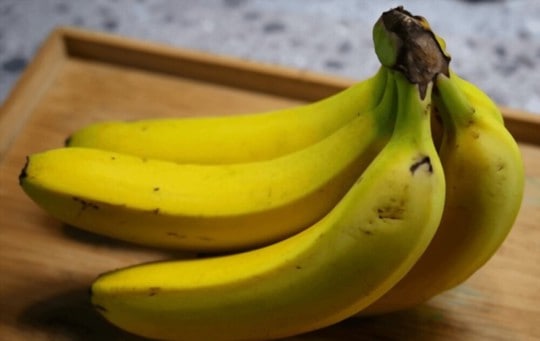
Yellow plantains are a variety of the banana family, which is eaten across West Africa and Latin America.
Unlike green plantains, yellow ones are used when they are ripe or overripe.
These plantains are sweet and soft in texture with black spots on their skin, a flavor shift reminiscent of the differences covered in the red vs yellow curry comparison.
They can be sliced and cooked in various ways, such as fried, baked or grilled.
Yellow plantains are an excellent source of vitamins B6 and C, potassium and fiber with fewer carbohydrates than their green counterparts.
In addition to being a good source of nutrients, yellow plantains also have unique culinary uses.
Due to their sweetness and texture, they are often used in dishes like maduros fritos (fried sweet plantains), a popular side dish in many Latin American countries.
Also, yellow plantains can be added into smoothies for a natural sweetness boost.
Differences Between Green and Yellow Plantains
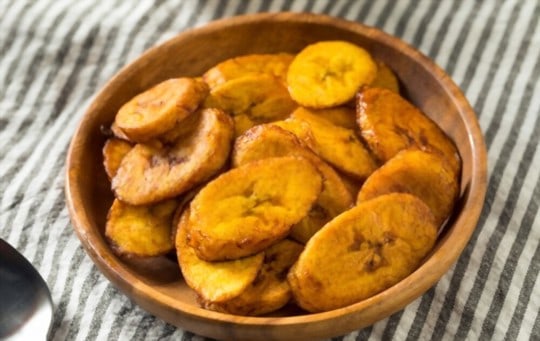
Plantains are a staple food in many parts of the world.
While they may seem similar, green and yellow plantains have distinct differences that make them unique.
Green plantains are starchy and often used as a potato substitute while yellow plantains are sweeter and used in desserts, a contrast similar to the gold vs green kiwi comparison.
Appearance and Ripeness
Plantains come in two distinct variations that differ substantially.
These variations are classified as per their colour and ripeness - a deep green, yellow or black outer casing often indicate what lies beneath the surface.
- Green plantain varieties tend to be firmer with thick skin and can be tougher to peel. It tends to have lower sugar content, making it less sweet than its yellow counterpart.
- Yellow bananas are kinder in texture, relatively easy to peel due to its softness, they're sweeter than their green peers but still maintain some level of starchiness.
- Green plantains are typically not eaten raw and usually employed for savoury dishes such as mofongo or salted plantain chips while yellow ones could be consumed on their own or used in sweet dessert recipes like Turrones de platano (banana turrons).
- The darker the peels get, i.e., blackened over time indicates that the sugar content has increased creating an enhanced taste- however this occurs right before it becomes spoilage; so careful monitoring is necessary.
- A tip for those who enjoy eating fried plantains - if your preference leans towards crispier bites with fewer risks of mushiness select Tart or Green bananas of the firm variety rather than a Yellow approachable one.
In summary, Plantain choices depend on your desired outcome - Green Plantains lends themselves more suitable for savoury dishes while Yellow counterparts could create sweet desserts.
Texture and Taste
The variation in texture and taste between green and yellow plantains is notable, much like the differences explained in the acai berry taste guide.
Green plantains are starchy, with a firm texture and mild flavor.
Once ripe, the yellow plantains become sweeter with a softer texture that melts in your mouth.
The differences in maturity affect everything from the level of sweetness to the cooking method used to prepare each fruit.
Remember that as they ripen their color deepens to a black hue indicating they are overripe, so timing may be important for consumers seeking optimal flavor and consistency.
Cooking Applications and Culinary Uses
Plantains, both green and yellow, have a variety of culinary uses and cooking applications.
In terms of flavor and texture, the main difference between the two varieties lies in their ripeness.
Green plantains are starchy and firm with a subtly sweet flavor that is ideal for savory dishes such as tostones or mofongo.
They also work well as a substitute for potatoes in soups or stews due to their unique starchiness.
On the other hand, yellow plantains are sweeter and softer than their green counterparts, making them more suitable for desserts like maduros or as a side dish.
However, both green and yellow plantains are equally delicious.
Green plantains can be sliced thinly and fried to make crispy chips while yellow plantains make perfect slices for classic Latin American dish tajadas.
Overall, whether you choose green or yellow plantains depends largely on your desired outcome - if you're looking for a starchy component in your dish, go for green; if you want something sweeter, opt for yellow.
Either way, these versatile fruits offer endless possibilities in the kitchen.
For dishes where cooking liquids or acidity change the final taste, the white cooking wine vs white wine vinegar comparison explains how each option alters flavor.
Similarities Between Green and Yellow Plantains

Green and yellow plantains share several similarities.
Both types of plantain are members of the banana family, have a similar greenish-yellow color when ripe, and offer an array of nutritional benefits.
These include being high in fiber, vitamins C and A, and potassium.
Also, they can be prepared in various ways, such as frying or boiling, to make numerous dishes.
However, there are some differences between green and yellow plantains.
While both can be eaten raw when fully ripe, green plantains are typically used when they're still unripe and firm for cooking dishes that require a starchy texture.
Yellow plantains, on the other hand, are left to ripen until they soften and turn a deeper shade of yellow or black before using them in sweet recipes like plantain pudding.
Overall, despite some differences in preparation methods, green and yellow plantains share many similarities as nutritious staples used worldwide in cuisine.
For insight into different meal approaches and ingredient choices, the home chef vs green chef comparison outlines how menus and prep differ between services.
Recipes and Dishes featuring Green and Yellow Plantains
Green plantains have a firmer texture and are less sweet than their yellow counterparts.
They're great for savory dishes like tostones, while yellow plantains are perfect for dessert-like dishes such as maduros.
Plantains contain more starch than bananas making them ideal for cooking as ingredients in many recipes.
Recipes and Dishes featuring Green and Yellow Plantains take many different forms.
Green plantain-based meals include mofongo, a popular Caribbean dish that features mashed plantains with garlic and pork cracklings; or acarajé, a Brazilian treat made by shaping dough fried in hot oil, usually served stuffed with shrimp or beef.
For meals using yellow plantains, there's arepas, a South American dish made from ground cornmeal that is mixed with mashed ripe plantains to create a softer texture.
Another favorite dessert-like meal is tres leches cake made with ripe plantain puree instead of the usual milk.
A few other essential things to note while working with plantains: always opt for those with an even coloration or slight green tinge if you prefer your fruits firm when ripe; go for overripe specimens marked by black spots if you desire sweeter flavors; Use careful preparation techniques when handling these dense fruits - especially while peeling them due to their thick skins.
When swapping leafy fillings or sides in recipes, the Savoy cabbage vs green cabbage comparison highlights which textures work best for different preparations.
Key Takeaways on Plantain Ripeness
Plantains are a staple food in many cultures, and the difference between green and yellow plantains lie in their level of ripeness.
Green plantains are starchy and used for savory dishes while yellow plantains are sweeter and used for dessert or sweet dishes.
In terms of nutrition, both varieties are a good source of fiber, vitamins, and minerals.
It is essential to consider one's dietary needs when choosing between the two, as each has its unique advantages.
Therefore, it is important to choose wisely according to one's preferences and requirements.
Frequently Asked Questions
They are longer and thicker than bananas and are usually green in color with a tough, starchy texture. They share some similarities but each has qualities that make it better suited for certain recipes.
Sometimes. Green works where Yellow Plantain is called for in certain dishes, but not all.
Check whether the recipe relies on a specific quality before substituting.
Cold preparations like salads and dressings often favor the option with a sharper, more defined flavor. Heat can mellow both, so the distinction matters more in uncooked dishes.
Do professional cooks prefer one over the other?
Professional preference depends heavily on the dish and cuisine style.
Each has its context where it outperforms the other, so most experienced cooks keep both on hand.
Black and green olives have distinct tastes and uses; black vs green olives comparison explains those differences. Similarly, bean varieties can change texture in recipes; Italian green beans vs green beans comparison details how they differ.