Have you ever noticed the difference between Italian green beans and regular green beans?
Have you ever stopped to think about why they look, taste and even cook differently?
You may have assumed that the two were the same depending on where one is from; however, there are several distinctive differences between Italian green beans vs. traditional ones.
So let's look at the world of distinct mealtimes together by comparing both types.

What are Italian Green Beans?
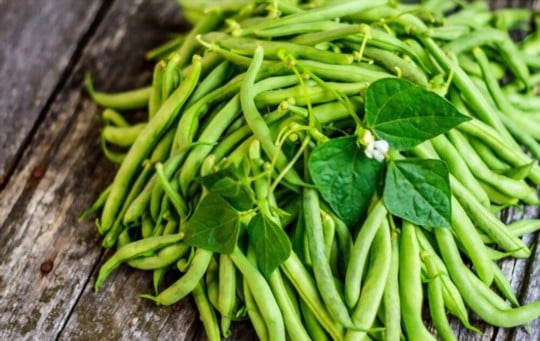
Italian Green Beans, also known as Romano beans or flat beans, are a delicious alternative to regular green beans.
These beans are longer and wider than traditional green beans and have a meatier texture than the tender pods of their green cousins.
Here are some essential points that highlight the unique features of Italian Green Beans:
- Italian Green Beans originated in Italy, thus earning their name, but they're now grown in several countries worldwide.
- They come in two varieties- the lighter green type called Largo and dark green type known as Concerto.
- The flatness of these beans means they cook more quickly; hence they retain more nutrients and can be cooked in various ways such as sautéed, steamed, roasted or grilled.
- They contain fiber, vitamin C, beta carotene, calcium, magnesium and potassium making a good addition to any diet for nutritional purposes.
- Italian Green Beans pair well with many dishes such as stews, pasta sauces, rice dishes, salads -to name a few- adding an extra nutritional boost without compromising on flavor or adding excessive calories.
In summary, Italian Green Beans are a delicious alternative to regular green beans providing additional nutrition benefits alongside their distinct taste.
Their versatility makes them an ideal ingredient for many dishes.
Italian produce names often reflect origin - Italian tuna comparison differences shows how origin influences labeling for similar foods.
What are Green Beans?

Green beans, also known as snap beans or string beans, are a versatile vegetable and an excellent addition to any meal - learn how vegetables differ by variety in this Napa cabbage vs green cabbage comparison.
These beans are slender and usually measure 4-6 inches long, featuring a crisp, fresh taste with a slightly sweet flavor.
The green bean got its name from its distinct green color; however, some heirloom varieties also come in purple and yellow hues.
Green beans are a rich source of nutrients such as vitamins K, C, and A, fiber, and folate, which are essential for maintaining a healthy body.
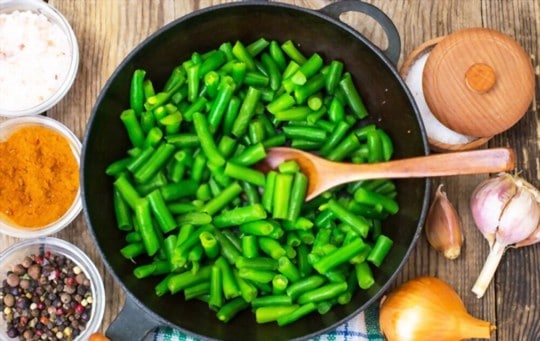
These vegetables can be steamed, roasted, sautéed, or fried, making them an easy and flexible ingredient to work with in the kitchen.
The next time you're in the produce aisle, be sure to pick up some green beans - they're a delicious and nutritious addition to any dish.
Differences Between Italian Green Beans and Green Beans
Italian green beans and green beans have unique properties that differentiate them from one another.
A notable difference between these two types of beans is their appearance.
Italian green beans are long, slender, and curved while traditional green beans are wider and straight.
The texture of Italian green beans aligns with its slimness as it is usually crunchier and firmer compared to the standard bean - similar texture contrasts are discussed in this Herbs de Provence vs Italian seasoning key differences guide.
Appearance
Green beans and Italian green beans have noticeable differences in appearance.
While both belong to the same family, Italian green beans are longer, thinner, and flatter than regular green beans.
They also have a darker color and more pronounced seam line on the sides.
The unique appearance of Italian green beans makes them stand out from regular green beans, giving off an aesthetically pleasing presentation when served on a plate.
In terms of cooking, the differences in appearance between these two types of beans can affect cooking time and preparation methods.
The thinner shape of Italian green beans means they cook quicker than regular green beans.
Due to their flatness, they also require less trimming before being cooked.
On the other hand, regular green beans tend to be more firmly round in shape, making them sturdier to handle while cooking.
While personal preference may dictate one's choice between Italian green beans or regular green beans for consumption or cooking purposes, it is evident that their distinct appearances can add variety to meal presentations.
Beyond just flavor and texture preferences, the visual appeal of food plays a significant role in our overall enjoyment of a meal.
Taste and flavor
The difference between Italian green beans and regular green beans is noticeable.
Italian green beans have a more strong and earthy taste due to their elongated shape - see how concentrated notes differ from subtler profiles in extract vs flavor comparison.
In contrast, regular green beans have a milder flavor with a slightly sweeter taste.
The texture of the Italian variety is denser than regular green beans, which makes them an ideal addition to hearty stews and soups.
However, if you prefer a lighter meal or are looking for a side dish, regular green beans might be the better option.
In terms of cooking methods, both types of green beans can be sautéed or grilled.
Still, Italian green beans hold up well in long-cooking dishes without losing their shape or flavor.
On the other hand, standard green beans tend to cook faster than their counterparts and can become mushy when overcooked.
To sum up without explicitly writing it as part of the text: The flavor of each type varies significantly, with Italian green beans having a strong, earthy taste while traditional ones are lighter and slightly sweeter.
Their textures support different uses in meals and utensils.
Texture
Italian green beans and regular green beans differ in texture.
While both have a tender-crisp bite, Italian green beans are narrower with a denser texture, making them chewier and more substantial.
Regular green beans have a softer flesh and are often stringier.
The differences in texture impact the overall mouthfeel of the dish they are used in, and can affect how well they hold up to cooking methods such as sautéing or roasting.
Choosing between the two types of green beans ultimately comes down to personal preference and recipe requirements.
Nutritional Value
The nutritional value of Italian green beans compared to regular green beans can vary.
Green beans are low in calories, high in fiber and contain vitamins A, C and K.
Italian green beans may have a slightly higher protein content and also contain vitamins B and E.
Both types of green beans are a good source of minerals including iron, calcium, and potassium.
However, the cooking method and other ingredients used can affect the overall nutritional value of the dish.
It is important to consider your dietary needs when selecting which type of green bean to include in your meal.
Similarities Between Italian Green Beans and Green Beans
Italian Green Beans and Green Beans share many similarities when it comes to their nutritional value, taste, and appearance.
Both beans are excellent sources of dietary fiber, potassium, and vitamins A and C - comparable nutrient overlaps appear in Italian bread vs French bread nutrient and texture comparison for different staples.
They are also low in calories but high in antioxidants, making them an ideal food for weight loss and overall health.
Also, these beans can be prepared in a variety of ways such as steaming, boiling, roasting, or sautéing.
In terms of flavor and texture, Italian Green Beans bear some resemblance to green beans but have their own unique characteristics.
These beans are slightly wider than traditional green beans with a crispier texture that adds a satisfying crunch to any dish they're added to.
Also, they tend to have a sweeter taste when compared to standard green beans due to their increased sugar content.
While Italian Green Beans may have a few differences from regular green beans in terms of flavor and appearance, they both offer similar health benefits.
Therefore choosing one over the other is mostly based on individual preference rather than any significant nutritional difference between the two.
Culinary Uses of Italian Green Beans and Green Beans
Italian Green Beans vs Green Beans: Which is a Better Option?
Both Italian green beans and regular green beans are commonly used in cooking.
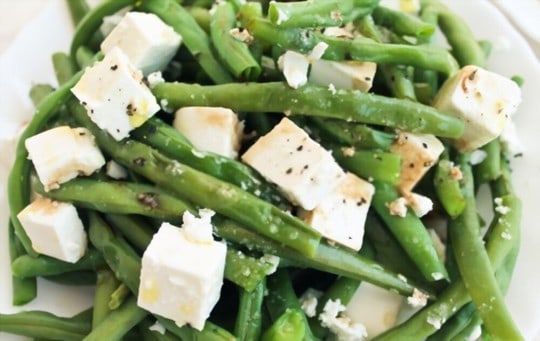
- Italian green beans have a distinct flavor compared to regular green beans due to their thinner and flatter shape. They are typically used in salads, sautés, stir-fries, and casseroles.
- Regular green beans are more widely known and can be used in various dishes such as soups, stews, casserole, side dishes and appetizers.
- Both types of green beans can also be pickled or canned, used fresh or frozen, and seasoned with herbs or spices according to personal preference.
When cooked properly, both Italian green beans and regular green beans can add healthy nutrients like vitamins A and C to a meal.
It is important to choose the type based on the desired dish.
While they may differ slightly in taste and texture, both Italian green beans and regular green beans come with unique culinary uses that make them an ideal ingredient for many dishes.
Choice of oil and seasoning affects finished dishes - Greek vs Italian olive oil comparison explains how different oils alter flavor in simple preparations.
Where to Buy Italian Green Beans and Green Beans and How to Store Them?
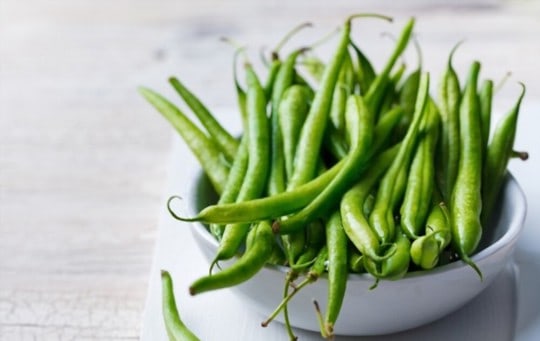
For those wondering where to purchase Italian green beans or regular green beans and how to ensure they stay fresh, we have got you covered.
Find out below.
- Italian green beans can often be found at specialty markets catering to Italian cuisine.
- Green beans are readily available in most grocery stores.
- Farmers' markets are another great option for purchasing both types of beans.
- To store Italian green beans, keep them in a plastic bag with a damp paper towel in the refrigerator's vegetable drawer for up to five days.
- To store regular green beans, wrap them in a damp paper towel and place them in a plastic bag before storing them likewise for up to seven days.
Also, both Italian green beans and regular green beans offer different nutritional benefits and unique flavors.
Understanding these differences can help you make informed choices when selecting which type of bean to use for cooking or eating raw.
Specialty markets often carry regional items and desserts - Italian ice vs gelato comparison outlines where each frozen treat is typically sold.
How Italian Green Beans Differ from Regular Green Beans
Who would have thought there could be so much diversity and variation between seemingly similar Green Beans? Depending on your cooking style, preference, and geographical region, either Italian Green Beans or regular Green Beans can make perfect additions to a variety of dishes.
Ultimately, it is up to the chef's discretion as to which type of bean they would like to use.
However, note that due to their differences in taste, texture and appearance depending on lengthwise conditions, each kind will pair better with certain flavors and recipes.
With this newfound knowledge in tow, cooking Italian or regular green beans is sure to be an enjoyable experience filled with flavor.
Frequently Asked Questions
Have you ever noticed the difference between Italian green beans and regular green beans? They share some similarities but each has qualities that make it better suited for certain recipes.
Sometimes. Italian Green Beans works where Green Beans is called for in certain dishes, but not all.
Check whether the recipe relies on a specific quality before substituting.
Cold preparations like salads and dressings often favor the option with a sharper, more defined flavor. Heat can mellow both, so the distinction matters more in uncooked dishes.
Do professional cooks prefer one over the other?
Professional preference depends heavily on the dish and cuisine style.
Each has its context where it outperforms the other, so most experienced cooks keep both on hand.
Italian Sausage pairs differently than ground beef in many dishes. Italian Sausage vs Ground Beef comparison explains those differences. Gold Kiwi vs Green Kiwi comparison highlights how similar fruits can vary in flavor and texture.