
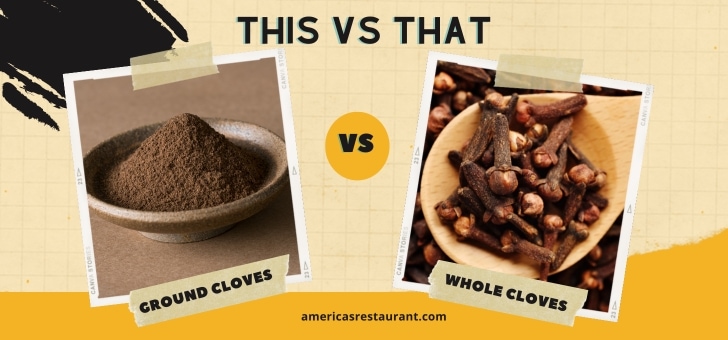
Ground cloves spice up our lives, literally. Whole cloves?
They're the secret stars in grandma's secret recipes.
Ground cloves? They save us on busy weeknights.
Ever got caught in the kitchen, mid-recipe, to find you only have one type? We've been there.
It's the stuff of mild kitchen nightmares.
Ground cloves pack a punch, flavor-wise. Whole cloves, though, bring aesthetics and subtle hints.
What's best? It depends. Sharing our kitchen mishaps might shed some light.
What are Ground Cloves?
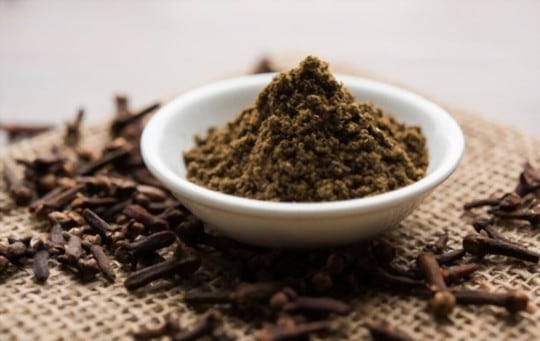
Ground cloves are the powdered form of the popular spice, with a strong and pungent aroma.
They are obtained by grinding whole cloves to finely crushed particles.
The texture of ground cloves is finer than whole cloves, making them more versatile in cooking and baking.
Ground cloves have a much more concentrated flavor than whole cloves and are commonly used in curries, stews, baked goods, and seasoning blends.
In comparison to whole cloves, ground cloves offer several advantages such as ease of use - they are readily available and can be added directly to recipes without needing to grind them - similar to a dried vs ground thyme comparison that highlights convenience differences.
Ground clove powder blends quickly into any mixture compared to whole cloves that take longer to infuse their flavor and need to be removed before serving.
Also, ground cloves can be used in many diverse culinary applications where the texture or consistency of foods needs uniformity.
When using ground cloves instead of whole ones, it is important to consider the difference in intensity since some dishes may require less ground clove powder but more volume when stuffing or pickling spices.
Also, always purchase freshly ground clove powder rather than storing pre-ground ones for an extended period since its potency can weaken over time.
What are Whole Cloves?

Whole cloves refer to the dried flower buds of an evergreen tree.
High in antioxidant compounds and with a strong, sweet aroma, whole cloves are used as a spice to flavor food, sauces, and beverages.
They are often found in various forms such as stems, ground powder or preserved in oil or vinegar.
Due to their unique taste profile and versatility in cooking applications, whole cloves are one of the most popular spices used worldwide - a choice between parts and wholes resembles the turkey breast vs whole turkey comparison made for poultry.
Differences Between Ground Cloves and Whole Cloves
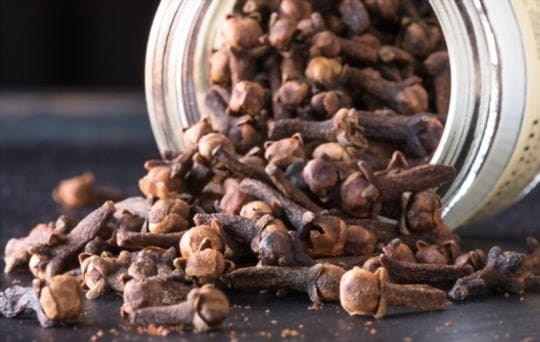
Whole cloves and ground cloves differ significantly in terms of their taste, aroma, and applications.
While whole cloves are a more classic option that offers a distinctive flavor, ground cloves offer greater versatility in cooking and baking.
Ground cloves have a more subtle flavor with a harsher aroma; they are ideal for infusing soups, stews or making spice mixtures.
In contrast, whole cloves make rice taste unique and add flavor to baked ham or pickled vegetables.
Overall, it's essential to consider the recipe requirements as each variation has its unique properties that contribute to culinary outcomes - similar decision factors appear in a ground chicken vs ground beef comparison about picking the right ground option.
Processing and Form
The different processing and form of cloves can greatly impact the resulting taste, aroma, and texture.
The two main types of clove forms are ground cloves and whole cloves.
Ground cloves are made from dried and powdered cloves while whole cloves still maintain their natural shape and size.
Each form has its advantages and disadvantages.
Ground cloves are easier to use as they can be directly added to recipes without needing further preparation.
They also have a stronger flavor because they release more essential oils when ground.
However, ground cloves have a shorter shelf life compared to whole cloves as their essential oils quickly dissipate.
On the other hand, whole cloves have a milder flavor but last longer in storage due to their protective outer layer.
They can also be used in various ways such as making spice mixes or infusing flavors into liquids like hot drinks.
The processing and form of cloves should match the recipe's required taste, aroma, and texture.
For example, ground cloves are ideal for baked goods like cakes while whole cloves are best for simmering in savory dishes like stews.
In summary, whether to use ground or whole clove depends on the intended recipe and desired outcome.
It's important to weigh each option's benefits and drawbacks before choosing which one to use in cooking or baking.
Flavor and Aroma Intensity
The intensity of flavor and aroma in ground cloves and whole cloves depends on their preparation method - a contrast similar to an extract vs flavor differences explained piece that outlines how form changes potency.
Ground cloves have a higher intensity due to their fine texture, which releases the essential oils more easily and quickly.
On the other hand, whole cloves need to be crushed or grated to release their full potential.
The distinct aroma and flavor of cloves are perfect for both sweet and savory dishes, making them a versatile spice in the cooking world.
Ease of Use and Convenience
With regards to the practicality and convenience of using cloves in cooking and baking, there are a few different factors that should be considered:
- Ground cloves are more convenient for recipes that require a finer texture or need to mix well with other ingredients.
- Whole cloves require extra preparation time as they need to be ground or crushed before use.
- Ground cloves can be easily measured and added directly to any dish with ease.
- Whole cloves can be difficult to measure accurately and may need to be removed before serving if used in large quantities.
- Ground cloves have a longer shelf life than whole cloves since the latter tend to dry out quickly once opened.
- If you plan on storing them for long periods of time, whole cloves stored in an airtight container will lose less aroma compared to ground ones.
Overall, both ground cloves and whole cloves have their advantages and disadvantages when it comes to ease of use and convenience.
It ultimately depends on the specific recipe at hand and the level of flavor intensity required.
Shelf Life and Storage
The lifespan of cloves is an essential factor to consider when it comes to storage.
Properly stored ground cloves and whole cloves can last up to 1-2 years and 3-4 years, respectively.
The storing process for both types of cloves remains the same.
Store them in a dry and cool place away from direct sunlight and moisture.
Whole cloves have a clear advantage over ground cloves.
Ground cloves have a larger surface area exposed to air, leading to faster oxidation, which affects the taste.
In contrast, whole cloves have a protective layer that keeps their aroma-integrity intact.
To ensure longevity while retaining their full aroma, it's best to store whole cloves in an airtight container until ready to use them.
For grounded cloves, creating small batches often helps maintain freshness.
Similarities Between Ground Cloves and Whole Cloves
Ground cloves and whole cloves have many similarities.
Both are derived from the flower buds of an evergreen tree known as Syzygium aromaticum or clove tree.
Both types of cloves are commonly used in cooking, baking, and for medicinal purposes due to their strong aroma and flavor - comparable to a ground cumin vs seeds comparison that shows shared uses across forms.
Also, they both contain the same active compound, eugenol, which offers a range of health benefits such as easing sore throats and mouth ulcers.
Both ground and whole cloves can be used interchangeably.
They add warm, spicy notes to dishes like mulled wine, spiced cider, and pumpkin pies.
Ground cloves have a more concentrated flavor compared to whole ones so the amount used should be adjusted accordingly.
Another similarity between these two forms is their shelf life.
Properly stored ground cloves and whole cloves can last for up to two years without losing their potency.
In summary, ground cloves and whole cloves share many similarities that make them versatile spices in cooking and for medicinal use.
Their shared origin from clove trees gives them similar health benefits while they offer different levels of strength when it comes to flavors.
Cooking and Baking Applications

Cooking and baking require careful consideration of spices, including the choice between ground cloves and whole cloves.
Grinding cloves releases their oils faster, making them more potent in dishes.
However, whole cloves provide visual appeal and can be removed easily after cooking.
Both options have unique advantages based on the recipe needs - a similar trade-off appears in a white cooking wine vs vinegar comparison about choosing the right liquid ingredient.
For instance, ground cloves work well in cakes or bread dough where the intense flavor is desired throughout the mixture.
Whole cloves are preferred for pickling liquids, mulling wine, or creating tea infusions from scratch because they can be removed easily afterwards.
Also, when it comes to Indian and Middle Eastern cuisine, whole cloves are commonly used to add special flavors instead of ground ones since it exposes less surface area hence a milder taste.
It is important to consider that different recipes call for different quantities and forms of spices; understanding individual preferences helps determine which type of clove best suits one's needs.
Cooking and baking enthusiasts may find themselves experimenting with both forms of clove to determine which provides better taste results tailored to specific dishes.
Tips for Using Ground Cloves and Whole Cloves
Ground cloves and whole cloves are both popularly used spices, each with its unique benefits and drawbacks.
Here are some tips for using them effectively.
For Ground Cloves:
- When cooking sweets or baked goods, add a dash of ground cloves to enhance flavors.
- If you're running low on time or don't want to use a spice grinder, purchase pre-ground cloves from your local grocery store.
- Remember to store ground cloves in an airtight container, away from direct sunlight, moisture, and heat.
- Use ground cloves sparingly as their flavor can be overpowering if used in excess.
For Whole Cloves:
- Add a couple of whole cloves to simmering soups or stews for added depth and flavor.
- Stick a few whole cloves into an apple before baking or into an orange before mulled wine warming for a holiday scent that fills the entire house.
- To grind whole cloves at home, use a pestle or electric coffee grinder before adding it to recipes.
- Keep whole cloves in an air-tight container in a cool dark place for best results.
While both varieties provide similar flavors, they have differences in potency.
Ground clove has stronger flavors than the whole variation, which means it can be easier to end up with too much flavor when using the powdered version.
In contrast, Whole clove is less potent; however, grinding your own whole clove gives you more control over the quantity and quality of spice you use.
Regardless of which variation you opt for seasoning your dishes with either adds warmth and depth of flavor that makes any recipe extraordinary.
When convenience matters, pre-ground options help; see fresh nutmeg vs ground nutmeg comparison for a similar consideration.
When to Use Ground Cloves vs Whole Cloves
Every detail matters as it can significantly alter the taste and aroma of a dish.
In this comparison between ground cloves and whole cloves, there is no clear winner.
Each has its unique advantages and disadvantages.
It ultimately depends on the recipe's specific requirements and cooking preferences.
Few additional factors to consider when choosing between whole cloves and ground ones include recipe type, personal preference, flavor intensity required for the dish, and the amount needed.
Ginger in paste or powdered form changes how it flavors a dish. ginger paste vs ground ginger comparison explains those differences. whole peppercorn vs ground pepper comparison does the same for pepper.
Frequently Asked Questions
While whole cloves are a more classic option that offers a distinctive flavor, ground cloves offer greater versatility in cooking and baking. They share some similarities but each has qualities that make it better suited for certain recipes.
In many recipes, yes. Ground Cloves and Whole Cloves fill similar roles, though each brings its own character.
Try a small test batch before committing to a full swap.
Availability varies by region. One is usually a standard grocery store item while the other may require a specialty or international market depending on where you live.
Can a beginner tell the difference by taste?
In a side-by-side tasting, yes.
The difference becomes less obvious when mixed into a recipe with other ingredients.
Most people notice the distinction more clearly on its own.