
The best substitutes for Discover are Shoulder Steak, Skirt Steak, and Flank Steak.
Shoulder Steak
Shoulder steak is a cut of beef that comes from the shoulder area of the cow.
For cooking, Skirt Steak also works well - adjust the amount to taste.
Finding a perfect hanger steak substitute can feel like searching for a unicorn.
Sometimes, it feels like this cut of beef has a secret fan club we're just not a part of.
Yet, here we are, making it super easy to keep your dinner plans on track without it.
You might think, "Well, that's going to be a challenge."
We've got news for you. It's not as hard as it seems.
Skirt steak, flap meat, and flat iron steak step up as our top picks.
They bring a mix of flavor and texture that's close to our elusive friend, the hanger steak.
Each has its own charm, making your meal anything but ordinary.
No need to send out a search party for the hanger steak next time it's missing from the butcher's counter.
We've done the legwork for you. Now, all you've got to do is grab one of these alternatives and make that dish shine.
The 3 Best Substitutes for Hanger Steak
Hanger steak is a perfect choice if you're looking for a delicious, juicy steak but don't want to spend much money.
This cut of meat is full of flavor and relatively inexpensive, making it a great option for budget-minded home cooks.
However, hanger steak can be difficult to find in some supermarkets, so you may need to seek a specialty butcher or order it online.
Here are three of the best substitutes for hanger steak:
1 - Shoulder Steak
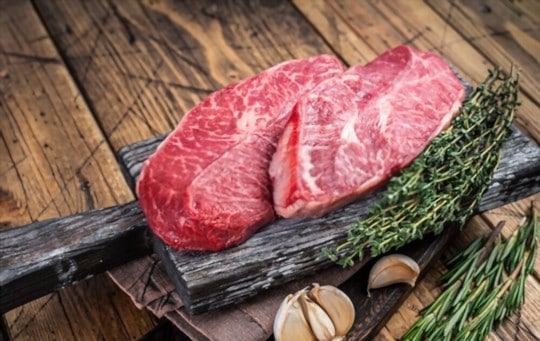
Shoulder steak is a cut of beef that comes from the shoulder area of the cow.
It is a tough cut of meat, but it is also very flavorful.
Shoulder steak is best cooked using a slow method, such as braising or stewing.
This helps to tenderize the meat and bring out its flavor.
Shoulder steak can be used in many recipes, such as stews, pot roasts, and sandwiches.
It can also be grilled or pan-fried, although it will not be as tender as if cooked using a slow method.
When purchasing shoulder steak, look for a well-marbled cut with fat.
This will help to keep the steak moist and flavorful during cooking.
Shoulder steak is a great choice for those looking for a flavorful and economical cut of beef.
2 - Skirt Steak
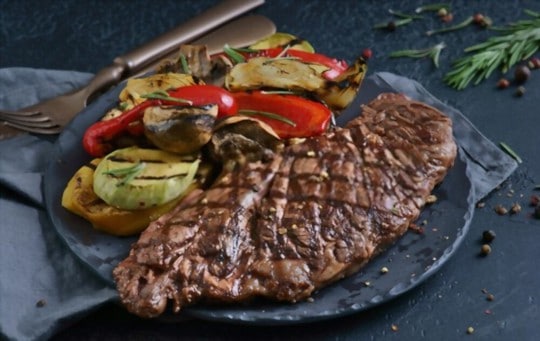
Skirt steak is a long, flat cut of beef that comes from the cow's diaphragm.
It's a fairly tough cut of meat, so it's often used for stews and other slow-cooking methods.
However, if you cook it properly, skirt steak can be very tender and flavorful.
When shopping for skirt steak, look for a cut that is pink in color and has a fair amount of marbling.
Skirt steak is also relatively lean, so it's a good choice if you're trying to watch your fat intake.
To cook skirt steak, season it with salt and pepper and cook it on a hot grill or in a hot pan.
Skirt steak is delicious when served with grilled vegetables or mashed potatoes.
It can also be sliced thin and used as protein in a sandwich or wrap.
3 - Flank Steak
If you're a fan of steak, you've probably noticed that there are many different cuts to choose from.
Flank steak is one option often overlooked in favor of more popular choices like ribeye or filet mignon.
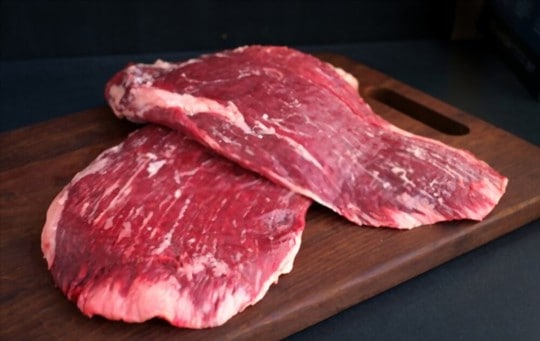
So what is flank steak, and why should you give it a try? Flank steak is a leaner cut of meat that comes from the abdominal muscles of the cow.
It has a strong flavor that some describe as gamey, but this can be offset by marinating the meat before cooking.
Flank steak is best cooked quickly over high heat and can be served with various side dishes.
Flank steak is a great option if you're looking for a more budget-friendly alternative to other types of steak.
And if you're looking for something new to try, flank steak is a delicious way to change your usual dinner routine.
You might also want to know how hanger steak compares.
Frequently Asked Questions
Shoulder Steak, Skirt Steak, and Flank Steak. Use it at a 1:1 ratio in any recipe that calls for Discover.
Yes. Shoulder Steak and Skirt Steak work as direct replacements in most recipes.
Use the same quantity and adjust seasoning after tasting.
Usually not, but check moisture content. Wetter substitutes may need a slightly higher temperature or longer cook time to evaporate excess liquid and achieve the right texture.
Is the substitute appropriate for all dietary restrictions?
Check labels carefully.
Many substitutes introduce allergens or ingredients that conflict with specific diets - dairy, gluten, soy, or nuts may appear in processed alternatives.